Source Cotton Like Recycled Polyester Yarn for Knitting Sewing Weaving
Find 30 listings of Cotton Like Recycled Polyester Yarn suitable for knitting, sewing, and weaving. Buyers can compare features such as anti-pilling, eco-friendly status, and coarseness across ring spun and open end options.
Key considerations
Products List


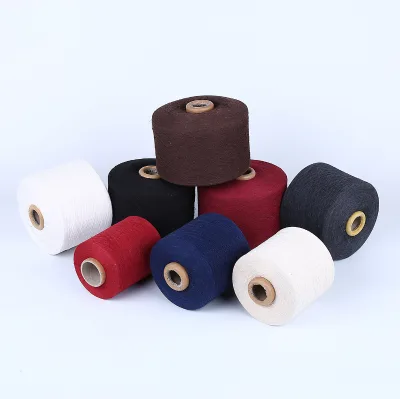


High Strength Recycled Yarn with Grs Certification for Eco-Friendly Projects
$0.50 - $1.50
MOQ: 1000 Rolls


Comprehensive Sourcing Guide
Strategic Sourcing Guide for Cotton-Like Recycled Polyester Yarn
Understanding the Technical Landscape of Blended and Recycled Yarns
The term "cotton-like recycled polyester yarn" describes a specific category of textile raw materials designed to mimic the tactile and visual properties of natural cotton while utilizing recycled synthetic fibers. In the current market, this classification often encompasses blends of cotton and polyester, or 100% polyester yarns engineered with specific texturizing techniques to achieve a soft hand feel. Based on available product data, the material composition for such yarns frequently appears as a blend of Cotton and Polyester, or occasionally as 100% Polyester variants that are processed to resemble natural fibers. The fiber length is a critical differentiator; while some products utilize a combination of short fibers and continuous filament yarn, others are classified strictly as staple fiber yarns or continuous filament yarns depending on the desired texture.
The structural integrity of these yarns is determined by the spinning technique employed. The market data indicates the prevalence of Ring Spun techniques, which are known for producing yarns with a softer hand and better appearance, closely aligning with the "cotton-like" descriptor. Conversely, Open End (OE) spinning is also observed, typically yielding a coarser but more cost-effective result. The coarseness of the yarn is generally categorized as fine or medium, with specific model numbers such as 20S, 21S, 30S, and 32S indicating the count. These counts are essential for buyers to understand the thickness and weight of the final fabric. Furthermore, the number of shares, or plies, varies from single yarn to multi-ply configurations, directly influencing the strength and durability of the thread.
Compliance, Certification, and Material Verification
When sourcing recycled polyester, verifying the environmental claims and material safety is paramount. Buyers must approach certification claims with a disciplined eye, as the supply chain for recycled materials involves complex verification steps. While the provided data lists "Eco-Friendly" and "Recycled" as key features, specific certification bodies like Oeko-Tex are mentioned in background contexts but lack concrete verification in the immediate product specifications. Therefore, procurement teams should not assume a specific certification status based on general marketing terms. Instead, the buyer must request third-party test reports that explicitly confirm the recycled content percentage and the absence of harmful substances.
The material composition itself requires rigorous verification. Products listed as "Cotton / Polyester" blends must be tested to ensure the ratio matches the purchase order, as variations can significantly alter the fabric's performance. Similarly, for 100% polyester variants claiming a cotton-like feel, the source of the recycled content (e.g., post-consumer waste vs. post-industrial waste) should be documented. The standard "16s 21s 30s 32s" or "30D-150D" ranges provided in the data serve as reference points for the buyer to validate the product specifications against their technical requirements. It is crucial to note that while "Eco-Friendly" is a listed attribute, the specific standards governing this claim, such as GRS (Global Recycled Standard) or RCS (Recycled Claim Standard), must be confirmed through direct supplier documentation rather than inferred from the product listing.
Cost Drivers and Pricing Dynamics
The pricing of cotton-like recycled polyester yarn is influenced by a complex interplay of raw material costs, processing techniques, and order volume. The observed price range in the market spans from 0.5 to 10 USD, a wide spectrum that reflects the diversity in yarn counts, ply structures, and finishing treatments. The primary cost driver is the fiber composition; blends of cotton and polyester often carry different cost structures compared to 100% recycled polyester, depending on the fluctuating prices of virgin cotton and recycled PET flakes.
Order volume is another significant factor, as indicated by the Minimum Order Quantity (MOQ) ranges observed between 80 and 24,000 units. Buyers purchasing at the lower end of the MOQ spectrum may face higher unit costs, while those committing to larger volumes can negotiate more favorable pricing tiers. The packaging method also impacts the final landed cost; variations from 25kg packs to poly-bags and carton exports suggest different handling and logistics requirements. Additionally, the "Customization" attribute available in the market allows for tailored solutions, which often incurs a premium over standard stock items. Buyers should anticipate that specialized features such as "Anti-Pilling," "High Strength," or "Far Infrared" capabilities will add to the base cost of the yarn.
Typical Applications and Performance Characteristics
The versatility of cotton-like recycled polyester yarn makes it suitable for a broad array of textile applications. The data explicitly lists usage scenarios including Knitting, Sewing, Weaving, Hand Knitting, and Embroidery. This wide applicability stems from the yarn's balanced performance characteristics. For instance, the "Anti-Pilling" feature ensures that garments maintain their appearance over time, a critical requirement for consumer apparel. The "Breathable" and "Moisture Absorbent" attributes are particularly valuable for activewear and casual clothing, where comfort is a primary concern.
In addition to comfort, functional properties play a significant role in application selection. Yarns with "High Strength" and "High Temperature-Resistant" features are ideal for industrial textiles or heavy-duty sewing applications. The "Anti-Static" and "Anti-UV" properties make these yarns suitable for outdoor gear and protective clothing. The "Low Elasticity" or "High-Elastic" options allow manufacturers to choose the right stretch profile for the final product, whether it is a structured denim or a flexible sportswear item. The "Light Appearance" and "Melange" patterns further expand the design possibilities, allowing for aesthetic variations without the need for complex dyeing processes.
Supplier Evaluation and Quality Assurance Protocols
Selecting a reliable supplier for recycled polyester yarn requires a thorough evaluation of their production capabilities and quality control systems. The origin of the products is consistently listed as China, which indicates a concentrated manufacturing hub. However, the specific location and lead times are not provided in the general data, necessitating direct inquiry with potential suppliers. Buyers should prioritize suppliers who demonstrate transparency in their production processes, particularly regarding the "Open End/OE" and "Ring Spun" techniques used.
Quality control should focus on verifying the consistency of the fiber length, whether it is a combination of short fibers and continuous filament or pure staple fiber. The "Standard Export Seaworthy Packages" and "Carton" packaging options suggest that logistics and protection during transit are considerations for the buyer. To ensure quality, procurement teams should implement a sampling protocol that tests for the claimed features, such as "Anti-Bacterial" or "Flame-Retardant" properties. It is essential to validate that the "prod_model" numbers, such as "szhy304" or "7s," correspond to the actual physical characteristics of the yarn delivered. Regular audits of the supplier's facility can help verify their ability to maintain the "Eco-Friendly" and "Recycled" claims consistently across production batches.
Long-Term Procurement and Supply Chain Resilience
Sourcing cotton-like recycled polyester yarn is not merely a transactional activity but a strategic decision that impacts long-term brand sustainability and supply chain resilience. The availability of "Customization" options allows buyers to adapt to changing market trends and consumer preferences without overhauling their entire supply chain. However, the variability in MOQs, ranging from small batches of 80 to large industrial orders of 24,000, requires flexible inventory management strategies.
Buyers must also consider the standardization of their requirements. The presence of various standards, such as "16s 21s 30s 32s" or "NE12/1-NE30/1," highlights the need for clear communication with suppliers to avoid specification mismatches. Establishing long-term contracts with suppliers who can consistently deliver high-quality recycled content is vital for maintaining brand integrity. Furthermore, the "Far Infrared" and "High Temperature-Resistant" features suggest that these yarns are moving towards high-performance applications, requiring buyers to stay informed about technological advancements in fiber engineering. By focusing on suppliers who offer robust quality assurance and transparent certification processes, buyers can mitigate risks associated with greenwashing and ensure a steady supply of high-performance, sustainable textile materials.
FAQs
What materials are used for Cotton Like Recycled Polyester Yarn?
The yarn is typically made from Cotton, Polyester, or a blend of both. Some variants are 100% Cotton or 100% Polyester, while others combine these fibers to achieve specific textures and performance characteristics for various textile applications.
How is the yarn structured and spun?
The yarn is available in Ring Spun and Open End structures. It comes as Single Yarn or Multi-Ply configurations, with fiber lengths ranging from staple fibers to continuous filaments, ensuring versatility for knitting, weaving, and sewing.
Can I customize the product specifications?
Yes, customization is available for this yarn type. Buyers can select from various model numbers like 20S, 21S, 30S, or 32S, and choose specific packing options such as 25kg packs, poly-bags, or cartons to meet their logistical needs.
What are the key features of this yarn?
Key features include Anti-Pilling, Eco-Friendly properties, and High Strength. Additional attributes may include Breathability, Moisture Absorbent qualities, and resistance to high temperatures, making it suitable for diverse applications from casual wear to industrial textiles.
What is the typical MOQ and price range?
The minimum order quantity ranges from 80 to 24,000 units depending on the supplier and product type. Prices observed in the market span from 0.5 to 10 USD, influenced by factors like fiber composition, spinning technique, and order volume.
Where is the product origin and how is it packed?
The product origin is China. Packaging options vary from standard 25kg packs and poly-bags to standard export seaworthy packages and cartons, ensuring the yarn is protected during transit and ready for immediate use in manufacturing processes.