Source Cotton Knitted Baby Romper for Newborns, Girls, and Winter Wear
Explore 30 verified listings for Cotton Knitted Baby Romper options suitable for newborns, girls, and winter seasons. Buyers can compare materials, customization features, and MOQs to find the right supplier for their needs; compare the available evidence and request quotations based on your requirements.
Key considerations
Products List


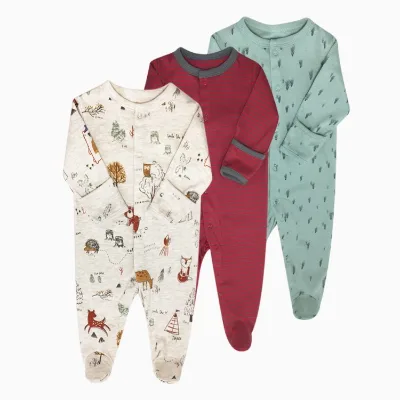


Spring Baby Boys and Girls Jumpsuits Newborn Baby Knitted Romper Toddler
$12.00 - $20.00
MOQ: 2 pieces

Summer Newborn Baby Romper Short Sleeved Knitted Cotton Baby One-Piece Jumpsuit
$10.00 - $22.00
MOQ: 2 pieces

Comprehensive Sourcing Guide
Cotton Knitted Baby Romper Sourcing Guide
The market for cotton knitted baby rompers presents a diverse range of options, primarily observed in unisex and girl-specific designs suitable for newborns through toddlers. Buyers will encounter variations in sleeve styles, including long, short, and sleeveless cuts, alongside distinct seasonal adaptations for winter and summer conditions. The product listings indicate a strong prevalence of round neck shapes and button closures, though some models feature buttonless designs for easier dressing. Material composition varies between 100% cotton and polyester-cotton blends, with knitted and printed techniques being the dominant manufacturing methods.
Procurement decisions must account for significant variability in color palettes, ranging from solid gray and white to colorful and pink options. While some listings specify a single color, others offer a broader spectrum to match diverse consumer preferences. The observed product models suggest a wide array of SKUs, with specific identifiers like sere-05 and various date-coded numbers indicating frequent inventory updates. Buyers should verify that the specific knit structure and fabric blend align with the intended use case, as the softness and breathability claims are critical for daily baby wear.
Product Scope and Observed Listing Signals
Buyers must carefully distinguish between different romper types, such as standard rompers, sweater rompers, and knit rompers, as these categories imply different construction methods and thermal properties. The observed data confirms that customization is widely available, allowing for tailored logos and labels, which is essential for private label strategies. However, the presence of specific model numbers and varying packing standards suggests that each supplier may have unique production lines, requiring buyers to confirm the exact specifications of the item they intend to order rather than assuming uniformity across the category.
Commercial signals indicate a broad price range and flexible minimum order quantities, with some listings starting as low as one unit while others require bulk commitments of up to 2000 pieces. The packaging methods vary significantly, from individual polybags to bulk cartons containing fifty or two hundred units, which directly impacts logistics planning and storage requirements. Buyers should note that while some products are described as colorfast, the specific dyeing processes and color fastness ratings are not universally standardized in the provided data, necessitating direct verification with the supplier to ensure the durability of the colors during washing.
Technical Specifications to Verify
Verification of the fabric composition is the first critical step, as the listings show a split between 100% cotton and polyester-cotton blends, each offering different performance characteristics regarding breathability and durability. Buyers should explicitly confirm the percentage of cotton in the blend, as this directly influences the softness and skin-friendliness claims often associated with baby garments. Additionally, the technical production methods, such as knitted or printed techniques, must be validated against the desired texture and pattern complexity, ensuring the final product meets the tactile expectations for infant clothing.
Size specifications and seasonal suitability require precise alignment with the target demographic, as the observed data includes sizes from newborn to 24 months and distinct seasonal tags for winter and summer. Buyers must verify that the size chart provided by the supplier matches international standards, particularly since some listings reference specific centimeter measurements like 66cm or 70cm. Furthermore, the presence or absence of buttons and the specific neck shape must be confirmed to ensure safety and ease of use, as these features vary significantly between the observed product models and can impact the overall functionality of the garment.
Compliance and Safety Documentation
Safety compliance is paramount for baby apparel, and buyers should request documentation verifying that the products meet relevant safety standards for children's clothing. While some listings mention SGS certification, this is not a universal standard for all items in the category, and buyers must ensure that the specific batch they order has undergone appropriate testing for harmful substances and physical safety. The absence of explicit OEKO-TEX or GOTS certification in the high-confidence facts means that buyers cannot assume these standards are met without direct confirmation from the supplier.
Buyers must also verify that the color fastness claims are backed by test results, as the listings mention "colourfast" but do not provide specific test data or rating scales. Ensuring that the dyes used are non-toxic and safe for sensitive baby skin is a critical requirement that goes beyond general marketing claims. It is advisable to request a test report from an accredited third-party laboratory to confirm that the finished rompers do not contain prohibited azo dyes or other hazardous chemicals, thereby mitigating the risk of non-compliance in the destination market.
Cost Drivers and Commercial Terms
The cost of cotton knitted baby rompers is influenced by several factors, including the material composition, the complexity of the knitting or printing techniques, and the level of customization required. Listings show a wide range of minimum order quantities, from single units to bulk orders of 300 sets or more, which significantly affects the unit price and overall procurement budget. Buyers should analyze how the MOQ impacts the per-unit cost, as higher volume orders often yield better pricing but require greater capital commitment and storage capacity.
Logistics and packaging choices also play a significant role in the total landed cost, as the observed data indicates various shipping methods including air freight via DHL, UPS, and FedEx, as well as sea freight options. The packing specifications, ranging from individual OPP bags to bulk cartons, will determine the volume and weight of the shipment, directly influencing freight charges. Buyers need to negotiate clear terms regarding who bears the cost of packaging materials and shipping, ensuring that the commercial agreement accounts for all variables to avoid unexpected expenses during the final delivery phase.
Supplier Qualification and Quality Control
Establishing a robust quality control protocol is essential when sourcing from suppliers with diverse product models and varying production standards. Buyers should implement a pre-shipment inspection process that verifies the physical attributes of the rompers, such as the consistency of the knit, the accuracy of the size labels, and the integrity of the button closures. Given the observed variability in packing and model numbers, it is crucial to ensure that the supplier can consistently reproduce the exact specifications of the ordered sample across the entire production run.
Supplier qualification should also include a review of their production capacity and their ability to handle customization requests, such as logo printing and label customization. The presence of multiple model numbers and varying MOQs suggests that suppliers may have different lines for different product types, so buyers must confirm that the specific factory line assigned to their order has the necessary expertise in knitted baby wear. Building a relationship with a supplier who demonstrates transparency in their production process and quality assurance measures will help mitigate risks associated with inconsistent product quality.
Long-Term Procurement Checks
Sustaining a successful procurement relationship requires regular audits of the supplier's ability to maintain consistent quality and adhere to agreed-upon specifications over time. Buyers should establish a schedule for periodic quality checks and performance reviews to ensure that the supplier continues to meet the required standards for material composition, safety, and workmanship. This proactive approach helps identify any deviations in the production process early, allowing for corrective actions before they impact the final product or customer satisfaction.
Long-term planning should also account for the dynamic nature of the market, including changes in material costs, regulatory requirements, and consumer preferences. Buyers must maintain open communication with suppliers to stay informed about potential supply chain disruptions or changes in production capabilities that could affect lead times and order fulfillment. By fostering a collaborative partnership and regularly reviewing the procurement strategy, buyers can ensure a steady supply of high-quality cotton knitted baby rompers that meet the evolving needs of their customers.
FAQs
What materials are used for cotton knitted baby rompers?
The rompers are primarily made from 100% cotton or polyester/cotton blends. These materials ensure the garments are soft, breathable, and skin-friendly for daily baby wear. The knitted technics provide flexibility and comfort, making them suitable for sensitive infant skin while maintaining durability through regular washing and use.
Can buyers customize the logo and packaging for these rompers?
Yes, customization is available for both logos and packaging. Buyers can request customized labels and logos to match their brand identity. Packaging options include polybags, OPP bags, or cartons with specific quantities. This flexibility allows businesses to tailor the product presentation to their specific market requirements and distribution needs effectively.
What sizes are available for the knitted baby romper models?
Available sizes typically include Nb, 3m, 6m, 9m, 12m, 18m, and 24m. These standard infant sizes cover the newborn to toddler range. Some specifications also reference height measurements like 66cm, 70cm, 80cm, and 90cm. This range ensures a proper fit for growing babies across different developmental stages and seasonal needs.
What is the minimum order quantity for these baby rompers?
The minimum order quantity varies by supplier but is commonly set at 100 pieces or 300 sets. Some listings indicate an MOQ of 1 to 2000 units depending on the specific product model. Buyers should verify the exact MOQ with the manufacturer, as it depends on the customization level and production capacity required for the order.
Are these rompers suitable for winter and summer seasons?
Yes, rompers are available for both winter and summer seasons. Winter options often feature long sleeves and thicker knitted cotton for warmth. Summer versions may be sleeveless or made from lighter blends. This seasonal variety allows buyers to stock appropriate inventory year-round, catering to different climate conditions and consumer preferences for infant clothing.
What certifications or standards apply to these baby rompers?
Products may comply with SGS standards and specific cotton content declarations. Some listings reference OEKO-TEX or GOTS as trusted category knowledge for safety. Buyers should request specific certification documents from suppliers to ensure compliance with international safety standards. These standards verify that the materials are free from harmful substances, ensuring safety for infant wear.