Source Countersink Step Drill for Metal Drilling, Countersinking, and Centering
Source 30 Countersink Step Drill for Metal options from Chinese manufacturers. Compare HSS and carbide materials, jobber-length sizes from 4.3mm to 100mm, and custom OEM/ODM support for industrial metal drilling applications; compare the available evidence and request quotations based on your requirements.
Updated
Key considerations
Products List


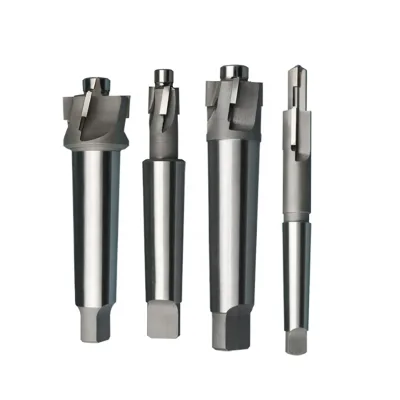
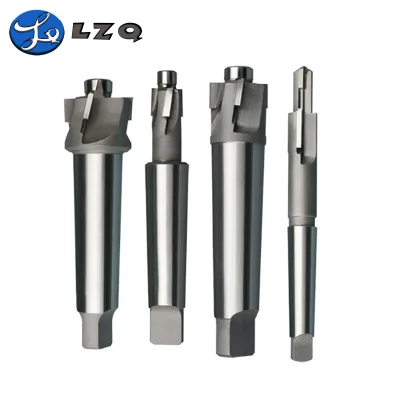
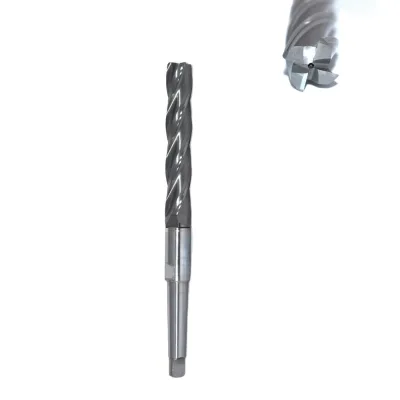
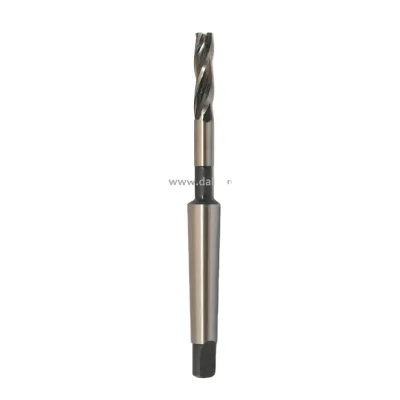


Comprehensive Sourcing Guide
Countersink Step Drill for Metal Sourcing Guide
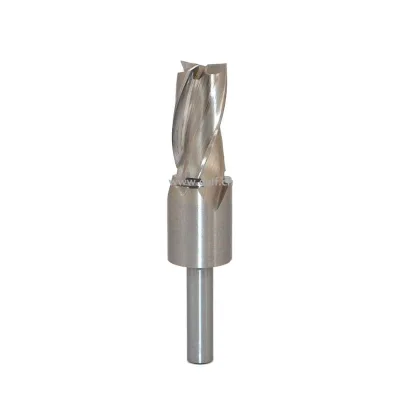
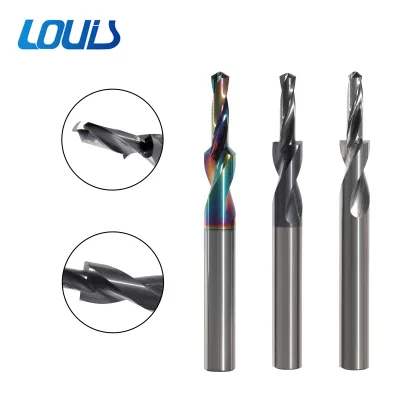
Procuring countersink step drills for metal requires a clear understanding of the specific tool geometry and material compatibility needed for your machining operations. These tools are designed to create conical recesses for screw heads, ensuring a flush finish on metal surfaces. Buyers must distinguish between standard countersink bits and step drills, as the latter often combines drilling and countersinking in a single operation. The supplied data indicates that available products range from 4.3mm to 100mm in size, covering both metric and inch specifications. This wide range suggests that sourcing strategies must account for diverse project requirements, from small precision electronics to large industrial fabrication.
The market offers significant customization options, with suppliers providing OEM and ODM support to meet unique operational needs. Materials vary from High Speed Steel (HSS) to stainless steel and tungsten carbide, each offering different durability and cost profiles. HSS tools are common for general-purpose metal drilling, while tungsten carbide provides superior hardness for more demanding applications. Buyers should verify the exact material composition and hardness ratings, such as the observed 64 HRC standard, to ensure the tool can withstand the specific stress and heat generated during metal drilling. Customization extends to packing, with options including plastic boxes, tubes, and wood cases, which may impact logistics and storage decisions.
Product Scope and Observed Listing Signals
The observed product listings reveal a broad spectrum of countersink and drill bit configurations, primarily focused on metal drilling applications. Key attributes include jobber-length specifications and various model types such as type A, B, R, and GMA006-3. The presence of both customized and non-customized options indicates a flexible supply chain capable of handling standard and bespoke orders. Buyers should note that the term "countersink step drill" may encompass flat countersinks, center drill bits, and combined work type tools. The listing signals suggest that many suppliers offer free samples, which is a critical step for validating tool performance before committing to larger orders.
Packing methods vary significantly, ranging from individual plastic boxes to industrial wood cases, reflecting different shipping and handling requirements. The origin of these products is predominantly from Chinese manufacturing hubs, including Zhenjiang, Jiangsu, Danyang, and Shanghai. This geographic concentration implies a mature supply chain with established logistics networks. However, buyers must verify the specific place of origin for each order, as quality control standards may vary between regions. The observed price range of $0.19 to $35 USD highlights the disparity between basic HSS tools and more complex, high-hardness carbide variants, necessitating careful budget alignment with technical requirements.
Technical Specifications to Verify
Verifying technical specifications is paramount to ensuring tool compatibility and performance. Buyers must confirm the exact size range, which spans from 1mm to 100mm, and ensure the selected tool matches the required hole diameter and countersink angle. The standard offerings include API, AISI, JIS, and DIN specifications, which are critical for international compliance and interoperability. It is essential to verify whether the tool is designed for metric or inch systems, as mixing these can lead to significant machining errors. The working length and model number, such as CD36545, should be cross-referenced with machine tool capabilities to ensure proper fit and operation.
Material selection directly impacts tool life and cutting efficiency. High Speed Steel is a common choice for general metal drilling, offering a balance of toughness and wear resistance. For harder metals or high-volume production, tungsten carbide or stainless steel variants may be necessary. Buyers should request detailed material certificates to confirm hardness levels, such as the observed 64 HRC rating. Additionally, the finish and surface treatment of the drill bit should be verified, as these factors influence friction and heat dissipation during use. Customization options for working length and model type allow for tailored solutions, but these must be clearly defined in the purchase order to avoid discrepancies.
Compliance and Safety Documentation
Compliance with international standards is a non-negotiable aspect of industrial tool procurement. Buyers must ensure that the countersink drills meet relevant API, AISI, JIS, and DIN standards, which govern dimensions, tolerances, and performance criteria. These standards ensure that the tools are compatible with global machinery and can be safely integrated into existing production lines. Documentation should include material test reports and hardness certifications to verify that the product meets the specified 64 HRC or other agreed-upon hardness levels. Without proper compliance documentation, buyers risk encountering quality issues, tool failure, or safety hazards during operation.
Safety documentation also extends to the packaging and handling of the tools. The observed packing methods, including plastic boxes, tubes, and wood cases, must comply with international shipping regulations to prevent damage during transit. Buyers should verify that the packaging protects the sharp edges of the drill bits, reducing the risk of injury during unpacking. Additionally, suppliers should provide clear labeling and handling instructions, especially for customized or OEM products. Ensuring that all documentation is in English and aligns with local regulatory requirements is crucial for smooth customs clearance and workplace safety compliance.
Cost Drivers and Commercial Terms
Cost drivers for countersink step drills include material composition, manufacturing complexity, and order volume. High Speed Steel tools are generally more affordable than tungsten carbide variants, which offer superior durability but at a higher price point. The observed MOQ range of 1 to 3000 units allows for flexibility, but larger orders often benefit from economies of scale. Buyers should negotiate based on the total volume and customization requirements, as OEM and ODM services may incur additional setup costs. The price range of $0.19 to $35 USD reflects these variations, with basic tools at the lower end and specialized, high-hardness tools at the higher end.
Commercial terms such as lead time and payment conditions are critical for supply chain planning. The observed delivery time of 15-45 days indicates that buyers should plan for potential delays, especially for customized orders. It is advisable to clarify the exact lead time for each order, as this can vary based on production capacity and material availability. Payment terms should be negotiated to balance risk and cash flow, with options like letters of credit or partial upfront payments being common in international trade. Buyers should also consider the cost of shipping and insurance, which can significantly impact the total landed cost of the tools.
Supplier Qualification and Quality Control
Supplier qualification is essential to ensure consistent quality and reliable delivery. Buyers should verify the supplier's manufacturing capabilities, including their experience with HSS and tungsten carbide tools. The presence of OEM and ODM support indicates a mature production process, but buyers must assess the supplier's quality control systems. Requesting samples is a critical step, as it allows for direct testing of the tool's performance, hardness, and dimensional accuracy. The observed availability of free samples facilitates this verification process, enabling buyers to make informed decisions before committing to large orders.
Quality control should extend to the packaging and labeling of the products. Buyers must ensure that the packing methods, whether plastic boxes or wood cases, protect the tools from damage during transit. Clear labeling with model numbers, sizes, and material specifications is essential for inventory management and traceability. Suppliers should provide certificates of conformity and material test reports to verify compliance with agreed-upon standards. Regular audits and performance reviews of suppliers can help maintain high quality standards and identify potential issues early in the procurement process.
Long-Term Procurement Checks
Long-term procurement success depends on continuous monitoring of supplier performance and product quality. Buyers should establish key performance indicators (KPIs) such as on-time delivery, defect rates, and customer support responsiveness. Regular feedback loops with suppliers can help identify areas for improvement and foster a collaborative relationship. The observed warranty of 3 years for some products suggests a commitment to quality, but buyers should verify the terms and conditions of these warranties to ensure adequate protection. Tracking tool performance in actual machining operations can provide valuable data for future procurement decisions.
Adapting to changing market conditions and technological advancements is crucial for long-term competitiveness. Buyers should stay informed about new materials, coatings, and designs that may offer improved performance or cost savings. The ability to customize tools through OEM and ODM services allows for tailored solutions that meet evolving operational needs. Regularly reviewing and updating procurement strategies ensures that the organization remains agile and responsive to market changes. By maintaining a focus on quality, compliance, and supplier relationships, buyers can secure a reliable supply of high-performance countersink step drills for metal applications.
FAQs
What materials are used for countersink step drills?
Countersink step drills are primarily manufactured from High Speed Steel or Tungsten Carbide. Some variants also utilize stainless steel for specific applications. These materials ensure durability and heat resistance during metal drilling operations, allowing for precise countersinking in various industrial settings.
Can I customize the size of these drills?
Yes, customization is available for these countersink drills. The size range typically spans from 4.3mm to 100mm, with specific models covering 1mm to 10mm or 1/8 to 3 Inch. Buyers can request specific dimensions to match their exact machining requirements and tooling setups.
What is the typical lead time for delivery?
The typical delivery time for these products ranges from 15 to 45 days. This timeframe allows for manufacturing and quality assurance processes. Buyers should confirm specific lead times with suppliers, as production schedules may vary based on order volume and current factory capacity constraints.
Which standards do these drills comply with?
These drills comply with major international standards including API, AISI, JIS, and DIN. This ensures compatibility with global machining equipment and quality expectations. The standards cover dimensional accuracy and material properties, providing reliability for industrial metal drilling and countersinking tasks across different regions.
What packaging options are available for these tools?
Packaging options include plastic boxes, plastic tubes, and wood cases. Some suppliers offer industrial packaging or adjustments according to customer requirements. This flexibility ensures safe transport and storage, protecting the precision edges of the drills during shipping and handling to prevent damage before use.
Are free samples available for testing?
Free samples are available for potential buyers to test product quality. This allows evaluation of the drill's performance in metal drilling applications before placing larger orders. Buyers should contact suppliers directly to arrange sample requests, ensuring the specific model meets their operational needs and specifications.