Source Double Flute Hammer Drilling Bit for DTH, Well, and Rock Drilling
Find 30 Double Flute Hammer Drilling Bit options for DTH, well, and rock drilling. Compare stainless steel and tungsten carbide models from China with ISO 9001 certification and custom packaging; compare the available evidence and request quotations based on your requirements.
Updated
Key considerations
Products List


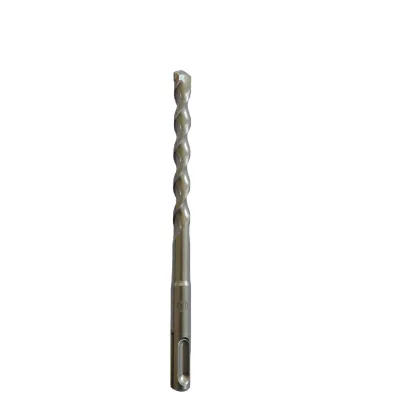


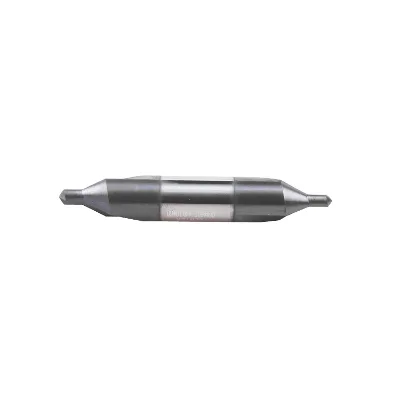
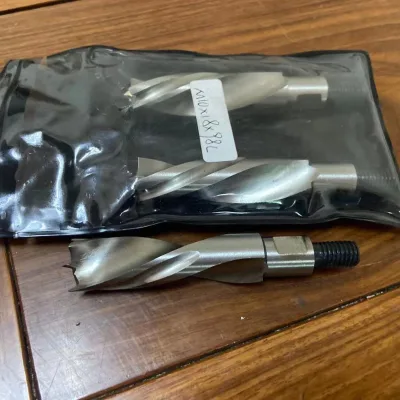


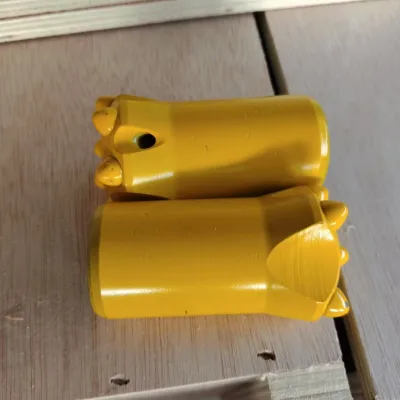

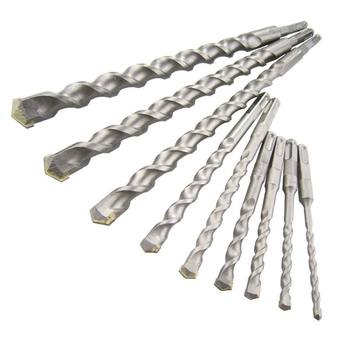
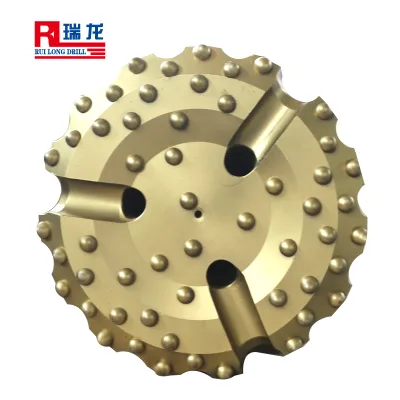
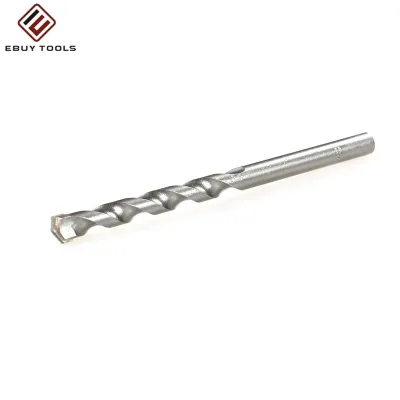
Hammer With Drill Bit. Drill Bit for Geological Exploration Drilling Bits
$160.00 - $200.00
MOQ: 10 sets



Comprehensive Sourcing Guide
Double Flute Hammer Drilling Bit Sourcing Guide
Procuring double flute hammer drilling bits requires careful attention to the specific drilling environment, as these tools are primarily engineered for DTH (Down-The-Hole) drilling applications in rock and masonry. The observed market data indicates that these bits are often manufactured from high-grade materials like stainless steel, tungsten carbide, or alloy steel, each offering distinct durability profiles for different geological conditions. Buyers must align their selection with the intended use area, whether it involves well drilling, metal drilling, or general rock excavation, to ensure optimal performance and longevity.
The supply chain for these specialized tools is dominated by manufacturers in China, with major production hubs located in regions like Jiangsu. Sourcing decisions should account for the fact that customization is widely available, allowing buyers to specify unique dimensions, flute configurations, or surface treatments to match their specific rig requirements. Understanding the origin and the specific manufacturing process, such as forging, is critical for assessing the structural integrity of the bit before committing to a large-scale order.
Product Scope and Observed Listing Signals
The product listings reveal a diverse range of specifications, with models varying from standard options to highly customized configurations like the ND55A or specific dimensions such as 6x110 mm. Buyers will encounter a wide price spectrum, ranging from as low as $0.04 to $5,800, which reflects the significant variance in material quality, manufacturing complexity, and the inclusion of value-added services like OEM or ODM support. This broad range necessitates a clear definition of requirements to avoid overpaying for unnecessary features or under-specifying for demanding operational environments.
Listing signals also highlight the importance of packaging and logistics, with options including wooden boxes, wooden cases, or cartons depending on the supplier's standard. The minimum order quantity (MOQ) is flexible, starting as low as one unit, which facilitates sampling and small-batch testing before scaling up to larger procurement volumes. However, buyers should verify the supply ability, as some suppliers claim capacities of 50,000 pieces per day, while others may have different production constraints that could impact lead times for urgent orders.
Technical Specifications to Verify
Technical verification must begin with the material composition, as the observed data lists stainless steel, tungsten carbide, and alloy steel as primary options for these drilling bits. The choice of material directly influences the bit's resistance to wear and its ability to penetrate specific rock types, making it essential to confirm the exact alloy or carbide grade before finalizing a purchase. Additionally, the surface treatment, which may include polishing, spray-painting, or a plain finish, plays a crucial role in corrosion resistance and the overall lifespan of the tool in harsh drilling conditions.
Buyers must also scrutinize the physical dimensions and flute geometry, ensuring they match the requirements of their specific DTH drill rig. The observed listings mention matched drill rigs and specific working lengths, indicating that compatibility is not universal across all models. Verification of the drill type, whether it is a core drill bit, twist drill bit, or a specialized DTH hammer bit, is vital to ensure the tool functions correctly within the intended mechanical system and delivers the expected drilling efficiency.
Compliance and Safety Documentation
Compliance verification should focus on the presence of recognized manufacturing standards, with ASTM, API, DIN, and AISI standards appearing frequently in the product data. These standards provide a baseline for quality and safety, ensuring that the drilling bits meet international requirements for structural integrity and performance. Buyers should request specific documentation proving that the product adheres to the relevant standard for their region and application, rather than relying on generic claims of compliance.
Quality assurance processes are equally critical, with some suppliers offering video outgoing-inspection services to provide transparency into the final manufacturing stages. The presence of ISO 9001 certification, specifically the 2015 version, indicates a commitment to consistent quality management systems, which is a strong indicator of a reliable supplier. However, buyers must verify that the certification is current and applicable to the specific product line being purchased, ensuring that the quality controls extend to the actual items in the shipment.
Cost Drivers and Commercial Terms
Cost drivers for double flute hammer drilling bits are heavily influenced by the material selection and the level of customization required. Tungsten carbide and specialized alloy steels typically command higher prices due to their superior hardness and wear resistance, while standard stainless steel options may be more cost-effective for less demanding applications. Customization, including specific branding, unique flute designs, or tailored packaging, adds to the overall cost but can provide significant operational advantages that justify the investment for specialized projects.
Commercial terms such as the minimum order quantity (MOQ) and payment conditions vary significantly among suppliers, with some accepting orders as low as a single unit. The port of dispatch, often Shanghai Port, and the packaging details, ranging from wooden cases to cartons, also impact the final landed cost and logistics planning. Buyers should negotiate clearly on these terms to avoid unexpected expenses, ensuring that the total cost of ownership includes all necessary shipping and handling fees associated with the specific order volume.
Supplier Qualification and Quality Control
Supplier qualification should prioritize manufacturers with a proven track record in forging processes, as this method is frequently cited in the product data and is essential for creating durable drilling bits. The ability to provide OEM and ODM support suggests a level of flexibility and technical capability that is valuable for buyers with unique requirements. Verifying the supplier's location, such as Jiangsu, China, and their specific production capabilities helps in assessing their capacity to meet demand and maintain consistent quality over time.
Quality control measures must be robust, with a focus on the inspection of finished products before dispatch. The availability of video outgoing-inspection is a positive signal, allowing buyers to visually verify the condition and specifications of the bits prior to shipment. Additionally, checking for certifications like ISO 9001:2015 ensures that the supplier follows a standardized quality management system, reducing the risk of receiving defective or non-compliant products that could disrupt drilling operations.
Long-Term Procurement Checks
Long-term procurement success depends on establishing a reliable supply chain that can consistently deliver high-quality drilling bits over extended periods. Buyers should monitor the supplier's ability to maintain their supply ability, such as the claimed 50,000 pieces per day, to ensure they can scale production as project needs grow. Regular audits of the manufacturing process and quality control protocols are necessary to maintain the high standards required for critical drilling applications.
Performance tracking is also essential, requiring buyers to document the lifespan and efficiency of the bits in real-world conditions. Comparing the actual performance against the claimed specifications, such as material hardness and surface treatment durability, helps in making informed decisions for future orders. By maintaining a detailed record of supplier performance and product outcomes, buyers can optimize their procurement strategy and ensure a steady supply of reliable drilling tools for their operations.
FAQs
What materials are used for double flute hammer drilling bits?
These bits are typically manufactured from high-grade stainless steel or tungsten carbide to ensure durability under high-impact drilling conditions. Alloy steel variants are also available for specific applications. The choice of material depends on the target rock hardness and the required wear resistance for long-term operational efficiency.
Can these bits be customized for specific drilling requirements?
Yes, customization is available for double flute hammer drilling bits to meet unique project specifications. Buyers can request OEM or ODM support to tailor dimensions, flute designs, and surface treatments. This flexibility allows for precise matching with specific DTH drill rigs and ensures optimal performance in diverse geological formations.
Which standards do these drilling bits comply with?
Manufacturing processes adhere to recognized international standards including ASTM, API, DIN, and AISI. These standards ensure consistent quality and interoperability with global drilling equipment. Compliance with ISO 9001:2015 further validates the rigorous quality control measures implemented during the forging and polishing stages of production.
What is the minimum order quantity for these bits?
The minimum order quantity starts at just one piece, allowing for flexible procurement for both small trials and large-scale projects. This low MOQ facilitates easy testing of product performance before committing to bulk orders. It supports diverse buyer needs ranging from individual contractors to large industrial drilling operations.
How are these drilling bits packaged for shipping?
Products are securely packaged in wooden boxes or wooden cases to prevent damage during transit. Some variants may be packed in cartons depending on the specific model and size. This robust packaging ensures that the precision-ground surfaces and critical dimensions remain intact upon arrival at the destination port.
Where are these drilling tools manufactured?
These drilling tools are manufactured in China, with specific origins noted in regions like Jiangsu. The production facilities utilize advanced forging and polishing techniques to achieve high-quality finishes. This location supports efficient global supply chains and competitive pricing for international buyers seeking reliable drilling solutions.