Car Buffing Foam Pad Suppliers and Manufacturers
Compare 16 suppliers of Car Buffing Foam Pad by location, lead time, and certifications like CE or SGS. Review product specifications including size and material to find the right fit for your sourcing needs; review the available evidence before requesting comparable quotations from suitable candidates.
Suppliers List

- Trading Company
- China Fujian
- Lead time0 days
- Avg. response≤ 14h
Main productsRespirators and Masks, 3m Industrial and Safety Products, Safety Shoes and Boots, Safety Helmet, Safety Goggles, Safety Golves, Safety Tolls and Traffic Equipment, Abrasives and Polishing Material, Safety Clothing and Uniforms


Car Care Flat Polishing Foam Pad
MOQ: 1000 Pieces

Dongguan Kaibao Precision Machinery Co., Ltd.
- Verified by SGS
- Manufacturer/Factory
- China Guangdong
- Lead time15 days
- Avg. response≤ 4h
Main productsAir Sander, Air Angle Grinder, Air Die Grinder, Air Screwdriver, Air Mini Grinder, Air Wrench, Air Spray Gun, Air Riveter, Air Drill, Sanding Pad&Abrasive Parts
Main marketsSouth America,Eastern Europe,Mid East,North America,Southeast Asia,Eastern Asia,Oceania,Western Europe,Africa
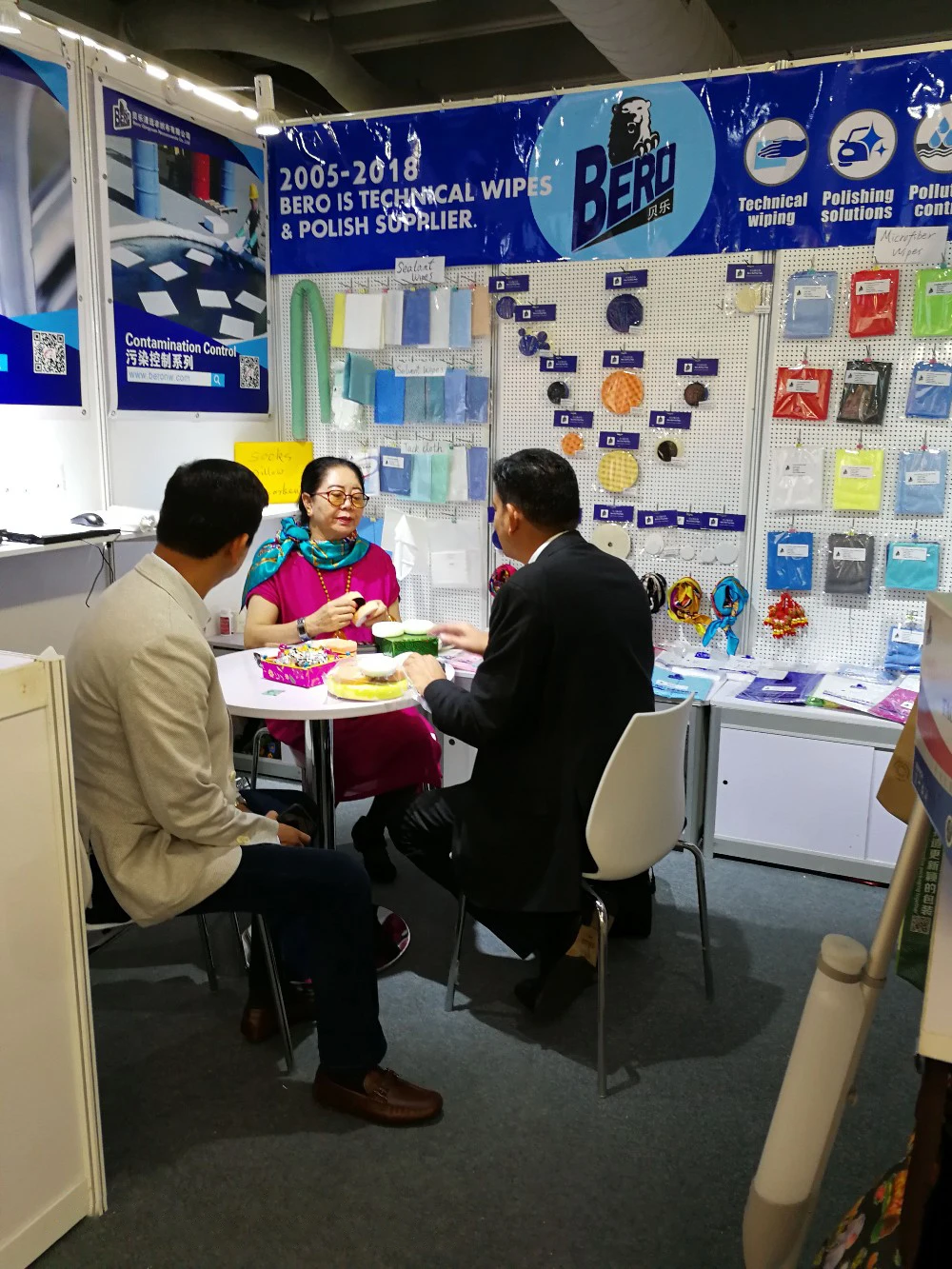
Bero (Qingyuan) Nonwovens Co., Ltd.
- Manufacturer, Trading Company
- Guangdong, China
- Lead time30 days
- Avg. response≤ 9h
Main productsIndustrial Lint-free Wipes (Including Tack Rag),Polishing Pads,Industrial Lint-free Protective Apparels (Including Robot Cover),industrial wipes,micro fiber wipes
Main marketsWestern Europe(54.00%), Domestic Market(45.74%), North America(0.18%), South Asia(0.08%)

Zhenjiang Suran Tools Co., Ltd.
- Verified by TUVRHEINLAND
- Manufacturer/Factory
- China Jiangsu
- Lead time45 days
- Avg. response≤ 9h
Main productsPolishing Pad, Tack Cloth, Sanding Block, Wave Tack Cloth, Wool Polishing Pad, Foam Polishing Pad, Backing Plate, Painting Accessory, Paint Mixing Ruler, Masking Film
Main marketsSouth America,Eastern Europe,Mid East,North America,Southeast Asia,Eastern Asia,Oceania,Western Europe,Africa

Shanghai Anma Industry Co., Ltd.
- Trading Company
- China Shanghai
- Lead time30 days
- Avg. response≤ 4h
Main productsCar Accessories, Car Spare Parts, Car Tools, Car Interior Accessories, Car Exterior Accessories, Car Electrical Accessories, Car Lights, Car Mirror, Car Emergency Kits, Car Care Products
Main marketsSouth America,Others(foreignTradeCapacity.exportBusinessCapacityMarketOther),Southeast Asia/ Mideast,Europe,North America

Dongguan Karlux Precision Machinery Science and Technology Co., Ltd.
- Manufacturer/Factory
- China Guangdong
- Lead time15 days
- Avg. response≤ 3h
Main productsAir Tool, Air Sander, Air Spray Gun, Air Riveter, Air Wrench, Air Screwdriver, Abrasives, Sanding Pad, Electric Sander, Air Grinder
Main marketsSouth America,Eastern Europe,Mid East,North America,Southeast Asia,Eastern Asia,Oceania,Western Europe,Africa


6inch Sponge Foam Pad for Car Polishing and Waxing
MOQ: 1 Pieces

Foshan Sumeite Grinding Technology Co., Ltd.
- Verified by Intertek
- Manufacturer, Trading Company
- Lead time15 days
Main productsFoam Polishing Pad, Wool Polishing Pad, Backing Plate, Car Washing Mud, Magic Clay Pad
Main marketsDomestic Market(39%), Southeast Asia(16%), North America(10%)

Yongkang Boxuan Tools Co., Ltd.
- Verified by SGS
- Combined
- China Zhejiang
- Lead time23 days
- Avg. response≤ 3h
Main productsCar Polishing Machine
Main marketsEurope

Anhui Shineopen Auto Products Co., Ltd
- Verified by BV
- Manufacturer/Factory
- China Anhui
- Lead time23 days
- Avg. response≤ 6h
Main productsCar Care Products, Car Detailing Products, Car Wash Microfiber Towel, Car Drying Products, Foam Cannon, Car Polisher, Foam Polishing Pad, Wool Buffing Pad, Car Wash Mitt, Wheel Brush
Main marketsSouth America,Eastern Europe,Mid East,North America,Southeast Asia,Eastern Asia,Oceania,Western Europe,Africa


Shineopen Double Sides High Quality Wool Buffing Pad Car Buffing Wool Pad
$5.80 - $7.59
MOQ: 50 pieces

Promotion Maroon Car Foam Pad Buffing 6 Inch Polishing Pads Car Detailing Buffing Pad OEM Acceptable
$1.50 - $4.50
MOQ: 100 pieces

$2.00 - $3.50
MOQ: 50 pieces

Hebei Hongjie International Trade Co., Ltd
- Verified by SGS
- Combined
- China Hebei
- Lead time15 days
- Avg. response≤ 9h
Main productsSponge Polishing Pads, Wool Polishing Pads, Car Polishing Pads, Wool Cutting Polishing Pads, Car Detailing Supplies
Main marketsAustralia,North America


1"2"3" Foam Buffing Pad Kit 15PCS/Set Sponge Polishing Pad for Car Detailing Other Car Care Products
$5.00 - $5.90
MOQ: 10 Sets

Sponge Polishing Pads Kits Buffing Pads for Car Care Foam Car Polishing Pad
$1.30 - $1.50
MOQ: 100 Pieces

Tyrecar Shield Car Polishing Pad Foam Sponge Polishing Cone Shaped Buffing Pads for Wheel
$1.00 - $1.50
MOQ: 10 Pieces

Ningbo Godeson instrument Technology Co., Ltd.
- Combined
- China Zhejiang
- Lead time30 days
- Avg. response≤ 14h
Main productsTire Pressure Gauge, Tire Tools, Tire Valve Caps, Tire Valve Stem, Tire Tread Gauge, Pressure Gauge, Air Chuck
Main marketsSouth America,Africa,Southeast Asia/ Mideast,East Asia(Japan/ South Korea),Domestic,Europe,Australia,North America


5 Inch Autobody Foam Polishing Buffing Pads Sanding Pads for Wall Paint Repair
$0.57 - $0.69
MOQ: 1 Pieces

Beijing Ulike Technology Co., Ltd.
- Trading Company,Manufacturer/Factory
- China Beijing
- Lead time23 days
- Avg. response≤ 7h
Main productsHome Storage, Laundry and Kitchen Products
Main marketsSouth America,Mid East,North America,Southeast Asia,Eastern Asia,Western Europe
Hubei Bern Import & Export Co., Ltd.
- Trading Company
- Hubei, China
- Lead time30 days
- Avg. response≤ 13h
Main productsauto mobiles,polishing pads,car wash items,polishers
Main marketsNorth America(30.00%), Eastern Europe(30.00%), South America(20.00%), Oceania(10.00%), Southeast Asia(10.00%)

Jinan Soft Fur Products Co., Ltd.
- Trading Company
- Shandong, China
- Lead time7 days
- Avg. response≤ 1h
Main productsSheepskin Pillow,Car Polishing Pad,Sheepskin Slippers,Sheepskin Rug,Raccoon Fur
Main marketsNorth America(15.00%), Southern Europe(10.00%), Central America(10.00%), Western Europe(10.00%), Northern Europe(10.00%), South America(10.00%), Southeast Asia(8.00%), Eastern Europe(8.00%), South Asia(5.00%), Eastern Asia(5.00%), Mid East(3.00%), Domestic Market(2.00%), Oceania(2.00%), Africa(2.00%)

Shanghai Techway Industrial Co., Ltd.
- Verified by BV
- Trading Company,Manufacturer/Factory
- China Shanghai
- Lead time45 days
- Avg. response≤ 8h
Main productsSanders, Polishers, Vacuum Cleaner, Car Films, Sandpaper, Pdr Tools, Tile Cutter, Tile Vibrator, Hot Glue Gun, Suction Cup
Main marketsSouth America,Eastern Europe,Mid East,North America,Southeast Asia,Eastern Asia,Oceania,Western Europe,Africa
Jinan Enying Abrasive Tools Co., Ltd.
- Manufacturer, Trading Company
- Lead time旺季: "1 - 658":8,"> 658":"To be negotiated", 淡季: "1 - 658":8,"> 658":"To be negotiated"
Main productsFlap Discs, Cutting Disc, Sanding Discs, Fiber Discs, Aluminium oxide


Comprehensive Sourcing Guide
Car Buffing Foam Pad Supplier Concentration and Factory Types
Suppliers of car buffing foam pads on international B2B platforms cluster heavily in mainland China, and the current results reflect two distinct sourcing bases: Fujian and Guangdong. Location matters because it shapes what you are buying into. The Fujian-based company in these results is listed as a trading company whose main products span respirators, safety shoes, helmets, goggles, abrasives, and vehicle accessories, with foam polishing pads appearing as one line among many. The Guangdong company is listed as a manufacturer/factory focused on air tools — sanders, angle grinders, die grinders, spray guns — with sanding pads and abrasive parts as a core category. That contrast is typical of this category: pad makers often sit alongside abrasive or power-tool accessory producers rather than as standalone foam specialists.
When screening listings, read the company type field before the product photos. A trading company can still be a good source if it consolidates pads with other car-care or safety items, but expect it to pass your specifications to an underlying factory. A factory listing gives you direct access to tooling, density control, and wave or curl face designs. One Guangdong manufacturer here advertises its own brand plus OEM and ODM capability, which signals mold and formulation flexibility. If no cluster data is shown for a supplier, ask directly where the pads are produced and whether the same site handles other abrasive lines, since co-located abrasive production usually indicates genuine foam-processing capability.
How to Verify Car Buffing Foam Pad Suppliers
Start with the platform's verification layer, because it is the only evidence you have before sampling. In these results, one supplier carries a third-party verification label, while others show no such flag — never assume a badge exists. Next, use response time as an operational proxy: the verified Guangdong factory shows a response time of about four hours, while the Fujian trading company shows roughly thirteen. A slow responder during the quoting stage will likely be slower during production issues. Check lead time where displayed; the factory shows about fifteen days, while the trading company's lead time field is empty, which itself is a data point to probe.
Then verify claims against product-level evidence. Several pad listings state CE certification, and one manufacturer's products list CE, SGS, and ISO as production standards — but a listing attribute is a claim, not a certificate. Request the actual certificate PDFs, confirm the certificate holder's name matches the entity you are contracting with, and check validity dates. Ask whether testing covered the foam itself or only the associated polisher, since some listings bundle a 90W, 220V machine with pads and the certification may attach to the machine. Finally, request the registered establishment year and business license, confirm the factory address with a video walkthrough or third-party audit, and match the bank account name to the license. Suppliers unwilling to align these three items should be excluded regardless of price.
What to Compare Across Car Buffing Foam Pad Suppliers
Build a comparison table using only attributes actually displayed, since suppliers publish different fields. Useful dimensions here include location, company type, verification status, response time, lead time, and main product lines. On the product rows, compare declared specifications rather than photos: size availability (one manufacturer lists 3, 4, 5, 6, and 7.5 inch wave pads, another lists up to 8 inch), density grades (high, medium, and soft are explicitly offered), face type (curl versus flat), backing material, and thickness. Customization availability is listed on most pads in these results, so treat its absence as a differentiator.
Price and MOQ comparisons must respect the ranges shown. Listed unit prices for foam pads in this data span roughly $0.20 to $3.30 depending on model and size, and MOQs range from 100 pieces on one wave pad to 500 and 1,000 on others — with one manufacturer advertising a 500-piece MOQ directly in its attributes. Never average these; compare like-for-like models at the same diameter and density. Also compare packaging terms, since one supplier specifies PP bag inside and carton outside, which protects soft foam in transit. Finally, compare stated delivery terms: one listing quotes 15–25 working days, a different figure from the account-level lead time, so clarify whether quoted lead times cover sampling, mass production, or both before ranking suppliers.
Common Car Buffing Foam Pad Sourcing Risks
The most frequent risk in this category is specification drift. Foam pads are judged by density, cell structure, and retention of shape under heat, none of which appear reliably in listings. A supplier may substitute a softer sponge grade between your approved sample and mass production, and the difference is invisible in a photograph. Counter it by retaining signed golden samples, specifying density by measured values rather than words like "soft," and requiring a pre-shipment sample cut from the production batch. Second is certification ambiguity: listings here display CE as an attribute, but CE does not clearly apply to a passive foam pad, so unverified badge claims on car accessories deserve extra skepticism.
Quantity and compatibility risks follow. If your pads are sold bundled with a 90W, 220V polisher, note that 220V AC power limits resale in 110–120V markets and may require redesign or separate sourcing of machines. Backing systems matter too: hook-and-loop attachment must match your customers' polishers, and adhesive-backed pads add glue-quality risk. Also watch for mixed-scope suppliers — a safety-products trading company carrying pads among helmets and gloves may have thin technical knowledge, so route specification questions to the actual producer. Finally, pricing that sits far below the $0.20–$3.30 ranges visible here often signals lower foam quality or recycled material; validate with density measurement and a heat-deformation test before committing to volume.
Car Buffing Foam Pad Regional Sourcing and Logistics
The two regional profiles in these results illustrate why origin shapes logistics. A Guangdong factory sits close to major export ports and to the tool supply chain, which suits buyers ordering pads with polishers or air tools. A Fujian trading company consolidating safety and car-care goods may offer one-container convenience across categories, but goods from its underlying factories can originate elsewhere, adding internal transit before export. Neither profile is inherently better; the question is where value is added and where your goods actually ship from, so confirm the ex-works point before quoting freight.
Lead-time evidence here is limited but instructive. The factory shows an account-level lead time of about fifteen days, while one product listing states 15–25 working days for customized foam pads — a plausible span for made-to-order sizes such as 2 through 7 inch or custom diameters in the 50–180mm range. Trading-company lead time fields may be blank, so you must build the timeline from the producer. Foam pads are lightweight and compressible, which favors volume-optimized carton packing; ask whether pads ship nested or with spacers to prevent face deformation. Confirm Incoterms (FOB versus EXW) early, since a factory near port quotes very differently from an inland production site. Finally, for repeat orders, agree on a production calendar that reserves foam-processing capacity in peak season, when abrasive and car-care lines compete for the same curing and die-cutting time.
Car Buffing Foam Pad Commercial Terms and Order Planning
Plan orders around the MOQ evidence rather than assumptions. In these results, one Guangdong wave pad lists an MOQ of 100 pieces at up to $0.20, another pad lists 500 pieces, and a Fujian listing shows 1,000 pieces at $0.20–$3.30, with a separate line advertising a 500-piece MOQ. For a first order, a small paid trial lot at the higher effective unit price is usually cheaper than a large order against unverified quality. Where customization is offered — and most listings here state it is available — expect MOQs and prices to move against you for custom colors (white, black, red are one supplier's stated standard colors), custom diameters, or private-label packaging, all of which were declared as customized options.
On commercial structure, protect payment with escrow or a staged arrangement where the platform offers it; do not assume escrow coverage exists for any given supplier. One verified factory here supports own-brand, OEM, and ODM, so negotiate tooling ownership and re-order terms for molds up front. Confirm packing in writing — PP bag inside, carton outside was quoted by one supplier — and align the delivery window (15–25 working days appears in one listing) with your launch dates, adding buffer for customs. Finally, lock price validity against raw-material movement, since foam pricing responds to petrochemical cycles, and specify inspection rights so density and diameter checks can be enforced contractually rather than requested informally.
Word count check: sections approximately 229, 228, 231, 233, 228, 230 = ~1379 total. Within 1350–1450.
FAQs
What sizes do car buffing foam pads typically come in?
Common sizes range from 3 inches to 8 inches in diameter, with 5, 6, and 7 inch pads being the most popular for car polishing work. Smaller pads suit tight panels and spot correction, while larger 7 to 8 inch wave pads cover hoods and roofs faster. Many suppliers also offer customized diameters on request.
What is the typical minimum order quantity for foam polishing pads?
Minimum order quantities generally start around 100 pieces for standard Car Buffing Foam Pad models, while other listings set MOQs of 500 to 1000 pieces. Lower MOQs usually apply to stock colors and sizes, whereas customized pads with specific colors, logos, or packaging often require higher volumes. Confirm MOQ terms before requesting samples.
Can suppliers customize foam pads with my brand and packaging?
Yes, customization is widely available among listed suppliers, covering colors, sizes, packaging, and product standards. Options include white, black, red, or custom colors, PP bag inner packing with cartons, and fully customized packing solutions. Discuss logo printing, private labeling, and carton marking requirements early, as these affect both cost and production scheduling.
How long does production and delivery usually take?
One listed manufacturer reports a 15-day lead time, while a foam polishing pad listing quotes 15 to 25 working days for delivery. Actual timelines depend on order quantity, customization level, and current production schedules. Request a written production timeline and factor in shipping time to your destination port before planning inventory.
Which certifications should I check before ordering buffing pads?
Look for CE certification on product listings, and note that some manufacturers state compliance with CE, SGS, and ISO standards. Verification status such as SGS audits can add confidence in a supplier's operations. Always request copies of current certificates and confirm they cover the specific pad models and materials you intend to purchase.
What foam density options are available for waxing and buffing?
Suppliers offer high, medium, and soft density sponge options, letting you match pads to specific tasks. Soft foam works well for applying wax and final finishing, medium density handles general polishing, and high density suits cutting and compound work. Face types such as curl or wave patterns also influence how product is spread and finished.
How quickly do suppliers respond to sourcing inquiries?
Response times vary noticeably between suppliers. One verified manufacturer in Guangdong responds in around 4 hours on average, while a Fujian trading company averages roughly 13 hours. Faster responders help during sampling and production stages, so weigh response speed alongside price and quality when shortlisting suppliers for your pad orders.
Should I buy from a manufacturer or a trading company for foam pads?
Manufacturers offer direct factory pricing, OEM and ODM capability, and sometimes their own brands, which suits larger or customized orders. Trading companies aggregate product categories like safety gear and abrasives and may simplify mixed procurement. Both can deliver quality pads, so compare quoted prices, customization depth, and lead times before committing.