Source Countertop Stand for Supermarkets, Exhibitions, and Specialty Stores
Explore 30 options for Countertop Stand units designed for supermarkets, exhibitions, and specialty stores. Buyers can compare materials like paper, acrylic, and wood, along with customization features and packaging details to find the right display solution.
Key considerations
Products List


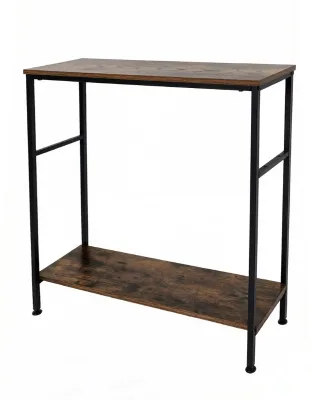
4 Tier Wooden Display Rack Wooden Countertop Rack Product Display Stand
$100.00 - $150.00
MOQ: 100 Pieces


$1.50 - $2.00
MOQ: 1 Square Meters

$1.60 - $2.00
MOQ: 1 Square Meters


Comprehensive Sourcing Guide
Countertop Stand Sourcing Guide
Selecting the right Countertop Stand requires a clear understanding of the specific retail environment and the products intended for display. The observed market data indicates that these units are primarily designed for indoor use in exhibition shows, specialty stores, supermarkets, and general retail locations. Buyers must distinguish between stands intended for cosmetics and those designed for ornaments, as the structural requirements and material choices often differ significantly between these product categories.
The procurement strategy should account for the diverse material landscape available, ranging from paper and acrylic to wood-based constructions. While some models are engineered for flat packing to minimize shipping volume, others arrive fully assembled or require simple connection methods. Understanding whether the display unit needs to be foldable or if a rigid, floor-type structure is preferred is essential before engaging with suppliers, as these attributes directly impact logistics costs and on-site setup efficiency.
Product Scope and Observed Listing Signals
The current market for countertop stands reveals a wide spectrum of customization options, with many suppliers offering tailored dimensions and design services. Buyers will encounter models with specific product codes such as PDQ18, DC-P008, and various NCT series identifiers, each potentially serving different display needs. The availability of customized sizes and the option to include logos through printing, engraving, or stickers are standard features that allow retailers to align the display units with their brand identity.
Observations of the product listings show that while some units are explicitly marked as non-antitheft, others emphasize durability and sturdy structures suitable for high-traffic areas. The packaging methods vary from simple flat packing to more robust solutions involving PP bags, foam, and multi-layer export cartons. This variation suggests that buyers must carefully review the packing specifications to ensure the product arrives without damage, especially when ordering in smaller quantities where protective measures might differ from bulk shipments.
Technical Specifications to Verify
When evaluating technical specifications, the primary focus should be on the material composition and the intended display capacity. The supply base includes stands made from paper, acrylic, and wood, each offering distinct aesthetic and functional properties. For instance, paper-based units may be suitable for temporary exhibitions or eco-conscious branding, whereas acrylic and wood options often provide a more premium feel and greater longevity for permanent retail fixtures. Buyers should verify that the selected material aligns with the weight and fragility of the items being displayed, such as cosmetics or ornaments.
Dimensional flexibility is another critical technical factor, as many listings indicate that sizes are customized to specific requirements. While some standard dimensions like 15x25.5x10 inches or 370mm(L) x 150mm(W) x 420mm(H) are observed, the ability to request bespoke measurements is a common capability. Additionally, the assembly method, whether it involves connecting components or arriving in a flat-packed state, must be confirmed to ensure the product meets the operational constraints of the retail floor. The "Folded" or "Unfolded" status of the product should also be clarified to avoid confusion regarding the final form factor.
Compliance and Safety Documentation
Compliance and safety documentation are vital for ensuring that the countertop stands meet the regulatory requirements of the target market. Some suppliers in the dataset have provided evidence of certifications such as SGS and ISO9001-2000, which serve as indicators of a manufacturer's commitment to quality management systems. However, buyers should not assume that all listed products carry these specific certifications; instead, they must explicitly request current test reports and compliance certificates relevant to the specific material and construction of the stand.
Safety considerations extend beyond formal certifications to include the physical stability and structural integrity of the unit. The observed emphasis on "Durable" and "Sturdy" structures suggests that these stands are built to withstand the rigors of a retail environment. Buyers should verify that the design prevents tipping hazards, particularly for floor-type stands or those holding heavier items. If the product is intended for export, ensuring that the materials and finishes comply with international safety standards for consumer goods is a necessary step to mitigate liability risks.
Cost Drivers and Commercial Terms
The cost of countertop stands is influenced by several key drivers, including material selection, customization complexity, and order volume. The observed price range in the market spans from $1 to $446, reflecting the significant variance between basic paper displays and more elaborate acrylic or wood units. Customization services, such as offering design artwork, logo engraving, or unique dimensions, typically add to the base cost. Buyers should anticipate that higher levels of creative service and intricate design work will result in a premium price point compared to standard, off-the-shelf models.
Commercial terms regarding Minimum Order Quantity (MOQ) and sample availability are also critical components of the procurement negotiation. The market data indicates an MOQ range from 1 to 1000 units, offering flexibility for both small retailers and large distributors. Many suppliers support sample orders, allowing buyers to verify quality and design before committing to a larger purchase. Discounts are often tied to order quantity, so buyers should structure their procurement strategy to leverage volume pricing while ensuring that the initial sample phase is cost-effective.
Supplier Qualification and Quality Control
Supplier qualification should be based on a thorough review of their manufacturing capabilities and service offerings. The presence of OEM and ODM services indicates that suppliers are equipped to handle custom orders, from initial design concepts to final production. Buyers should prioritize suppliers who demonstrate a clear workflow for design and drawing artwork, ensuring that the final product matches the visual expectations. The location of the supplier, with origins noted in Shanghai and Xiamen, Fujian, provides insight into the regional manufacturing hubs, but the specific factory capabilities must be verified through direct communication.
Quality control processes must be rigorously defined to ensure consistency across the order. The observed attributes of "High-Quality" and "Innovative" designs suggest that suppliers aim for superior output, but these claims require validation through physical inspection or third-party testing. Buyers should establish clear acceptance criteria for structural integrity, finish quality, and packaging standards. Given the variety of packing methods observed, from bubble bags to five-layer master cartons, the supplier's ability to protect the product during transit is a key quality metric that must be agreed upon in the purchase agreement.
Long-Term Procurement Checks
Establishing a long-term procurement relationship requires ongoing checks on the supplier's ability to maintain quality and delivery consistency. The "Recycled" and "Recyclable" features observed in some listings highlight a growing trend toward sustainability, which may become a requirement for future orders. Buyers should monitor whether the supplier can consistently source eco-friendly materials and maintain these attributes over time. Additionally, the "Easy to Assemble" feature is a long-term value driver that reduces labor costs for retail staff, making it a key performance indicator for future evaluations.
Continuous communication regarding design updates and market trends is essential for maintaining a competitive edge. Suppliers that welcome "Customization and Creative Service" are better positioned to adapt to changing retail needs and consumer preferences. Buyers should schedule regular reviews to assess the supplier's responsiveness to design changes and their ability to scale production. By maintaining a proactive approach to supplier management, buyers can ensure that their Countertop Stand inventory remains aligned with brand standards and operational requirements.
FAQs
Can countertop stands be customized for specific display needs?
Yes, customization is available for countertop stands to meet specific display requirements. Buyers can request customized sizes, logos via printing or engraving, and unique designs. The products support OEM and ODM services, allowing for creative and tailored solutions that fit particular brand identities or product dimensions effectively.
What materials are used to manufacture these countertop stands?
Countertop stands are manufactured using paper, acrylic, and wood materials. Each material offers distinct aesthetic and structural properties suitable for different retail environments. Paper options are often lightweight and recyclable, while acrylic and wood provide durability and a premium look for cosmetics, ornaments, and other specialty items.
What is the minimum order quantity for Countertop Stand orders?
The minimum order quantity for countertop stands starts at 1 unit. This low MOQ allows buyers to test samples or order small batches without significant commitment. Discounts may apply based on the total order quantity, making it flexible for both small retailers and larger procurement teams seeking specific display solutions.
Are countertop stands suitable for indoor exhibition and store displays?
Yes, these countertop stands are designed for indoor use, including exhibition shows, specialty stores, supermarkets, and home displays. They are not antitheft devices but serve as effective display tools. Their sturdy structure and floor-type or countertop designs ensure products like cosmetics and ornaments are presented attractively to customers.
How are countertop stands packaged for shipping and protection?
Countertop stands are packaged using methods such as flat packing, PP bags with foam, or bubble bags with foam pads in five-layer master cartons. These packaging options ensure products arrive undamaged. Flat packing eliminates the need for assembly, while robust carton protection safeguards acrylic, wood, or paper structures during transit.
What certifications do Countertop Stand manufacturers hold?
Manufacturers of countertop stands hold certifications such as SGS and ISO9001-2000. These certifications indicate adherence to quality management standards and product safety requirements. Buyers can rely on these documented standards when sourcing from suppliers in locations like Shanghai or Xiamen, ensuring consistent quality and reliable production processes for their display needs.