Source Country Style Wood Tray for Home Decor, Food Service, and Gift Giving
Explore 30 listings for Country Style Wood Tray options featuring rustic treatments, bamboo materials, and custom branding. Compare specifications like moisture content, lacquer finishes, and packaging types to find the right supplier for your needs.
Key considerations
Products List


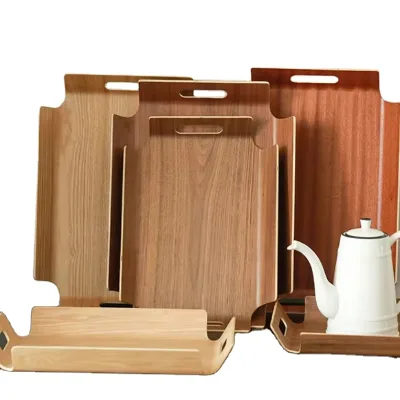

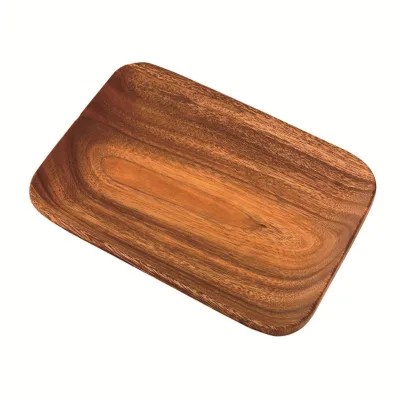
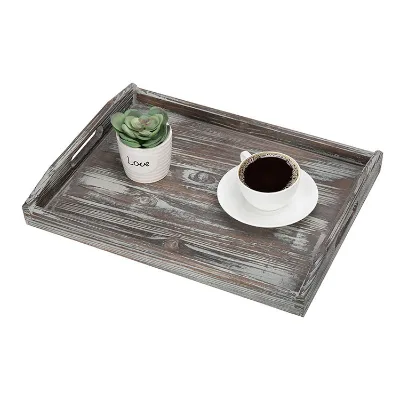
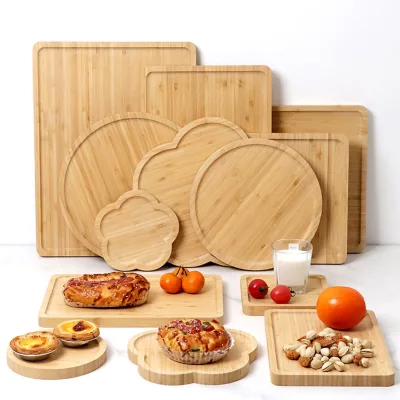


Rustic Farmhouse Wooden Tray Set of Three Pine Wood Rectangle Tray with Handles
$4.19 - $4.64
MOQ: 500 Pieces

Rustic Wood Serving Caddy Tray with Chalkboard Panel and 4 Tasting Glasses
$3.75 - $5.95
MOQ: 500 Pieces





Comprehensive Sourcing Guide
Country Style Wood Tray Sourcing Guide
Sourcing country style wood trays requires a careful balance between aesthetic authenticity and functional durability. These items are typically characterized by rustic finishes, natural wood grains, and simple, sturdy constructions that evoke a sense of warmth and tradition. Buyers must navigate a market where "country style" can range from lightly distressed solid wood to bamboo composites with water-based lacquers. The following guide outlines the critical verification steps, technical parameters, and commercial considerations necessary to secure high-quality inventory that meets both brand standards and end-user expectations.
The procurement process for these trays involves distinguishing between decorative pieces and functional food-service items. While many listings emphasize eco-friendly attributes and rustic treatments, the actual material composition and moisture content vary significantly across suppliers. Understanding the specific model numbers, packing standards, and origin locations provided in supplier catalogs is essential for accurate cost modeling and logistics planning. This guide focuses on evidence-based verification to prevent mismatches between ordered specifications and delivered goods.
Product Scope and Observed Listing Signals
The observed product landscape for country style wood trays includes a diverse range of models, such as WTR-01, WTR-02, WTR-03, DT09, and TP03, each with distinct material and finish profiles. For instance, some listings specify bamboo and wood composites with moisture levels between 10-12%, while others highlight solid wood construction with polishing processes. The presence of water lacquer finishes, whether labeled as "Water Lacquer" or "Water Laquer," suggests a focus on safer surface treatments, though buyers must verify the exact chemical composition to ensure food safety compliance. Additionally, features like logo burning or laser engraving indicate customization capabilities that can enhance brand visibility for retail clients.
Packing and dimensional standards vary widely, impacting both shipping costs and product protection. Standard packing methods include cardboard boxes and paper boxes, with specific dimensions such as 37.8x25.8x5.08cm or 33173.5cm noted in certain listings. Some suppliers offer customized sizes and packing solutions, which is advantageous for brands with specific shelf-space requirements. The origin locations, primarily China with specific mentions of Shandong and Guangdong provinces, provide insight into the supply chain dynamics. Buyers should note that "American style" or "rustic" designations are aesthetic claims that require physical sample verification to ensure they align with the target market's expectations for country style decor.
Technical Specifications to Verify
Moisture content is a critical technical parameter that directly affects the longevity and structural integrity of wood trays. Listings indicate moisture levels ranging from 10-12% to a fixed 12%, which is generally acceptable for indoor use but must be verified against the humidity conditions of the destination market. Excessive moisture can lead to warping or mold growth, while overly dry wood may become brittle. Buyers should request recent moisture content test reports from suppliers to ensure consistency across batches, especially when ordering large quantities where environmental conditions during production may vary.
Surface finishes and processing techniques define the tactile and visual appeal of country style trays. Options include rustic treatments, matt finishes, and polishing, each offering a different aesthetic outcome. The application of water lacquer is a common feature, but buyers must confirm whether the finish is suitable for food contact, particularly for trays intended for daily use or serving. Additionally, the type of wood, whether bamboo composite or solid wood, influences the weight, durability, and price point. Verification of these specifications through sample inspection is essential to ensure that the final product matches the desired country style aesthetic and functional requirements.
Compliance and Safety Documentation
Food safety compliance is paramount for wood trays intended for food container usage. Buyers must ensure that suppliers provide documentation confirming the safety of the water lacquer and any other surface treatments used. While some listings mention eco-friendly attributes, this does not automatically guarantee compliance with international food contact regulations. Suppliers should be able to provide test reports from accredited laboratories verifying that the finished product does not leach harmful substances into food. This is particularly important for trays with rustic treatments or natural finishes that may involve additional coatings or sealants.
Certification status, such as FSC (Forest Stewardship Council), is often cited as a background attribute but requires explicit verification. Buyers should request valid FSC certificates or equivalent chain-of-custody documentation to ensure that the wood sourcing meets environmental and social standards. Even if certification is not explicitly listed, suppliers should be able to provide evidence of sustainable sourcing practices. This documentation is increasingly important for retailers and consumers who prioritize environmentally responsible products. Failure to verify these credentials can lead to reputational risks and potential regulatory issues in markets with strict environmental regulations.
Cost Drivers and Commercial Terms
The price range for country style wood trays is observed between $0.32 and $60 USD, reflecting significant variation in material quality, size, and customization options. Lower-priced items may be smaller, made from composite materials, or have minimal customization, while higher-priced items likely feature solid wood, larger dimensions, and bespoke finishes. Buyers should analyze the cost structure relative to the specified model and packing details to identify potential value traps. For example, a tray with a customized size and packing may have a higher unit cost but lower overall logistics expenses due to optimized shipping volume.
Minimum Order Quantities (MOQs) range from 50 to 1500 pieces, with some listings specifying an MOQ of 500 pieces. These thresholds impact inventory management and cash flow, particularly for new brands or small retailers. Buyers should negotiate MOQs based on their sales forecasts and storage capabilities, keeping in mind that suppliers may offer flexibility for first-time orders or repeat business. Additionally, the availability of OEM services and logo customization can add value but may also increase the MOQ or unit cost. Understanding these commercial terms helps in planning production schedules and budgeting for initial inventory investments.
Supplier Qualification and Quality Control
Supplier qualification involves verifying the manufacturer's capability to produce consistent quality country style wood trays. Buyers should assess the supplier's production facilities, focusing on their processing techniques such as polishing and rustic treatment application. The presence of specific model numbers and standardized packing suggests a level of organizational maturity, but direct communication with the supplier is necessary to confirm their quality control processes. Inquiring about their defect rate, return policy, and after-sales support provides insight into their reliability and commitment to customer satisfaction.
Quality control measures should include pre-shipment inspections to verify dimensions, finish quality, and packaging integrity. Buyers should establish clear acceptance criteria based on the observed specifications, such as moisture content, lacquer application, and logo placement. For customized orders, approving physical samples before mass production is crucial to avoid costly errors. Additionally, implementing a random sampling plan during production can help identify and rectify issues early. Building a strong relationship with the supplier through regular communication and feedback loops enhances the likelihood of receiving high-quality products that meet brand standards.
Long-Term Procurement Checks
Long-term procurement success depends on continuous monitoring of supplier performance and market trends. Buyers should track key performance indicators such as on-time delivery, product quality consistency, and responsiveness to issues. Regular audits or third-party inspections can help maintain high standards and identify areas for improvement. Staying informed about changes in material costs, regulatory requirements, and consumer preferences ensures that the procurement strategy remains aligned with business goals. This proactive approach minimizes risks and supports sustainable growth in the Country Style Wood Tray market.
Adapting to evolving consumer demands is essential for maintaining competitiveness. As sustainability becomes increasingly important, buyers should prioritize suppliers who demonstrate genuine commitment to eco-friendly practices and transparent sourcing. Exploring new design trends, such as innovative rustic treatments or hybrid materials, can help differentiate products in a crowded market. Building a diverse supplier base reduces dependency on single sources and provides flexibility in responding to supply chain disruptions. By focusing on long-term partnerships and continuous improvement, buyers can secure a reliable supply of high-quality country style wood trays that meet the needs of their customers.
FAQs
What customization options are available for these wooden trays?
Customization is available for these wooden trays, allowing buyers to specify unique requirements. The products support logo burning and laser engraving, with options for water lacquer finishes. Buyers can request specific sizes and packing methods like cardboard or paper boxes to match their branding needs.
Which materials are used to manufacture these country style wood trays?
These trays are primarily manufactured using bamboo, wood, and solid wood materials. The products feature a rustic treatment and a natural color finish. Moisture content is controlled between 10 and 12 percent to ensure durability and stability for food and decorative applications.
Can I order these trays with specific dimensions and packaging?
Yes, you can order these trays with customized sizes and specific packaging solutions. Some models offer standard dimensions like 37.8 by 25.8 by 5.08 centimeters, while others allow for any size. Packaging options include cardboard boxes, paper boxes, or customized packing arrangements to suit your logistics.
What is the minimum order quantity for these wooden serving trays?
The minimum order quantity varies by product model, ranging from 50 to 1500 pieces. Specific models like the HUA KUO brand have an MOQ of 500 pieces, while other listings start at 50. Buyers should verify the exact MOQ for the specific model number they intend to purchase.
How are these wooden trays finished and treated for durability?
These trays undergo rustic treatment and polishing processes to achieve a high-quality finish. Some models feature a matt finish with water lacquer coating for protection. The surface treatment ensures the wood is suitable for food contact and daily use while maintaining an eco-friendly profile.
Where are these country style wood trays manufactured and shipped from?
These trays are manufactured in China, with specific origins in Shandong and Guangdong provinces. The products are exported from these regions to international markets. Buyers can expect sourcing from established Chinese factories that specialize in wooden home decoration and food containers.
What features make these wooden trays suitable for food and decoration?
These trays are designed for food use and personal decoration, featuring eco-friendly attributes. They serve as decorative items, gifts, and daily use containers with a simple or American style. The solid wood construction ensures they are sturdy enough for serving while maintaining an aesthetic appeal.