Source Cow Leather Women Knee Boots for Office, Travel, and Events
Find 30 listings for Cow Leather Women Knee Boots to compare styles, heel heights, and customization options. Evaluate PU and rubber sole variations, size ranges, and packaging details to identify suitable suppliers for your wholesale needs.
Key considerations
Products List


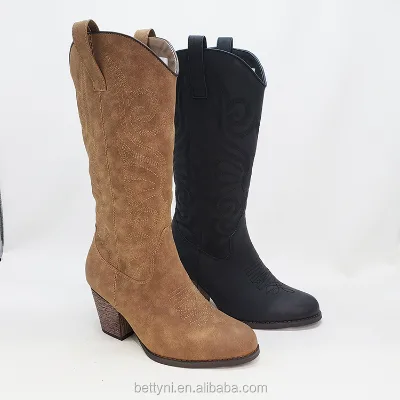
Cowboy Boots Women Pointed Toe Heeled Women Black Western Knee High Long Boots
$32.00 - $40.00
MOQ: 20 Pairs

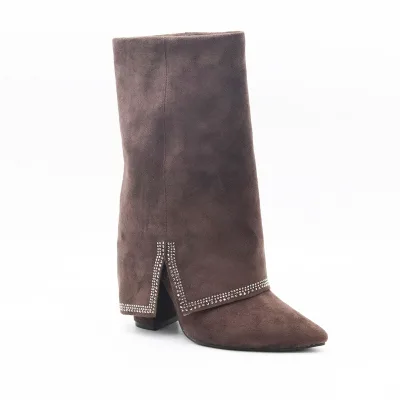
Large Size Winter Boot Pointed Toe Blue Crocodile Knee High Boots for Women
$30.00 - $40.00
MOQ: 30 Pairs


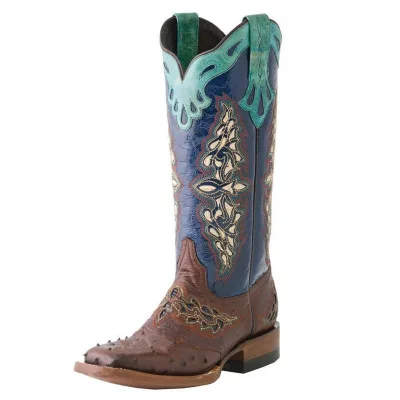
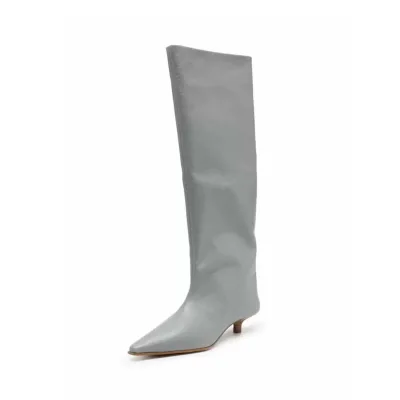
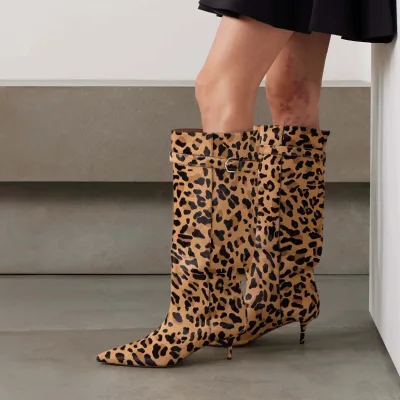
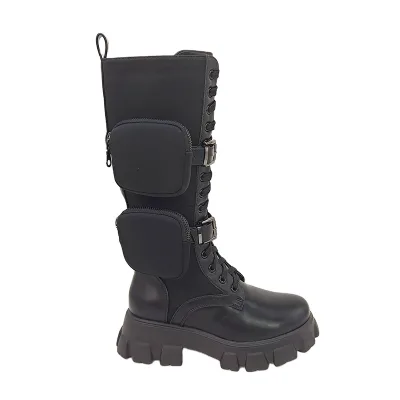


Comprehensive Sourcing Guide
Cow Leather Women Knee Boots Sourcing Guide
Sourcing cow leather knee boots requires a nuanced understanding of material authenticity, construction quality, and supplier transparency. While the provided product data highlights PU (polyurethane) alternatives and specific model numbers, buyers seeking genuine cow leather must distinguish between natural hide and synthetic substitutes. The observed listings indicate a strong presence of PU materials, rubber outsoles, and zipper closures, with origins primarily in Sichuan, China. This geographic concentration suggests a mature supply chain for footwear manufacturing, yet it also necessitates rigorous verification to ensure that the material specified in the purchase order matches the physical product delivered. Buyers must explicitly confirm leather grade, tanning methods, and lining materials to avoid receiving PU products when genuine leather was contracted.
The procurement landscape for knee-high and over-the-knee boots is characterized by significant variation in heel height, closure types, and seasonal styling. Observed data reveals heel heights ranging from 10-11 cm chunky heels to 11-13 cm stilettos, with closure mechanisms including zippers, slip-ons, and magic tape. These structural differences impact comfort, durability, and target demographics. For instance, chunky heels with rubber outsoles are often preferred for casual or party wear due to stability, while stiletto heels may be targeted at formal occasions like weddings. Procurement teams must align their technical specifications with the intended use case, ensuring that the boot height (midi, over-the-knee) and sole material meet the functional requirements of the end consumer.
Product Scope and Observed Listing Signals
The current market signals indicate a diverse range of styles, from animal prints and solid colors to specific model numbers like 220625001L and 190919012. While the core keyword focuses on cow leather, the observed listings predominantly feature PU materials, with some items explicitly stating "Not Waterproof" and "Hand Made" construction. This discrepancy highlights the importance of verifying material composition before placing orders. Buyers should note that many suppliers offer customization options, including customized logos and OEM/ODM services, which are critical for private label branding. However, the presence of PU in many listings means that buyers must clearly specify "Genuine Cow Leather" in their RFQs to avoid receiving synthetic alternatives.
Packaging and logistics data provide insight into the operational scale of potential suppliers. Observed packaging details include 1 Pair/Box with Dust Bag and bulk carton configurations such as 10 pairs/Carton or 12 pairs/Carton. The single gross weight varies significantly, ranging from 1.500 kg to 2.500 kg, which impacts shipping costs and inventory planning. Sizes generally span EU 34-46, with some listings specifying US sizes 8, 9, 10, and 12. Buyers should use this data to calculate landed costs accurately, considering that heavier items with larger carton volumes may incur higher freight charges. Additionally, the availability of plain shoe boxes versus branded packaging with dust bags should be negotiated based on the target market's retail expectations.
Technical Specifications to Verify
Material verification is the most critical technical step when sourcing cow leather boots. Buyers must request physical samples to confirm the leather type, grain, and thickness, as well as the lining material, which is often PU in the observed listings. The outsole material is consistently reported as rubber, which offers good traction and durability, but buyers should verify the rubber compound's flexibility and wear resistance. Heel construction is another key area; observed heels range from chunky to stiletto, and buyers should inspect the heel attachment method to ensure it can withstand daily wear. The closure type, whether zipper, slip-on, or magic tape, must be tested for smooth operation and durability, as zipper failures are a common defect in knee-high boots.
Size consistency and fit are major concerns in international footwear procurement. The observed size range of EU 34-46 suggests a broad market appeal, but buyers should verify the grading rules used by the supplier. Some listings note that heel height may change due to different sizes, which can affect the overall proportion and fit of the boot. Buyers should request detailed size charts with precise measurements for length, width, and calf circumference, especially for over-the-knee styles. Additionally, the "Hand Made" attribute observed in some listings implies a higher level of craftsmanship but may also lead to greater size variability. Establishing strict tolerance limits for size deviations in the quality control plan is essential to minimize returns.
Compliance and Safety Documentation
Regulatory compliance varies by destination market, but buyers must ensure that all footwear meets local safety and chemical standards. For the European market, this includes REACH compliance for restricted substances and CE marking if applicable. In the United States, compliance with CPSIA and FTC labeling requirements is mandatory. Buyers should request test reports from accredited laboratories to verify that the leather, glue, and rubber outsoles are free from harmful chemicals like chromium VI, formaldehyde, and heavy metals. The observed "Not Waterproof" attribute indicates that these boots are not designed for wet conditions, so buyers should ensure that marketing claims do not misrepresent the product's capabilities, which could lead to consumer complaints or legal issues.
Labeling and origin documentation are also critical for compliance. The observed origin of Sichuan, China, requires accurate country-of-origin labeling on the product and packaging. Buyers must ensure that the supplier provides proper documentation for customs clearance, including commercial invoices, packing lists, and certificates of origin. If the boots are marketed as "Hand Made," buyers should verify that this claim is accurate and not misleading. Additionally, any claims regarding "High Quality" or specific performance attributes should be substantiated by internal quality control records. Buyers should establish a clear protocol for reviewing and approving all labeling and packaging materials before mass production begins.
Cost Drivers and Commercial Terms
The cost of cow leather knee boots is influenced by several factors, including material quality, construction complexity, and order volume. The observed MOQ range of 1-1000 pairs suggests flexibility, but higher volumes typically result in better unit prices. Buyers should negotiate pricing based on the total order value, considering that customization options like logo printing and special packaging may incur additional fees. The observed price range of $6-87.33 USD indicates a wide spectrum of quality and positioning, from budget-friendly PU options to premium leather styles. Buyers should clarify whether the quoted price includes packaging, shipping, and taxes, as these can significantly impact the landed cost.
Payment terms and lead times are key commercial considerations. Suppliers in Sichuan, China, may offer standard payment terms such as 30% deposit and 70% balance before shipment, but buyers should negotiate terms that protect their interests, such as using escrow services or letters of credit for large orders. Lead times can vary based on production complexity and order size, so buyers should establish clear timelines in the contract. The observed single gross weight of 1.500-2.500 kg per pair affects shipping costs, so buyers should optimize carton packing to minimize volumetric weight. Additionally, buyers should discuss potential penalties for late delivery and quality failures to ensure accountability.
Supplier Qualification and Quality Control
Supplier qualification is essential to mitigate risks in footwear procurement. Buyers should conduct thorough due diligence, including verifying business licenses, factory audits, and production capacity. The observed OEM/ODM acceptance indicates that many suppliers are capable of custom manufacturing, but buyers should assess their technical capabilities and past performance. Requesting references from other international clients can provide insight into the supplier's reliability and communication style. Buyers should also verify the supplier's ability to handle customization, such as logo placement and packaging design, to ensure they can meet specific branding requirements.
Quality control processes must be robust to ensure product consistency. Buyers should implement a pre-production sample approval process, followed by in-line inspections during production and a final random inspection before shipment. The observed "High Quality" claim should be validated through objective metrics, such as stitch density, glue adhesion, and material thickness. Buyers should define clear acceptance criteria for defects, including scratches, color mismatches, and zipper malfunctions. Additionally, buyers should consider hiring third-party inspection agencies to conduct independent quality checks, especially for large orders. Establishing a clear dispute resolution process for defective goods is also crucial to protect the buyer's investment.
Long-Term Procurement Checks
Building a sustainable supply chain requires ongoing monitoring and relationship management. Buyers should regularly review supplier performance metrics, including on-time delivery rates, defect rates, and responsiveness to issues. The observed customization options suggest that suppliers are adaptable, but buyers should ensure that these capabilities remain consistent over time. Regular communication and periodic factory visits can help maintain strong relationships and identify potential issues early. Buyers should also stay informed about market trends and material innovations, such as sustainable leather alternatives, to keep their product offerings competitive.
Risk management is a critical component of long-term procurement. Buyers should diversify their supplier base to reduce dependency on a single source, especially given the geographic concentration in Sichuan. Monitoring geopolitical and economic factors that may impact production costs or shipping routes is also important. Buyers should regularly update their quality standards and compliance requirements to reflect changes in regulations and consumer expectations. By maintaining a proactive approach to supplier management and risk mitigation, buyers can ensure a stable and efficient supply of cow leather knee boots for their business.
FAQs
Can I customize the logo on these boots?
Yes, customized logos are accepted for these boots. The product details confirm that OEM and ODM services are available, allowing buyers to add their own branding to the footwear.
What is the heel height for these knee boots?
The heel height ranges from 10 to 13 centimeters depending on the specific size selected. Some models feature chunky heels while others have stiletto heels, with variations noted due to different sizes.
Which materials are used for the lining and sole?
The lining is made of PU material, and the outsole is constructed from rubber. These materials provide durability and comfort for the wearer while ensuring a secure grip on various surfaces.
How are the boots packaged for shipment?
Each pair is packed in a plain shoe box with a dust bag. The bulk packaging consists of ten pairs per carton for standard models or twelve pairs per carton for specific variants.
What is the minimum order quantity for these boots?
The minimum order quantity is 30 pairs for this specific product listing. However, general listings show an MOQ range from one to one thousand units depending on the supplier and customization needs.
Where are these boots manufactured?
These boots originate from Sichuan, China. The product facts explicitly state the production location as Si Chuan, indicating the regional manufacturing hub for this specific style of footwear.
Are these boots waterproof?
No, these boots are not waterproof. The product attributes clearly indicate that the material and construction do not provide water resistance, making them suitable for dry conditions or indoor use.