Source Cow Headlock for Cattle Feeding, Restraint, and Grooming
Find 29 Cow Headlock options for cattle feeding, restraint, and grooming. Compare galvanized steel models with manual operation, various sizes, and OEM customization to select the right equipment for your farm; compare the available evidence and request quotations based on your requirements.
Key considerations
Products List


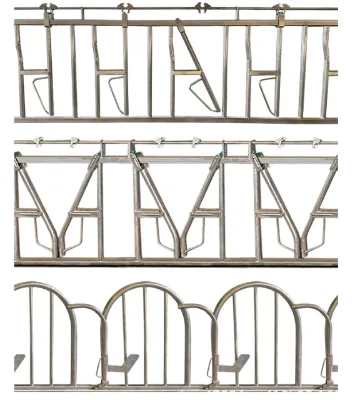


Cow Headlocks/Cattle Headlocks/Livestock Farm Husbandry Equipment Headlock
$28.00 - $33.00
MOQ: 100 Pieces


Self-Locking Neck Self Locking Headlock Self Locking Headlock for Cow Farm
$31.30 - $31.40
MOQ: 50 Pieces
Comprehensive Sourcing Guide
Cow Headlock Sourcing Guide
Procuring cow headlocks requires distinguishing between manual and automated systems based on farm scale and labor availability. The observed market includes models designed for single-item handling as well as integrated units capable of managing multiple cattle positions simultaneously. Buyers must verify whether the power source aligns with their operational needs, as options range from manual labor to fully automatic computerized systems.
Selection also depends heavily on the specific structural configuration and installation method required for the facility. Most observed units are designed for off-ground installation with connected structures to ensure stability during use. Understanding the distinction between single-item selling units and larger palletized shipments is critical for logistics planning and on-site assembly efficiency.
Product Scope and Observed Listing Signals
The current market offers a diverse range of cow headlocks, including specific models like BH-004, BH-021, and JJ-750, each tailored to different herd sizes and management styles. Listings indicate that customization is widely available, allowing buyers to specify dimensions such as neck widths of 180±5mm or feed bunk widths of 750mm to fit existing infrastructure. This flexibility ensures that the equipment can be adapted to various barn layouts without requiring major structural changes.
Pricing signals vary significantly, with observed ranges extending from approximately 10.28 to 630 USD, reflecting differences in material quality and automation levels. Buyers should note that while some units are listed as single items, others are shipped on pallets or in containers, which impacts shipping costs and handling requirements. The presence of specific capacity data, such as 5 kg or 5.5 kg feeder capacities, helps in matching the product to the intended animal weight and feeding regimen.
Technical Specifications to Verify
Material composition is a primary technical factor, with galvanized steel and Q235 frame materials being common to ensure durability against corrosion and heavy use. Buyers must confirm the specific diameter standards, such as 42mm, 48mm, or 60mm, as these dimensions directly affect the strength and longevity of the locking mechanism. Verifying the exact frame material ensures the headlock can withstand the physical force exerted by cattle during feeding or milking procedures.
Dimensional accuracy is equally critical, with observed specifications including heights of 1000mm and sizes like 589x110x6cm for specific models. The cow positioning capacity, such as arrangements for 6 meters accommodating 8 cows, must be validated against the physical space available in the barn. Additionally, checking the weight of individual units, which can reach 150kg per piece, is essential for determining the necessary lifting equipment and floor load capacity.
Compliance and Safety Documentation
Safety and regulatory compliance are often evidenced by certifications such as CE and ISO9001, which indicate adherence to international quality and safety management standards. Buyers should request documentation confirming that the computerized or non-computerized systems meet these specific certification requirements before finalizing a purchase. These certifications serve as a baseline assurance that the manufacturing processes have been audited for consistency and safety.
Beyond general certifications, specific safety features like epidemic prevention equipment or heating and ventilation types should be verified against local agricultural regulations. While some listings mention mobile vaccination cars or air duct systems, these are often ancillary to the headlock itself and require separate verification. Ensuring that the product meets the specific safety standards of the destination country prevents potential legal issues and ensures the welfare of the livestock.
Cost Drivers and Commercial Terms
The total cost of ownership is influenced by the lead time, which ranges from one week to four weeks depending on the customization level and order volume. Buyers must account for these variations when planning procurement cycles, as longer lead times may impact operational readiness and herd management schedules. Understanding the specific lead time for the chosen model prevents delays in installation and subsequent farm operations.
Commercial terms also include the minimum order quantity, which can vary from one unit to 200 units, affecting the unit price and shipping strategy. The choice between ocean shipping and palletized delivery significantly alters the final landed cost, requiring a detailed analysis of freight rates and packaging efficiency. Buyers should negotiate based on the total volume to optimize the cost per unit while ensuring that the packaging protects the galvanized steel from transit damage.
Supplier Qualification and Quality Control
Supplier qualification should focus on the origin of the product, with major manufacturing hubs identified in Hebei and Shandong, China. Buyers must verify the specific place of origin to ensure the supplier has a track record of producing high-quality galvanized steel equipment. The presence of OEM customized support indicates that the supplier is capable of adapting designs to specific client needs, which is a strong indicator of manufacturing flexibility.
Quality control processes should be validated through the warranty terms, with a standard offering of three years observed in the market. This warranty period suggests a manufacturer's confidence in the durability of the new condition products and their resistance to wear. Buyers should explicitly confirm that the warranty covers structural integrity and locking mechanisms to ensure long-term protection against manufacturing defects.
Long-Term Procurement Checks
Long-term procurement success relies on verifying the condition of the product upon delivery, ensuring it remains in new condition as specified. Regular inspections should be conducted to check for any signs of corrosion or structural fatigue, particularly in the connected structures and off-ground installations. Maintaining a record of the specific model numbers, such as BH-005 or JJ-667, helps in sourcing replacement parts or additional units with consistent specifications.
Buyers should also monitor the performance of the key selling points, such as automatic functionality or manual labor requirements, over time. If the system is intended for cattle, observing how the headlock performs with the target animal ensures it meets the intended application without causing stress or injury. Continuous feedback on the product's reliability helps in making informed decisions for future expansions or replacements of the herd management equipment.
FAQs
What materials are used for cow headlocks?
Cow headlocks are primarily constructed from steel or galvanized steel to ensure durability and resistance to corrosion. The frame material often utilizes galvanized Q235 steel, providing a robust structure for heavy-duty agricultural use. This material choice supports the connected structure design, ensuring the equipment remains stable and secure during daily cattle feeding operations in various farm environments.
Can cow headlocks be customized for specific farms?
Yes, customization is available for cow headlocks to meet specific farm requirements. Manufacturers offer OEM support and can adjust standards such as neck width or overall dimensions. Buyers can request tailored specifications to fit different cattle sizes or facility layouts, ensuring the equipment integrates seamlessly into existing barn infrastructure while maintaining structural integrity and operational efficiency for the target animal.
What certifications do Cow Headlock manufacturers hold?
Cow Headlock manufacturers typically hold ISO9001 and CE certifications, indicating compliance with international quality and safety standards. These certifications ensure that the production processes are computerized or non-computerized as needed, maintaining consistent quality control. Buyers can verify these credentials to ensure the equipment meets regulatory requirements for agricultural machinery, providing confidence in the product's reliability and manufacturing standards.
How long is the lead time for cow headlocks?
The lead time for cow headlocks varies, typically ranging from one week to four weeks depending on the order volume and customization needs. Standard models may ship faster, while customized units require additional production time. Buyers should confirm the specific lead time with the supplier to plan their procurement schedule effectively, ensuring timely delivery for farm setup or expansion projects without unnecessary delays.
What is the typical weight of a Cow Headlock?
The weight of a Cow Headlock generally ranges from 50 kg to 150 kg per piece, depending on the model and size. Heavier units, such as those with a 6-meter cow position, offer greater stability for larger cattle. This weight range ensures the equipment is sturdy enough to withstand daily use while remaining manageable for installation and maintenance by farm staff using manual labor or basic tools.
Are cow headlocks suitable for automatic feeding systems?
Yes, many cow headlocks are designed with automatic features to integrate with modern feeding systems. These units often support automatic operation, enhancing efficiency in large-scale cattle farming. The design allows for seamless integration with feed bunk widths and neck widths, ensuring precise cattle positioning. This automation reduces manual labor requirements and improves overall farm productivity by streamlining the feeding process for cows.