Source CPVC Pipe Fitting for Water, Chemical, and HVAC Systems
Compare 30 verified listings for CPVC Pipe Fitting designed for cold and hot water, chemical transport, and industrial piping. Buyers can evaluate specifications like wall thickness, connection types, and working temperature ranges directly from suppliers in China.
Key considerations
Products List


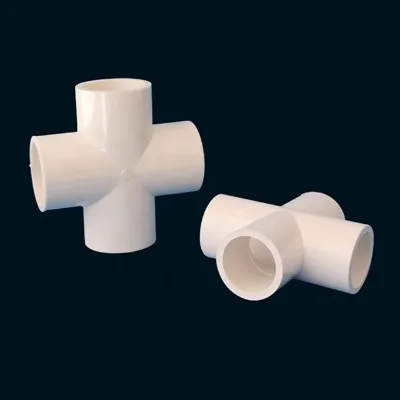
Plastic PVC CPVC Plumbing Pipe Fitting for Hot Water and Cold Water Systems
$0.25 - $67.91
MOQ: 1000 Pieces




Comprehensive Sourcing Guide
Strategic Sourcing Guide for CPVC Pipe Fittings
Understanding Technical Specifications and Material Composition
When sourcing CPVC (Chlorinated Polyvinyl Chloride) pipe fittings, the primary objective is to align the product's physical and chemical properties with the specific demands of the intended plumbing or industrial application. Based on observed market data, the core material composition for these fittings is explicitly identified as PVC and CPVC, often processed as CPVC powder before molding. This distinction is critical because CPVC offers superior thermal resistance compared to standard PVC, making it suitable for hot water distribution systems where temperatures may exceed the limits of conventional plastics. The observed working temperature range for these products spans from -20 to 65 degrees Celsius, a specification that buyers must verify against their local climate and system operating conditions.
The manufacturing technique for these fittings is predominantly casting, a process that ensures structural integrity and dimensional consistency. The shape of the fittings is generally described as "Equal," indicating that the fittings maintain a uniform diameter across the connection points, which is standard for reducing flow turbulence. A common geometric feature observed is the 90-degree angle, essential for creating directional changes in piping systems. Furthermore, the fittings are characterized as rigid rather than flexible, a necessary trait for maintaining system pressure and preventing deformation under load. The wall thickness is a critical variable, with observed specifications ranging from Sch40 (Schedule 40) to STD (Standard). Buyers must understand that Sch40 implies a specific wall thickness standard that affects pressure ratings, and selecting the correct schedule is vital for safety compliance.
Compliance Standards and Certification Verification
Navigating the regulatory landscape is a fundamental step in the procurement of CPVC fittings. The market data indicates a diverse array of standards that products may adhere to, including NBR5648, BS4346, GB (Guobiao), and DIN (Deutsches Institut für Normung). The absence of a single universal standard means that buyers must rigorously verify which specific standard a supplier claims to meet. For instance, while some listings reference standards ranging from 20mm to 63mm, others specify sizes from 1/2'' to 12'', and yet others use the DN (Diameter Nominal) system ranging from DN15 to DN300. This variation highlights the importance of confirming the sizing standard (metric vs. imperial) before placing an order to ensure compatibility with existing infrastructure.
Certification serves as a proxy for quality assurance and manufacturing discipline. The most frequently observed certification in the supply base is ISO9001, which validates the supplier's quality management system. Additionally, some products are listed with certifications from SGS, CE, and ISO, indicating third-party verification of product safety and performance. However, it is crucial to treat these certifications as observations of specific listings rather than universal guarantees for all products in the category. Buyers should request valid, current certificates for the specific batch of fittings they intend to purchase, rather than relying on general supplier claims. The presence of these certifications should be cross-referenced with the specific standards mentioned, such as GB or DIN, to ensure a cohesive compliance framework.
Cost Drivers and Pricing Dynamics
The pricing structure for CPVC pipe fittings is influenced by a complex interplay of material costs, manufacturing complexity, and logistical factors. The observed price range in the market is extensive, spanning from $0.01 to $1,500 USD. This wide disparity is not indicative of a single product type but rather reflects the difference between small, individual fittings and large, bulk orders or specialized industrial components. The cost is heavily driven by the material grade; CPVC powder and compounded materials are more expensive than standard PVC due to the chlorination process. Additionally, the wall thickness (Sch40 vs. STD) directly impacts the amount of raw material used, thereby influencing the unit price.
Other significant cost drivers include customization and packaging. While standard fittings are available in grey, white, or green, customized colors or specific shapes incur additional tooling and production costs. The packaging method also affects the final landed cost; options range from simple cartons to wooden boxes with foam lining for safe conditions, or net 25 kg bags for bulk industrial transport. The origin of the product, primarily noted as Huangyan, Taizhou, Zhejiang, or Yangzhong City in China, influences shipping costs and import duties. Buyers should anticipate that lower unit prices often correlate with higher Minimum Order Quantities (MOQ), which are observed to range from 1 unit to 2,000 units, with a common baseline of 5 cartons for many suppliers.
Typical Applications and System Compatibility
CPVC pipe fittings are engineered for specific environments where thermal stability and chemical resistance are paramount. The primary application identified is for cold and hot water distribution systems. The ability to withstand temperatures up to 65 degrees Celsius makes these fittings ideal for residential and commercial hot water lines, where standard PVC would fail. The connection type is predominantly flanged, with a sealing surface described as FF (Flat Face), which is suitable for welding flanges and high-pressure applications. This connection method ensures a robust seal that can handle the thermal expansion and contraction inherent in hot water systems.
The versatility of these fittings extends to various pipe sizes, with observed models covering lengths of 4 meters per piece and diameters ranging from 20mm to 250mm. This range allows for use in everything from small-scale residential plumbing to larger industrial process lines. The "Thermoplastics Pipes" classification confirms their suitability for fluid transport where flexibility is not required. However, buyers must ensure that the specific fitting model, such as those labeled PNE, PEN105, or PNCPVC11101, matches the pressure rating and chemical compatibility of the fluid being transported. The rigid nature of the fittings ensures they maintain their shape under pressure, preventing leaks in high-stress environments.
Supplier Evaluation and Procurement Logistics
Selecting a reliable supplier requires a thorough evaluation of their operational capabilities and logistical reliability. The supply chain for CPVC fittings is concentrated in specific regions of China, with Ningbo/Shanghai and Zhejiang Ningbo being prominent hubs. These locations offer established infrastructure for export, but buyers must verify the specific origin, such as Huangyan, Taizhou, or Yangzhong City, to understand the local manufacturing ecosystem. The lead time is a critical factor, with a standard delivery time of 30 days observed in the market. This timeline should be factored into project schedules, especially for large orders where production capacity might be constrained.
Payment terms are another area requiring careful negotiation. The standard terms observed include T/T (Telegraphic Transfer) and L/C (Letter of Credit). T/T is common for established relationships or smaller orders, while L/C provides security for larger transactions. The MOQ varies significantly, from single units for sampling to 2,000 units for bulk procurement. Buyers should be prepared to negotiate these terms based on their volume requirements. Additionally, the packing standard is a key indicator of supplier professionalism; options range from export-standard cartons to custom wooden boxes with foam lining. Ensuring that the packaging meets the requirements for long-distance shipping is essential to prevent damage during transit.
Quality Control and Long-Term Procurement Strategy
Implementing a robust quality control (QC) strategy is essential for mitigating risks associated with CPVC fittings. Given the variations in standards (GB, DIN, NBR5648) and certifications (ISO9001, SGS, CE), buyers should not assume uniform quality across all listings. A recommended approach involves requesting pre-shipment samples to verify wall thickness, color consistency, and dimensional accuracy against the specified standards. The observed "Equal" shape and "Round" head code should be physically measured to ensure they meet the required tolerances. Furthermore, verifying the working temperature range through independent testing can prevent system failures in hot water applications.
For long-term procurement, establishing a relationship with suppliers who offer customization is advantageous. The availability of customization allows buyers to tailor fittings to specific project needs, such as unique colors or specialized dimensions. However, this comes with the caveat of increased lead times and potential MOQ adjustments. Buyers should also consider the total cost of ownership, which includes not just the unit price but also shipping, insurance, and potential replacement costs due to quality issues. By focusing on suppliers with verified certifications and clear standard compliance, buyers can ensure a steady supply of high-quality CPVC fittings that meet the rigorous demands of modern plumbing and industrial systems. The flexibility of the supply chain, with options for carton or custom packing, further supports a resilient procurement strategy.
FAQs
What materials are used to make these pipe fittings?
The fittings are primarily made from PVC and CPVC materials. They are processed as CPVC powder before being cast into rigid shapes suitable for hot and cold water applications.
Which standards do these fittings comply with?
Products may adhere to standards such as NBR5648, BS4346, GB, and DIN. Buyers must verify the specific standard against their infrastructure requirements to ensure compatibility.
Can I customize the color of the fittings?
Yes, customization for color is available including grey, white, green, or specific requests. Customized colors may require additional tooling and affect the minimum order quantity.
What is the typical lead time for delivery?
The standard delivery time is 30 days from order confirmation. This timeline applies to most orders but may vary depending on the specific customization and volume requested.
How are the fittings packaged for export?
Packaging options include cartons, wooden boxes with foam lining, or net 25 kg bags. The choice depends on the order size and the need for safe conditions during long-distance shipping.
What is the working temperature range for these products?
The fittings are designed to operate between -20 and 65 degrees Celsius. This range makes them suitable for both cold and hot water distribution systems in various climates.
Which certifications are commonly available for these fittings?
Common certifications include ISO9001, ISO, SGS, and CE. These indicate quality management systems and third-party verification, though buyers should request valid certificates for specific batches.