Source Camping Misting Water Bottle for Riding, Sports, and Travelling
Find 30 double wall vacuum insulated stainless steel bottles with misting features for riding, sports, and travelling. Compare models like MB001 and KL-7372B, noting capacities from 500ml to 1600ml, LFGB/FDA certifications, and customization options for B2B buyers.
Key considerations
Products List

Spray Drink and Mist Water Bottle Designed for Summer Camping and Sports Adventures
$22.50 - $24.50
MOQ: 1000 Pieces


Multicolor Spray Mist Water Bottle for Active Sports and Outdoor Adventures
$22.50 - $24.50
MOQ: 1000 Pieces


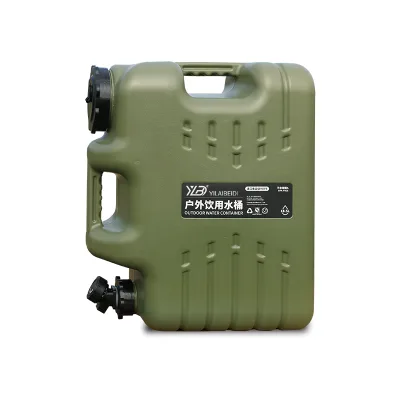


Stainless Steel Camping Water Bottle with Insulated Double Wall Technology
$3.48 - $3.68
MOQ: 1000 pieces


Comprehensive Sourcing Guide
Camping Misting Water Bottle Sourcing Guide
The modern Camping Misting Water Bottle serves as a critical hydration tool for outdoor enthusiasts, combining thermal insulation with active cooling capabilities. Based on observed market listings, these products are engineered primarily for high-intensity activities such as riding, sports, and general travelling, where maintaining body temperature and hydration levels is essential. The core functionality relies on a double-wall vacuum insulated construction, which keeps beverages cold or hot for extended periods while preventing external condensation that could make the bottle slippery or uncomfortable to hold.
Buyers must distinguish between standard insulated bottles and those featuring integrated misting mechanisms, as the latter often require specific structural modifications to accommodate the spray nozzle without compromising the vacuum seal. The observed product range includes models with handles for easy carrying and various capacity options, ranging from compact 500ml units suitable for short hikes to larger 1600ml versions designed for all-day excursions. Understanding these functional distinctions is the first step in selecting a unit that aligns with the specific duration and intensity of the intended camping or outdoor adventure.
Product Scope and Observed Listing Signals
The current market for camping misting water bottles displays a wide variance in customization options, with many suppliers offering printed designs and multicolor finishes to meet brand or personal aesthetic preferences. Listings frequently highlight "Customization Available" and "Customized" attributes, indicating that buyers can request specific logos, colors, or packaging configurations to suit their target demographic. This flexibility extends to the physical form factor, with observed models featuring sporty styles and unisex designs that appeal to a broad range of adult users across different outdoor disciplines.
When evaluating product listings, procurement teams should note the diversity in packaging standards, which range from individual color boxes to bulk OPP bags or custom packaging solutions. The presence of specific model numbers such as MB001, KL-7372B, and SS-1007 suggests a mature supply chain with established SKUs, yet buyers must verify that the specific model selected includes the misting feature rather than just standard vacuum insulation. The observed price range of 0.65 to 24.5 USD reflects this variability, driven by factors such as material grade, capacity, and the complexity of the misting mechanism integration.
Technical Specifications to Verify
Material composition is the primary technical differentiator for these bottles, with 304 Stainless Steel being the standard for food-grade durability and corrosion resistance. Buyers must confirm that the inner and outer walls are constructed from this specific grade of steel to ensure the product remains safe for repeated use with various beverages and resistant to the rigors of outdoor environments. The double-wall vacuum technology is a critical specification, as it directly impacts the bottle's ability to maintain temperature differentials, a feature explicitly listed as "Keep Drink Cold Hot" in high-confidence product data.
Dimensions and capacity are equally vital for logistical planning and user comfort, with observed specifications ranging from compact 10x19.5cm units to larger profiles measuring up to 284mm in height. Procurement teams should verify the exact capacity, as listings show options for 500ml and 1600ml, which significantly affects the weight and portability of the bottle during travel. Additionally, the presence of a handle is a key ergonomic feature to confirm, as it facilitates one-handed carrying during active use, while the standard dimensions of 8.7x32.5cm or 284x102mm provide a baseline for fitting the product into standard backpack pockets or cup holders.
Compliance and Safety Documentation
Safety compliance is non-negotiable for products intended for direct contact with food and beverages, particularly those used in outdoor settings where water sources may be limited. The observed listings frequently cite certifications such as LFGB, FDA, and CE/EU, which are essential for verifying that the materials used are free from harmful substances like BPA. Buyers should request current test reports to confirm that the stainless steel and any plastic components meet these rigorous international standards, ensuring the product is safe for consumption by adults and children alike.
Beyond material safety, the manufacturing process must adhere to recognized quality management standards to guarantee consistency across production batches. While some background data mentions ISO 9001, the primary focus for procurement should be on the specific product certifications like CIQ and SGS, which validate the product's compliance with import and safety regulations in key markets. It is crucial to verify that the "Eco Friendly" and "Food Grade" claims are backed by valid documentation, as these attributes are increasingly demanded by environmentally conscious consumers and retailers.
Cost Drivers and Commercial Terms
The cost of a Camping Misting Water Bottle is influenced by several variables, including the complexity of the misting mechanism, the grade of stainless steel, and the level of customization required. Listings indicate a significant price spread, suggesting that basic models with standard packaging are available at the lower end of the spectrum, while premium versions with custom logos, specialized packaging, and advanced insulation features command higher prices. Buyers should analyze the total landed cost, factoring in the MOQ requirements which can range from as low as 4 units for samples to 3000 units for bulk orders, to determine the most economical order quantity.
Commercial terms such as lead times and sample availability play a critical role in supply chain planning, with observed production times ranging from 15 to 20 days and sample times taking 5 to 7 days. The Minimum Order Quantity (MOQ) is a key constraint, with some suppliers requiring 500 pieces for custom orders, while others may offer lower thresholds for standard SKUs. Procurement teams must negotiate these terms carefully, balancing the need for inventory flexibility with the cost benefits of larger production runs, and ensuring that the supplier can meet the required delivery schedule without compromising on quality.
Supplier Qualification and Quality Control
Supplier longevity and factory experience are strong indicators of reliability, with observed listings highlighting advantages such as 16 and 19 years of factory operation. These established manufacturers are more likely to have robust quality control systems in place, capable of handling complex customization requests and maintaining consistent product standards over time. Buyers should prioritize suppliers who explicitly support OEM and ODM services, as this indicates a willingness to collaborate on design modifications and branding needs specific to the camping and outdoor market.
Quality control protocols must be verified before finalizing any contract, focusing on the supplier's ability to maintain the integrity of the vacuum seal and the functionality of the misting nozzle. The origin of the products, primarily from Shenzhen and Zhejiang in China, suggests a concentrated manufacturing hub with specialized expertise in stainless steel fabrication. However, buyers should not assume all products from these regions meet the same standards; instead, they should request third-party inspection reports and conduct pre-shipment inspections to ensure that the final product matches the approved samples and technical specifications.
Long-Term Procurement Checks
Sustaining a successful procurement relationship requires ongoing monitoring of product performance and supplier responsiveness over time. Buyers should establish a feedback loop to track any issues related to the misting mechanism, such as clogging or leakage, which could indicate a decline in manufacturing quality or material fatigue. Regular audits of the supplier's production lines and quality assurance processes are essential to ensure that the "16 years factory" or "19 years factory" claims translate into consistent, high-quality output year after year.
As market trends evolve, the demand for eco-friendly and sustainable packaging may increase, requiring suppliers to adapt their production methods and material sourcing strategies. Procurement teams should stay informed about changes in international regulations regarding food contact materials and environmental standards, ensuring that their suppliers remain compliant with new requirements. By maintaining a proactive approach to supplier management and continuously verifying product specifications, buyers can mitigate risks and secure a reliable supply of high-performance camping misting water bottles for their customers.
FAQs
Can I customize the logo on these stainless steel bottles?
Yes, customization is available for logos on these products. The listings indicate that OEM and ODM services are supported, allowing buyers to add their branding. This feature is particularly useful for corporate gifts or branded merchandise. Buyers should confirm specific printing methods and minimum order quantities with the supplier to ensure the design meets their requirements.
What certifications do these vacuum insulated bottles hold?
These bottles hold several key certifications including LFGB, FDA, CE/EU, CIQ, and SGS. These standards ensure the materials are safe for food contact and meet international quality requirements. The use of 304 stainless steel further supports compliance with health and safety regulations. Buyers can rely on these certifications for importing into regulated markets.
What is the typical lead time for production?
The typical production time ranges from 15 to 20 days. Sample preparation usually takes 5 to 7 days before bulk manufacturing begins. These timelines allow for quality checks and customization adjustments. Buyers should plan their inventory accordingly, considering that peak seasons or complex customizations might extend these standard durations slightly.
What capacities are available for these double wall bottles?
Available capacities include 500ml and 1600ml options. These sizes cater to different usage scenarios, from personal hydration during sports to larger needs for outdoor travel. The double wall vacuum insulation ensures temperature retention regardless of the chosen volume. Buyers can select the capacity that best fits their target audience's preferences.
How are these bottles packaged for shipping?
Packaging options include color boxes, white boxes combined with carton boxes, and OPP bags. Customized packaging is also available to meet specific branding or retail requirements. The sturdy packaging protects the stainless steel bottles during transit. Buyers should specify their preferred packaging style to ensure the products arrive in optimal condition for distribution.
Are these bottles suitable for outdoor sports activities?
Yes, these bottles are designed for applications such as riding, sports, and traveling. The sport style and durable stainless steel construction make them ideal for active use. Features like double wall vacuum insulation help keep drinks hot or cold during outdoor activities. The design supports practicality and convenience for users on the go.