Source Crane Outrigger Pads with Cut to Size for Construction
Find 30 Crane Outrigger Pads with Cut to Size options for mobile cranes, truck-mounted equipment, and heavy construction sites. Compare PE material specs, tensile strength, and custom dimensions from verified manufacturers.
Key considerations
Products List




Comprehensive Sourcing Guide
Crane Outrigger Pads with Cut to Size Sourcing Guide
Procuring crane outrigger pads that are cut to size requires a strategic approach to balancing load-bearing safety with logistical efficiency. These components serve as critical interfaces between heavy lifting equipment and the ground, distributing concentrated loads to prevent soil failure and equipment tipping. When sourcing pads with custom dimensions, buyers must navigate a supply chain that offers both standardized manufacturing efficiencies and the flexibility to meet specific site constraints. The core keyword, "Crane Outrigger Pads with Cut to Size," signals a demand for tailored solutions where standard rectangular or square pads may not fit unique crane configurations or uneven terrain requirements.
The procurement process for these specialized pads involves verifying material integrity, dimensional accuracy, and surface properties that ensure stability during lifting operations. Buyers often encounter listings that advertise extensive customization options, including shape, color, and thickness, which can complicate the evaluation of technical suitability. It is essential to distinguish between marketing claims and verifiable engineering specifications, particularly regarding tensile strength and water absorption rates, which directly impact the pad’s durability and performance in varying environmental conditions. This guide provides a structured framework for evaluating suppliers and products to ensure that the final procurement meets rigorous safety and operational standards.
Product Scope and Observed Listing Signals
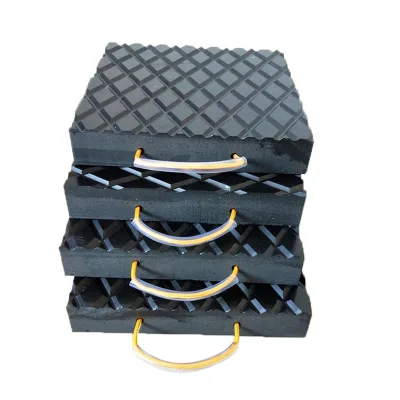
The market for crane outrigger pads presents a wide range of product variations, primarily centered around polyethylene (PE) engineering plastic sheets. Observed listings indicate that these pads are available in various shapes, including square, round, and rectangular configurations, with standard sizes such as 500x500 mm and 400x400 mm being common baseline offerings. However, the specific requirement for "cut to size" implies that buyers are looking for non-standard dimensions that can be manufactured or machined to fit specific crane outrigger footprints. Suppliers frequently highlight customization services, including OEM and ODM capabilities, which allow for the production of pads that match exact customer drawings or requirements, ensuring a precise fit for diverse crane models and truck-mounted equipment.
Visual and descriptive signals in product listings often emphasize aesthetic and functional customization, such as the availability of multiple colors including black, grey, white, red, blue, transparent, and yellow. While color selection may seem secondary, it can play a role in site safety visibility and brand identification. Additionally, surface treatments are a critical differentiator, with options ranging from smooth finishes to anti-slip textures designed to enhance traction and stability under load. Buyers should note that while many listings advertise "any type" or "any tape" as product types, the core functionality remains consistent: providing a stable, high-load-bearing platform for crane support legs. The presence of logos, which can be laser or CNC machined onto the pads, further indicates a mature supply chain capable of handling branded procurement orders for large-scale construction or rental companies.
Technical Specifications to Verify
When evaluating the technical suitability of outrigger pads, tensile strength is a primary metric that must be carefully verified against the expected load requirements. Observed data points suggest a wide variance in material performance, with some listings citing tensile strengths between 3040 MPa and others indicating ranges of 4150 MPa or even 81~130 MPa. This discrepancy highlights the importance of requesting specific material test reports rather than relying on general product descriptions. Buyers must ensure that the selected pad’s tensile strength aligns with the maximum load capacity of the crane, which can range from 15 tons to over 200 tonnes, to prevent material deformation or failure under stress. The material composition, typically identified as PE engineering plastic, must be confirmed to ensure it meets the necessary mechanical properties for heavy-duty industrial applications.
Dimensional accuracy and physical properties are equally critical for ensuring the pad performs as intended in the field. Thickness is a variable specification, with observed ranges extending from 10-200 mm up to 6-300 mm, allowing for customization based on ground conditions and load distribution needs. Buyers should verify thickness tolerances, which may be specified as +1mm, to ensure consistency across batches. Additionally, water absorption rates, observed to be as low as <0.01% or in the range of 0.1%~0.3%, are vital for preventing material degradation in wet environments. Contraction percentages below 0.4% indicate high dimensional stability, ensuring that the pads maintain their shape and size over time, even under repeated loading and unloading cycles. These technical parameters must be cross-referenced with the specific application requirements to avoid mismatches between product capabilities and operational demands.
Compliance and Safety Documentation
Safety compliance for crane outrigger pads is not always governed by a single universal standard, making it essential for buyers to request specific documentation from suppliers. While some listings mention customized standards or reference common sizes like 400x400x40 mm, buyers must verify that the products meet relevant local or international safety regulations for lifting equipment accessories. This includes ensuring that the pads are tested for load-bearing capacity and that the manufacturer can provide certificates of conformity or material safety data sheets (MSDS). The absence of explicit certification claims in many listings underscores the need for proactive verification, as the integrity of the pad directly impacts the safety of the entire lifting operation.
Documentation should also cover the manufacturing process and quality control measures employed by the supplier. Buyers should inquire about the processing services used, such as cutting, moulding, and customization techniques, to ensure that the production methods do not compromise the material’s structural integrity. For instance, the method of cutting custom-sized pads must be precise to avoid edge defects that could lead to stress concentrations. Additionally, suppliers should provide information on the surface treatment processes, such as anti-slip applications, to ensure that the pads meet safety requirements for traction. By demanding comprehensive safety documentation, buyers can mitigate risks associated with equipment failure and ensure that the outrigger pads are suitable for their specific operational environment.
Cost Drivers and Commercial Terms
The cost of crane outrigger pads is influenced by several factors, including material quality, customization complexity, and order volume. Observed price ranges vary significantly, from as low as 1.3 USD to 80 USD, reflecting differences in thickness, size, and material grade. Buyers should be cautious of extremely low prices, as they may indicate inferior material quality or insufficient thickness for heavy-duty applications. The "source factory price" claim suggests direct manufacturing, which can offer cost advantages, but buyers must verify that this pricing includes all necessary customization and quality assurance steps. Understanding the cost drivers helps in making informed decisions that balance budget constraints with safety and performance requirements.
Commercial terms, such as minimum order quantities (MOQ) and delivery times, also play a crucial role in the procurement process. MOQs can range from 1 to 1000 units, with some listings specifying an MOQ of 10, which offers flexibility for smaller orders. Delivery times are typically estimated between 15-35 days, depending on the complexity of the customization and the supplier’s production schedule. Buyers should negotiate clear terms regarding packaging, which may include carton, wooden cases, or international standard wooden pallets with plastics, to ensure safe transportation. Additionally, clarifying responsibilities for shipping and insurance is essential to avoid unexpected costs and delays. By understanding these commercial dynamics, buyers can structure agreements that align with their project timelines and budgetary needs.
Supplier Qualification and Quality Control
Selecting a reliable supplier for custom outrigger pads requires a thorough assessment of their manufacturing capabilities and quality control systems. Buyers should prioritize suppliers who offer comprehensive customization services, including OEM and ODM options, and who have a proven track record in producing engineering plastic sheets. The ability to provide samples for testing is a strong indicator of a supplier’s confidence in their product quality. Additionally, suppliers should be able to demonstrate their proficiency in processing services such as cutting and moulding, ensuring that custom-sized pads are produced with high precision and consistency.
Quality control measures should be explicitly defined in the procurement agreement, including inspection protocols for dimensions, tensile strength, and surface finish. Buyers should request evidence of the supplier’s quality management systems, such as ISO certifications, if available, to ensure that production processes are standardized and controlled. Regular audits or third-party inspections may be necessary for large orders to verify that the delivered products meet the specified technical requirements. By establishing clear quality control expectations and verifying the supplier’s capabilities, buyers can minimize the risk of receiving substandard products and ensure that the outrigger pads perform reliably in the field.
Long-Term Procurement Checks
Establishing a long-term procurement strategy for crane outrigger pads involves continuous monitoring of product performance and supplier reliability. Buyers should implement a feedback loop to track the pads’ performance in real-world applications, noting any issues related to wear, deformation, or surface degradation. This data can inform future purchasing decisions and help identify suppliers who consistently deliver high-quality products. Regular reviews of supplier performance, including delivery times, communication responsiveness, and adherence to specifications, are essential for maintaining a robust supply chain.
Additionally, buyers should stay informed about advancements in materials and manufacturing technologies that could offer improved performance or cost efficiencies. Engaging with suppliers to discuss potential upgrades or alternative materials can lead to better solutions for specific operational challenges. By maintaining a proactive approach to supplier management and product evaluation, buyers can ensure that their crane outrigger pads continue to meet safety and performance standards over time. This long-term perspective helps in building a resilient procurement process that supports the ongoing needs of crane operations and construction projects.
FAQs
Can I order Crane Outrigger Pads with Cut to Size?
Yes, customization is available for these engineering plastic sheets. You can request specific dimensions and shapes like square or round. The product supports OEM and ODM services with laser or CNC machined logos to meet your exact requirements.
What is the minimum order quantity for these pads?
The minimum order quantity starts at 10 units for this product. However, observed ranges indicate orders can go up to 1000 units depending on the supplier. This flexibility allows buyers to scale their procurement based on project needs.
How thick can the crane outrigger pads be made?
The thickness ranges from 10 to 200 mm for standard options. Some specifications also list a range of 6 to 300 mm with a tolerance of plus 1 mm. This allows for significant variation to support different load-bearing capacities.
What material is used for these outrigger pads?
The primary material used is PE, which is classified as an engineering plastic sheet. This material offers low water absorption of less than 0.01 percent and high tensile strength suitable for crane support legs and construction equipment applications.
What is the delivery time for custom orders?
The typical delivery time is between 15 and 35 days. This lead time applies to customized orders including specific sizes and colors. Packaging is provided in wooden pallets or cases to ensure safe international shipping from the factory.
Which colors are available for these pads?
Any color is available including black, grey, white, red, blue, yellow, and transparent. You can also request customized colors to match your branding or safety requirements. The surface finish can be either anti-slip or smooth depending on your needs.
What is the load-bearing capacity of these pads?
The loading weight capacity ranges from 20 to 200 tonnes for these products. Specific models may support up to 15 tonnes depending on the configuration. This makes them suitable for various crane support leg applications in construction and trucking.