Source Creative Double Wall Coffee Mug for Office, Travel, and Home
Compare 30 listings of Creative Double Wall Coffee Mug options featuring clear glass, custom logos, and various packing styles. Buyers can evaluate specifications like capacity, shape, and origin from Hebei and Guangdong suppliers to find the best fit for bulk orders.
Key considerations
Products List


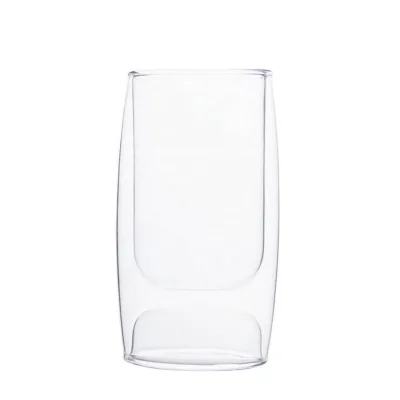


Office Coffee Cup with Lid Double Wall vacuum Stainless Steel Coffee Mug
$2.79 - $3.00
MOQ: 100 Pieces


Hot Sale Various Colors Ceramic Cup
$2.00 - $4.00
MOQ: 1000 Pieces
Chaozhou City Cha'an District Fengtang Town Sai Si Ceramics Factory


Comprehensive Sourcing Guide
Strategic Sourcing Guide for Creative Double Wall Coffee Mugs
The global demand for premium beverage ware has shifted significantly toward double-wall glass solutions, particularly for the "Creative Double Wall Coffee Mug" segment. This category combines aesthetic versatility with functional thermal performance, making it a high-value target for B2B procurement. Buyers entering this market must navigate a landscape defined by diverse customization options, varying technical specifications, and specific material requirements. This guide provides a disciplined framework for sourcing these products, ensuring that procurement decisions are grounded in verified product attributes and industry best practices rather than unverified marketing claims.
Understanding Technical Specifications and Material Integrity
The foundation of any successful procurement strategy for double-wall glassware lies in the verification of material composition and structural design. The supplied product data confirms that the primary material for these items is High Borosilicate Glass. This is a critical specification, as borosilicate glass offers superior thermal shock resistance compared to standard soda-lime glass, a necessity for double-wall construction where temperature differentials between the inner and outer layers can be significant. Buyers must verify that the supplier explicitly states the use of high borosilicate glass to ensure the product can withstand the thermal stress of hot coffee without cracking.
Beyond the base material, the technical architecture of the mug varies. The observed product attributes indicate a "Double Wall" type with specific functional claims such as "Keeping Drink Hot Cold." This dual-functionality is achieved through the vacuum or air gap between the glass layers. However, the "Shape" attribute in the dataset is listed as "Irregular Shape," which introduces complexity in manufacturing. Irregular shapes often require specialized molding techniques and can impact the uniformity of the double-wall seal. Procurement teams should request detailed engineering drawings to understand how the irregular geometry affects the structural integrity of the glass seal and the overall thermal efficiency.
Furthermore, the "Technics" attribute notes "Decal DECORATED" and "Customized Logo Acceptable." This indicates that the aesthetic finish is applied via decal transfer rather than etching or painting. While this allows for vibrant "Colored" or "Colorless" finishes, buyers must ensure the decal process does not compromise the glass surface or the seal between the walls. The "Fancy" attribute ranges from "Colorless" to "Colored," suggesting a wide spectrum of visual options. When sourcing, it is essential to confirm that the coloring process is compatible with the high-temperature requirements of the glass to prevent fading or degradation during the use of hot beverages.
Compliance, Safety Standards, and Regulatory Verification
In the B2B beverage ware sector, compliance is not merely a formality but a prerequisite for market access. The product data explicitly mentions "Food Contact Safe Cup" as a description attribute. This is a non-negotiable requirement for any mug intended for commercial or retail sale. Buyers must demand specific documentation proving that the glass and any applied decorations meet the food safety standards of the target market, such as FDA regulations in the United States or EU Framework Regulation (EC) No 1935/2004.
The dataset also highlights "Eco-Friendly" and "Sustainable" as key features. While these are positive attributes, they are often used as marketing terms without standardized definitions. To validate these claims, procurement teams should request evidence of sustainable manufacturing practices, such as the use of recycled materials in the glass batch or energy-efficient kiln processes. Additionally, the "Standard" attribute lists specific dimensions like "151520cm" and "101015cm." While these likely refer to packaging dimensions, they serve as a proxy for the product's physical footprint. Buyers should verify that the packaging standards align with international shipping regulations to prevent damage during transit, especially given the fragile nature of glass.
Certification checks should extend beyond the product itself to the manufacturing facility. The "Place of Origin" is listed as "Hebei, China" and "Guangdong, China." These regions are known for glass manufacturing, but quality control varies. Buyers should verify if the supplier holds ISO 9001 certification for quality management systems. While the provided text does not list specific third-party test results, the presence of "Food Contact Safe" claims necessitates independent laboratory testing reports to confirm the absence of lead, cadmium, or other heavy metals in the glass and the decal inks.
Cost Drivers and Pricing Dynamics
The pricing structure for creative double wall coffee mugs is influenced by several distinct factors. The observed price range in the market is 0.01-8.99 USD, a wide spectrum that reflects the diversity in quality, customization, and order volume. The lower end of this range typically corresponds to standard, non-customized items with simple packaging, while the higher end reflects complex designs, premium branding, and specialized packaging.
One of the primary cost drivers is the "Customization" capability. The data confirms that "Customized Color," "Customized Logo," and "Custom Packing" are all acceptable. Each of these adds a layer of complexity to the production process. Custom molds for irregular shapes, specialized decal application for logos, and the creation of bespoke packaging (such as "Bubble Bag + Box" or "Carton Box") all incur additional setup and production costs. Buyers must understand that the "MOQ" (Minimum Order Quantity) varies significantly, ranging from 2 to 5000 units. Lower MOQs, such as the 1000pcs noted for specific models, often carry a higher unit cost due to the lack of economies of scale in setup and material procurement.
The "Packing" method also impacts the final landed cost. Options like "Bubble Bag + Box" or "Bubble Bag + Carton" suggest varying levels of protection. More robust packaging increases material costs but reduces the risk of breakage, which can be a hidden cost in the supply chain. Buyers should calculate the total cost of ownership, including the potential cost of replacing broken units, rather than focusing solely on the unit price. The "Style" attribute, ranging from "Simple" to "Sports" to "Creative," also influences cost, as creative designs often require more intricate molding and finishing processes.
Typical Applications and Market Segmentation
The versatility of the Creative Double Wall Coffee Mug allows for application across multiple market segments. The "Usage" attribute identifies "Glass Office Cup" as a primary use case, indicating suitability for corporate gifting, office supplies, and hospitality environments. The "Double Wall" feature makes these mugs ideal for serving hot coffee or tea without burning the user's hands, a critical feature for office and café settings.
Beyond the office, the "Key Words" such as "Mini Glass Espresso Mug" and "Glass Cappuccino Cup" suggest applications in specialty coffee shops and retail gift markets. The "Creative" and "Novelty" styles appeal to consumers looking for unique, Instagram-worthy products. The "Sports" style mentioned in the data points to potential use in active lifestyles, perhaps for travel or outdoor events, though the fragility of glass requires careful consideration for this specific segment.
The "Drinkware Type" is categorized as "Coffee & Tea Sets," implying that these mugs are often sold as part of a larger collection. This opens opportunities for bundling strategies where the mug is paired with saucers, spoons, or other accessories. The "Accessories" attribute notes "With All" and "with Handle," suggesting that some models include handles for better grip, which is a significant differentiator for users handling hot liquids. Buyers should analyze the target demographic to determine whether a handle is essential or if the double-wall insulation alone suffices for the intended application.
Supplier Evaluation and Operational Capabilities
Selecting the right supplier requires a rigorous evaluation of their operational capabilities and flexibility. The data indicates that "OEM&ODM" services are "Acceptable," meaning suppliers are willing to design and manufacture products based on the buyer's specifications. This is a crucial capability for brands looking to differentiate their product line. However, the "Customization" attribute also implies a need for clear communication regarding design files, color codes, and logo placement.
The "Brand Name" "Goldland" is mentioned in the dataset, but buyers should not rely on a single brand. Instead, they should evaluate suppliers based on their ability to meet the "prod_standard" dimensions and their consistency in delivering "High Borosilicate Glass." The "Place of Origin" being in China (Hebei and Guangdong) suggests a mature supply chain, but buyers must verify the specific factory's capacity to handle "Irregular Shape" production without compromising quality.
When evaluating suppliers, procurement teams should assess their "Packing" capabilities. The ability to offer "Custom Packing Acceptable" is a strong indicator of a supplier's flexibility. However, buyers must ensure that the custom packaging does not increase the environmental footprint unnecessarily. The "Feature" of being "Eco-Friendly" should be backed by tangible actions, such as using recyclable packaging materials. Additionally, the "MOQ" of 1000pcs for some models suggests that smaller buyers may need to negotiate or find suppliers with lower thresholds to minimize inventory risk.
Quality Control and Long-Term Procurement Strategy
Quality control in glass manufacturing is paramount due to the inherent fragility of the material. The "Feature" of "Sustainable" and "Eco-Friendly" should be integrated into the quality control plan, ensuring that the production process minimizes waste and energy consumption. Buyers should implement a rigorous inspection protocol that includes checking for air bubbles, seal integrity between the double walls, and the adhesion of decals. The "Description" of "Food Contact Safe Cup" must be validated through random sampling and third-party testing before large-scale orders are placed.
For long-term procurement, building a relationship with suppliers who offer "Customized Logo" and "Customized Color" services is beneficial. This allows for brand consistency and the ability to adapt to market trends. The "Style" variations, from "Simple" to "Creative," suggest that the market is dynamic. Buyers should maintain a flexible supply chain that can pivot between different styles and capacities, such as the "10 oz" capacity noted in the data.
Finally, buyers should consider the "Lead Time" and "MOQ" when planning their inventory. While specific lead times are not provided in the data, the range of MOQs from 2 to 5000 indicates that suppliers cater to both small and large orders. For long-term success, buyers should aim to consolidate orders to meet higher MOQs, thereby reducing unit costs and securing better pricing. The "Standard" dimensions and "Packing" methods should be standardized across orders to streamline logistics and reduce shipping costs. By focusing on these strategic elements, buyers can ensure a sustainable and profitable sourcing strategy for creative double wall coffee mugs.
FAQs
What material is used for these double wall glass mugs?
The mugs are constructed from High Borosilicate Glass to ensure thermal shock resistance. This material allows the cups to withstand significant temperature differences between hot coffee and cold environments without cracking.
Can I customize the logo and color of the glass cups?
Yes, customized logos and colors are acceptable for these products. Buyers can request specific color variations ranging from colorless to colored options along with printed OEM logos on the glass surface.
What is the minimum order quantity for these coffee mugs?
The minimum order quantity varies significantly depending on the specific model and customization level. Observed MOQs range from as low as 2 units up to 5000 units for larger orders.
How are these glass cups packaged for shipping?
Packaging options include bubble bags combined with boxes or cartons to protect the fragile glass. Some suppliers also offer custom packaging solutions to meet specific buyer requirements for shipping and retail.
Are these cups suitable for keeping drinks hot or cold?
Yes, the double wall design functions to keep drinks hot or cold effectively. This thermal insulation is a key feature of the high borosilicate glass construction used in these mugs.
Which locations manufacture these double wall glass coffee mugs?
Manufacturing origins include Hebei and Guangdong provinces in China. These regions host factories capable of producing the specified irregular shapes and double wall glass structures for export.
What capacity options are available for these glass cups?
One observed capacity option is 10 oz, suitable for espresso or latte servings. Buyers should verify specific capacity details for each model number as dimensions and volumes may vary.