Source Sauce Cup for Food, Kitchen, and Restaurant Use
Compare 30 Sauce Cup options from verified suppliers in China. Buyers can evaluate materials like PP and PS, capacities ranging from 25ml to 100ml, and packaging details for food service needs; compare the available evidence and request quotations based on your requirements.
Key considerations
Products List


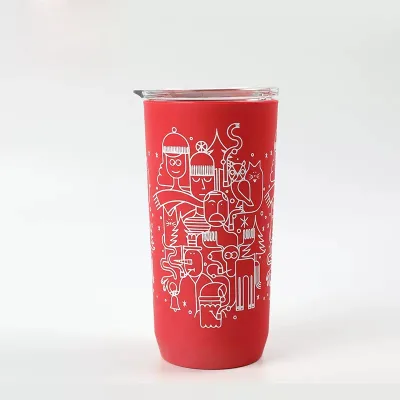


Big Capacity Juice Cup Ice Cup Pet Cup
$0.04 - $0.36
MOQ: 50000 Pieces
JIANGSU JINCAI POLYMER MATERIALS SCIENCE AND TECHNOLOGY CO., LTD.


Comprehensive Sourcing Guide
Sauce Cup Sourcing Guide
Sourcing sauce cups requires a careful balance between material integrity, functional design, and regulatory compliance. These small containers are critical for food service operations, particularly in settings where portion control and hygiene are paramount. Buyers must navigate a diverse market offering various materials, from polypropylene to polystyrene, each with distinct thermal and chemical properties. Understanding these material differences is the first step in selecting the right product for specific culinary applications, ensuring that the container maintains its structural integrity under varying temperature conditions.
The procurement process also involves evaluating logistical factors such as packaging density and shipping efficiency. Since sauce cups are lightweight but voluminous, optimizing carton packing is essential to reduce freight costs. Buyers should consider how the cup’s dimensions interact with standard pallet configurations to maximize container utilization. Additionally, the availability of customization options allows businesses to tailor products to their brand identity, making it crucial to align supplier capabilities with specific branding and functional requirements before finalizing orders.
Product Scope and Observed Listing Signals
The current market for sauce cups includes a variety of forms, ranging from simple round containers to specialized designs with lids. Observed listings indicate a strong presence of plastic-based options, with polypropylene and polystyrene being common materials. These products are often marketed for their versatility in kitchen and restaurant environments, serving as disposable packaging solutions for sauces, dressings, and condiments. The emphasis on safety and design trends suggests that manufacturers are increasingly focusing on user-friendly features, such as leak-proof seals and stackable designs, to enhance operational efficiency in high-volume food service settings.
Key attributes observed in supplier listings highlight the importance of capacity and weight specifications. Products are frequently described by their volume, such as 100ml or 30ml capacities, and their weight, which can range from 2.9g to 6.5g. These metrics are vital for buyers calculating cost-per-unit and ensuring consistency across supply batches. Furthermore, the distinction between disposable and non-disposable options is significant, with most sauce cups falling into the disposable category. Buyers should verify these attributes carefully, as they directly impact the product’s suitability for single-use versus reusable applications in different service models.
Technical Specifications to Verify
When evaluating sauce cups, buyers must prioritize material compatibility and thermal resistance. Polypropylene cups are often preferred for their ability to withstand higher temperatures, making them suitable for hot sauces or items that may be warmed before serving. In contrast, polystyrene options may offer better clarity and rigidity but might have lower heat tolerance. It is essential to verify the specific material grade and any additives used, as these factors influence the cup’s durability and safety when in contact with acidic or oily foods. Confirming these details ensures that the selected cups will not degrade or leach substances under normal usage conditions.
Dimensional accuracy and packaging efficiency are also critical technical considerations. The listed dimensions, such as 9560135mm for certain models, provide a baseline for storage and display planning. However, buyers should request actual samples to verify fit and functionality, as manufacturing tolerances can vary. Additionally, the packing configuration, whether it is 1000, 2000, or 2500 pieces per carton, affects inventory management and handling. Understanding these specifications helps in designing efficient warehouse layouts and ensuring that the product meets the physical requirements of the intended distribution channels.
Compliance and Safety Documentation
Regulatory compliance is non-negotiable for food-contact packaging, particularly when sourcing from international markets. Buyers must ensure that suppliers provide documentation confirming adherence to relevant food safety standards, such as FDA regulations for materials intended for contact with food. This verification is crucial to prevent legal liabilities and ensure consumer safety. It is advisable to request certificates of compliance or test reports that specifically address migration limits and material purity. Without proper documentation, even high-quality materials may pose risks, making this step a fundamental part of the qualification process.
Beyond basic food safety, buyers should also consider environmental and sustainability claims. Some listings mention eco-friendly or biodegradable features, which can be valuable for brands aiming to reduce their environmental footprint. However, these claims require substantiation through recognized certifications or third-party testing. Buyers should inquire about the specific standards these claims are based on and verify the supplier’s ability to provide ongoing compliance evidence. This diligence helps in maintaining brand integrity and meeting the growing consumer demand for sustainable packaging solutions, ensuring that marketing claims are backed by factual evidence.
Cost Drivers and Commercial Terms
The cost of sauce cups is influenced by several factors, including raw material prices, production volume, and packaging complexity. Polypropylene and polystyrene prices fluctuate with global oil markets, directly impacting the final unit cost. Buyers should monitor these trends and negotiate contracts that account for potential price variations. Additionally, the complexity of the design, such as the inclusion of lids or custom branding, can increase production costs. Understanding these drivers allows buyers to make informed decisions about material selection and design simplicity to optimize budget allocation without compromising quality.
Commercial terms, including minimum order quantities and payment conditions, play a significant role in the procurement strategy. Observed MOQs range widely, from 50 to 1,000,000 pieces, offering flexibility for both small businesses and large enterprises. Buyers should align their order sizes with their inventory capacity and sales forecasts to avoid excess stock or stockouts. Payment terms and lead times are also critical; longer lead times may require earlier planning and larger advance payments. Establishing clear commercial agreements helps in managing cash flow and ensuring a steady supply of products to meet market demand.
Supplier Qualification and Quality Control
Selecting a reliable supplier involves rigorous qualification and ongoing quality control measures. Buyers should assess the supplier’s manufacturing capabilities, including their production capacity and quality management systems. Factories with established QC processes are more likely to deliver consistent products that meet specified standards. It is advisable to conduct factory audits or request third-party inspection reports to verify these claims. Additionally, checking the supplier’s history and references can provide insights into their reliability and responsiveness, helping to mitigate risks associated with supply chain disruptions.
Quality control should extend to the final product inspection before shipment. Buyers should define clear acceptance criteria for defects, such as cracks, discoloration, or dimensional inaccuracies. Implementing a sampling plan based on statistical standards can help in detecting issues early. Furthermore, establishing a feedback loop with the supplier for continuous improvement is essential. Regular communication regarding performance metrics and any quality concerns fosters a collaborative relationship, ensuring that any deviations are addressed promptly and that the supplier remains committed to maintaining high standards throughout the partnership.
Long-Term Procurement Checks
Long-term procurement success depends on continuous monitoring of supplier performance and market dynamics. Buyers should establish key performance indicators, such as on-time delivery rates, defect rates, and responsiveness to issues. Regular reviews of these metrics help in identifying trends and addressing potential problems before they escalate. Additionally, staying informed about changes in regulations and consumer preferences is crucial. As sustainability becomes increasingly important, buyers should proactively explore new materials and designs that align with evolving market expectations, ensuring that their product offerings remain competitive and relevant.
Building a resilient supply chain also involves diversifying suppliers and maintaining strategic relationships. Relying on a single source can pose risks, so identifying alternative suppliers is a prudent strategy. Regularly engaging with suppliers to discuss future needs and innovations can lead to better collaboration and cost savings. Furthermore, investing in relationship management ensures that suppliers prioritize your business during peak demand periods. By focusing on long-term partnerships and strategic planning, buyers can secure a stable supply of high-quality sauce cups, supporting their business growth and customer satisfaction over time.
FAQs
What materials are used for sauce cups?
Sauce cups are commonly made from plastic materials such as PP and PS. These materials ensure durability and safety for food contact applications. Some options also include stainless steel for reusable kitchen equipment needs.
Can I find customizable Sauce Cup options?
Yes, customization is available for many Sauce Cup products. Buyers can request specific designs or branding to meet unique packaging requirements. This flexibility supports diverse kitchen and restaurant operational needs effectively.
What is the typical capacity of these cups?
Typical capacities range from 30ml to 100ml depending on the model. Specific models like the 2oz or 4oz variants offer precise volume control. This ensures suitability for various sauce portioning tasks in food service environments.
Which certifications do these products hold?
Many sauce cups comply with FDA standards for food safety. This certification ensures the materials are safe for direct food contact. Buyers should verify specific product listings to confirm compliance with their local regulatory requirements.
How are the cups packaged for shipment?
Cups are typically packed in export cartons with specific quantities per carton. Common packing includes 1000, 2000, or 2500 pieces per carton. This standardized packaging facilitates efficient logistics and inventory management for bulk buyers.
Where are these sauce cups manufactured?
Manufacturing origins include regions like Shandong and Guangdong in China. These locations are known for producing high-quality plastic and stainless steel packaging solutions. Buyers can source directly from these established manufacturing hubs.
Are there eco-friendly Sauce Cup options available?
Some products feature eco-friendly and biodegradable attributes. These options cater to sustainability goals while maintaining functionality for food packaging. Buyers seeking green solutions should look for specific product descriptions highlighting these features.