Source Cross-flow Aluminum Radiator for Tractors, Machinery, and Engines
Compare 28 cross-flow aluminum radiator options for tractors, machinery, and engines. Buyers can evaluate specifications, certifications, and pricing for direct-flow and cross-flow designs from Chinese manufacturers.
Key considerations
Products List

Aluminum Radiator for 30HP-50HP Tractor
$100.00 - $150.00
MOQ: 50 Pieces
Liaocheng Chiping District Bai Shengjie Machinery Manufacturing Co., Ltd

Core for Tractor Aluminum Radiator
$100.00 - $150.00
MOQ: 50 Pieces
Liaocheng Chiping District Bai Shengjie Machinery Manufacturing Co., Ltd

Aluminum Water Tank Radiator for 50HP-60HP Tractor
$100.00 - $150.00
MOQ: 50 Pieces
Liaocheng Chiping District Bai Shengjie Machinery Manufacturing Co., Ltd

Aluminum Water Tank Radiator for 50 HP Tractor
$100.00 - $150.00
MOQ: 50 Pieces
Liaocheng Chiping District Bai Shengjie Machinery Manufacturing Co., Ltd


Aluminum Radiator for China Tractor CT304
$80.00 - $100.00
MOQ: 50 Pieces
Liaocheng Chiping District Bai Shengjie Machinery Manufacturing Co., Ltd


High Quality New Aluminum Tractor Radiator for International OEM 405998r1
$70.00 - $75.00
MOQ: 15 Pieces




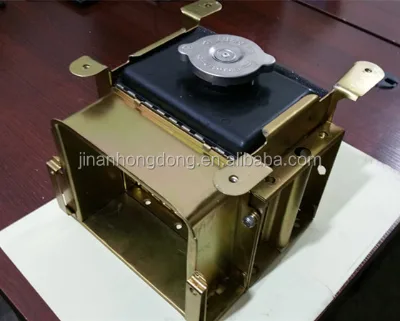
Comprehensive Sourcing Guide
Strategic Sourcing Guide for Cross-Flow Aluminum Radiators in Tractor Applications
The global agricultural machinery sector relies heavily on efficient thermal management systems to maintain engine longevity and operational uptime. Among the various cooling solutions available, the cross-flow aluminum radiator has emerged as a critical component for modern tractor fleets. Sourcing these units requires a disciplined approach that balances technical specifications, regulatory compliance, and supply chain reliability. This guide provides a comprehensive framework for procurement professionals to evaluate suppliers and select products that meet the rigorous demands of agricultural machinery applications.
Technical Architecture and Core Specifications
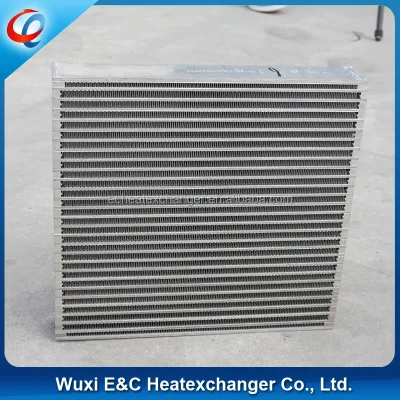
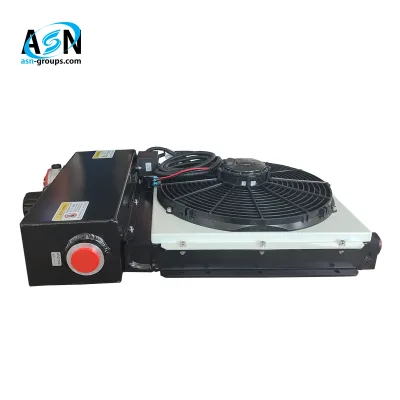
Understanding the physical and functional attributes of the cross-flow aluminum radiator is the first step in any procurement strategy. Unlike traditional vertical-flow designs, cross-flow radiators feature a horizontal fluid path where the coolant enters from one side of the tank and exits from the other. This design often allows for a more compact footprint, which is advantageous in the constrained engine bays of modern tractors. The primary construction material for these units is aluminum, selected for its superior thermal conductivity, lightweight profile, and resistance to corrosion compared to copper-brass alternatives.
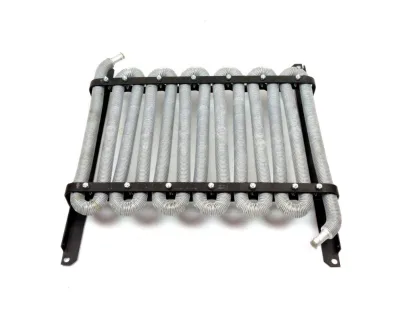
When evaluating product listings, buyers must scrutinize specific technical parameters. The core structure typically utilizes a tube-fin configuration or a pipe-belt arrangement to maximize surface area for heat dissipation. For instance, observed specifications in the market include core dimensions such as 432mm by 530mm with a thickness of 42mm, or larger variants like 737mm by 552mm. It is essential to verify that the radiator type matches the specific cooling requirement; while some units are designed as direct-flow, the target keyword specifically requires a cross-flow architecture. The cooling fluid compatibility is another critical variable. While some units are designed for industrial water, others may specify alcohol-based fluids or require specific fluid brands like Great Wall. Procurement teams must ensure the selected radiator is compatible with the tractor's existing cooling system chemistry to prevent internal degradation.
Furthermore, the structural integrity of the unit is paramount. Many high-performance radiators are constructed as sealed types to prevent leaks and maintain system pressure. The inclusion of a water temperature sensor, often of the digital type, can be a significant value-add for modern precision agriculture equipment, allowing for real-time monitoring of engine health. Buyers should request detailed engineering drawings that confirm the mounting points, inlet/outlet orientations, and overall dimensions to ensure a seamless fit within the tractor chassis.
Compliance, Certification, and Regulatory Standards
In the B2B machinery sector, regulatory compliance is not merely a formality but a prerequisite for market access and liability protection. When sourcing aluminum radiators, buyers must verify that the supplier possesses valid certifications that align with the target market's regulations. The supply chain data indicates that reputable manufacturers often hold certifications such as ISO, CE, and CCC (China Compulsory Certification). These certifications serve as evidence that the manufacturing process adheres to specific quality management systems and safety standards.
The presence of RoHS (Restriction of Hazardous Substances) compliance is also a common requirement, particularly for exports to North America and the European Union. This ensures that the aluminum radiators do not contain restricted levels of lead, mercury, cadmium, or other hazardous materials. While background knowledge suggests ISO 9001 is a standard for quality management, buyers should explicitly request current certification documents rather than relying on general industry assumptions. The certification status must be verified for each specific product batch, as manufacturing standards can vary between different production lines or facilities.
Additionally, the origin of the product plays a role in compliance. Many aluminum radiators for tractors originate from specific manufacturing hubs in China, such as Hubei province. Buyers should confirm the country of origin on the commercial invoice and ensure that the product meets the import regulations of the destination country. For instance, the main markets for these components often include North America, South America, and Eastern Europe, each with its own set of regulatory requirements regarding agricultural machinery parts. Verifying that the supplier has the necessary documentation to support customs clearance and regulatory audits is a vital step in the sourcing process.
Cost Drivers and Pricing Dynamics
The pricing of cross-flow aluminum radiators is influenced by a complex interplay of material costs, manufacturing complexity, and order volume. The observed price range in the current market spans from approximately $6.60 to $465.00 USD. This significant variance is not indicative of quality differences alone but reflects the diversity in specifications, such as core size, tank capacity, and the inclusion of advanced features like digital sensors or specific sealing technologies.
Material costs, particularly the price of aluminum ingots, are a primary driver of the base price. Larger radiators with more extensive core surfaces naturally command higher prices due to the increased material usage. For example, a radiator with dimensions of 737mm by 552mm will inherently cost more than a compact unit measuring 240mm by 340mm. Additionally, the complexity of the manufacturing process, such as the brazing techniques used for aluminum cores, impacts the final cost. Units with custom modifications or specialized fittings may also carry a premium.
Order volume is another critical factor. The minimum order quantity (MOQ) in the market ranges from 1 unit to 500 units. Buyers purchasing in bulk can often negotiate more favorable pricing tiers, whereas single-unit purchases or small batches may incur higher per-unit costs. Lead times also influence pricing; standard lead times of around one month or 30-45 days are common, but expedited shipping or rush orders may incur additional charges. Buyers should analyze the total cost of ownership, including shipping, tariffs, and potential inventory holding costs, rather than focusing solely on the unit price.
Application Specifics and Compatibility Verification
The application of cross-flow aluminum radiators is highly specific to the tractor model and engine configuration. The market data reveals a wide array of compatible models, ranging from 30Hp to 60Hp tractors. Specific applications include models from major manufacturers such as John Deere, Yanmar, Dongfeng, Case, and International. For instance, specific part numbers like Re70236 or OE numbers such as Ar90740/Re21897 are associated with particular tractor models.
Buyers must exercise extreme caution when matching a radiator to a tractor. The compatibility is not always universal; a radiator designed for a 50Hp tractor may not fit a 60Hp variant due to differences in engine heat output and mounting geometry. The product specifications often list the exact model numbers, such as "Dongfeng 854-A" or "Case 530CK 580B 580CK," which serve as critical reference points. It is essential to cross-reference the tractor's engine serial number and the existing radiator's part number with the supplier's compatibility list.
Furthermore, the application field is generally categorized as "Machinery," but the specific operational environment matters. Tractors used in heavy-duty tilling or high-temperature environments may require radiators with enhanced cooling capacity or specific fluid types. Buyers should verify that the radiator's cooling capacity matches the thermal load of the specific tractor engine. The system type, whether combined or standalone, and the cooling fluid type (e.g., industrial water vs. alcohol) must also align with the tractor's operational requirements to ensure optimal performance and prevent overheating.
Supplier Evaluation and Service Capabilities
Selecting the right supplier is as important as selecting the right product. Buyers should evaluate potential suppliers based on their R&D capacity, customization options, and service levels. The supply chain data indicates that many manufacturers offer OEM (Original Equipment Manufacturer) and ODM (Original Design Manufacturer) services, allowing for customization of the radiator to fit specific tractor models or branding requirements. This flexibility is crucial for buyers looking to source parts for older or niche tractor models where off-the-shelf options may be limited.
Service capabilities are another key metric. Suppliers that offer 24-hour customer service can provide rapid support for technical inquiries, order tracking, and issue resolution. Payment terms, such as TT, PayPal, Western Union, or Trade Assurance, also reflect the supplier's reliability and financial stability. Buyers should prioritize suppliers that offer secure payment channels and have a track record of fulfilling orders within the stated lead time.
The supplier's location and logistics network should also be considered. With origins in China and main markets spanning North America, South America, and Eastern Europe, buyers must assess the supplier's ability to handle international shipping and customs clearance efficiently. A supplier with a strong logistics network can reduce lead times and mitigate the risk of delays. Additionally, the supplier's ability to provide technical documentation, such as installation manuals and maintenance guides, adds value to the procurement process.
Quality Control and Long-Term Procurement Strategy
Ensuring the quality of cross-flow aluminum radiators requires a robust quality control (QC) strategy. Buyers should implement a multi-stage QC process that includes pre-production sample verification, in-process inspections, and final product testing. The condition of the product, typically listed as "New," should be verified upon receipt to ensure there is no damage during transit. The packaging, often in paper boxes or cartons, should be inspected to confirm that the units are protected against corrosion and physical impact.
Long-term procurement considerations involve building a sustainable relationship with suppliers. This includes establishing clear communication channels, agreeing on consistent quality standards, and setting expectations for delivery times. Buyers should also consider the availability of spare parts and the supplier's ability to scale production in response to demand fluctuations. The average lead time of one month or 30-45 days should be factored into inventory planning to prevent stockouts.
Finally, buyers should maintain a detailed record of all procurement activities, including supplier performance metrics, product specifications, and compliance documentation. This data will be invaluable for future sourcing decisions and for troubleshooting any issues that arise with the radiators in the field. By adopting a disciplined, evidence-based approach to sourcing, buyers can secure high-quality cross-flow aluminum radiators that enhance the performance and reliability of their tractor fleets.
FAQs
What certifications do cross-flow aluminum radiators typically hold?
These radiators commonly hold ISO, CE, and CCC certifications. Some listings also indicate RoHS compliance to ensure restricted hazardous substances are not present. Buyers should verify specific certification documents for each product batch to confirm regulatory alignment.
Which tractor models are compatible with these aluminum radiators?
Compatible models include John Deere, Yanmar, Dongfeng 854-A, and Case variants like 530CK. Specifications often list horsepower ranges from 30Hp to 60Hp. Buyers must cross-reference exact model numbers and part numbers to ensure proper fitment.
Can buyers request customization for these radiator units?
Yes, customization is available for these aluminum radiators. Suppliers often provide OEM and ODM services to adapt units to specific tractor models or branding needs. This flexibility is crucial for sourcing parts for older or niche tractor models.
How long is the average lead time for delivery?
The average lead time is typically one month, with some suppliers stating 30 to 45 days. This duration accounts for manufacturing and preparation. Buyers should factor this timeline into their inventory planning to prevent operational delays.
What is the minimum order quantity for these products?
The minimum order quantity ranges from 1 to 500 units depending on the supplier. Bulk purchases often allow for more favorable pricing tiers compared to single-unit orders. Buyers should negotiate based on their specific volume requirements.
Which cooling fluid types are compatible with these radiators?
Compatible fluids include industrial water and alcohol-based solutions. Some units specify brands like Great Wall for cooling fluids. It is essential to verify compatibility with the tractor's existing cooling system chemistry to prevent internal degradation.
Where are these aluminum radiators typically manufactured?
These radiators originate from China, with specific manufacturing hubs located in Hubei province. The main export markets include North America, South America, and Eastern Europe. Buyers should confirm the country of origin on commercial invoices for customs clearance.