Source cruelty-free lanolin oil balm for skincare, massage, and dryness care
Find 30 cruelty-free lanolin oil balm options from Chinese manufacturers. Compare OEM/ODM services, certifications like MSDS and GMPC, and natural ingredients including lanolin and jojoba oil for home use and daily skincare applications; compare the available evidence and request quotations based on your requirements.
Updated
Key considerations
Products List
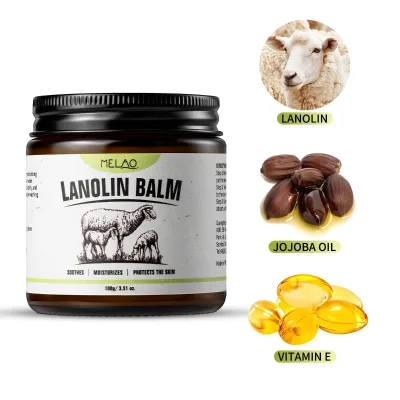
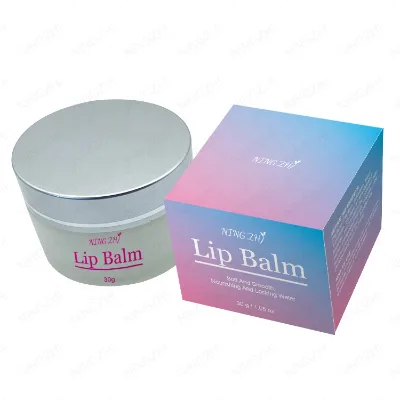

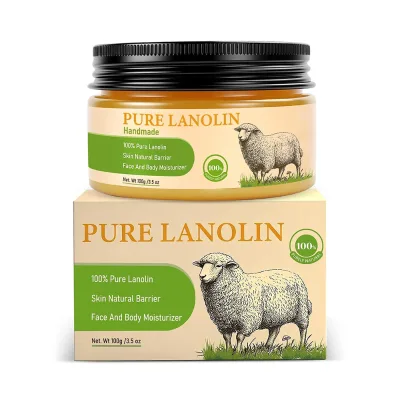
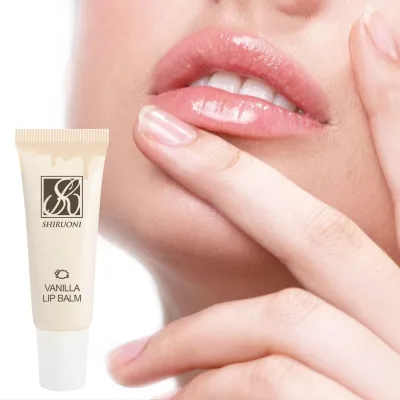
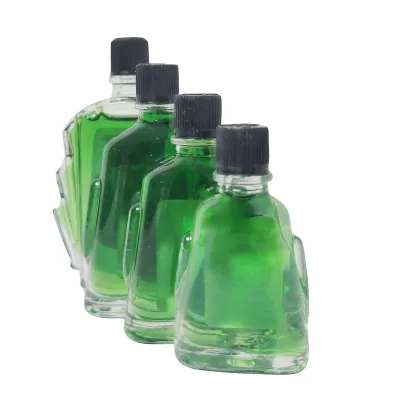


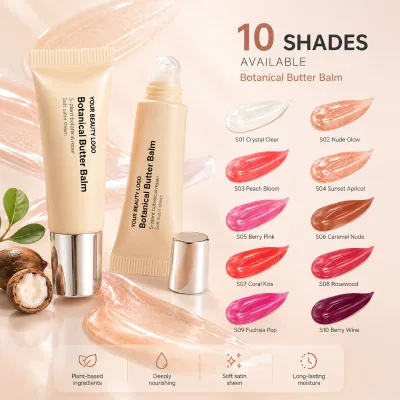
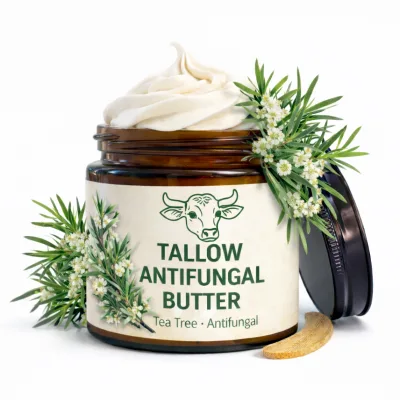
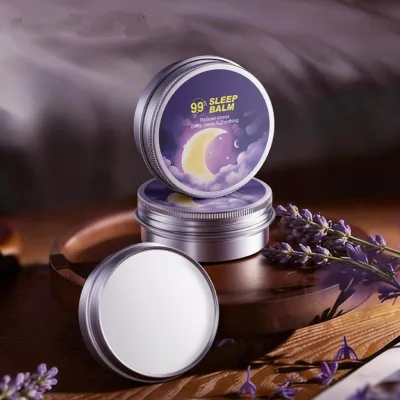
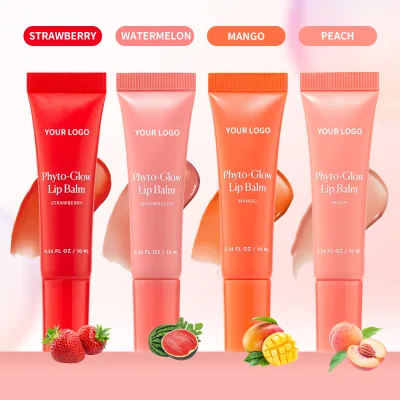
Custom Antifungal Tallow Balm | Organic Tea Tree Oil Itchy Skin Relief Butter | OEM/ODM Wholesale
$1.0472 - $2.0944
MOQ: 1000 pieces

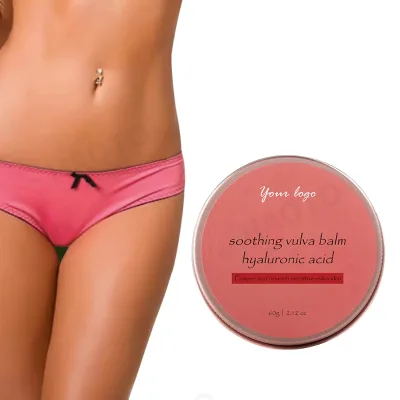
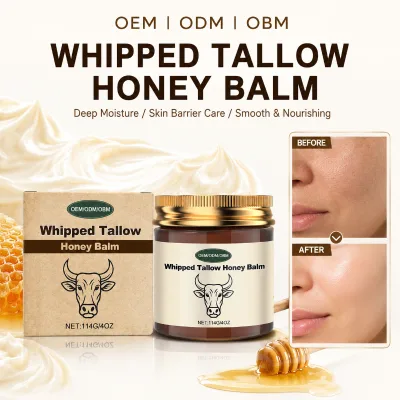
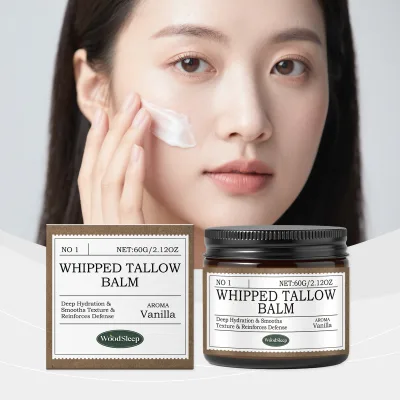
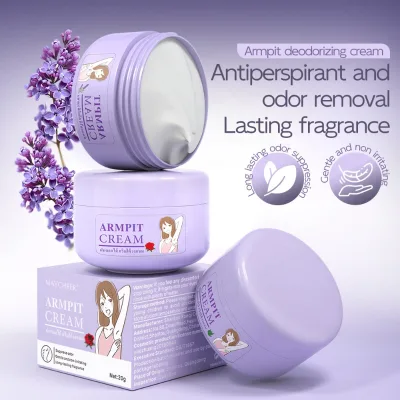
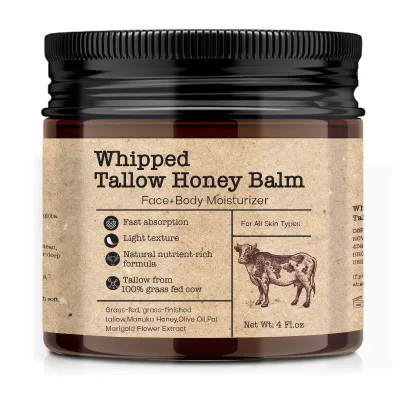
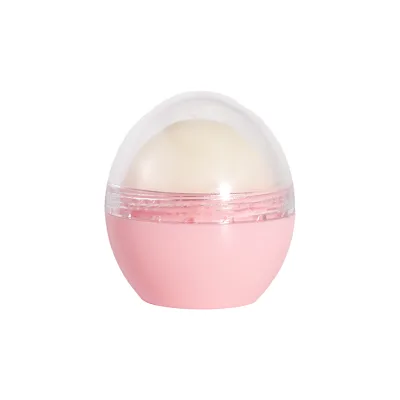
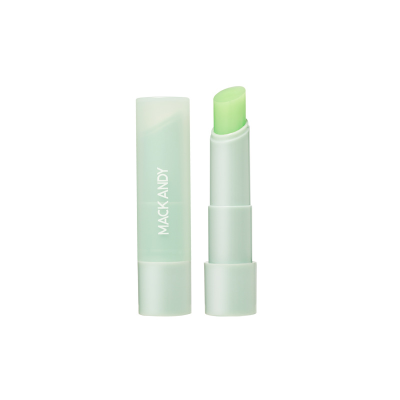


Comprehensive Sourcing Guide
Cruelty-Free Lanolin Oil Balm Sourcing Guide
Buyers evaluating cruelty-free lanolin oil balm must first distinguish between finished cosmetic formulations and raw material supplies, as the market presents distinct product categories. The observed listings include finished balms with specific functions like smoothing and nourishing, alongside raw lanolin ingredients intended for further processing or bulk manufacturing. Understanding this distinction is critical because the verification requirements for a finished consumer product differ significantly from those for a raw material supplier.
Procurement decisions should begin by analyzing the specific product attributes listed, such as the presence of vegan claims or organic certifications, which may not apply to all lanolin sources. While some listings explicitly state "Cruelty-Free" and "Vegan" ingredients, others focus on the purity of the raw material without these specific ethical labels. Buyers must carefully cross-reference the ingredient lists and brand claims to ensure the final product aligns with their specific sustainability and ethical sourcing mandates before engaging with a supplier.
Product Scope and Observed Listing Signals
The product scope for cruelty-free lanolin oil balm encompasses both ready-to-use balms and bulk raw materials, with observed listings featuring formats like balms and creams in various package sizes. Finished products often highlight functions such as curing dryness, soothing skin, and revitalizing, while raw material listings emphasize purity and application in aromatherapy or healthcare. This variation requires buyers to clearly define whether they are sourcing a finished good for private label or a raw ingredient for their own formulation process.
Listing signals indicate a wide range of customization options, including private labeling, OEM, and ODM services, which are available for both finished balms and raw ingredients. Some products are marketed specifically for home use with a focus on daily care, while others target broader applications like massage and skincare. Buyers should verify the specific model numbers and packaging details, such as single package sizes ranging from small retail units to large industrial drums, to ensure the supply matches their operational scale.
Technical Specifications to Verify
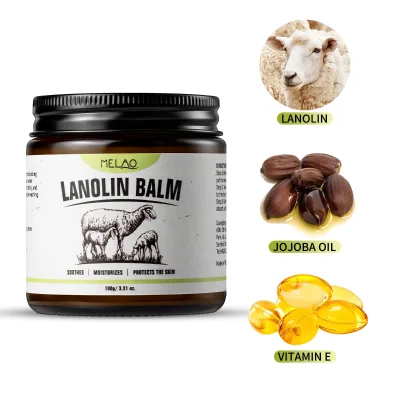
Technical verification must focus on the physical and chemical properties of the lanolin, including the main ingredients like lanolin, jojoba oil, and vitamin E, which are common in the observed listings. Buyers should confirm the net weight and volume specifications, noting that finished balms often come in 100g units while raw materials may be sold in bulk quantities like 25kg or 180kg. Ensuring the correct single gross weight and package dimensions is essential for logistics planning and inventory management.
Shelf life and storage stability are critical technical parameters, with observed listings showing shelf lives ranging from two to three years depending on the product type. Buyers need to verify the specific storage conditions and the stability of the formulation, particularly for products claiming to be 100% pure nature or organic. The model numbers and standard specifications provided by suppliers should be cross-checked to ensure consistency in the product's physical characteristics and performance over time.
Compliance and Safety Documentation
Compliance verification requires a thorough review of the certification documents provided by suppliers, as the observed listings mention a variety of standards including MSDS, GMPC, ISO, FDA, and GMP. Buyers must ensure that the specific certifications requested match the regulatory requirements of their target market, as not all suppliers may hold every listed certification for every product variant. The presence of a Certificate of Analysis (COA) is particularly important for verifying the purity and safety of the raw lanolin ingredients.
Safety documentation should also address the ethical claims made in the product listings, such as "Cruelty-Free" and "Vegan" status, which require specific verification beyond standard manufacturing certifications. Buyers should request detailed ingredient lists and sourcing declarations to confirm that the lanolin is ethically harvested and that no animal testing was involved in the development of the final product. This due diligence is essential to maintain brand integrity and avoid regulatory issues related to false advertising or non-compliance with animal welfare laws.
Cost Drivers and Commercial Terms
Cost drivers for cruelty-free lanolin oil balm are influenced by the complexity of the formulation, the level of customization, and the volume of the order, with observed MOQs ranging from single items to 50,000 units. Buyers should anticipate that private label services and specific ingredient combinations, such as the inclusion of organic or herbal components, may increase the unit price compared to standard formulations. The packaging requirements, including custom carton boxes or specific bottle sizes, also play a significant role in the overall cost structure.
Commercial terms must be clearly defined regarding sample availability, lead times, and payment conditions, as these factors can vary significantly between suppliers. While some listings indicate that samples are available, the cost and shipping terms for these samples should be negotiated upfront. Buyers should also clarify the terms for bulk orders, including the impact of volume discounts and the flexibility of the supplier to accommodate changes in order size or packaging specifications.
Supplier Qualification and Quality Control
Supplier qualification should prioritize manufacturers with a proven track record in the skincare industry, as evidenced by the "20+ Years Experiences" claim found in some listings. Buyers should verify the supplier's production capabilities, including their ability to handle OEM and ODM requests, and their experience with specific product types like balms and creams. The location of the manufacturing facility, often noted as Guangdong, China, should be considered in the context of logistics and supply chain reliability.
Quality control processes must be robust, with suppliers expected to provide regular testing results and adherence to international standards like ISO and GMPC. Buyers should implement a rigorous inspection protocol that includes pre-shipment inspections and random sampling to ensure the product meets the specified purity and safety standards. Establishing a clear communication channel for quality issues and defining the remediation process is essential for maintaining a consistent supply of high-quality cruelty-free lanolin products.
Long-Term Procurement Checks
Long-term procurement checks should focus on the supplier's ability to maintain consistent quality and ethical standards over time, especially as the product line expands or market regulations evolve. Buyers should schedule regular audits and reviews of the supplier's certification status to ensure ongoing compliance with cruelty-free and organic standards. This proactive approach helps mitigate the risk of supply chain disruptions and ensures that the product remains aligned with the buyer's brand values.
Continuous monitoring of market trends and competitor offerings is also vital for maintaining a competitive edge in the cruelty-free skincare sector. Buyers should stay informed about changes in consumer preferences and regulatory requirements that may impact the sourcing of lanolin and other key ingredients. By maintaining a flexible and responsive supply chain, buyers can adapt to new challenges and opportunities, ensuring the long-term success of their cruelty-free lanolin oil balm product line.
FAQs
What are the main ingredients in this lanolin balm?
The primary ingredients include lanolin, jojoba oil, and vitamin E. These components work together to provide deep nourishment and soothing effects for the skin. The formulation is designed to be vegan, organic, and cruelty-free, ensuring it meets ethical standards while effectively curing dryness and cracks for daily care.
Can I get private label services for this product?
Yes, private label services are available for this lanolin balm. The supplier offers OEM and ODM customization options, allowing you to create a unique brand identity. You can customize the packaging and product specifications to meet your specific market needs, leveraging their twenty-plus years of experience in the industry.
What certifications does this lanolin balm hold?
This product holds several key certifications including MSDS, GMPC, ISO, FDA, and GMP. These credentials ensure the product meets international safety and quality standards. The presence of a COA further verifies its purity and compliance, making it suitable for global distribution and trusted by consumers seeking safe skincare solutions.
What is the minimum order quantity for this balm?
The minimum order quantity varies by product type. For the specific balm model, the MOQ is listed as 25KG. However, other variations may have different thresholds ranging from 1 to 50,000 units. Buyers should confirm the exact MOQ with the supplier based on their chosen customization and packaging requirements.
Is this lanolin balm suitable for all skin types?
Yes, this lanolin balm is formulated for all skin types. It is designed to be gentle yet effective, providing moisturizing and skin revitalizing benefits. The soothing properties help cure dryness and cracks, making it ideal for daily care. Its vegan and organic ingredients ensure it is safe for regular use by adults.
Where is this lanolin balm manufactured?
This lanolin balm is manufactured in Guangdong, China. The production facility adheres to strict quality standards, supported by certifications like ISO and GMP. Buyers can rely on the consistent quality and supply chain efficiency provided by this location, which is a major hub for cosmetic and skincare product manufacturing.