Source cruelty-free wispy strip eyelashes for Beauty, Events, and Retail
Source cruelty-free wispy strip eyelashes from 30 verified listings. Compare options made from human hair, faux mink, or fur with varying thicknesses, curls, and band types. Evaluate specifications like 0.07mm to 0.25mm thickness and C or D curls to find the right fit for your beauty needs.
Updated
Key considerations
Products List
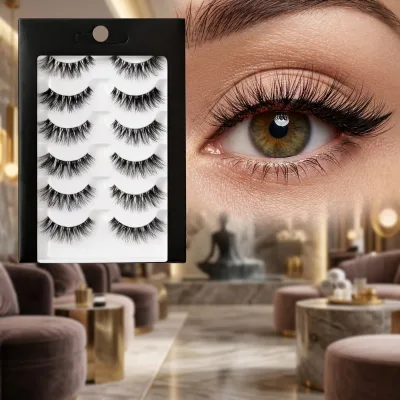
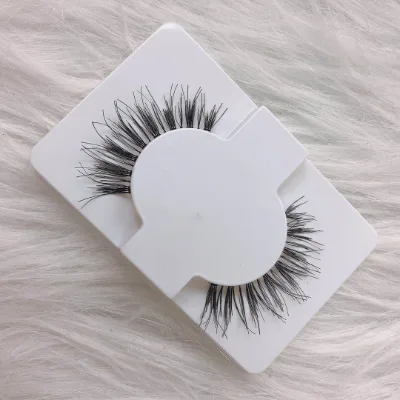
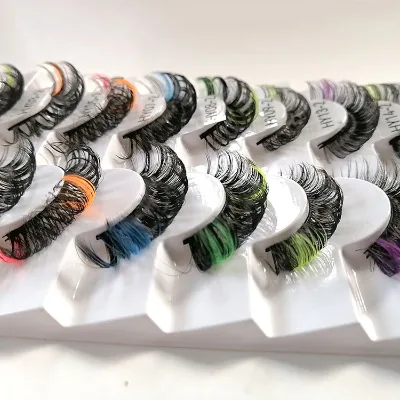


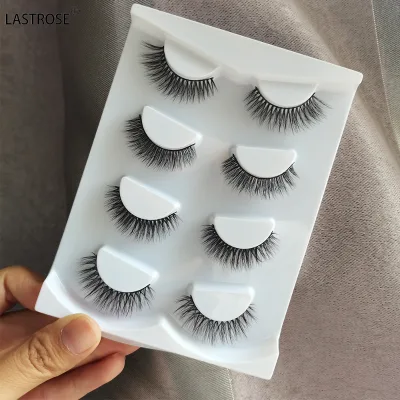
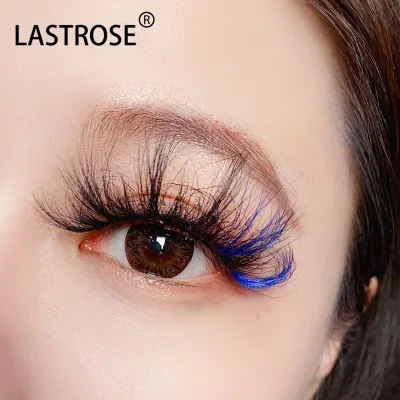
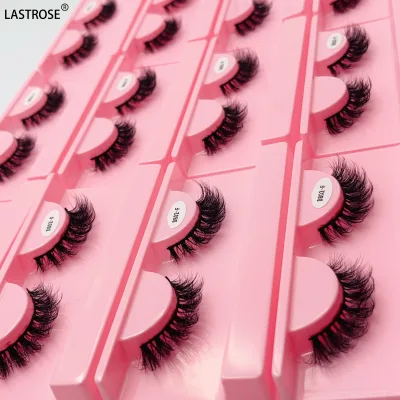
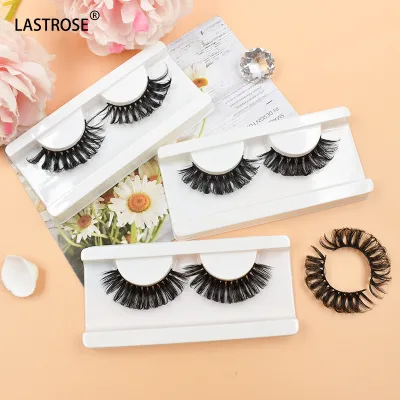
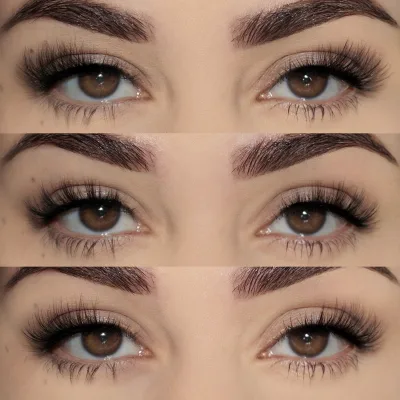
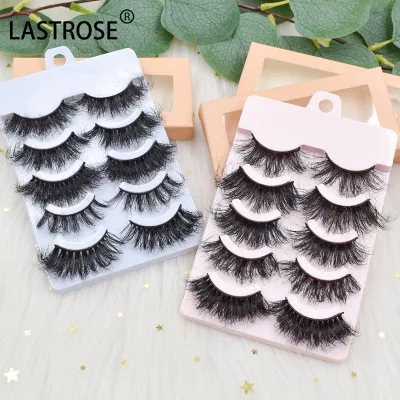

Russian Strip Lashes C Curl False Eyelashes Fluffy Wispy Faux Mink Lashes
$0.20 - $0.25
MOQ: 500 Pieces

Mink Natural False Eyelashes Fluffy Soft Wispy Volume Long Cross Strip Lashes
$0.20 - $0.25
MOQ: 500 Pieces




Comprehensive Sourcing Guide
Cruelty-Free Wispy Strip Eyelashes Sourcing Guide
Sourcing cruelty-free wispy strip eyelashes requires careful verification of material composition and manufacturing ethics to ensure alignment with modern consumer values. The available market data indicates that products labeled as cruelty-free often utilize materials such as faux mink or human hair, with specific listings confirming a "Cruelty Free" feature alongside "Faux Mink" and "Human hair" material attributes. Buyers must distinguish between these material types, as the ethical implications and texture profiles differ significantly between synthetic alternatives and natural hair sources.
Procurement decisions should also account for the specific construction methods observed in current listings, which range from semi-hand-made to fully handmade techniques. The presence of "Hand Made" and "Semi-Hand Made" attributes suggests that labor-intensive processes are common in this category, potentially influencing both the final product quality and the unit cost. Understanding these production nuances is essential for selecting a supplier who can consistently deliver the desired wispy aesthetic while maintaining the ethical standards required for a cruelty-free certification.
Product Scope and Observed Listing Signals
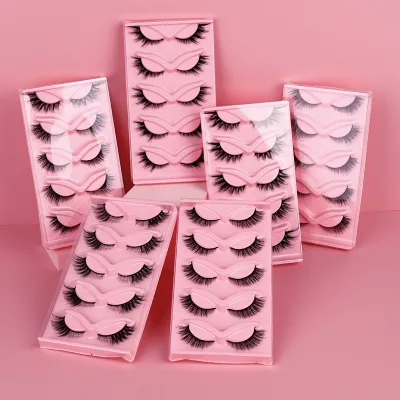
The product scope for wispy strip eyelashes encompasses a variety of styles, including winged, feather, and natural long designs, each catering to distinct aesthetic preferences. Market observations reveal that these products are frequently categorized as full strip lashes or fully strip eyelashes, with specific style attributes like "Winged" and "Feather" indicating the intended visual effect. Buyers should verify that the specific style matches their target demographic, as the "Wispy" look often relies on a mix of lengths and densities that are not always explicitly detailed in standard listings.
Listing signals also highlight significant variations in packaging and branding, with some suppliers offering customized packages while others provide standard units. The data shows a wide range of single package sizes, from compact 13.6x9.9x2.7 cm boxes to larger 18x12x10 cm containers, which impacts logistics and storage costs. Additionally, brand names like "Maynice" appear in the dataset, but buyers should remain cautious of generic listings that may lack distinct branding or clear origin information, ensuring that the product scope aligns with their specific quality and branding requirements.
Technical Specifications to Verify
Technical verification must begin with the lash band composition, as the data presents conflicting attributes such as "invisible band," "Plastic Cotton Band," and "Cotton Terrier." These variations directly affect the comfort and wearability of the product, with invisible bands often preferred for a natural look and cotton bands offering durability. Buyers should explicitly request physical samples to confirm the band material, as the listed specifications may vary between different production batches or supplier sub-lines, and the wrong band type can lead to customer dissatisfaction.
Thickness and length specifications are equally critical, with observed ranges spanning from 0.07mm to 0.25mm in thickness and 9mm to 10mm in length. The dataset includes both single measurements like "10 mm" and mixed ranges, indicating that suppliers may offer customizable length profiles to achieve the wispy effect. Procurement teams must validate that the thickness falls within the desired range for the specific application, as thicker lashes may appear too heavy for a wispy style, while thinner lashes might lack the necessary volume, requiring precise specification alignment before bulk ordering.
Compliance and Safety Documentation
Compliance verification for cruelty-free products necessitates a rigorous review of the supplier's ethical sourcing policies and material declarations. While the provided data explicitly lists "Cruelty Free" as a feature, buyers must demand supporting documentation that proves the absence of animal testing throughout the supply chain, from raw material sourcing to final packaging. The presence of "Faux Mink" and "Human hair" materials requires distinct verification protocols, as human hair sourcing involves different ethical considerations compared to synthetic alternatives, and both must be free from prohibited animal testing practices.
Safety documentation should also address the physical safety of the adhesive and band materials used in the lash construction. Although specific chemical test results are not provided in the current context, buyers should require Material Safety Data Sheets (MSDS) and biocompatibility reports to ensure the products do not cause allergic reactions or eye irritation. The "Top Qulity" attribute observed in some listings is a marketing claim rather than a verified standard, so independent third-party testing reports are essential to substantiate safety claims and ensure compliance with international cosmetic safety regulations.
Cost Drivers and Commercial Terms
Cost drivers in this category are heavily influenced by the production method, with "Hand Made" and "Semi-Hand Made" techniques generally commanding higher prices than fully automated processes. The data indicates a wide price range from $0.14 to $205, reflecting the disparity between basic synthetic lashes and premium human hair or custom-designed options. Buyers must analyze the cost per unit against the perceived value of the handmade labor, as the "Hand Made" attribute often correlates with higher quality but also higher minimum order quantities and longer lead times.
Commercial terms vary significantly, with observed payment methods including TT, Western Union, PayPal, and Trade Assurance, alongside diverse MOQs ranging from 1 pair to 10,000 units. The flexibility in MOQ allows for smaller initial orders, but buyers should negotiate volume discounts to improve margins as order quantities increase. Additionally, shipping options like DHL, UPS, and FedEx are available, but the single gross weight varies from 0.200 kg to 50.0 kg depending on the order size, which directly impacts freight costs and should be factored into the total landed cost calculation.
Supplier Qualification and Quality Control
Supplier qualification requires a thorough assessment of their manufacturing capabilities and quality control systems, particularly given the "Hand Made" nature of many products. The dataset lists "24 Hours Service" and "Customization Available," suggesting a responsive supply chain, but buyers must verify the consistency of these services through direct communication and sample evaluation. The presence of multiple model numbers like "wsp" and "HY" indicates that suppliers may have different production lines, and understanding which line produces the specific wispy style is crucial for maintaining quality consistency.
Quality control protocols should focus on the uniformity of the lash band and the consistency of the hair density across the strip. The observed "Single gross weight" variations, such as 0.250 kg versus 0.200 kg, may indicate differences in packaging or product density that affect the final quality. Buyers should implement a strict sampling plan to check for defects like uneven curling or loose hairs, ensuring that the "Durable" and "Top Qulity" claims are met in every batch before committing to large-scale procurement agreements.
Long-Term Procurement Checks
Long-term procurement success depends on establishing a robust framework for ongoing quality monitoring and supplier performance evaluation. Buyers should schedule regular audits to verify that the "Cruelty Free" status and material specifications remain consistent over time, as production processes can drift without strict oversight. The ability to accept "Customized Package" and "Customization" suggests that suppliers are adaptable, but this flexibility must be managed through clear change control procedures to prevent unintended variations in product specifications.
Market trends and consumer preferences for wispy lashes may evolve, requiring suppliers to adapt their product offerings accordingly. The observed "Color" options, ranging from specific codes like "01,02,03" to "15,11,1,2,3," indicate a need for a diverse color palette to meet changing demands. Procurement teams should maintain open lines of communication with suppliers to anticipate these shifts and ensure that the supply chain can deliver new styles or colors without compromising the established quality and ethical standards of the cruelty-free product line.
FAQs
What materials are used for these false eyelashes?
The products utilize human hair, faux mink, and fur materials to create distinct textures and finishes. Buyers can select from options like plastic cotton bands or invisible bands depending on comfort preferences. These material choices ensure a natural look while maintaining the cruelty-free standards required by modern beauty consumers seeking ethical sourcing solutions.
Can I customize the packaging for my brand?
Yes, customized packaging is accepted for bulk orders to support private labeling needs. Suppliers offer flexible packaging solutions that allow brands to display their unique identity effectively. This service ensures that your product arrives ready for retail display, enhancing brand recognition and providing a professional unboxing experience for your end customers without compromising product integrity.
What is the minimum order quantity for these lashes?
The minimum order quantity starts at just one pair, allowing for easy sampling and testing. This low entry point enables buyers to evaluate quality and fit before committing to larger volumes. It supports flexible procurement strategies for small businesses or individual buyers who wish to assess product performance without significant initial inventory investment or financial risk.
Which curl types are available for these eyelashes?
Available curl options include C curl and D curl styles to suit various eye shapes. These specific curls provide different lifting effects, from natural enhancement to dramatic volume. Buyers can choose the appropriate curl type based on desired aesthetic outcomes, ensuring the lashes complement the wearer's natural eye structure while delivering the intended visual impact and style.
How are these eyelashes manufactured and finished?
Manufacturing processes include both semi-handmade and fully handmade techniques for precision and quality. The production emphasizes durability and natural long styles, with some options featuring 3D effects for added volume. These methods ensure consistent band application and lash distribution, resulting in comfortable wear and reliable performance that meets high-quality standards for professional beauty applications and daily use.
What payment methods are supported for transactions?
Supported payment methods include TT, Western Union, PayPal, Money Gram, and Trade Assurance. These diverse options provide flexibility for international buyers to choose their preferred secure transaction channel. The inclusion of Trade Assurance offers additional protection for orders, ensuring that payments are handled safely and that buyers have recourse if product delivery or quality does not meet agreed terms.