Source Cryogenic Grinding Instrument for Lab, Pharma, and Food
Find and compare 30 Cryogenic Grinding Instrument options from Shanghai suppliers. These BAXIT models feature PLC automation, 220V power, and stainless steel construction for efficient material pulverization in laboratory and industrial settings.
Key considerations
Products List
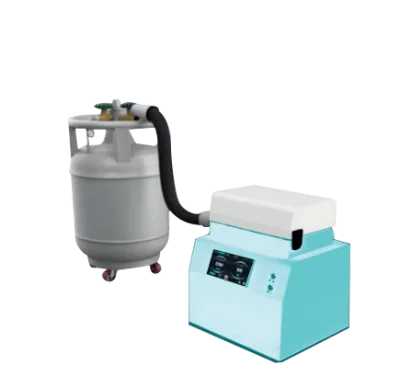
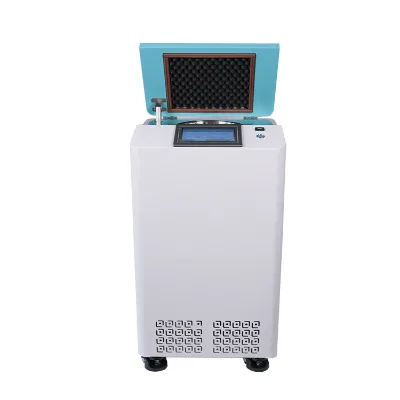
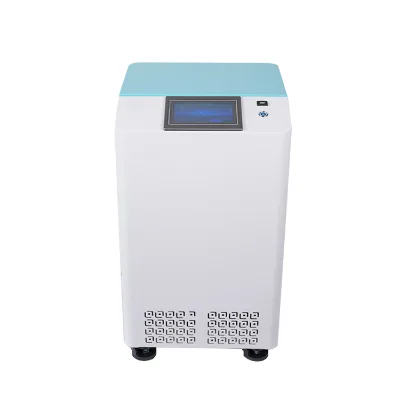


Cryogenic Grinding Mill - Core Equipment for Heat-Sensitive Material Pulverization
$12000.00 - $100000.00
MOQ: 1 Sets


$20000.00 - $30000.00
MOQ: 1 Pieces


Comprehensive Sourcing Guide
Cryogenic Grinding Instrument Sourcing Guide
Sourcing a Cryogenic Grinding Instrument requires a precise understanding of how low-temperature processing enables the pulverization of materials that are otherwise difficult to grind at ambient temperatures. These systems, often referred to as liquid nitrogen pulverizers, utilize cryogenic fluids to embrittle samples, allowing for fine particle size reduction without thermal degradation or chemical alteration. For procurement teams, the primary decision point involves selecting between automated, computerized units and manual or semi-automated configurations, depending on the throughput requirements and the nature of the materials being processed. The observed market signals indicate a strong presence of stainless steel 304/316 construction, which is critical for maintaining hygiene and corrosion resistance, particularly in laboratory or food-grade applications.
The procurement landscape for these instruments is characterized by a wide range of model numbers and specifications, suggesting a high degree of customization and modular design. Buyers must navigate a spectrum of options, from standard German-style pulverizers to specialized units designed for liquid nitrogen freezing, such as the BXT-LD series and BO-IR models. The presence of PLC (Programmable Logic Controller) core components in many listings points toward a shift toward automated, computerized operation, which enhances repeatability and reduces manual intervention. However, the variability in observed attributes, such as the presence or absence of variable speed controls and specific voltage requirements, necessitates a rigorous verification process to ensure the selected instrument aligns with the facility’s electrical infrastructure and operational workflows.
Product Scope and Observed Listing Signals
The product scope for cryogenic grinding instruments encompasses a variety of configurations tailored for laboratory and industrial applications. Observed listings highlight models such as the BXT-LD24S, BXT-LD48S, BXT-LD64S, and BXT-LD96S, which appear to represent different capacities or configurations within a product line. Additionally, specialized models like the BXT-YD-96S, explicitly noted for liquid nitrogen freezing, and the BO-IR and JNLM series, indicate that suppliers offer solutions for diverse material properties. The core keyword "cryogenic pulverizer" is frequently used alongside "liquid nitrogen pulverizer," confirming that the primary mechanism for achieving fine particle sizes involves the use of cryogenic fluids to induce brittleness in the target material.
Key attributes observed in the market include a focus on stainless steel construction, with contact materials specified as 304 stainless steel, ensuring durability and ease of cleaning. The power consumption for many units is observed around 375W, with a standard voltage requirement of 220V, which is typical for laboratory equipment in many regions. The weight of the instruments varies, with some units weighing 55kg and others 45kg, reflecting differences in build quality and component density. Furthermore, the availability of OEM services and customizable colors suggests that buyers can tailor the equipment to specific branding or facility aesthetic requirements, although the core functionality remains centered on high-speed universal milling and cryogenic processing.
Technical Specifications to Verify
When evaluating technical specifications, the first critical step is to verify the material composition of the grinding chamber and contact parts. While many listings specify stainless steel 304/316, buyers must confirm that all components coming into contact with the sample are made of food-grade or pharmaceutical-grade stainless steel to prevent contamination. The type of screw mechanism is another vital specification; double-screw designs are observed in some models, which may offer different grinding dynamics compared to single-screw or disc-based systems. Buyers should also verify the disc or wheel type, as cutting disc configurations may be suitable for certain materials but less effective for others, requiring a match between the instrument’s mechanical design and the physical properties of the sample.
Electrical and operational parameters must be strictly aligned with the buyer’s facility capabilities. The observed voltage of 220V is common, but buyers must confirm whether the unit requires a dedicated circuit or if it can be integrated into existing laboratory power supplies. The presence of a PLC core component indicates automated control, but buyers should verify the level of automation, including whether variable speed controls are available or if the unit operates at a fixed speed. Additionally, the power source is listed as electricity, but the specific power rating (e.g., 375W) should be cross-referenced with the expected throughput to ensure the motor is adequately sized for the intended volume of material. The model number, such as BXT-LD24S or BO-IR, should be used to request detailed technical datasheets that outline the exact dimensions, weight, and operational limits of the specific unit.
Compliance and Safety Documentation
Compliance and safety are paramount when handling cryogenic equipment, which involves the use of liquid nitrogen and high-speed mechanical components. Buyers must verify that the instrument carries valid CE and ISO9001 certifications, as these are frequently mentioned in product listings. However, it is crucial to request current, verifiable certificates rather than relying on marketing claims, as certification status can change and may not cover all models in a product line. The presence of a machinery test report is often listed as "Not Available," which is a red flag for buyers who require documented proof of performance and safety testing before procurement. In such cases, buyers should negotiate for third-party testing or on-site verification to ensure the equipment meets international safety standards.
Safety documentation should also include detailed operating manuals that cover the handling of liquid nitrogen, emergency shutdown procedures, and maintenance protocols. The video outgoing-inspection provided by some suppliers can serve as a preliminary verification of the unit’s condition and functionality, but it should not replace a comprehensive safety audit. Buyers must ensure that the instrument is equipped with necessary safety features, such as pressure relief valves, temperature sensors, and interlocks that prevent operation when safety guards are open. Additionally, the packaging method, whether carton, wooden pallet, or standard packaging, should be reviewed to ensure that the unit arrives without damage and that all safety-critical components are protected during transit.
Cost Drivers and Commercial Terms
The cost of a Cryogenic Grinding Instrument is influenced by several factors, including the material of construction, the level of automation, and the degree of customization. Stainless steel 304/316 construction and PLC-based automation typically command higher prices due to the increased manufacturing complexity and material costs. Customization options, such as specific model configurations, color, or packaging, can also impact the final price, as they require additional production steps and supply chain adjustments. Buyers should be aware that the observed price range is broad, reflecting the diversity of models and specifications available, and should request detailed quotes that break down the cost of the base unit, customization fees, and any additional accessories.
Commercial terms, including lead time and warranty, are critical components of the procurement decision. The observed lead time of 1-2 months suggests that these instruments are often made-to-order or require significant assembly and testing before shipment. Buyers must factor this lead time into their production or research schedules to avoid delays. The warranty period, typically listed as 1 year, should be reviewed to understand what components are covered and what the process for claiming warranty service entails. Additionally, the MOQ (Minimum Order Quantity) range of 1-200 units indicates that suppliers are flexible, but buyers should negotiate for volume discounts if purchasing multiple units or accessories. The selling unit is typically a single item, but buyers should clarify whether spare parts, such as grinding discs or screws, are included or sold separately.
Supplier Qualification and Quality Control
Supplier qualification is a critical step in ensuring the reliability and longevity of the Cryogenic Grinding Instrument. Buyers should verify the supplier’s place of origin, with Shanghai, China, being a common location for these manufacturers. This geographic concentration can offer advantages in terms of supply chain efficiency and technical support, but buyers must also assess the supplier’s reputation and track record in the industry. Requesting references from previous clients, particularly those in similar industries such as pharmaceuticals or food processing, can provide valuable insights into the supplier’s reliability and after-sales support. The availability of OEM services suggests that the supplier has the capability to produce custom units, but buyers should verify their quality control processes to ensure consistency across different batches.
Quality control measures should be explicitly defined in the procurement agreement. Buyers should request a detailed quality control plan that outlines the inspection steps performed during manufacturing, including material verification, assembly checks, and functional testing. The provision of video outgoing-inspection is a positive indicator, but buyers should also consider requesting a pre-shipment inspection by a third-party agency to verify the unit’s condition and performance. Additionally, buyers should inquire about the supplier’s process for handling incoming materials for trial processing, as this can help identify potential issues before the unit is shipped. The standard specifications, whether standard or customized, should be clearly documented to ensure that the delivered unit meets the agreed-upon requirements.
Long-Term Procurement Checks
Long-term procurement success depends on establishing a robust framework for ongoing supplier evaluation and equipment maintenance. Buyers should implement a periodic review process to assess the supplier’s performance, including delivery times, product quality, and responsiveness to issues. This review should be documented and used to inform future purchasing decisions, ensuring that the supplier continues to meet the buyer’s evolving needs. Additionally, buyers should establish a clear protocol for handling warranty claims and technical support requests, including designated points of contact and expected response times. This proactive approach can minimize downtime and ensure that the Cryogenic Grinding Instrument remains operational and efficient over its lifespan.
Maintenance and spare parts availability are also critical considerations for long-term procurement. Buyers should verify the availability of spare parts, such as grinding discs, screws, and PLC components, and establish a relationship with the supplier for timely replenishment. The weight and dimensions of the instrument, such as 55kg or 45kg, should be considered when planning for maintenance access and potential relocation. Furthermore, buyers should stay informed about any updates or improvements to the instrument model, as suppliers may release new versions with enhanced features or improved efficiency. By maintaining a close relationship with the supplier and staying engaged with the product’s lifecycle, buyers can maximize the value and performance of their Cryogenic Grinding Instrument investment.
FAQs
What is the voltage requirement for this Cryogenic Grinding Instrument?
The voltage requirement is 220V for this electrical equipment. This specification applies to the BAXIT brand models listed, ensuring compatibility with standard industrial power supplies in the region of origin.
Which materials are used for the contact parts of the pulverizer?
Contact materials are constructed from stainless steel 304 or 316. This ensures durability and hygiene during the cryogenic pulverization process, meeting standard requirements for laboratory and industrial applications.
Can I request customization for the liquid nitrogen pulverizer model?
Yes, customization is available for this product. Buyers can specify requirements for the model number, packaging type, or standard specifications to suit their unique operational needs and facility constraints.
What is the lead time for ordering this machinery from Shanghai?
The lead time is typically 1 to 2 months for delivery. This duration accounts for production and preparation, starting from the order confirmation date for items originating from Shanghai, China.
How much does the instrument weigh for shipping calculations?
The instrument weight is approximately 55 kg for the standard unit. Some specific models may vary slightly, but this weight is the primary reference for logistics and packaging planning.
What certifications does the BAXIT cryogenic pulverizer hold?
The equipment holds CE and ISO9001 certifications. These standards verify that the computerized machinery meets international safety and quality management requirements for export and domestic use.
Is video outgoing inspection provided before shipment?
Yes, video outgoing inspection is provided for the machinery. This allows buyers to verify the condition and functionality of the unit before it leaves the factory in Shanghai.