Source Crystal Glass Mosaic Tile for Kitchen, Bathroom, and Floor
Find 30 Crystal Glass Mosaic Tile options for kitchen, bathroom, and floor applications. Compare CE-certified products with thicknesses from 4mm to 6mm, available in modern and American styles with mixed or blue color options; compare the available evidence and request quotations based on your requirements.
Updated
Key considerations
Products List


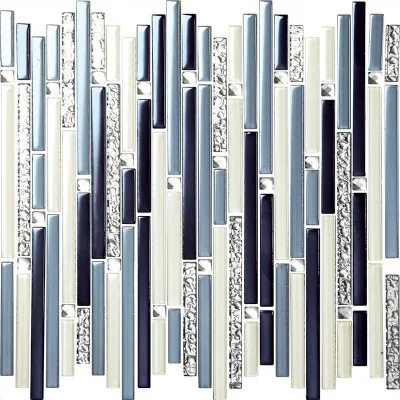
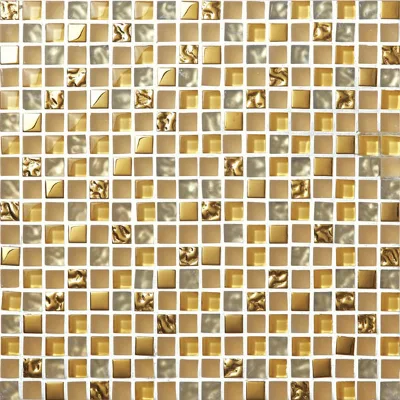
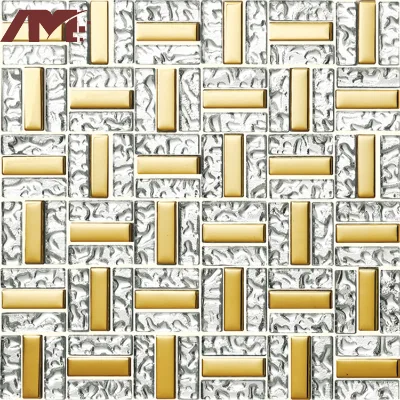
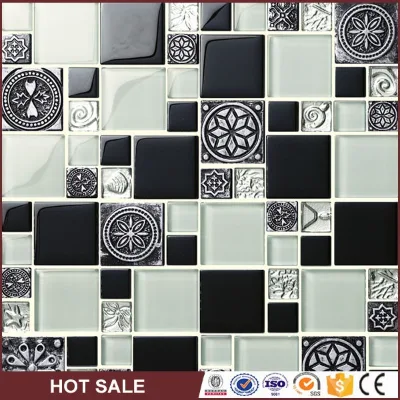
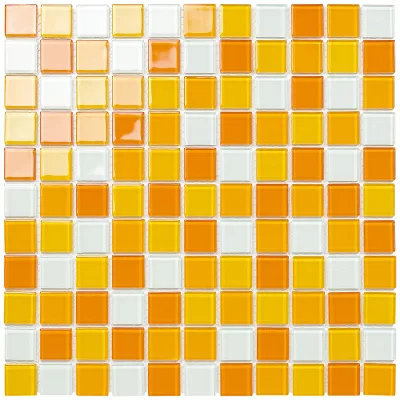


Foshan Factory High Quality Home Dé Cor Glass Crystal Mosaic Tile
$1.00 - $1.30
MOQ: 3558 Piece


Engineered Black and Grey Glossy Brick Glass Crystal Mosaic Wall Tiles
$3.60 - $3.90
MOQ: 1100 Square Foot/Square Feet


Comprehensive Sourcing Guide
Crystal Glass Mosaic Tile Sourcing Guide
Procuring crystal glass mosaic tiles requires careful attention to the specific physical attributes observed in current market listings, particularly regarding thickness and shape variations. Buyers must verify whether the selected product meets the 4mm, 5mm, or 6mm thickness requirements, as these dimensions directly impact structural integrity and installation methods for different surfaces. The observed data indicates a mix of square and irregular shapes, which necessitates precise planning for layout patterns and grout line consistency to achieve the desired aesthetic outcome.
Commercial availability often presents a wide range of customization options, allowing buyers to tailor color mixes and styles to specific project needs. Listings show that suppliers offer modern, American, and European styles with color types ranging from mixed palettes to specific single-color systems like blue. Understanding these variations is essential before placing an order, as the chosen style and color system will dictate the visual impact of the final installation in areas such as kitchens, bathrooms, or outdoor spaces.
Product Scope and Observed Listing Signals
The product scope for crystal glass mosaic tiles encompasses a diverse array of applications, including walls, ceilings, floors, and exterior environments. Current market signals confirm that these tiles are suitable for high-moisture areas like bathrooms and kitchens, as well as dining rooms and living spaces. The versatility extends to outdoor usage, provided the specific product specifications align with environmental durability requirements, ensuring the material can withstand external conditions without degradation.
Listing signals reveal significant variation in packaging and origin, which influences logistics and handling procedures. Products are typically packed in cartons, sometimes reinforced with wooden pallets, and originate from manufacturing hubs in Haining City, Foshan, and Zhaoqing City in China. Buyers should note that some listings specify a production capacity of 1000 units per day, which may affect lead times for large orders, while others indicate a minimum order quantity of 100 square meters for specific patterns.
Technical Specifications to Verify
Technical verification must begin with the precise dimensions and chip sizes, which are critical for pattern alignment and structural fit. Available data highlights specific chip sizes such as 10x10mm, 15x15mm, 20x20mm, and 25x25mm, alongside standard sheet sizes like 30x30mm and 327x327mm. Ensuring the selected model number corresponds to the required chip size is vital, as discrepancies can lead to installation failures or aesthetic inconsistencies in the finished mosaic surface.
Thickness and water absorption rates are equally critical parameters that determine the tile's suitability for specific environments. The observed range includes thicknesses of 4mm, 5mm, and 6mm, with some products boasting a 0% water absorption rate, making them ideal for wet areas. Buyers must confirm these specifications against their project requirements, as the wrong thickness or high water absorption could compromise the longevity and safety of the installation in high-traffic or moisture-prone zones.
Compliance and Safety Documentation
Compliance documentation is a non-negotiable aspect of sourcing crystal glass mosaic tiles, with CE certification appearing frequently in product listings. This certification indicates that the product meets European health, safety, and environmental protection standards, which is often a prerequisite for importing into many international markets. Buyers should request valid certificates for every batch to ensure that the specific models, such as xw3811 or JS2306SX, have undergone the necessary testing and approval processes.
Beyond CE, additional certifications like ISO and TUV may be present, offering further assurance of quality management and safety standards. Some listings explicitly mention ISO and TUV alongside CE, suggesting a higher level of regulatory compliance that can be beneficial for large-scale commercial projects. Verifying these documents ensures that the supplier adheres to recognized international standards, reducing the risk of non-compliance issues during customs clearance or final project inspection.
Cost Drivers and Commercial Terms
Cost drivers for crystal glass mosaic tiles are heavily influenced by material thickness, customization levels, and the complexity of the mosaic patterns. Thicker tiles or those with irregular shapes and custom color mixes often command higher prices due to increased manufacturing complexity and material usage. The observed price range of 0.4 to 60 USD reflects these variations, with buyers needing to balance budget constraints against the specific aesthetic and functional requirements of their project.
Commercial terms such as Minimum Order Quantity (MOQ) and packaging standards significantly impact the total cost of ownership. While some suppliers offer an MOQ as low as 1 unit, others require substantial quantities like 100 square meters, which can affect inventory management and cash flow. Additionally, packaging methods, ranging from simple cartons to reinforced wooden pallets, add to the shipping costs and must be factored into the overall budget to prevent unexpected expenses during logistics.
Supplier Qualification and Quality Control
Supplier qualification involves assessing the production capacity and origin of the manufacturer to ensure consistent supply and quality. Listings indicate production hubs in Guangdong, China, with some facilities reporting a daily capacity of 1000 units, which suggests a robust ability to handle large orders. Buyers should verify the specific production location, such as Zhaoqing City or Foshan, as regional expertise often correlates with higher quality control standards and more reliable delivery schedules.
Quality control measures should include checks on the "First Choice" quality standard and the availability of after-sales support. Many suppliers offer online technical support, which is crucial for resolving installation issues or addressing defects post-delivery. Ensuring that the supplier adheres to strict quality standards and provides clear after-sales service channels helps mitigate risks associated with product defects or installation errors, safeguarding the investment in the mosaic tiles.
Long-Term Procurement Checks
Long-term procurement checks require a focus on the durability and maintenance requirements of the crystal glass mosaic tiles over time. The 0% water absorption rate observed in some products is a key indicator of long-term performance, preventing mold growth and structural damage in wet environments. Buyers should prioritize products with these verified attributes to ensure the installation remains pristine and functional for years without requiring frequent repairs or replacements.
Establishing a reliable supply chain involves monitoring the consistency of product models and standards across future orders. Since models like xw3785 and xw3323 have specific standard sizes and certifications, maintaining a relationship with a supplier who can consistently reproduce these specifications is essential. Regular audits of the supplier's quality standards and adherence to the HS Code Number 70161000 ensure that the procurement process remains compliant and efficient over the long term.
FAQs
What certifications are available for crystal glass mosaic tiles?
Certifications such as CE, ISO, and TUV are available for these products. Buyers can select options based on specific regional compliance requirements. The availability of multiple certification types ensures that the tiles meet international quality and safety standards for various construction projects.
Can crystal glass mosaic tiles be customized for specific projects?
Yes, customization is available for crystal glass mosaic tiles. Buyers can request specific shapes, colors, or patterns to match their design needs. This flexibility allows for unique installations in kitchens, bathrooms, or outdoor areas, ensuring the final result aligns perfectly with the intended aesthetic vision.
What are the common thickness options for these tiles?
Common thickness options include 4mm, 5mm, and 6mm. These variations allow buyers to choose the appropriate depth for different installation surfaces. Thicker tiles may offer more durability for high-traffic areas, while thinner options might be suitable for specific wall applications or lightweight structures.
Where are these crystal glass mosaic tiles manufactured?
These tiles are manufactured in China, with origins in cities like Haining, Foshan, and Zhaoqing. The production capacity can reach up to 1000 units per day. Buyers can source directly from these regions to ensure quality control and efficient logistics for their bulk orders.
What is the typical packaging method for these tiles?
Typical packaging includes carton boxes and wooden pallets for secure transport. This method protects the tiles from damage during shipping and handling. The use of sturdy materials ensures that the products arrive in pristine condition, ready for immediate installation by contractors or DIY enthusiasts.
What styles are available for crystal glass mosaic tiles?
Available styles include Modern, American, and European designs. These styles cater to diverse interior and exterior decoration preferences. Buyers can choose from mixed colors or specific color systems to complement their architectural themes, ensuring a cohesive and visually appealing finish for any space.