Source Crystal Engraved Heart Clock for Gifts, Decor, and Awards
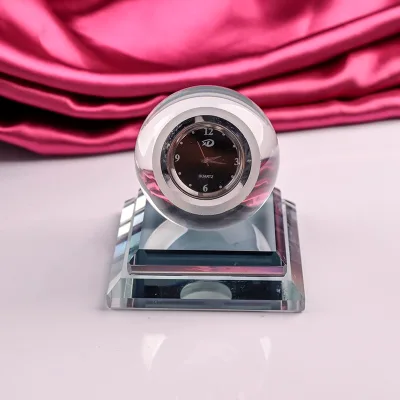
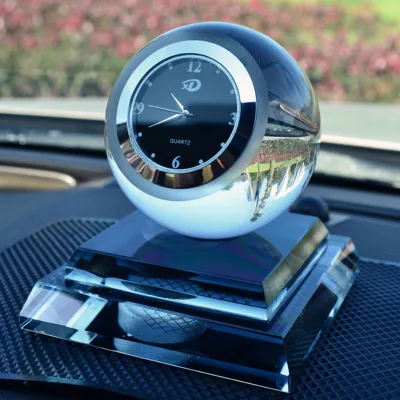
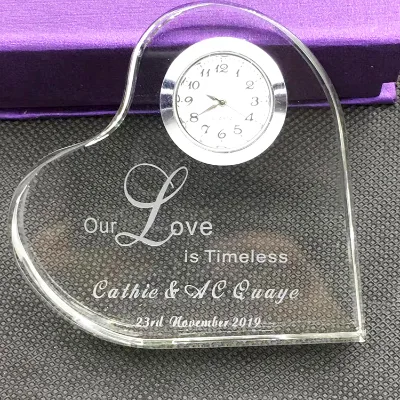
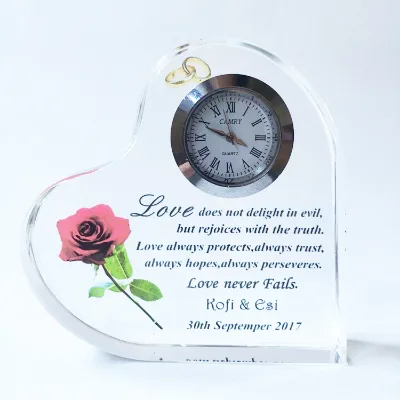
Find 30 Crystal Engraved Heart Clock options from Zhejiang suppliers. Compare models like HBL-03 and JINGUO033003, noting sizes from 60mm to 180mm, MOQs from 10 to 50 pcs, and features such as laser engraving and polished crystal finishes for souvenirs and home decor.
Updated
Key considerations
Products List
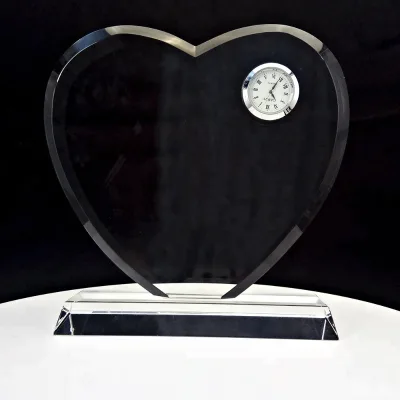
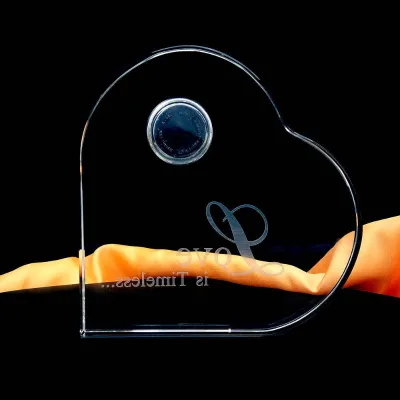
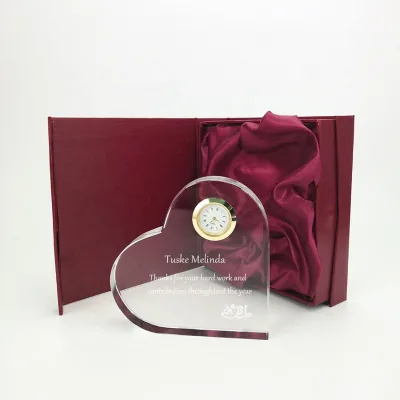
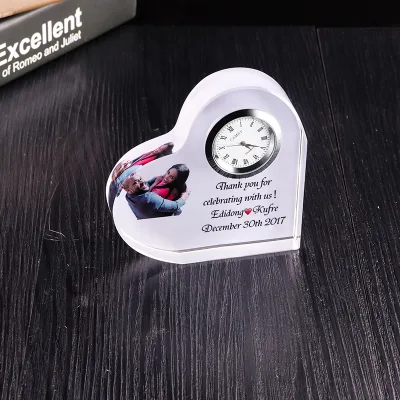
Heart Shaped Crystal Clock Trophy Crystal Heart Clock Wedding Gift
$10.3817 - $15.5733
MOQ: 50 Minimum
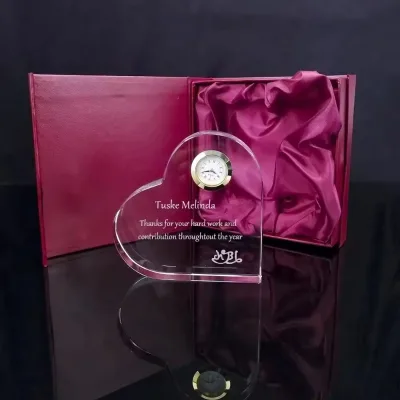
Honor of Crystal 3D Heart Shape Laser Engraving Crystal Table Clock for Wedding Gift
$3.5898 - $6.1527
MOQ: 50 Minimum
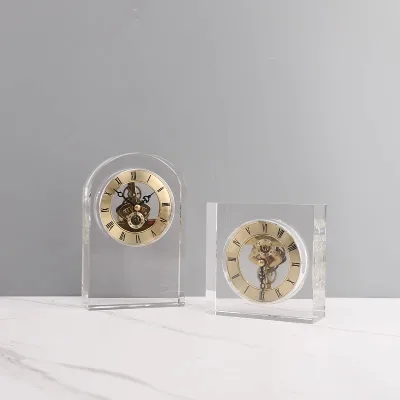
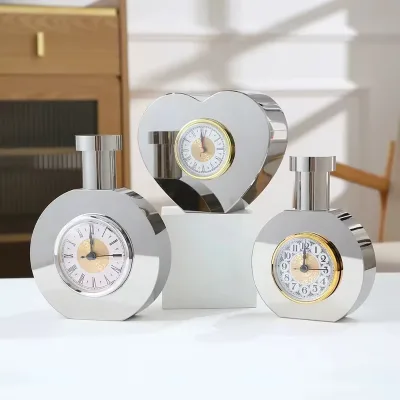
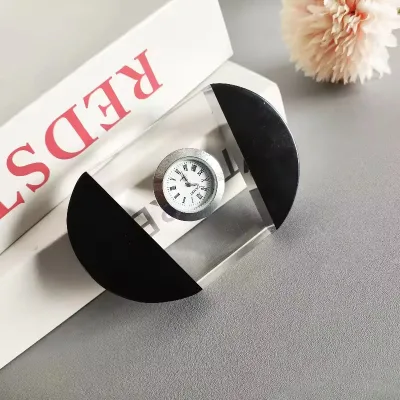
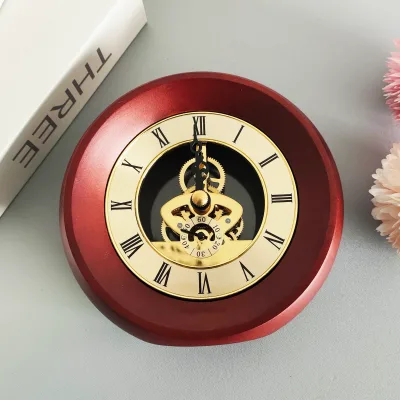


Comprehensive Sourcing Guide
Crystal Engraved Heart Clock Sourcing Guide
Sourcing crystal engraved heart clocks requires a nuanced understanding of material properties, manufacturing techniques, and commercial terms specific to the Zhejiang, China manufacturing hub. Buyers must navigate a landscape where product attributes vary significantly between listings, ranging from standard square shapes to specialized heart or Big Ben-inspired designs. The core keyword suggests a focus on aesthetic appeal and personalization, which directly influences supplier selection and quality control protocols. Understanding these variations is essential for aligning procurement goals with available inventory and ensuring that the final product meets both functional and decorative expectations.
This guide provides evidence-based procurement strategies for buyers seeking crystal clocks, emphasizing verification of technical specifications and supplier capabilities. By focusing on observed listing signals and critical compliance documentation, purchasers can mitigate risks associated with inconsistent product quality and unclear commercial terms. The following sections detail the necessary steps for evaluating suppliers, verifying material integrity, and establishing robust quality assurance processes. This structured approach ensures that buyers can confidently source crystal engraved heart clocks that deliver value and meet specific project requirements without relying on unverified claims or assumptions.
Product Scope and Observed Listing Signals
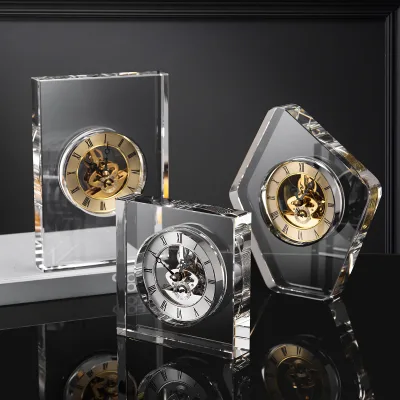
The observed product scope for crystal engraved heart clocks reveals a diverse range of designs, including heart-shaped, square, and architectural models like the Big Ben style. Listings indicate that materials are primarily crystal, with finishes ranging from polished to frosted, and applications spanning souvenir gifts, wedding decorations, and home decor. Buyers should note that while the core keyword emphasizes heart shapes, available options include pentagonal styles, concave waists, and fan styles, suggesting that suppliers offer extensive customization capabilities. This variety allows for tailored procurement strategies but requires careful verification of specific design elements to ensure alignment with brand identity or event themes.
Observed listing signals highlight significant variations in minimum order quantities (MOQ) and packaging standards, with MOQs ranging from 10 to 50 pieces and packaging typically involving gift boxes. Single gross weights vary from 0.5 kg to 2.5 kg, reflecting differences in size and complexity, while package dimensions suggest careful handling is required during logistics. Buyers must verify these details for each specific model, as attributes like printing techniques (letterpress or silk screen) and carving types (laser engraved) directly impact production timelines and final aesthetic quality. Understanding these signals helps in forecasting costs and planning inventory levels accurately.
Technical Specifications to Verify
Verifying technical specifications is critical when sourcing crystal clocks, as dimensions and model numbers vary widely across suppliers. For instance, some models measure 180x200mm with a single package size of 35x30x15 cm, while others are compact at 60x35x80mm with 10x10x10 cm packaging. Buyers must confirm the exact model number, such as HBL-03 or JINGUO033003, to ensure compatibility with existing branding or display requirements. Additionally, size customization options should be explicitly discussed, as standard sizes may not suit all use cases, and deviations can affect both aesthetic appeal and logistical planning.
Material integrity and finishing techniques also require rigorous verification, as crystal quality can significantly impact the final product's clarity and durability. Buyers should confirm whether the crystal is polished or frosted and ensure that laser engraving or silk screen printing meets desired resolution standards. The presence of a customized logo is a common feature, but the depth and precision of the engraving must be validated through samples. Furthermore, verifying the weight and structural stability of the clock base is essential, especially for larger models, to prevent damage during transit or use in high-traffic environments.
Compliance and Safety Documentation
Compliance and safety documentation are paramount when importing crystal products, particularly those intended for gift or decorative use in international markets. Buyers must request certificates of conformity that verify the crystal material is free from harmful substances and meets relevant safety standards for consumer goods. While specific certification names are not provided in the observed data, buyers should inquire about compliance with regional regulations such as REACH in Europe or CPSIA in the United States, ensuring that the product is safe for end-users and suitable for gifting occasions.
Packaging compliance is another critical area, as gift boxes must meet sustainability and safety requirements depending on the destination market. Buyers should verify that packaging materials are non-toxic and that the box design protects the fragile crystal content during shipping. Additionally, labeling requirements, including country of origin and material composition, must be accurately reflected on the product and packaging. Ensuring that all documentation is complete and accurate before shipment helps avoid customs delays and potential penalties, safeguarding the supply chain integrity and maintaining brand reputation.
Cost Drivers and Commercial Terms
Cost drivers for crystal engraved heart clocks include material quality, engraving complexity, and minimum order quantities, which collectively influence the unit price and total procurement cost. Observed MOQs range from 10 to 50 pieces, allowing for flexible ordering but potentially increasing per-unit costs for smaller batches. Buyers should negotiate based on volume tiers, as larger orders may yield better pricing, especially for standardized designs. Additionally, customization costs, such as logo engraving or unique packaging, should be clearly itemized to avoid hidden fees and ensure transparent budgeting throughout the procurement process.
Commercial terms, including payment methods, lead times, and shipping arrangements, significantly impact the overall cost structure and project timeline. Buyers must clarify whether prices are FOB or CIF, as this affects responsibility for freight and insurance costs. Lead times can vary based on production complexity and order size, so establishing clear delivery schedules is essential for meeting event deadlines. Furthermore, understanding return policies and warranty terms for defective items is crucial, as crystal products are prone to damage during handling, and having a clear recourse plan minimizes financial risk.
Supplier Qualification and Quality Control
Supplier qualification involves assessing manufacturing capabilities, quality control processes, and past performance to ensure reliable delivery of crystal engraved heart clocks. Buyers should verify that suppliers have experience in producing crystal gifts and can provide references or case studies demonstrating successful projects. Quality control protocols should include pre-production samples, in-process inspections, and final random inspections to catch defects early. Suppliers with robust QC systems are more likely to deliver consistent quality, reducing the risk of receiving damaged or substandard products.
Establishing clear quality standards and inspection criteria is essential for maintaining product integrity throughout the production cycle. Buyers should define acceptable tolerances for dimensions, engraving precision, and surface finish, and communicate these requirements explicitly to the supplier. Regular communication and site audits, if feasible, can help build trust and ensure adherence to agreed-upon standards. Additionally, implementing a sample approval process before mass production allows buyers to validate the final product against their expectations, ensuring that the engraved heart clocks meet both aesthetic and functional requirements.
Long-Term Procurement Checks
Long-term procurement checks focus on building sustainable relationships with suppliers and continuously improving the sourcing process for crystal engraved heart clocks. Buyers should conduct periodic performance reviews, evaluating suppliers on delivery reliability, product quality, and responsiveness to issues. Maintaining open communication channels and providing constructive feedback helps foster collaboration and encourages suppliers to innovate and improve their offerings. Regularly updating supplier databases and exploring new vendors can also mitigate risks associated with over-reliance on a single source, ensuring supply chain resilience.
Continuous monitoring of market trends and technological advancements in crystal manufacturing can provide competitive advantages and cost-saving opportunities. Buyers should stay informed about new engraving techniques, material innovations, and design trends that may enhance product appeal. Additionally, reviewing and updating procurement policies and quality standards regularly ensures that they remain aligned with evolving market expectations and regulatory requirements. By adopting a proactive approach to supplier management and market analysis, buyers can optimize their sourcing strategies and achieve long-term success in the crystal gift market.
FAQs
What materials are used for crystal engraved heart clocks?
These clocks are crafted from high-quality crystal material, offering a clear and polished finish. The heart shape design provides a fashionable and trendy aesthetic suitable for various decorative purposes. The crystal construction ensures durability while maintaining a premium look for gifts and collectibles.
Can I customize the logo on the crystal clock?
Yes, customized logos are available for these crystal clocks. Suppliers typically offer laser engraving or silk screen printing techniques to apply your branding. This customization allows for personalization, making the item suitable for business gifts, wedding decorations, or holiday souvenirs with your specific corporate identity.
What is the typical MOQ for ordering crystal clocks?
The minimum order quantity varies by supplier, typically ranging from 10 to 50 pieces. Some vendors require a MOQ of 50 pieces, while others may accept orders as low as 10 pieces. Buyers should verify the specific MOQ requirements with the manufacturer before placing an order to ensure compliance.
How are crystal clocks packaged for shipping?
Crystal clocks are generally packed in individual gift boxes to protect the delicate crystal structure during transit. The single package size varies, often around 35x30x15 cm or 10x10x10 cm depending on the model. This secure packaging ensures the product arrives in pristine condition for the end recipient.
Where are these crystal clocks manufactured?
These crystal clocks are primarily manufactured in Zhejiang, China. This region is known for its expertise in crystal processing and manufacturing. Buyers sourcing from this location can access a wide variety of designs, including heart shapes and other decorative styles, with established supply chains for global distribution.
What are the common applications for crystal heart clocks?
Crystal heart clocks serve multiple applications including art collectibles, wedding decorations, and holiday gifts. They are also used as business souvenirs and home decor items. The versatile design allows them to function as both functional timepieces and aesthetic decorative pieces for various special occasions and corporate events.