Source Crystal Incense Holder for Souvenirs, Gifts, and Decor
Explore 30 listings of natural crystal incense holders available for sourcing. Buyers can compare handmade sculptures in rose quartz, labradorite, and sodalite, with varying sizes and delivery times from Chinese manufacturers; compare the available evidence and request quotations based on your requirements.
Key considerations
Products List


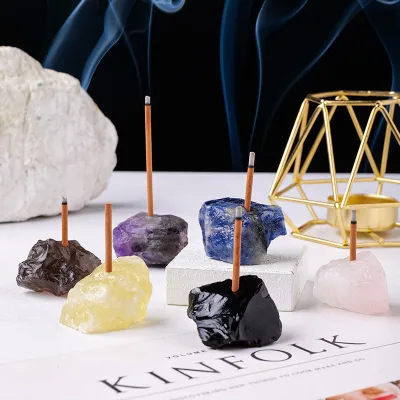
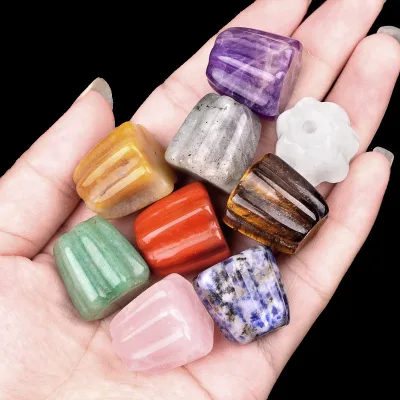
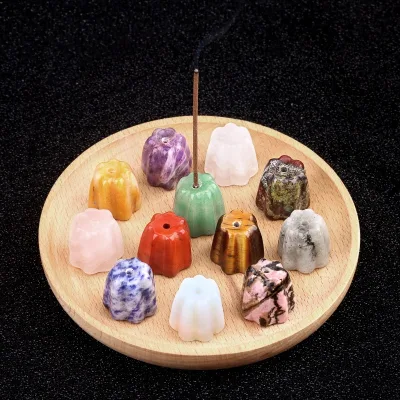
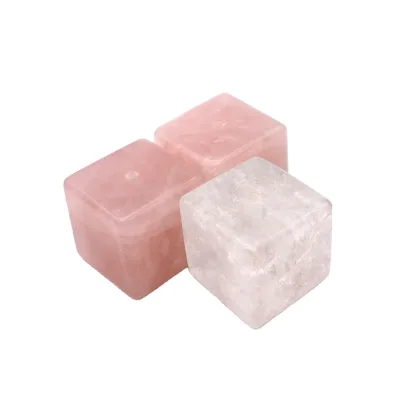
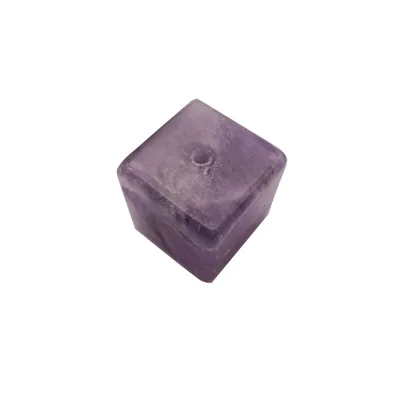
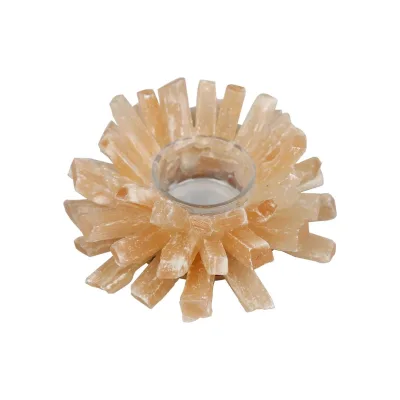
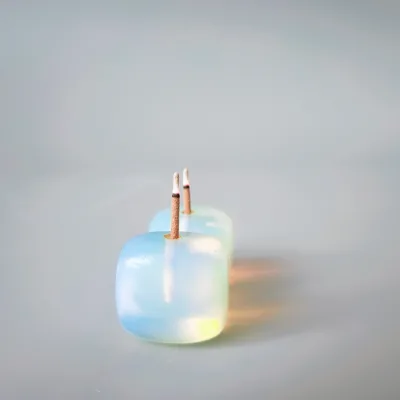
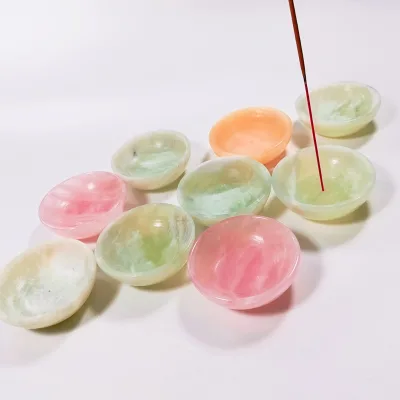
Crystal Diy Crystal Bowl Hand Carvings Mini Size Natural New Jade Incense Holder
$15.35 - $61.40
MOQ: 100 Minimum
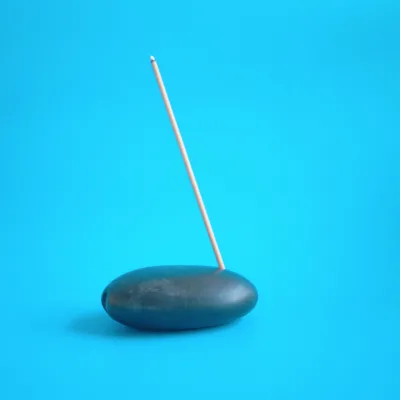
Crafts Crystal Stone Ovals Shape River Stone Incense Holder Lotus Buddha
$0.90 - $2.96
MOQ: 100 pieces
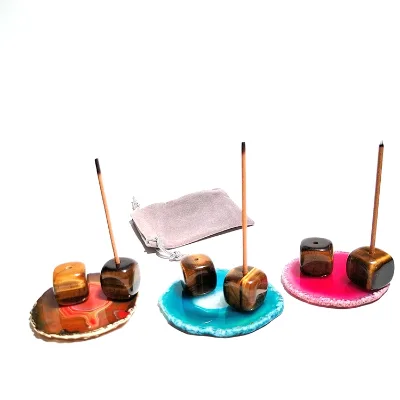
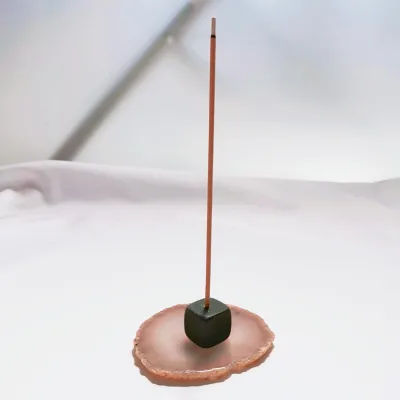
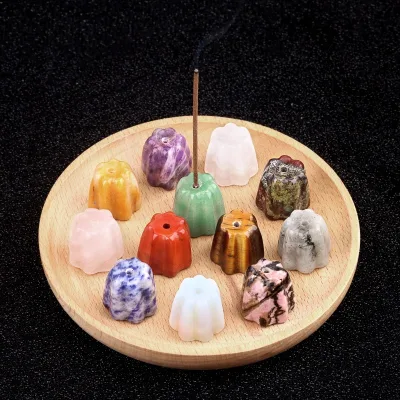
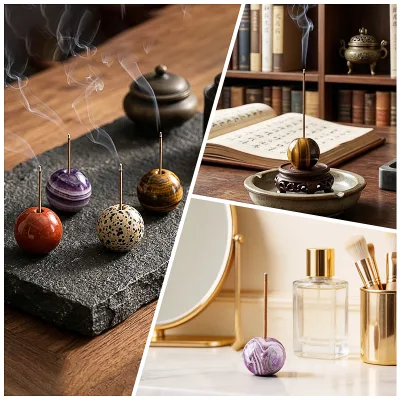
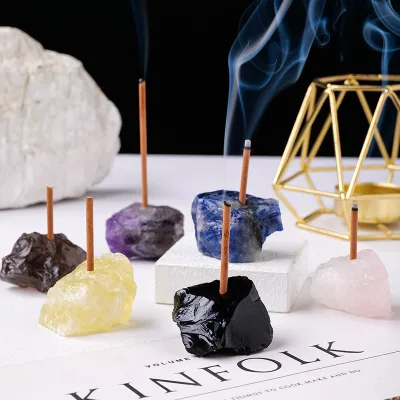


Candle Holders Decorative Candlestick Holder Crystal Glass Candle Holder
$4.99 - $5.90
MOQ: 100 Pieces


Comprehensive Sourcing Guide
Crystal Incense Holder Sourcing Guide
Buyers evaluating this category must first distinguish between finished decorative sculptures and functional holders, as the supply chain offers distinct product types ranging from carved natural crystal stones to simple geometric blocks. The observed market data indicates a strong presence of hand-carved items made from materials like rose quartz, labradorite, and sodalite, which serve primarily as artistic souvenirs or holiday gifts rather than purely utilitarian objects. Understanding this distinction is critical because the production complexity and pricing models differ significantly between a polished, engraved sculpture and a basic unpolished stone block intended for holding incense sticks.
Procurement strategies should account for the wide variance in product specifications, including sizes ranging from compact 2 cm cubes to larger 5-inch sculptures, which directly impacts shipping costs and packaging requirements. While some listings highlight specific models like the S100117 or F-CH-4131, buyers must verify that the physical dimensions and material composition match their specific design needs, as the "mixed material" options often include a variety of stones such as citrine, clear quartz, and red jasper. This variability requires a rigorous review of product samples to ensure the aesthetic and structural integrity align with the intended application, whether for retail display or corporate gifting.
Product Scope and Observed Listing Signals
The current market landscape for crystal incense holders is characterized by a diverse array of natural stone varieties, with suppliers frequently offering items in colors such as yellow, white, transparent, silver, red, purple, green, brown, and black. These products are often marketed under specific names like "Rose Quartz Incense Sculpture" or "Labradorite Incense Sculpture," indicating that the material type is a primary selling point and a key differentiator in the catalog. Buyers should note that the "Handmade" and "Hand-Carved" techniques are prevalent, suggesting that each unit may possess unique variations in texture and form that require careful quality assessment before bulk ordering.
Listing signals also reveal a split in production focus, with some items designed as "Block & Cube" shapes while others are crafted into intricate incense forms with specific dimensions like 1.7 by 0.9 inches. The presence of "Unpolished" techniques alongside polished finishes indicates that buyers must explicitly define their finish requirements, as the visual appeal and tactile feel of the stone will vary drastically between these two processing states. Additionally, the availability of "Mixed material" options suggests that some suppliers offer curated sets or varied stone compositions, which can be advantageous for creating diverse product lines but requires clear communication to avoid receiving unintended stone combinations.
Technical Specifications to Verify
When verifying technical specifications, buyers must prioritize the exact physical dimensions and weight of the product, as observed listings show sizes ranging from 2 cm cubes to 5-inch sculptures with single package weights as low as 0.040 kg. The standard size of 1.7 by 0.9 inches (43 by 23 mm) for certain models highlights the importance of confirming that the product will fit the intended display space or packaging constraints. Since the production process involves design, engraving, molding, and polishing, the final tolerance of these dimensions is critical, and buyers should request detailed technical drawings or precise measurements for every model number, such as S100118 or F-CH-2495, to ensure consistency.
Material composition and structural integrity are equally vital, with suppliers listing materials ranging from "Natural Crystal Stone" to specific varieties like "Black tourmaline" and "Sunstone." Buyers must verify that the "Natural Crystal" designation is accurate and that the stone is not a synthetic substitute, as this affects both the perceived value and the durability of the item. Furthermore, the "Style" attribute, which includes options like "Love," and the "Pattern" classification of "other" suggest that aesthetic details are subjective and must be validated through physical samples. Ensuring that the "Single package size" matches the supplier's description is also essential for calculating accurate freight costs and storage requirements.
Compliance and Safety Documentation
While the provided data does not explicitly list specific safety certifications, buyers must proactively request documentation regarding the safety of the natural stone materials used in these incense holders. Since the products are intended for use in home decoration and as gifts, it is essential to verify that the stones do not contain harmful heavy metals or radioactive elements that could pose a health risk during prolonged exposure. Buyers should ask suppliers for test reports or declarations of compliance with relevant international safety standards for decorative stone products, ensuring that the items are safe for handling and placement in residential or commercial environments.
Packaging and transportation safety are also critical compliance areas, as the "Carton Transportation" method must be robust enough to protect fragile crystal items during transit. The "Safe Package" claim observed in listings requires validation to ensure that the internal cushioning and external carton strength meet the requirements for sea or air freight, especially given the brittle nature of carved stone. Buyers should verify that the packaging design prevents breakage during the "Within 10~25 days" delivery window and that the supplier adheres to any specific export regulations regarding the shipment of natural minerals from the origin locations in Fujian or Jiangsu provinces.
Cost Drivers and Commercial Terms
The cost structure for crystal incense holders is heavily influenced by the labor-intensive "Handmade" and "Hand-Carved" processes, which often result in higher unit prices compared to machine-molded alternatives. The observed price range of 0.47 to 84 USD reflects the significant variance in material quality, size, and artistic complexity, with larger, intricately engraved sculptures commanding premium prices. Buyers must understand that the "Design & Engraving" steps add substantial value but also increase production time, which is a key factor in the quoted delivery lead times of 3 to 25 days depending on the order volume and complexity.
Commercial terms regarding minimum order quantities (MOQ) and sample policies vary significantly across suppliers, with some offering an MOQ of just 1 piece while others require 5 or more units. The "Sample" availability is a crucial cost driver, as buyers typically pay freight for the initial 1-piece sample to verify quality before committing to a larger order. Additionally, the payment terms, such as the requirement for a deposit before production begins, and the specific delivery timelines of "Within 10~25 days After We Received The Deposit" must be clearly negotiated to manage cash flow and inventory planning effectively.
Supplier Qualification and Quality Control
Supplier qualification should focus on verifying the origin of the products, as the data indicates production primarily in Fujian Province and Jiangsu Province, China, which are known hubs for stone carving and crystal processing. Buyers must assess the supplier's capacity to maintain consistent quality across "Handmade" batches, as the manual nature of the work can lead to variations in finish and shape. It is advisable to request a portfolio of previous work or references to confirm the supplier's ability to deliver on specific design requirements, such as the "Love" style or specific model numbers like S100119.
Quality control protocols must be established to address the unique challenges of handling natural stone, including the risk of cracks, chips, or uneven polishing. Buyers should implement a rigorous inspection process that checks for structural integrity, dimensional accuracy, and aesthetic consistency against the approved sample. Given the "Unpolished" and "Polished" options, the quality control plan must include specific criteria for surface finish and texture. Regular third-party inspections or on-site audits may be necessary to ensure that the "Safe Package" and "Carton Transportation" methods are consistently applied to prevent damage during shipping.
Long-Term Procurement Checks
Long-term procurement success depends on establishing a reliable supply chain that can accommodate fluctuating demand while maintaining the high standards of craftsmanship expected for natural crystal products. Buyers should monitor the supplier's ability to meet the "Within 10~25 days" delivery window consistently, as delays in the "Design & Engraving" phase can disrupt inventory levels and sales cycles. Building a strong relationship with the supplier is essential for securing priority production slots and ensuring that the "Hand-Carved" quality remains consistent over time.
Continuous verification of product specifications and market trends is also necessary to adapt to changing consumer preferences for colors, shapes, and materials. Buyers should regularly review the "Mixed material" options and new model introductions to ensure their product offerings remain competitive and relevant. Additionally, maintaining open communication regarding any changes in transportation methods or packaging standards will help mitigate risks associated with logistics and ensure that the final product continues to meet the expectations of end-users in the souvenir, home decoration, and gift markets.
FAQs
What materials are used for crystal incense holders?
These holders are crafted from natural crystal stone, including varieties like rose quartz, labradorite, and green aventurine. The materials are often hand-carved and polished to create unique shapes. Some designs feature mixed materials such as black tourmaline, citrine, and clear quartz. The natural stone provides a durable and aesthetic base for holding incense sticks or cones.
Can I order a single sample of a Crystal Incense Holder?
Yes, you can order a single sample piece to evaluate quality before bulk purchasing. The freight cost for the sample is typically paid by the buyer. This allows you to inspect the handmade craftsmanship and material authenticity. Samples are available for various models, ensuring you can verify the product meets your specific design and quality requirements.
What is the typical delivery time for crystal incense holders?
Delivery times vary based on the supplier and order specifics. Some manufacturers offer a lead time of 3-7 days for standard items. Others may require 10-25 days after receiving the deposit for production. The transportation method, whether by sea or air, also impacts the total transit time. Confirm the exact schedule with the supplier before placing your order.
What are the standard specifications for these crystal incense sculptures?
Specifications vary by model, with sizes ranging from small cubes to larger sculptures. Common dimensions include 1.7x0.9 inches or 5 inches in length. Some models are specified as 2-3 cm blocks. The standard packaging is usually a carton to ensure safe transportation. Always check the specific model number for precise size and weight details.
Where are these crystal incense holders manufactured?
These products are primarily manufactured in China, with specific origins in Fujian and Jiangsu provinces. Fujian is noted for handmade crystal sculptures, while Jiangsu may supply other crystal stone items. The location influences the production techniques and material sourcing. Buyers can often specify their preferred origin or transportation method based on the supplier's location.
What is the minimum order quantity for crystal incense holders?
The minimum order quantity (MOQ) varies by supplier and product type. Some vendors accept an MOQ of just one piece for samples or small orders. Others may require a minimum of five pieces for standard production runs. The MOQ depends on whether the item is a standard stock product or a customized design. Check the specific listing for the exact requirement.