Source Cup Shape Neodymium Magnet Hook for Speakers Motors
Explore 30 listings for Cup Shape Neodymium Magnet Hook options with axial magnetization and pull forces up to 200kg. Buyers can compare grades from N35 to N52, coating types, and lead times ranging from 3 to 25 days for industrial and jewelry applications.
Key considerations
Products List


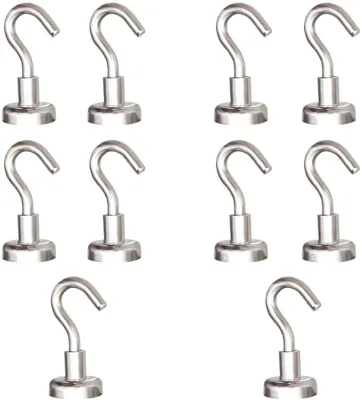

Magnetic Hook 17lbs D16mm Neodymium Cup Magnet Hook with Hook Hanger Holder
$0.55 - $2.00
MOQ: 100 pieces

Magnetic Hook Magnet Holder Ferrite Magnetic Hook with Permanent Pot / Cup Shape
$0.22 - $2.00
MOQ: 100 pieces




Comprehensive Sourcing Guide
Cup Shape Neodymium Magnet Hook Sourcing Guide
Sourcing cup shape neodymium magnet hooks requires a precise understanding of the intersection between magnetic performance and mechanical mounting utility. These components are engineered to provide high vertical pull force while offering a convenient hook interface for hanging items, making them distinct from standard disc or block magnets. Buyers must recognize that the "cup" geometry typically involves a steel housing that encapsulates the neodymium magnet, which serves to concentrate the magnetic flux and protect the brittle magnetic material from corrosion and chipping. This structural design is critical for applications where the magnet is subjected to shear forces or impact, such as in industrial tool storage or heavy-duty kitchen organization systems.
The procurement landscape for these items is characterized by a wide variance in specifications, ranging from small, low-cost units to larger, high-strength industrial components. Observed market data indicates a broad price range and minimum order quantity (MOQ) flexibility, suggesting that suppliers cater to both prototype development and bulk manufacturing needs. However, this diversity necessitates rigorous verification of technical parameters before placing orders. Buyers should not assume that all listed products share identical performance metrics, as the magnetic grade, coating quality, and dimensional tolerances can vary significantly between different supplier batches and product models.
Product Scope and Observed Listing Signals
The product scope for cup shape neodymium magnet hooks encompasses a variety of industrial and consumer applications, including speaker assemblies, motor components, solenoids, and general industrial mounting solutions. Listings often highlight specific product names such as "Neodymium Hook Magnets Popular Magnetic Cup Hooks" or "Mounting Magnet Swivel Hook Magnet," indicating a focus on both the magnetic core and the functional hook attachment. The observed product attributes suggest that these magnets are frequently customized in terms of shape, color, and packaging, allowing buyers to tailor the aesthetic and logistical aspects of the supply chain to their specific brand or operational requirements.
Observed listing signals reveal that suppliers offer a range of neodymium grades, typically spanning from N35 to N52 or higher, which directly correlates with the magnetic strength and cost of the final product. The vertical direction pull force is a critical performance indicator, with observed ranges extending from 1.5kg to 200kg, reflecting the wide utility of these components in light-duty household tasks versus heavy-duty industrial holding applications. Additionally, the presence of OEM acceptance and sample availability suggests that many suppliers are equipped to handle custom design requests, providing buyers with the flexibility to develop proprietary mounting solutions without being locked into standard off-the-shelf inventory.
Technical Specifications to Verify
Dimensional accuracy and magnetic orientation are paramount when specifying cup shape neodymium hooks. Buyers must verify the tolerance levels, which are often cited as +/- 0.05mm, to ensure that the hooks fit precisely into designated mounting holes or fixtures. The magnetization direction is another critical specification; while axial magnetization is common for cup magnets to maximize vertical pull force, some applications may require radial or multi-pole magnetization. Confirming the exact magnetization pattern with the supplier is essential to prevent installation errors and ensure that the magnetic field aligns correctly with the intended ferrous target surface.
The working temperature and magnetic properties must be carefully evaluated against the operational environment of the end product. Standard neodymium magnets may lose magnetic integrity or suffer irreversible demagnetization if exposed to temperatures exceeding their maximum operating limit, which is often around 80 degrees Celsius for standard grades. Buyers should verify the specific grade, such as N45 or N35-N54-36H, and confirm whether higher temperature variants are necessary for applications involving heat generation, such as in motor or solenoid assemblies. Additionally, the coating material, typically nickel, must be assessed for corrosion resistance, especially in humid or outdoor environments where the steel cup and exposed hook surfaces are vulnerable to rust.
Compliance and Safety Documentation
Regulatory compliance is a non-negotiable aspect of sourcing neodymium magnets, particularly for export to markets with strict environmental and safety standards. Buyers should request and verify certificates such as CE, RoHS, and SGS to ensure that the materials used in the magnet and its coating do not contain restricted substances. These certifications provide assurance that the product meets the chemical safety requirements of the European Union and other international markets, reducing the risk of customs delays or product recalls due to non-compliance. It is crucial to ensure that the documentation provided is current and specifically covers the model numbers and grades being procured.
Environmental management systems and quality certifications further indicate the supplier's commitment to consistent production standards. Standards such as ISO9001 and ISO14001 suggest that the supplier has implemented robust quality control and environmental management processes, which can lead to more reliable product consistency and reduced environmental impact. Buyers should verify the validity of these certifications and inquire about the supplier's quality system, such as ISO/Ts16949:2009, which is particularly relevant if the magnets are intended for automotive or other highly regulated industrial applications. These documents serve as evidence of the supplier's operational maturity and their ability to maintain traceability and quality throughout the manufacturing process.
Cost Drivers and Commercial Terms
The cost of cup shape neodymium magnet hooks is influenced by several key factors, including the grade of the neodymium material, the size and weight of the component, and the complexity of the hook design. Higher grades, such as N52, offer greater magnetic strength but come at a premium price due to the increased cost of raw materials. Additionally, customizations such as specific dimensions, unique hook shapes, or specialized coatings can add to the manufacturing cost. Buyers should request detailed quotations that break down these cost components to understand the value proposition and identify areas where cost optimization might be possible without compromising performance.
Commercial terms, including payment methods, lead times, and shipping options, play a significant role in the overall procurement strategy. Suppliers typically offer flexible payment options such as T/T, PayPal, or Western Union, allowing buyers to choose the method that best fits their financial processes. Lead times can vary from 3 to 25 days, depending on the order quantity and the level of customization required. Buyers should plan their inventory accordingly, considering the potential delays associated with custom orders and the logistics of shipping by sea, air, or express courier. Understanding these terms helps in negotiating favorable conditions and ensuring timely delivery to support production schedules.
Supplier Qualification and Quality Control
Evaluating supplier qualification is essential to mitigate risks associated with inconsistent product quality and unreliable delivery. Buyers should assess the supplier's manufacturing capabilities, including their ability to produce magnets with precise tolerances and consistent magnetic properties. Inquiring about their quality control processes, such as incoming material inspection, in-process testing, and final product verification, provides insight into their ability to maintain high standards. Suppliers who offer samples allow buyers to physically inspect the product quality, verify dimensions, and test magnetic performance before committing to a larger order.
Quality control should also extend to the packaging and transportation of the magnets. Given the brittle nature of neodymium magnets and the potential for corrosion, proper packaging is crucial to prevent damage during transit. Buyers should verify that the supplier uses appropriate packaging materials, such as cartons or custom packaging as requested, to protect the products from moisture and physical impact. Additionally, understanding the supplier's logistics capabilities and their experience in handling hazardous materials, if applicable, ensures that the magnets are shipped safely and in compliance with international transport regulations.
Long-Term Procurement Checks
Establishing long-term procurement relationships with reliable suppliers requires ongoing monitoring and periodic audits of product quality and supplier performance. Buyers should implement a system for tracking key performance indicators, such as defect rates, delivery timeliness, and responsiveness to issues. Regular communication with the supplier regarding any changes in product specifications, material availability, or regulatory requirements helps to maintain alignment and prevent disruptions in the supply chain. Building a strong relationship with the supplier can also facilitate better pricing, priority production scheduling, and collaborative problem-solving.
Continuous improvement in the procurement process involves staying informed about advancements in magnet technology and market trends. Buyers should periodically review their specifications to ensure they are utilizing the most cost-effective and high-performance materials available. Engaging with suppliers to explore new product developments, such as higher temperature resistant grades or more durable coatings, can lead to innovations that enhance the end product's performance and longevity. By maintaining a proactive approach to supplier management and product evaluation, buyers can secure a stable supply of high-quality cup shape neodymium magnet hooks that meet their evolving business needs.
FAQs
What is the working temperature of these hook magnets?
The working temperature is 80 degrees Celsius for most models. Some variants support magnetic properties up to 200 degrees Celsius depending on the specific grade selected. Always verify the exact thermal rating before application in high-heat environments.
Can I request custom packaging for these magnets?
Yes, custom packaging is available to meet your specific requirements. Standard options include cartons with dimensions of 35 by 28 by 15 centimeters. You may also request packaging tailored to your client's needs for better logistics efficiency.
Which certifications do these neodymium hook magnets hold?
These magnets typically hold CE, RoHS, and SGS certifications. The manufacturing process also adheres to ISO9001 and ISO14001 standards for quality and environmental management. These documents ensure compliance with international safety and quality regulations.
How long is the lead time for production?
The standard lead time ranges from 15 to 25 days for most orders. Some suppliers may offer a faster turnaround of 3 to 25 days depending on order volume and customization. Expedited options might be available upon direct negotiation with the factory.
What is the vertical pull force range for these hooks?
The vertically directed pull force ranges from 1.5 kilograms to 200 kilograms. This capacity varies based on the specific model and magnet grade selected. Heavier duty applications will require larger dimensions or higher grade materials to achieve maximum holding power.
Which magnetization directions are available for these products?
Axial magnetization is the standard direction for most cup shape hook magnets. Some models also support radial or multi-poles magnetization configurations. The specific direction depends on the intended application and the custom requirements of the buyer.
Can I get samples before placing a bulk order?
Samples are available for evaluation before committing to a large purchase. This allows you to verify the magnetic strength and coating quality. Contact the supplier directly to arrange sample shipping and discuss any associated costs or lead times.