Source Cupcake Liners for Baking, Parties, and Gifts
Find 30 cupcake liner options from China, including grease-proof foil and paper varieties. Compare custom sizes, colors, and eco-friendly features for bakery and party needs. These tools support food-grade baking applications with sustainable and disposable designs suitable for various industrial uses.
Key considerations
Products List


Paper Various Colour Food Grade Baking Cups Cupcake Liners Muffin liner
$0.01 - $0.02
MOQ: 2000 Pieces
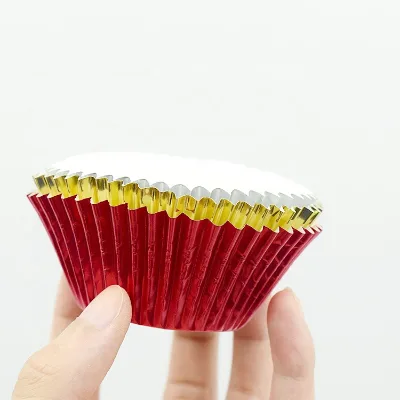
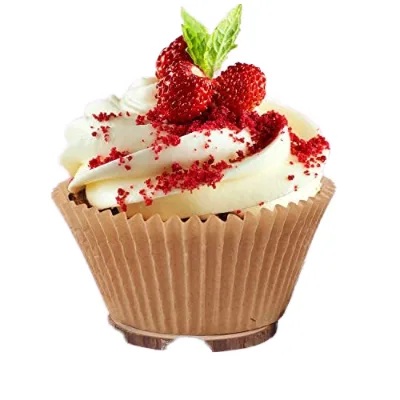
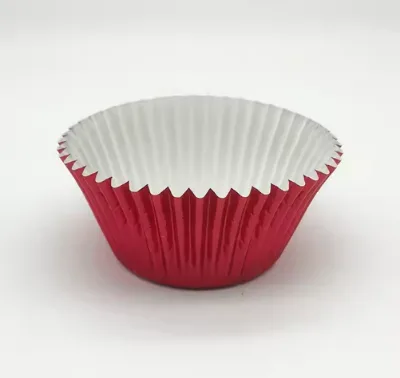
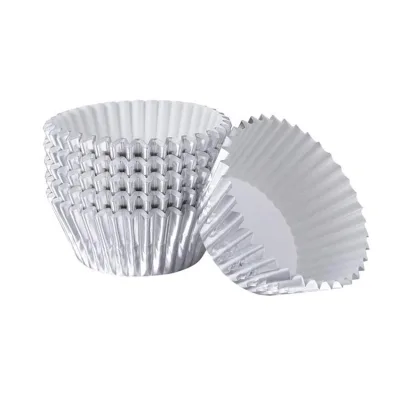
Cup Cake Baking Muffin Cupcake for Making Chocolate Cake Free Shipping Cup
$0.01 - $0.02
MOQ: 500 pieces
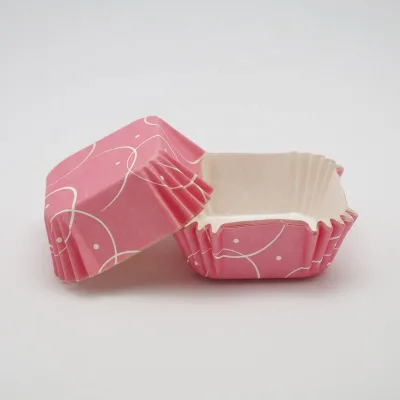
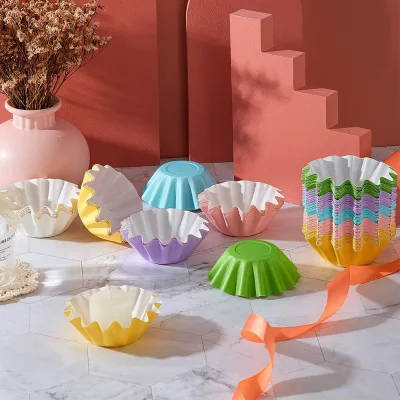
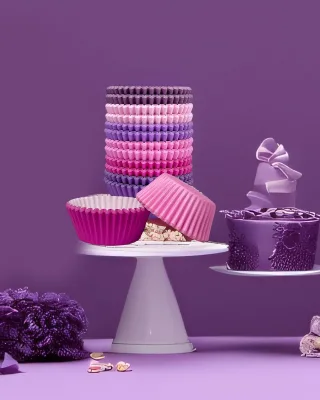


Muffin Paper Cups Muffin Cups Cupcake Liners Cupcake Liners Baking Cups
$0.01 - $0.02
MOQ: 1000000 Pieces

Tulip Cupcake Baking Cups Muffin Baking Liners Holders Paper Baking Cups
$0.03 - $0.05
MOQ: 1000000 Pieces


Cupcake Muffin Cupcake Wrappers Standard Candy Paper Cups Liners for Birthday
$0.02 - $0.04
MOQ: 100000 Pieces

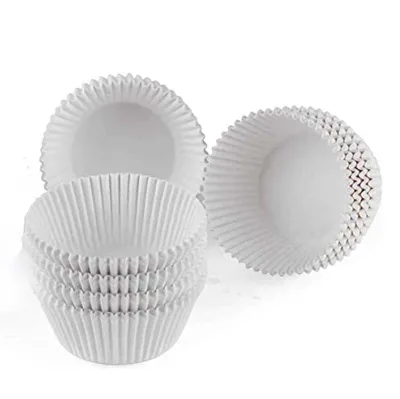
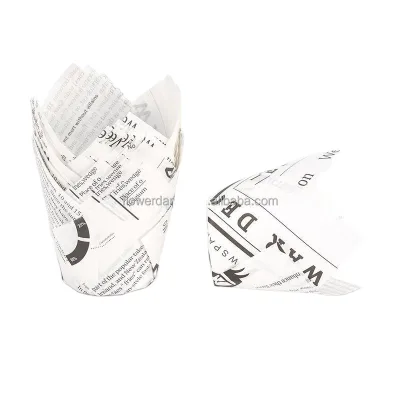
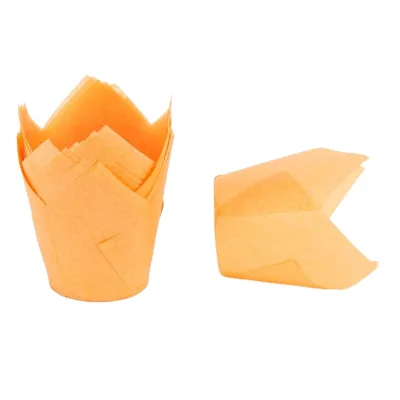

Cupcake Cups Cake Paper to Hold Oil-Resistant Muffin Cake Paper Liners
$0.03 - $0.04
MOQ: 500000 Pieces

Comprehensive Sourcing Guide
Cupcake Liners Sourcing Guide
Buyers evaluating Cupcake Liners must first distinguish between standard grease-proof paper and specialized foil-lined variants, as the supplied data indicates a clear split in material composition. Some listings specify grease-proof or foil paper designed for high-temperature resistance, while others highlight ivory board construction for structural rigidity. This distinction dictates the appropriate application, ranging from simple party decorations to heavy-duty bakery packaging where oil resistance is critical for maintaining product integrity during transport.
The observed product attributes reveal a strong emphasis on customization, with suppliers offering custom dimensions, colors, and printing options to meet specific branding needs. While some entries list fixed sizes like 5x3.5cm, the majority of the market data points toward fully customizable shapes, including square, round, and rectangular forms. Procurement teams should prioritize suppliers who explicitly accept custom orders and offer printing handling services, ensuring the final packaging aligns with the intended occasion, whether it is a commercial bakery or a private party event.
Product Scope and Observed Listing Signals
The market for Cupcake Liners demonstrates significant variability in industrial use, spanning food service, baking, pastry, and gift applications. Buyers should note that while many products are marketed as disposable and eco-friendly, the specific material composition varies between standard grease-proof paper and foil paper, which impacts both performance and sustainability claims. Understanding these material differences is essential for selecting the right liner for specific baking temperatures and grease exposure levels.
Listing signals indicate a wide range of packaging styles, from simple sheets to shrink-wrapped cartons, with some suppliers offering strong carton packaging for bulk protection. The observed product features include portability, safety, and odorless characteristics, which are vital for food-grade applications. However, buyers must verify that the "eco-friendly" or "recyclable" claims align with the actual material, as some listings combine recycled materials with foil layers that may complicate recycling processes.
Technical Specifications to Verify
Dimensional accuracy is a primary technical consideration, as the data shows both fixed standard sizes and fully customizable options. Buyers must confirm whether the supplier can produce specific dimensions like 5x3.5cm or if they require a custom mold for unique shapes such as square boxes. The ability to customize the shape and size is a key differentiator, allowing businesses to create unique branding opportunities that standard round liners cannot provide.
Material composition and printing capabilities are equally critical for functional performance. The supplied facts highlight the availability of grease-proof and foil paper, alongside ivory board options, each offering distinct benefits for different baking environments. Additionally, the printing handling methods, ranging from standard printing to stamping, must be verified to ensure that logos and designs adhere properly without compromising the food-grade safety of the liner during the baking process.
Compliance and Safety Documentation
Food safety is the paramount concern when sourcing Cupcake Liners, requiring verification that all materials meet food-grade standards. The observed product features explicitly mention "food grade" and "safe and odorless" attributes, but buyers must request specific documentation to confirm compliance with local food safety regulations. This includes ensuring that the paper and any foil coatings do not leach harmful substances when exposed to high baking temperatures.
Sustainability claims require careful scrutiny, as the listings mention "sustainable," "eco-friendly," and "recyclable" features alongside "recycled materials." Buyers should demand evidence supporting these environmental assertions, particularly regarding the recyclability of foil-lined products which often face disposal challenges. While FSC certification is mentioned in background data, it should not be assumed without direct verification from the supplier, ensuring that the sourcing strategy aligns with genuine corporate sustainability goals.
Cost Drivers and Commercial Terms
Pricing in the cupcake liner market is heavily influenced by the level of customization and the complexity of the material used. The observed price range suggests that basic, non-customized items are available at lower price points, while custom printing, unique shapes, and specialized foil materials drive costs higher. Buyers should anticipate that orders requiring specific color matching, custom dimensions, or complex printing techniques will incur a premium over standard stock items.
Minimum Order Quantities (MOQ) present a significant variable, with observed ranges spanning from 50 units to over one million pieces. The data indicates a specific listing with an MOQ of 5000 pieces, which may be a standard threshold for custom orders, while other suppliers might offer lower entry points for stock items. Procurement teams must balance the need for inventory volume against the cost per unit, ensuring that the chosen supplier can accommodate the required order size without excessive lead times or prohibitive setup fees.
Supplier Qualification and Quality Control
Supplier qualification should focus on their ability to maintain consistent quality across custom orders, particularly regarding the structural integrity of the liners. The data highlights various packing methods, including shrink wrapping and strong cartons, which are essential for preventing damage during transit. Buyers must verify that the supplier has robust quality control measures in place to ensure that every batch meets the specified dimensions and material standards, especially for custom shapes like square boxes.
Brand reputation and production origin are also key factors in supplier selection, with the majority of observed products originating from Shandong, China. While the brand names vary, the consistent mention of "food grade" and "high temperature resistant" features suggests a baseline quality expectation. Buyers should assess the supplier's track record for delivering on custom printing and color accuracy, as these are common points of failure in the packaging industry that can impact the final presentation of baked goods.
Long-Term Procurement Checks
Establishing a long-term partnership requires regular audits of the supplier's ability to maintain consistent material quality and adherence to food safety standards. Buyers should implement a schedule for periodic testing of the liners to ensure they remain grease-resistant and odorless over time, as material formulations can drift without strict oversight. This proactive approach helps prevent costly recalls or customer complaints related to product failure during baking or storage.
Supply chain resilience is another critical area for long-term planning, given the variability in lead times and production capacities observed in the market. Buyers should diversify their supplier base to mitigate risks associated with production delays or material shortages, ensuring a steady flow of inventory for their bakery or retail operations. Regular communication regarding upcoming seasonal demands and custom order requirements will help suppliers plan their production schedules effectively, securing priority status for critical orders.
FAQs
What materials are used for these Cupcake Liners?
The liners are made from food-grade paper, including grease-proof and foil options. Some variants utilize ivory board for structural support. These materials ensure safety and odorlessness while providing grease resistance. The choice depends on specific baking needs and aesthetic preferences for the final product presentation.
Can I customize the size and shape of the liners?
Yes, customization is available for dimensions, shapes, and colors. You can select square, round, or rectangular forms with custom printing. Standard sizes like 5x3.5cm are offered, but bespoke specifications are accepted. This flexibility allows brands to align packaging with their unique identity and functional requirements.
What is the minimum order quantity for these products?
The minimum order quantity typically starts at 50 pieces, though standard bulk orders often begin at 5000 pieces. Larger quantities up to one million are supported. This range accommodates both small trial batches and large-scale industrial requirements, ensuring scalability for various business sizes and inventory needs.
Are these Cupcake Liners suitable for high-temperature baking?
Yes, the liners are designed to be high-temperature resistant. They feature grease-resistant interiors and are made from durable food-grade materials. This ensures they maintain integrity during baking processes. The disposable and eco-friendly nature also supports convenient cleanup and sustainable disposal after use in commercial or home settings.
How are the Cupcake Liners packaged for shipping?
Products are packed in strong cartons with shrink wrapping for protection. This method ensures durability during transit and storage. The packaging is designed to prevent damage and maintain product quality. Each unit is sold as a single item, with specific gross weights and package dimensions provided for logistics planning.
What features make these liners eco-friendly?
The liners are made from recycled and recyclable materials, emphasizing sustainability. They are disposable and food-grade, reducing waste impact. The use of eco-friendly paper types like grease-proof options supports environmental goals. These features align with modern consumer preferences for sustainable baking tools and responsible packaging solutions.