Source Curtain Hemming Machine for Rugs, Beddings, and Curtains
Explore 30 verified options for the Curtain Hemming Machine tailored for rugs, beddings, and curtain applications. Buyers can compare specifications like voltage, drive type, and needle configuration to find the right textile recycling or sewing solution.
Key considerations
Products List


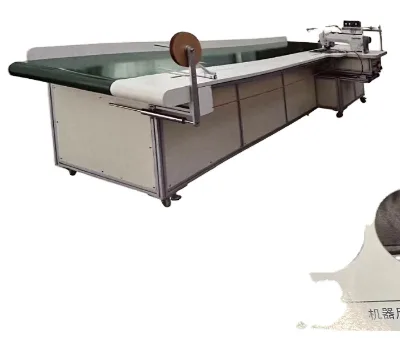
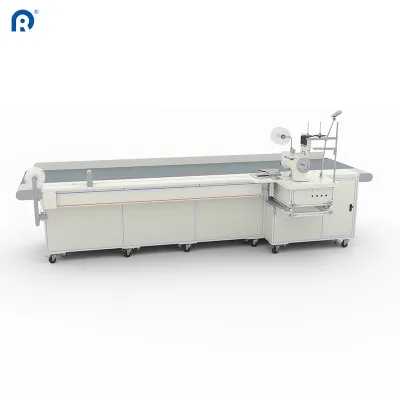
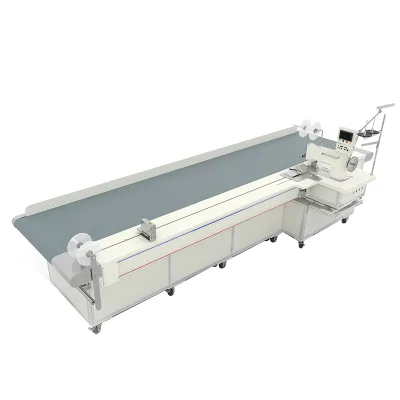
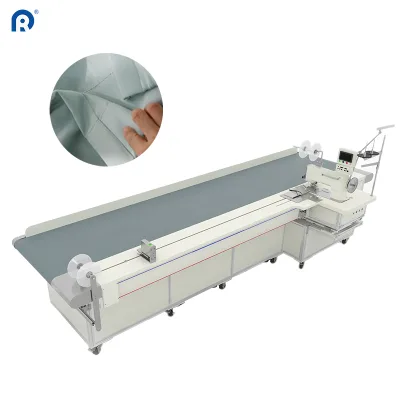
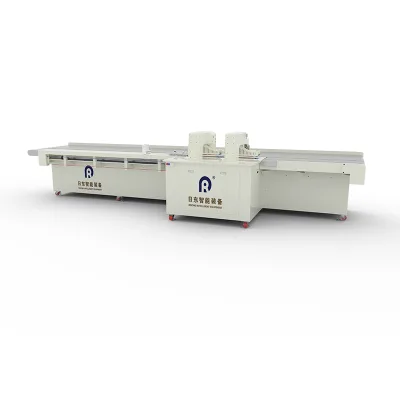
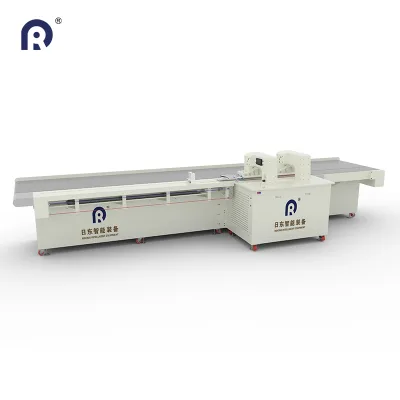
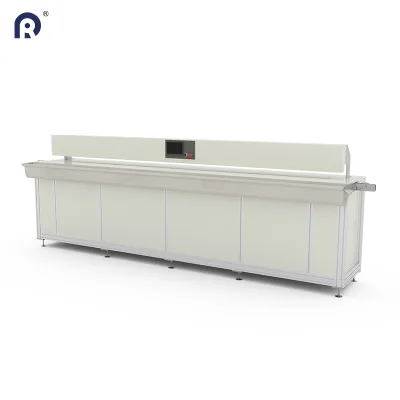


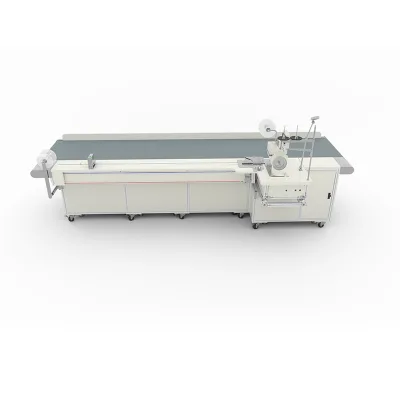
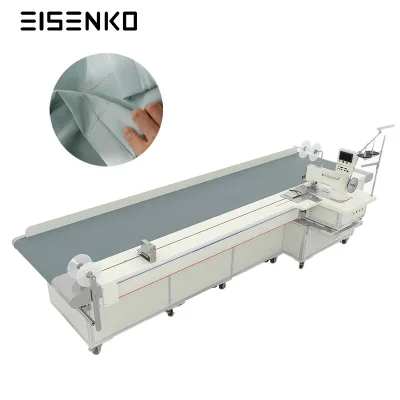
Vertical Curtain Stereotypes Machine High Temperature Curtain Setting Machine
$7300.00 - $7500.00
MOQ: 1 Sets
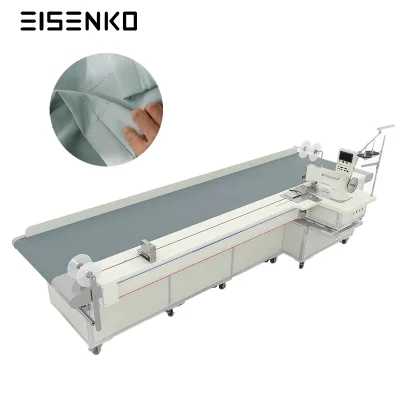
Comprehensive Sourcing Guide
Strategic Sourcing Guide for Curtain Hemming Machinery
Understanding Technical Specifications and Operational Capabilities
When sourcing curtain hemming machines, buyers must first navigate a complex landscape of technical specifications that define the machine's suitability for specific textile applications. The market offers a diverse array of equipment, ranging from straight sewing machines to advanced computerized quilting units. A critical observation in the current supply base is the variation in drive mechanisms. While some units operate on a pneumatic and electric power mode, others are driven solely by electric motors, and a segment of the market still utilizes hand-type drives. This distinction is vital for production planning, as the power mode directly influences the speed, consistency, and labor intensity of the hemming process.
Voltage requirements present another significant variable. Buyers must verify that the machine's electrical input matches their facility's infrastructure. Available data indicates machines operating at 220V, while others are designed for 380V industrial grids. Selecting the wrong voltage can lead to immediate operational failure or the need for costly transformer installations. Furthermore, the core components of these machines vary significantly. High-end models feature PLCs (Programmable Logic Controllers), motors, and specialized stitching heads, which allow for precise control over the sewing process. In contrast, simpler units may rely on basic engine bearings and standard motors.
The physical dimensions and weight of the machinery are also essential for factory layout planning. Observed specifications show a wide range of dimensions, with some units measuring approximately 4180mm in length, 1870mm in width, and 1400mm in height. Weight data points to substantial mass, with some units weighing up to 850kg, while others are listed at 450kg. These figures dictate the floor load capacity requirements and the type of forklift or crane needed for installation. Additionally, the machine's application scope is a key differentiator. While some machines are designed for general textile recycling, others are specialized for specific materials such as clothes, curtains, and wall fabrics. The ability to handle middle-thickness materials is a common requirement for curtain processing, ensuring the machine can manage the bulk of heavy drapery without jamming or misalignment.
Compliance, Certification, and Safety Standards
In the global B2B procurement of industrial machinery, compliance with international standards is non-negotiable. The supply chain for curtain hemming machines includes products that carry specific certifications, which serve as a proxy for quality and safety. The most frequently observed certification in the current market data is the CE mark, indicating conformity with health, safety, and environmental protection standards for products sold within the European Economic Area. Additionally, ISO certification is present in the product listings, suggesting adherence to international quality management standards. However, buyers must treat these certifications as observations of specific listings rather than universal attributes of all available machines. It is imperative to request and verify the validity of these certificates for the specific unit being purchased, as the presence of a "CE" or "ISO" label on a general product page does not guarantee that every individual unit meets the rigorous requirements of the buyer's local jurisdiction.
Safety and operational standards are further evidenced by the provision of machinery test reports. Reputable suppliers often provide inspection reports that detail the performance of the machine under load. These reports are critical for verifying that the machine meets the claimed specifications before it leaves the factory. The data indicates that video outgoing inspections are also provided, allowing buyers to visually verify the condition and assembly of the machine prior to shipment. This transparency is a strong indicator of a supplier's confidence in their product.
Regarding standards, the term "Customization" appears as a standard attribute for certain models, suggesting that the machine's configuration can be tailored to specific production needs. This flexibility is particularly relevant for curtain manufacturers who may require unique stitch types or thread configurations. For instance, some machines are equipped with four needles and six threads, utilizing a chain type stitch, which is ideal for heavy-duty curtain hemming. Others may be configured for different thread counts or stitch types. Buyers should verify that the standard configuration of the machine aligns with their specific production requirements, as the "standard" listed in the product data may refer to the default configuration rather than a universal industry norm.
Cost Drivers and Pricing Structures
The pricing of curtain hemming machines is influenced by a multitude of factors, resulting in a wide observed range from 130 USD to 200,000 USD. This vast disparity underscores the importance of defining the scope of requirements before engaging with suppliers. The lower end of the price spectrum likely corresponds to simpler, manual, or semi-automatic units with fewer core components and basic drive systems. Conversely, the higher price points are associated with fully automated, computerized systems featuring advanced PLC controls, multiple needle heads, and specialized capabilities for complex fabric types like velvet and gauze.
Material capabilities also play a role in cost determination. Machines capable of handling a broader range of materials, such as thread cotton, or those designed for specialized applications like rug and bedding production, may command a premium. The complexity of the customization options available is another significant cost driver. While customization is listed as an available feature, the extent of this customization—whether it involves modifying the frame dimensions, altering the voltage, or adding specific stitching heads—will directly impact the final price.
Packaging and logistics are additional cost factors that buyers must consider. The data indicates that machines are often packed in wooden boxes or standard packaging, with dimensions that can be quite large, such as 4130x1870x1400 cm. The weight of the single gross package, noted at 1000kg in some cases, significantly affects shipping costs. Buyers should request detailed Incoterms and shipping quotes to understand the total landed cost, as the base price of the machine is only one component of the total expenditure. The selling units are typically listed as single items, which simplifies the procurement process but requires careful calculation of the total volume and weight for freight forwarding.
Typical Applications and Material Compatibility
Curtain hemming machines are designed to serve a variety of applications within the textile industry, with a primary focus on the production of curtains, drapes, and wall fabrics. The application scope of these machines is broad, encompassing clothes, curtains, and wall fabrics, making them versatile tools for manufacturers who produce a range of home textile products. The ability to handle different material thicknesses is a critical feature. Many machines are specified for "middle thickness materials," which is ideal for standard curtain fabrics that require a robust hem without the machine struggling under the weight of the fabric.
Specialized machines are also available for more complex tasks, such as the splicing and sewing of curtain hems or the joining of velvet and gauze curtain fabrics. These machines often feature advanced stitching heads and multiple needles to ensure a seamless and durable finish. The stitch type, such as the chain type, is chosen for its strength and flexibility, which is essential for curtains that need to hang smoothly and withstand frequent opening and closing. The number of needles and threads also varies, with some machines equipped with four needles and six threads to increase production speed and stitch quality.
The application place for these machines is typically household or commercial textile manufacturing facilities. The design of the machine, including its dimensions and weight, suggests it is built for industrial environments where high-volume production is required. However, the availability of different drive types, including hand-type drives, indicates that some units may be suitable for smaller workshops or custom tailoring operations. Buyers should assess their specific production volume and the types of fabrics they process to select a machine that offers the right balance of speed, precision, and versatility.
Supplier Evaluation and Quality Assurance
Evaluating suppliers for curtain hemming machines requires a rigorous approach to ensure the reliability and longevity of the equipment. The location of the manufacturer is a key factor, with many suppliers originating from China, specifically Shanghai. This region is known for its robust manufacturing base, but buyers must conduct due diligence to verify the supplier's reputation and track record. The availability of video outgoing inspections is a positive sign, as it allows buyers to verify the machine's condition and functionality before it is shipped. This transparency helps mitigate the risk of receiving defective or substandard equipment.
Quality control is another critical aspect of supplier evaluation. The provision of machinery test reports is a strong indicator of a supplier's commitment to quality. These reports should be reviewed to ensure that the machine meets the claimed specifications for voltage, power, and performance. Buyers should also inquire about the warranty terms and the availability of after-sales support, including spare parts and technical assistance. The core components of the machine, such as the PLC, motor, and stitching head, are critical to its performance. Buyers should verify the brand and quality of these components to ensure they are from reputable manufacturers.
The customization capabilities of the supplier are also important. If the buyer requires a machine with specific dimensions, voltage, or stitching configurations, the supplier must demonstrate the ability to meet these requirements. The "Customization" standard listed in the product data suggests that many suppliers are willing to tailor their machines to the buyer's needs. However, buyers should clarify the scope of customization and any associated costs or lead times before placing an order.
Long-Term Procurement Considerations and Maintenance
Long-term procurement considerations for curtain hemming machines extend beyond the initial purchase price. Buyers must consider the total cost of ownership, which includes maintenance, spare parts, and energy consumption. The power consumption of the machine, typically around 1.5kw for many models, is a factor that affects ongoing operational costs. Buyers should calculate the energy efficiency of the machine to ensure it aligns with their sustainability goals and budget constraints.
Maintenance is another critical aspect. The core components of the machine, such as the engine bearings and PLC, require regular maintenance to ensure optimal performance. Buyers should inquire about the recommended maintenance schedule and the availability of spare parts. The condition of the machine, listed as "New" in the product data, implies that it is ready for immediate use, but buyers should also consider the wear and tear that will occur over time. The weight and dimensions of the machine also impact maintenance, as larger and heavier units may require more robust support structures and specialized maintenance equipment.
Finally, buyers should consider the scalability of their procurement strategy. As production volumes increase, the need for additional machines or more advanced models may arise. Buyers should evaluate the supplier's capacity to scale production and provide consistent quality over time. The ability to customize machines for different applications also allows for flexibility in the production line, enabling the manufacturer to adapt to changing market demands. By carefully considering these long-term factors, buyers can make informed decisions that ensure the long-term success of their textile manufacturing operations.
FAQs
What certifications do curtain hemming machines typically have?
Many curtain hemming machines carry CE and ISO certifications to ensure safety and quality standards. Buyers should verify specific certificates for each unit, as these are observations of individual listings rather than universal attributes for all available models in the supply base.
How is the power mode determined for these machines?
Power modes vary between pneumatic and electric drives or solely electric motors depending on the specific model. Some units also utilize hand-type drives, so buyers must check the drive specification to match their facility's labor intensity and speed requirements.
Which voltage options are available for industrial curtain machines?
Available voltage options include 220V and 380V to match different facility infrastructure standards. Selecting the correct voltage is critical to prevent operational failure, so buyers must verify the electrical input requirements before purchasing a specific unit.
Can customization be applied to Curtain Hemming Machine specifications?
Yes, customization is available for many models to tailor configurations like voltage, dimensions, or stitching heads. Buyers should clarify the scope of these customizations and associated costs, as the standard listed may refer to a default configuration rather than a universal norm.
What is the typical weight range for these textile machines?
Observed weights range from 450kg to 850kg depending on the machine type and core components. These substantial masses dictate floor load capacity requirements and influence the type of forklift or crane needed for safe installation and movement within a factory.
Which materials can curtain hemming machines process effectively?
These machines are designed to handle clothes, curtains, wall fabrics, and middle-thickness materials like velvet and gauze. Specialized models can also process fishing nets and rugs, ensuring versatility for manufacturers producing various home textile products with different bulk requirements.
How are machines packaged for international shipping from China?
Machines are typically packed in wooden boxes or standard packaging with dimensions around 4180mm by 1870mm. The single gross weight can reach 1000kg, which significantly affects shipping costs and requires careful calculation of total landed expenses for the buyer.