Source Curtain Rod Bracket for Homes, Offices, and Hotels
Compare 30 Curtain Rod Bracket options from verified Chinese manufacturers. Buyers can evaluate materials like steel and stainless steel, bracket types, and custom sizes to find the right solution for window curtain home decoration projects; compare the available evidence and request quotations based on your requirements.
Key considerations
Products List


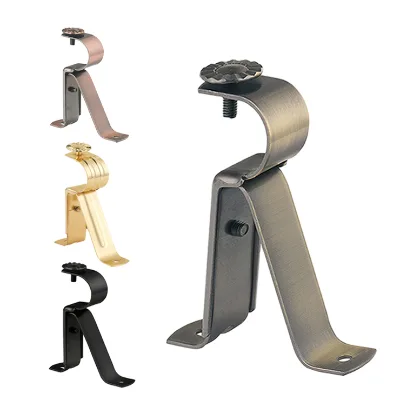
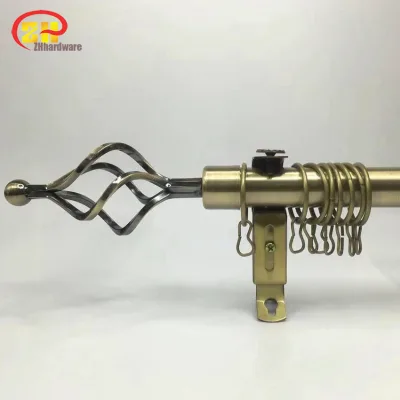
China Factory Direct Sales Aluminum Curtain Pole Brackets, Curtain Rod Brackets
$0.60 - $0.80
MOQ: 500 Pieces


High Quality Easy Install and Adjustable Heavy Duty Metal Curtain Rod Bracket
$0.01 - $0.02
MOQ: 1000 Pieces




Comprehensive Sourcing Guide
Curtain Rod Bracket Sourcing Guide
Buyers must first distinguish between the bracket hardware and the rod itself, as listings often bundle these components with varying specifications. The observed market data indicates a primary focus on single-side and double-bracket structures designed for plain rods, with materials ranging from steel to stainless steel and aluminum. Understanding this distinction is critical because the load-bearing capacity and mounting requirements differ significantly between a simple decorative bracket and a heavy-duty structural support system.
Procurement teams should verify whether the supplier provides the bracket as a standalone item or strictly as part of a complete rod assembly. The available data shows customization is a key feature, with options for specific diameters like 16mm, 19mm, 25mm, and 28mm, alongside variable lengths up to 6 meters. This flexibility allows for tailored solutions in residential and commercial settings, but it requires precise communication of the intended rod diameter and wall mounting conditions to ensure the selected bracket type aligns with the project's structural needs.
Product Scope and Observed Listing Signals
The current market listings reveal a diverse range of finishes, including spray-painting and electroplating, which directly impact the aesthetic integration and corrosion resistance of the final installation. Buyers will encounter products described with styles ranging from simple modern to metallic and black finishes, often packaged in shrinking films, PVC bags, or wooden pallets depending on the order volume. These packaging variations suggest that logistics costs and handling requirements will fluctuate based on the specific product configuration and the supplier's standard operating procedures.
Observations of the product scope indicate that while some items are standardized, many are offered with custom dimensions and drawing-based specifications. The presence of "Drawings" as a size specification implies that buyers must provide detailed architectural or interior design plans to receive accurate manufacturing quotes. This reliance on custom drawings means that the initial sourcing phase requires a clear definition of the project's spatial constraints to avoid mismatches between the ordered hardware and the actual installation environment.
Technical Specifications to Verify
Verification of the rod diameter and wall thickness is the most critical technical step, as the supplied data lists specific ranges such as 16mm, 19mm, 25mm, and 28mm with wall thicknesses of 0.55mm or 0.6mm. Buyers must confirm that the selected bracket is compatible with the exact diameter of the curtain rod they intend to use, as a mismatch can lead to structural failure or an unstable installation. The data also notes that thickness can be requested as per specific requirements, offering an opportunity to enhance durability for heavier drapery loads.
The structural integrity of the bracket depends heavily on the material composition and the manufacturing process employed. Listings indicate the use of steel, stainless steel, and aluminum, each offering different trade-offs between strength, weight, and cost. Additionally, the finish process, whether spray-painting or electroplating, must be verified to ensure it meets the environmental conditions of the installation site, particularly in humid areas where corrosion resistance is paramount for long-term performance.
Compliance and Safety Documentation
While specific certification documents like ISO9001 or RoHS are mentioned in background contexts, buyers should not assume these are automatically included without explicit confirmation in the contract. The observed data highlights "100% QC Testing" as a standard attribute, which suggests a robust internal quality control process, but this does not replace the need for third-party safety certifications required by local building codes or import regulations. Procurement teams must request specific test reports to validate that the metal components and finishes meet the safety standards of the destination market.
Documentation regarding the origin of materials and the manufacturing location is essential for supply chain transparency and potential tariff implications. The data points to origins in Shanghai, Fujian, and Ningbo, China, which are major manufacturing hubs, but buyers must verify the specific factory location to ensure compliance with any trade agreements or labor standards applicable to their region. Clear documentation of the product origin helps in managing logistics and ensures that the supply chain remains resilient against geopolitical or regulatory shifts.
Cost Drivers and Commercial Terms
The observed price range of 0.01 to 2450 USD and the MOQ range of 9 to 10000 units indicate that cost is heavily influenced by order volume and the level of customization required. Buyers should anticipate that lower unit costs are achievable only at higher volumes, while custom specifications such as unique diameters or specialized finishes may incur additional tooling or setup fees. Understanding the tiered pricing structure is vital for budgeting, as the cost per unit can vary dramatically between a standard off-the-shelf item and a bespoke solution.
Commercial terms regarding packaging and shipping logistics are significant cost drivers that often get overlooked in initial negotiations. The data shows varied packaging methods, from simple paper boxes to complex wooden pallets, which directly affect the volumetric weight and shipping costs. Buyers must clarify who bears the cost of specialized packaging and whether the supplier offers consolidated shipping options to minimize freight expenses, especially when sourcing from multiple locations within China.
Supplier Qualification and Quality Control
Supplier qualification should prioritize those who explicitly state "100% QC Testing" and offer "24 Hours" service response times, as these attributes indicate a commitment to rapid issue resolution and consistent product quality. The presence of "China Top 10 Assured Quality Supplier" in the data suggests a tier of high-performing vendors, but buyers must verify this claim through independent references or site audits rather than relying solely on marketing statements. A rigorous vetting process ensures that the supplier has the capacity to maintain quality standards across large production runs.
Quality control protocols must be defined in the purchase agreement to ensure that the final delivered goods match the approved samples and technical drawings. Buyers should require a pre-shipment inspection report that details the results of the 100% QC testing, including checks for finish consistency, structural integrity, and dimensional accuracy. Establishing a clear acceptance criteria and a process for handling non-conforming goods is essential to mitigate the risk of receiving defective brackets that could compromise the entire curtain installation.
Long-Term Procurement Checks
Establishing a long-term relationship with a supplier requires regular performance reviews that track consistency in delivery times, product quality, and responsiveness to design changes. The data indicates that many products are customized, which means the supplier must demonstrate the ability to maintain precision over multiple production cycles without significant deviation from the original specifications. Buyers should implement a scorecard system to monitor these metrics, ensuring that the supplier remains a reliable partner for future projects and expansions.
Continuous verification of material standards and finish durability is necessary to prevent degradation of the product over time, especially in high-traffic or humid environments. Buyers should request periodic updates on the supplier's material sourcing practices to ensure that the steel, stainless steel, or aluminum used remains consistent with the original quality standards. This proactive approach helps in maintaining the aesthetic and functional integrity of the curtain rod systems throughout their intended lifespan.
FAQs
What materials are used for curtain rod brackets?
Curtain rod brackets are typically manufactured from metal, steel, stainless steel, or aluminum. These materials provide the necessary structural integrity for window treatments. The choice of material often influences the finish, such as spray-painting or electroplating, ensuring durability and aesthetic appeal for home decoration projects.
Can curtain rod brackets be customized for specific projects?
Yes, customization is available for curtain rod brackets to meet specific project requirements. Buyers can request custom sizes based on provided drawings or specific dimensions. This flexibility allows for tailored solutions that fit unique window configurations, ensuring a precise and professional installation for various interior design styles.
What are the standard specifications for curtain rod brackets?
Standard specifications include rod diameters of 16mm, 19mm, 25mm, or 28mm. Thickness options are typically 0.55mm or 0.6mm, with lengths adjustable up to 6 meters. Brackets may be single-side or double types, designed to support plain rods with simple modern styles and metallic or black finishes.
How are curtain rod brackets packaged for shipping?
Packaging methods vary by supplier but commonly include shrinking film, plastic with kraft paper, or wooden pallets. Some products use shrinking PVC bags or paper boxes. Bulk shipments may pack ten pieces per carton with accessories included. This ensures protection during transit and maintains product quality upon arrival at the destination.
Where are curtain rod brackets typically manufactured?
Curtain rod brackets are primarily manufactured in China, with key production hubs in Shanghai, Fujian, and Zhejiang provinces. Ningbo is also a notable origin point. These regions offer established supply chains and manufacturing capabilities, ensuring consistent quality and competitive pricing for global buyers seeking reliable sourcing partners for window hardware.
What certifications apply to curtain rod brackets?
While specific certifications like ISO9001 or RoHS are noted in background data, buyers should verify compliance with standards such as DIN or ANSI for structural integrity. Quality assurance often includes 100% QC testing before shipment. It is essential to confirm that the supplier meets relevant industry standards for safety and performance.