Source Curtain Fabric for Home Hotel Cafe Uses
Find 30 Curtain Fabric options including polyester, linen looks, and embroidered styles. Buyers can compare specifications like width, GSM, and patterns for home, hotel, hospital, and cafe applications.
Key considerations
Products List


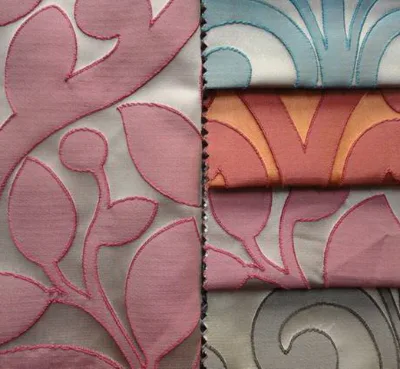


Comprehensive Sourcing Guide
Strategic Sourcing Guide for Curtain Fabric Procurement
Understanding Material Composition and Technical Attributes
When initiating a procurement strategy for Curtain Fabric, the primary technical consideration is the material composition, which dictates the fabric's drape, durability, and maintenance requirements. Based on current market observations, polyester stands as the dominant material attribute in the supply chain. This synthetic fiber is frequently cited as the core component for various curtain types, including those marketed as "Linen Looks" or "Stripe Linen." The prevalence of polyester suggests a supply chain optimized for cost-efficiency, colorfastness, and resistance to wrinkling, which are critical for high-volume commercial applications.
Buyers must distinguish between the raw material and the aesthetic finish. While the base composition is often 100% polyester, the visual and tactile properties are engineered to mimic natural fibers like linen. This is achieved through specific weaving techniques and finishing processes. For instance, the "Linen Looks Curtain" and "Stripe Linen Curtain" categories indicate a deliberate textural design rather than a natural fiber content. Procurement teams should verify the exact fiber blend if the project requires natural fibers, as the standard observation points to synthetic dominance.
The width of the fabric is another critical specification that impacts waste reduction and installation efficiency. Market data indicates a range of standard widths, with 110 inches and 118-120 inches being common observations. Some specialized rolls may be found at 55 inches, which requires specific panel planning to avoid excessive seaming. Additionally, the weight of the fabric, measured in grams per square meter (GSM), is a vital metric for determining opacity and light filtration. Observed specifications range from lightweight sheer fabrics at 80-100 GSM to heavier, more substantial drapes at 180-240 GSM. Selecting the correct GSM is essential for meeting the functional requirements of the intended space, such as light control in a hotel room versus privacy in a hospital ward.
Compliance, Certification, and Quality Standards
In the B2B procurement of textile goods, verifying compliance and certification is non-negotiable for risk management. The supply chain for curtain fabrics includes suppliers who hold ISO9001 certification, indicating a commitment to quality management systems. This certification is a strong indicator that the manufacturer has established processes for consistent production and defect reduction. However, buyers should not assume that every listed product automatically carries this certification; it must be verified against the specific supplier's documentation for the order in question.
Beyond general quality management, specific product standards and testing protocols are essential. Some products in the market are associated with SGS standards, which implies that the fabric has undergone third-party testing for safety, quality, or performance metrics. Buyers should explicitly request SGS test reports or equivalent documentation to validate claims regarding flame retardancy, colorfastness, or chemical safety, especially for projects in hospitality or healthcare sectors where regulatory compliance is strict.
The packaging and labeling standards also serve as proxies for quality control. Observations show that products are often packed in cartons or fabric rolls, with specific instructions such as "as per buyer's request." High-quality suppliers may include additional value-added packaging, such as individual hangtags and color inserts for each piece, ensuring that the product arrives ready for retail display or immediate installation. When evaluating suppliers, procurement teams should check if the packaging standards align with the logistical requirements of the destination, ensuring that the fabric remains undamaged during transit.
Cost Drivers and Pricing Dynamics
The pricing structure for Curtain Fabric is influenced by a complex interplay of material costs, production complexity, and order volume. The observed price range in the market is extensive, spanning from $0.38 to $1000 per unit. This wide variance reflects the diversity of the product portfolio, ranging from simple, mass-produced polyester rolls to highly customized, embroidered, or specialty items. It is crucial for buyers to understand that the unit price is not a linear function of the material alone but is heavily dependent on the customization level and the specific product model.
Several factors drive the cost upward. Customization is a significant variable; the availability of customization allows for tailored patterns, colors, and dimensions, which inevitably increases the unit cost compared to standard stock items. The complexity of the pattern, such as "Yarn Dyed" or "Embroidered" designs, adds labor and processing time, further influencing the price. For example, "Dolly Embroidered Curtain" or "Stripe Linen Curtain" variants likely command a premium over solid, unadorned fabrics due to the intricate manufacturing processes involved.
Minimum Order Quantity (MOQ) is another critical cost driver. The market data indicates an MOQ range from 1 to 5000 units. Suppliers offering low MOQs, such as single units or small rolls, often charge a higher per-unit price to cover setup and handling costs. Conversely, buyers who can commit to larger volumes, approaching the 5000-unit threshold, may negotiate more favorable pricing tiers. Understanding the MOQ structure is essential for budget planning, as it determines the feasibility of small-scale pilot projects versus large-scale bulk procurement. Buyers should also consider the lead time implications, as larger orders may require longer production windows, affecting the overall project timeline and cash flow.
Typical Applications and Functional Requirements
Curtain fabrics are versatile materials designed to meet the specific functional needs of diverse environments. The observed usage categories include residential homes, hotels, hospitals, cafes, and outdoor settings. Each of these environments imposes unique demands on the fabric's performance characteristics. In residential and hospitality settings, aesthetics and light control are paramount. The "Linen Looks" and "Stripe" patterns are particularly popular in these sectors for their ability to create a warm, inviting atmosphere while offering moderate light filtration.
For healthcare facilities like hospitals, the functional requirements shift towards hygiene, durability, and light management. The fabric must be easy to clean and resistant to wear and tear from frequent laundering. The "Sheer" and "Embroidered" options may be suitable for creating privacy without completely blocking natural light, which is beneficial for patient well-being. In commercial spaces such as cafes, the fabric must balance style with durability, often requiring high abrasion resistance to withstand high foot traffic and frequent use.
Outdoor applications present a distinct set of challenges, including exposure to UV radiation, moisture, and temperature fluctuations. While the core material is polyester, which offers good weather resistance, buyers must verify if the specific product is rated for outdoor use. The "Usage" attribute explicitly lists "Outdoors" for certain models, indicating that these fabrics have been treated or engineered to withstand environmental stressors. Procurement teams should ensure that the selected fabric matches the environmental conditions of the installation site to prevent premature degradation or fading.
Supplier Evaluation and Operational Capabilities
Evaluating potential suppliers requires a deep dive into their operational capabilities, geographic location, and production flexibility. The supply chain for curtain fabrics is heavily concentrated in specific manufacturing hubs, with China and Shaoxing identified as key origins. These regions are known for their extensive textile infrastructure and ability to produce a wide variety of fabric types efficiently. However, buyers should not rely solely on the origin; they must assess the specific supplier's capacity to meet quality standards and delivery schedules.
A critical aspect of supplier evaluation is their flexibility regarding product specifications and packaging. The market data shows that suppliers offer options such as "Carton or as Per Buyer's Request" and "Fabric Roll Packing." This flexibility is a strong indicator of a supplier's ability to adapt to specific client needs, whether for retail distribution or direct installation. Additionally, the availability of customization options suggests that the supplier has the technical capability to handle bespoke orders, which is essential for projects requiring unique designs or branding.
Buyers should also scrutinize the supplier's product range and model consistency. The existence of multiple product models, such as HS1012, FHCS885, HS2012, and Codigo41, indicates a diverse portfolio. However, it is important to verify that the supplier maintains consistent quality across these models. A robust supplier will have clear documentation for each model, including detailed specifications, standard dimensions, and performance data. This transparency facilitates easier comparison and selection, reducing the risk of receiving substandard products.
Quality Control and Long-Term Procurement Considerations
Ensuring long-term success in Curtain Fabric procurement requires a proactive approach to quality control and relationship management. The initial selection process should include a rigorous review of product samples to verify physical attributes such as weight, width, and texture against the stated specifications. For instance, confirming that the fabric width matches the required 110" or 118-120" is essential to minimize waste during cutting and installation. Similarly, verifying the GSM weight ensures that the fabric meets the desired opacity and drape requirements.
Long-term procurement considerations also involve establishing clear communication channels with suppliers regarding changes in standards or regulations. As sustainability and safety regulations evolve, suppliers must be able to adapt their production processes accordingly. Buyers should prioritize suppliers who demonstrate a commitment to continuous improvement and compliance, as evidenced by certifications like ISO9001 and adherence to standards like SGS.
Finally, the procurement strategy should account for the lifecycle of the product. Curtain fabrics are subject to wear and tear, and the ability to source replacement materials or matching batches is crucial for maintaining consistency in large installations. Buyers should inquire about the supplier's policy on reordering and batch consistency to ensure that future purchases match the original specifications. By focusing on these long-term factors, procurement teams can build resilient supply chains that support the ongoing needs of their projects while minimizing the risk of disruption.
Comparative Analysis of Key Product Specifications
To facilitate informed decision-making, the following table summarizes the key technical specifications observed in the market for curtain fabrics. This comparison highlights the diversity in width, weight, and style, allowing buyers to quickly identify products that align with their project requirements.
| Product Attribute | Observation 1 | Observation 2 | Observation 3 | Observation 4 |
|---|---|---|---|---|
| Material | Polyester | Polyester | Polyester | Polyester |
| Width | 110" | 118/120" | 55" | 110" |
| Weight (GSM) | 80-100 GSM | 180-240 GSM | N/A | N/A |
| Style | Stripe Linen | Solid | Sheer | Yarn Dyed |
| Pattern | Embroidered | Jacquard | Stripe | Embroidered |
| Usage | Home, Hotel | Home, Hotel, Hospital | Home, Hotel | Outdoors |
| Origin | China | China | Shaoxing | China |
| Standard | 140x280cm + 8 rings | 54x84" + 8 rings | N/A | SGS |
| Packing | Carton | Fabric Roll | 1 PC with Hangtag | Making Rolling |
This table underscores the importance of matching specific project needs with the correct product attributes. For example, a project requiring heavy-duty drapes for a hospital would prioritize the 180-240 GSM weight and hospital usage classification, while a residential project might focus on the aesthetic appeal of the 110" Stripe Linen Curtain. By systematically evaluating these parameters, buyers can optimize their procurement strategy to achieve the desired balance of cost, quality, and functionality.
FAQs
What material is used for these curtain fabrics?
The primary material is polyester, often engineered to look like linen. This synthetic fiber offers durability and resistance to wrinkling, making it suitable for various commercial and residential applications.
Which certifications do the Curtain Fabric suppliers hold?
Some suppliers hold ISO9001 certification for quality management systems. Additionally, certain products meet SGS standards, indicating third-party testing for safety and performance metrics required by specific industries.
How wide are the standard Curtain Fabric rolls available?
Standard widths observed include 110 inches, 118 to 120 inches, and 55 inches. Buyers should verify the specific width required for their project to minimize waste during cutting and installation.
Can I customize the Curtain Fabric for my project?
Yes, customization is available for various Curtain Fabric products. Buyers can request specific patterns, colors, or dimensions, though this may affect the unit price and minimum order quantity requirements.
What is the minimum order quantity for these fabrics?
The minimum order quantity ranges from 1 to 5000 units depending on the supplier and product model. Smaller orders often carry higher per-unit costs compared to bulk purchases meeting the higher threshold.
Where are these curtain fabrics manufactured?
The products originate from China, with specific manufacturing hubs identified in Shaoxing. This region is known for its extensive textile infrastructure and ability to produce a wide variety of fabric types efficiently.