Source Curtain Side Box Trailer for Logistics, Construction, and Farming
Compare 30 Curtain Side Box Trailer listings from Chinese manufacturers with varying load capacities up to 80 tons. Buyers can evaluate specifications including suspension types, tire sizes, and customization options for diverse transport needs.
Key considerations
Products List

3 Axle Curtain Van Box Side Semi Trailer 40FT Curtain Side Container Semi Trailer
$20000.00 - $22000.00
MOQ: 1


Factory Price Side Curtain Box Curtainsider Semi-Trailer Side Curtain Trailer
$26500.00 - $33500.00
MOQ: 1 Pieces

4 Axle Dry Van Type Box Curtain-Sider Semi Trailer Side Curtain Semi Trailer
$10500.00 - $14000.00
MOQ: 1 Pieces


New 3 Axles Customized Curtain Side Semi Trailer Waterproof Side Curtain Truck Trailer
$10500.00 - $14000.00
MOQ: 1 Pieces

Hot Sale Factory Price 3 Axles Side Curtain Side Semi-Trailer Trailer
$10500.00 - $14000.00
MOQ: 1 Pieces
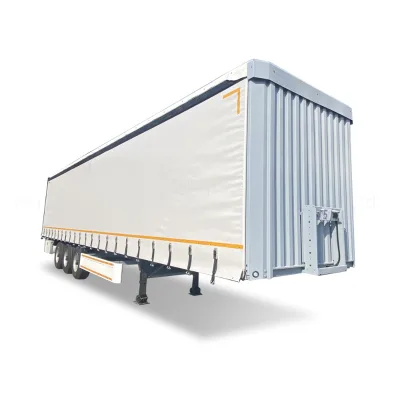

3 Axle Curtain Side Semi Trailer 40 FT Curtain Side Trailer Side Curtain Semi Trailer
$5000.00 - $10000.00
MOQ: 1 Pieces

Curtain Side Semi Trailer 3 Axles 60ton Side Open Container Box Semi Trailer for Sale
$5000.00 - $10000.00
MOQ: 1 Pieces


40FT Efficient Loading and Unloading Curtain Side Semi Trailer for Sale
$5000.00 - $10000.00
MOQ: 1 Pieces


Custom Size 40/45FT Curtain Side Semi Trailer with Quick Lock System
$8999.00 - $12900.00
MOQ: 1 Pieces

3 Axles Steel Aluminum Strong Box Side Curtain Truck Semi Trailer with Side Back Doors
$10000.00 - $25000.00
MOQ: 1 Pieces


Heavy-Duty Insulated Curtain Side Semi Trailer
$8990.00 - $9000.00
MOQ: 1 set
Hebei Shenghang Special Purpose Automobile Manufacturing Co., Ltd
Comprehensive Sourcing Guide
Strategic Sourcing Guide for Curtain Side Box Trailers
Understanding Technical Specifications and Configuration Options
When sourcing a Curtain Side Box Trailer, buyers must first navigate a complex landscape of technical specifications that vary significantly between manufacturers. The core product category encompasses semi-trailers designed with a flexible side curtain system, allowing for rapid loading and unloading of goods while maintaining structural integrity. Based on observed market data, these units are predominantly constructed from heavy-duty steel, utilizing Q345b grade materials for the main beam to ensure durability under high stress. The structural configuration often features a flatbed or side curtain design, with wheelbase dimensions typically ranging between 7000mm and 10000mm, depending on the specific axle configuration and intended load distribution.
A critical aspect of the technical evaluation is the suspension system. Buyers will encounter two primary types in the current market: leaf spring suspension and cross-arm type suspension. The choice between these affects ride quality, load stability, and maintenance requirements. Furthermore, the axle configuration is a defining characteristic, with many models specified as 3-axle units to distribute weight effectively. The tire specifications also vary, with common options including 11.00r20, 12r22.5, 315, and 385 sizes. The rim size is frequently standardized at 9.0-22.5 inches, though this should be verified against local road regulations.
The physical dimensions of the trailer are equally variable. While some standard models adhere to a size of 13000mm x 2500mm x 600mm, many suppliers offer fully customized sizes to meet specific cargo requirements. The platform often utilizes a 3mm diamond plate for durability, and side guards are available in lengths of 600mm, 900mm, or 1200mm to protect the cargo and the vehicle. The landing gear, essential for stabilizing the trailer when detached from the tractor, is typically rated at 28 tons, though this capacity must be matched to the total weight of the trailer and its payload.
Compliance, Certification, and Regulatory Standards
Navigating the regulatory landscape is a non-negotiable step in the procurement of curtain side box trailers. The market presents a diverse array of certifications, indicating that compliance is not uniform across all suppliers. Buyers must verify that the specific unit they intend to purchase holds the necessary approvals for their target operating regions. Observed certifications include CCC (China Compulsory Certification), ISOCE, ISO/TSCCC, DOT (Department of Transportation), GCC (Gulf Cooperation Council), and ECE (Economic Commission for Europe). The presence of these certifications is a strong indicator that the manufacturer adheres to specific quality and safety protocols, but their validity must be confirmed for the specific jurisdiction of use.
In addition to product certifications, the manufacturing standards themselves require scrutiny. While some units are built to a standard of 13000mm x 2500mm x 600mm, others are produced to "As your Request" specifications or general ISO standards. This variability underscores the need for buyers to explicitly define their required standards in the purchase order. The origin of the product is also a critical compliance factor. Most observed units originate from China, with specific manufacturing hubs noted in Shandong province. Understanding the origin helps in anticipating logistics costs and potential trade tariffs.
The braking system is another area where regulatory compliance is paramount. The majority of the observed trailers are equipped with an ABS Anti-lock Braking System and a dual-line brake system, which are essential for safety in heavy-duty operations. The king pin, which connects the trailer to the tractor, is available in 90# or 50# configurations. This dimension must align with the tractor unit's fifth wheel to ensure a secure and legal connection. Failure to match these specifications can lead to operational failures and regulatory violations.
Cost Drivers and Pricing Structures
The pricing of curtain side box trailers is influenced by a multitude of factors, resulting in a wide observed range of 2000 to 33500 USD. This significant variance is not merely a reflection of brand prestige but is driven by the specific configuration, material quality, and customization level of the unit. The base cost is heavily influenced by the load capacity, with units rated for 50 tons and 80 tons commanding different price points. The choice of axle brand, such as Fuwa or other optional brands, also impacts the final cost, as premium axle manufacturers often carry a higher price tag.
Material costs play a substantial role in the overall pricing. The use of heavy-duty steel and Q345b grade main beams ensures longevity but increases the raw material expense. Additionally, the customization of the trailer, including specific dimensions, color, and the inclusion of features like self-dumping mechanisms (though most observed units are not self-dumping), adds to the manufacturing complexity and cost. The packing method, whether it is export packing, nude and wax, or shipped in bulk, can also affect the final price due to the labor and materials involved in securing the unit for transport.
Buyers should also consider the Minimum Order Quantity (MOQ) when evaluating costs. The observed MOQ for these units is consistently 1, allowing for single-unit purchases which is beneficial for smaller fleets or specific project needs. However, the lead time and production scheduling can vary based on the level of customization required. While specific lead times are not universally standardized in the observed data, the complexity of the order directly correlates with the time required for manufacturing and quality assurance. Understanding these cost drivers allows buyers to negotiate more effectively and allocate their budget to the most critical features of the trailer.
Typical Applications and Operational Use Cases
Curtain side box trailers are versatile assets designed for a wide range of logistics applications. Their primary advantage lies in the flexibility of the side curtain, which allows for side-loading and unloading, making them ideal for distribution centers, retail supply chains, and construction sites where access from the side is necessary. The load capacity of these trailers, ranging from 40 tons to 80 tons, makes them suitable for transporting heavy goods such as building materials, machinery, and bulk commodities. The heavy-duty construction ensures that they can withstand the rigors of long-haul transportation and frequent loading cycles.
The specific design features of these trailers cater to different operational needs. For instance, the 3-axle configuration provides better weight distribution, which is crucial for heavy loads on long-distance routes. The suspension systems, whether leaf spring or cross-arm type, offer different levels of shock absorption, which can be selected based on the nature of the cargo. Fragile goods may benefit from the smoother ride provided by cross-arm suspension, while heavy, robust cargo might be adequately supported by leaf spring suspension.
Furthermore, the customization options available, such as specific sizes and colors, allow these trailers to be tailored to the branding and logistical requirements of the buyer. The ability to customize the side guard length and the landing gear capacity ensures that the trailer can be adapted to various loading docks and terrain conditions. This adaptability makes the Curtain Side Box Trailer a preferred choice for logistics companies that require a single type of trailer to handle diverse cargo types and routes.
Supplier Evaluation and Selection Criteria
Selecting the right supplier is a critical step in the procurement process, requiring a thorough evaluation of their capabilities and reliability. Buyers should prioritize suppliers who demonstrate a clear understanding of the technical specifications and can provide evidence of their manufacturing standards. The origin of the product, particularly from regions known for trailer manufacturing like Shandong, can be an indicator of the supplier's expertise in this specific niche. However, geographic origin should not be the sole determinant; the supplier's track record, financial stability, and customer service capabilities are equally important.
When evaluating suppliers, buyers should verify the authenticity of the certifications claimed. The presence of certifications like CCC, ISO, and DOT should be confirmed through official documentation rather than relying solely on marketing materials. Additionally, the supplier's ability to offer customization, such as specific dimensions, colors, and suspension types, is a key differentiator. A supplier that can provide a wide range of options demonstrates flexibility and a commitment to meeting customer needs.
The quality of the components used in the trailer is another vital factor. Buyers should inquire about the brands of key components such as axles, tires, and landing gears. Suppliers that use reputable brands like Fuwa for axles and offer a range of tire options indicate a focus on quality and reliability. Furthermore, the supplier's approach to quality control and testing should be assessed. While specific test results are not always publicly available, a supplier's willingness to share quality assurance protocols and inspection reports can provide valuable insights into their commitment to product excellence.
Quality Control and Long-Term Procurement Considerations
Ensuring the quality of the Curtain Side Box Trailer is essential for long-term operational success. Buyers should implement a robust quality control process that includes pre-shipment inspections and post-delivery evaluations. This process should verify that the trailer meets the agreed-upon specifications, including dimensions, load capacity, and component quality. The use of heavy-duty steel and proper welding techniques are critical indicators of structural integrity, and these should be checked during the inspection phase.
Long-term procurement considerations also involve the availability of spare parts and maintenance support. A trailer is a significant investment, and its longevity depends on the ease of maintenance and the availability of replacement parts. Buyers should ensure that the supplier offers a comprehensive after-sales service package, including access to spare parts and technical support. The customization of the trailer should also be considered in terms of future adaptability; a trailer that can be easily modified or upgraded to meet changing logistical needs offers greater value over time.
Finally, the total cost of ownership (TCO) should be evaluated, not just the initial purchase price. Factors such as fuel efficiency, maintenance costs, and resale value play a significant role in the long-term financial performance of the trailer. A trailer with a robust suspension system and high-quality tires may have a higher initial cost but can result in lower maintenance expenses and a longer service life. By considering these long-term factors, buyers can make informed decisions that maximize the return on their investment and ensure the reliability of their logistics operations.
Summary of Key Specifications and Variations
To assist buyers in their decision-making process, the following table summarizes the key specifications and variations observed in the market for curtain side box trailers. This overview highlights the range of options available and the critical parameters that should be verified during the sourcing process.
| Feature Category | Observed Specifications / Options | Verification Requirement |
|---|---|---|
| Material & Grade | Steel, Heavy Duty, Q345b Main Beam | Verify material grade certificates |
| Dimensions | 13000x2500x600mm, Customized, 12500x2500x1600mm | Confirm exact dimensions for cargo fit |
| Axle Configuration | 3 Axle, Fuwa or Optional Brands | Check axle brand and load rating |
| Suspension | Leaf Spring, Cross Arm Type | Select based on cargo type and route |
| Tires & Rims | 11.00r20, 12r22.5, 315, 385; 9.0-22.5 Rim | Match tire size to local regulations |
| Load Capacity | 40T, 50T, 80T | Ensure capacity matches cargo weight |
| Braking System | ABS, Dual Line | Verify ABS functionality and certification |
| Landing Gear | 28 Ton, Standard | Check capacity for trailer weight |
| Certifications | CCC, ISO, DOT, ECE, GCC | Confirm validity for target region |
| Origin | China, Shandong | Assess logistics and tariff implications |
By carefully analyzing these specifications and adhering to the outlined procurement strategies, buyers can effectively source curtain side box trailers that meet their operational needs while ensuring compliance and long-term value.
FAQs
What certifications do curtain side box trailers typically have?
These trailers commonly hold certifications such as CCC, ISOCE, DOT, and ECE. Buyers must verify specific approvals for their target region, as compliance varies by manufacturer and origin, particularly for units from China.
Which suspension systems are available for these semi-trailers?
The market offers leaf spring suspension and cross-arm type suspension options. The choice depends on load stability needs, with cross-arm systems often preferred for smoother rides and leaf springs for heavy-duty durability.
Can buyers customize the dimensions and color of the trailer?
Yes, customization is available for size, color, and specific structural requirements. Suppliers often produce units to customer requests, allowing for tailored dimensions like 12500x2500x1600 mm or specific color finishes to match branding.
What is the typical load capacity range for these trailers?
Load capacities generally range from 40 tons to 80 tons depending on the axle configuration. Units with 3 axles and heavy-duty steel construction are designed to handle these high loads safely during long-haul transport.
Which tire sizes are standard for curtain side box trailers?
Standard tire options include 11.00r20, 12r22.5, 315, and 385 sizes. These are paired with 9.0-22.5 rims, though specific selections should align with local road regulations and the intended payload weight.
What is the minimum order quantity for purchasing these trailers?
The minimum order quantity is typically one unit, allowing for single purchases. This flexibility supports smaller fleets or specific project needs without requiring bulk commitments from the buyer.