Source cushioned non-slip polyester prayer rug for Home, Travel, and Office
Explore 30 verified listings for a cushioned non-slip polyester prayer rug suitable for home, travel, and office environments. Buyers can compare features like stain resistance, material thickness, and package dimensions to find the right supplier.
Key considerations
Products List
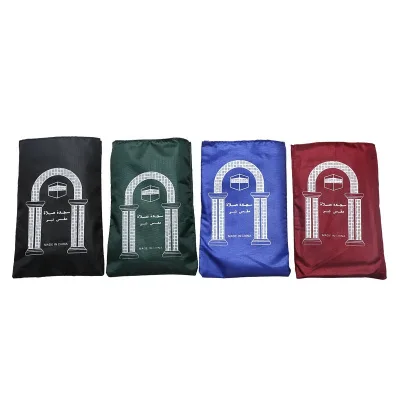
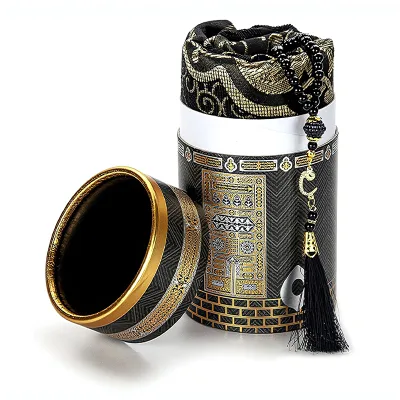
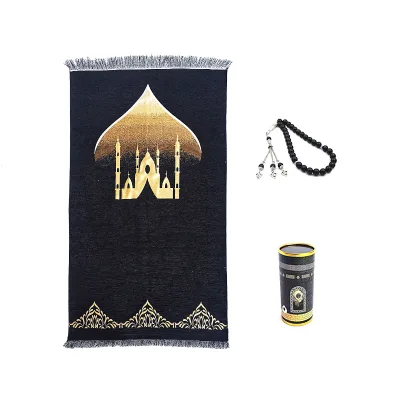
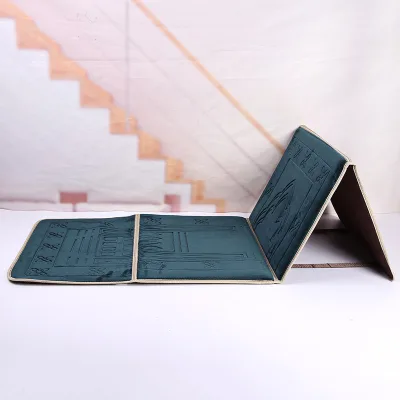
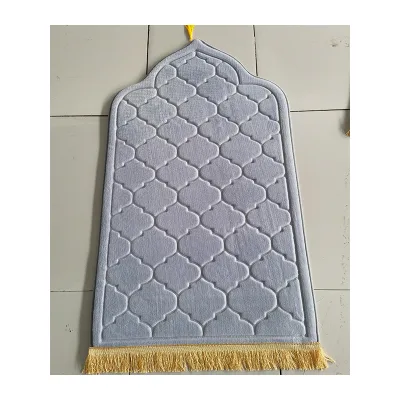
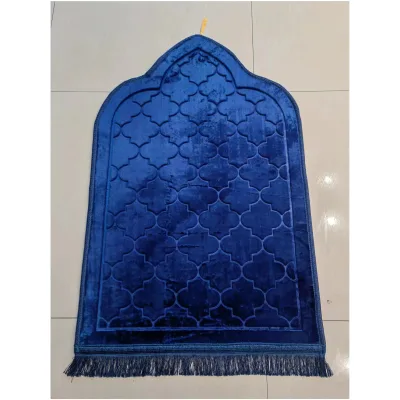

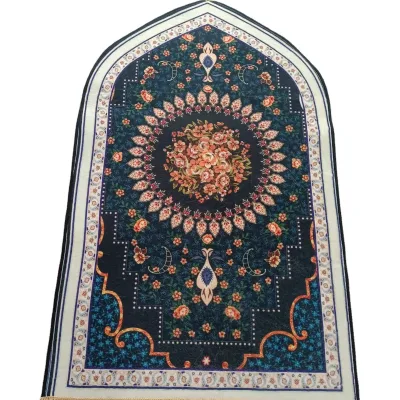
Muslim Prayer Thick Non-Slip Rug Arab Islamic Festival Prayer Mat Rug
$6.70 - $7.90
MOQ: 100 Square Meters

Embossed Polyester Prayer Rug Thick Foldable Muslim Prayer Mat with Tassels Non-Slip Backing, OEM
$6.70 - $7.90
MOQ: 100 Square Meters


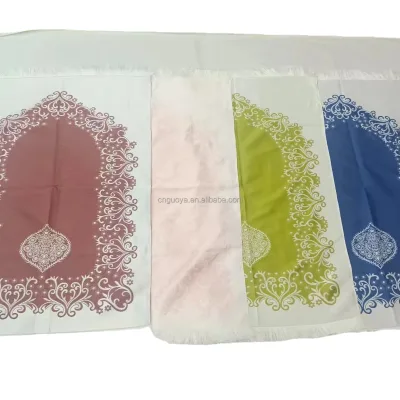
Wholesale Mosque Prayer Carpet Pocket Prayer Mat Prayer Rug Muslim
$6.70 - $7.90
MOQ: 100 Square Meters

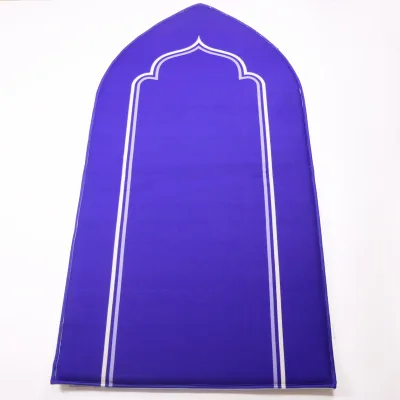
Wholesale Islamic Prayer Mats Muslim Prayer Rug Soft Velvet Non Slip Mat
$4.00 - $4.50
MOQ: 100 Square Meters


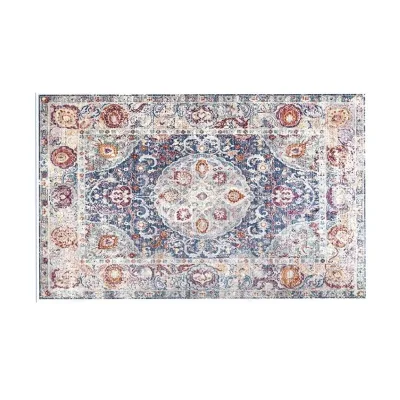
Printed Short-Pile Thin Carpet, Muslim Prayer Mat, East Asian Colorful Prayer Rug
$1.00
MOQ: 100 Square Meters


Crystal Velvet Prayer Mat, Non-Slip Printed Floor Mat, Muslim Prayer Mat
$1.40 - $20.00
MOQ: 1 Square Meters
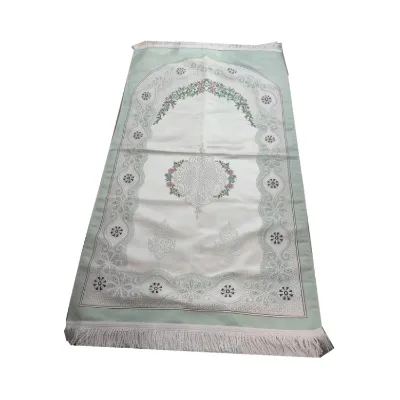
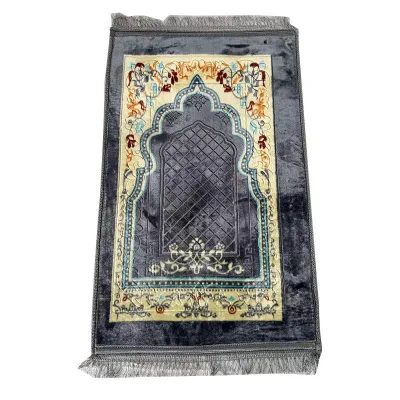



Comprehensive Sourcing Guide
Strategic Sourcing Guide for Cushioned Non-Slip Polyester Prayer Rugs
Understanding Product Specifications and Material Composition
When sourcing cushioned non-slip polyester prayer rugs, the primary focus must be on the intersection of material durability, functional design, and specific dimensional requirements. Based on available market data, the core material for these products is consistently identified as 100% polyester or generic polyester blends. This material choice is critical for buyers because polyester offers inherent stain resistance and colorfastness, which are essential for items used frequently in various environments. The manufacturing technique is predominantly machine-made, ensuring consistency in the pile height and pattern application across large production runs.
The physical specifications of these rugs vary significantly depending on the intended use case, ranging from compact travel mats to larger floor coverings. Observed size dimensions include 60x100cm and 70x110cm, catering to different user needs and spatial constraints. The thickness profile is a distinguishing feature; some listings describe the product as having a "thin" profile (0.2 - 0.4 inches), while others highlight a "medium pile" or explicitly label the item as a "thick praying mat." Buyers must verify the exact thickness and pile height required for their specific application, as this directly impacts the "cushioned" attribute. The backing material is frequently cited as polypropylene, which contributes to the structural integrity and the non-slip performance of the rug.
Shape variations are also observed in the market, with the majority of products being rectangular, though square options exist. The single package dimensions provide insight into logistics planning, with sizes ranging from compact 15x11x2 cm rolls to larger 28x15x8 cm packages. The weight of individual units varies from approximately 0.15 kg to 0.600 kg, a factor that influences shipping costs and handling requirements. Understanding these granular specifications is the first step in defining a precise procurement request, ensuring that the final product aligns with the functional definition of a "cushioned non-slip polyester prayer rug."
Functional Attributes and Performance Characteristics
The functional performance of a prayer rug is defined by a specific set of attributes that address both physical comfort and safety. The most critical feature observed in the product data is the "non-slip" characteristic. This is achieved through the combination of the polyester pile and the polypropylene backing, designed to prevent the rug from sliding on smooth surfaces such as tiled floors or wooden planks. This attribute is often reinforced by descriptions like "Anti-Slip" or "Non-Slip" in product listings, indicating a dual-sided or textured bottom layer.
Comfort is another paramount consideration, addressed through the "cushioned" attribute. This is directly linked to the pile height and the density of the polyester fibers. Whether the product is marketed as a "thick praying mat" or a standard prayer rug, the cushioning effect is intended to provide a soft surface for kneeling and prostration. Additionally, stain resistance is a key performance metric for polyester-based rugs. The material's synthetic nature allows it to repel liquids and resist staining, making it suitable for high-traffic areas or environments where spills might occur.
Versatility in application is a significant advantage of these products. While the primary use is religious, the product data indicates applications extending to dining rooms, bedrooms, living rooms, offices, hotels, and kitchens. Some listings specifically mention "Home" and "Travel" as primary use cases, while others include "Commercial" and "PRAYER" as distinct categories. The "reversible" feature noted in some specifications adds another layer of utility, allowing the rug to be flipped for extended wear or to present a different aesthetic. These functional attributes collectively define the value proposition of the product, moving it beyond a simple religious item to a versatile home textile.
Compliance, Certification, and Quality Verification
In the B2B procurement of textile products, verifying compliance and quality standards is essential to mitigate risk and ensure product safety. While the supplied product data does not explicitly confirm specific certification statuses for every listed item, buyers should be aware of relevant industry standards. One notable standard mentioned in the background context is OEKO-TEX. Although this should not be assumed as a universal attribute of all available stock, it represents a critical benchmark for buyers concerned with chemical safety and the absence of harmful substances in the polyester fibers and dyes.
When evaluating potential suppliers, buyers must request documentation to verify that the products meet local safety regulations and import requirements. This includes verifying the origin of the materials and the manufacturing processes. The "place of origin" for many of these products is identified as Guangdong, China, a major hub for textile manufacturing. Buyers should ensure that the supplier can provide proof of origin and any necessary export documentation. Furthermore, the "High quality" and "competitive price" advantages listed in product attributes are subjective claims. Procurement teams must establish objective quality control metrics, such as tensile strength tests for the backing and colorfastness tests for the polyester pile, to validate these claims.
Quality verification should also extend to the packaging and labeling. The single package sizes and gross weights provided in the data must match the actual shipment to avoid discrepancies in logistics and inventory management. Buyers should inspect samples for consistency in the "machine-made" production, checking for loose threads, uneven dyeing, or defects in the non-slip backing. Establishing a clear quality assurance protocol that includes these verification steps is vital for maintaining brand reputation and customer satisfaction in the long term.
Cost Drivers and Procurement Economics
The economics of sourcing cushioned non-slip polyester prayer rugs are influenced by several key variables, including Minimum Order Quantity (MOQ), material costs, and logistics. The observed MOQ range in the market is broad, spanning from as low as 1 piece to as high as 2000 pieces, with specific listings citing MOQs of 30, 24, and 48 pieces. This variability allows buyers to scale their orders based on their immediate needs and budget constraints. However, higher volume orders typically yield better unit pricing, a factor that must be balanced against storage costs and cash flow considerations.
Material costs are a primary driver of the final price. The use of 100% polyester and polypropylene backing keeps production costs relatively low compared to natural fiber alternatives, contributing to the "competitive price" advantage often cited. However, the thickness of the pile and the complexity of the pattern (such as the "Chevron" pattern observed) can increase manufacturing time and cost. The "mix colors" option versus specific color codes (e.g., Black708, Black707) also impacts pricing, as custom dye runs may incur additional charges.
Logistics and lead times are significant cost factors. The observed delivery time ranges from 3 to 15 days, which is relatively short and beneficial for just-in-time inventory strategies. However, the shipping method is noted as "According to customer need," meaning that buyers must actively select and pay for their preferred shipping method, whether air freight for speed or sea freight for cost efficiency. The single gross weight of the product, ranging from 0.15 kg to 0.600 kg, directly affects freight charges, especially for larger orders. Buyers should calculate the total landed cost, including duties and freight, rather than focusing solely on the unit price to ensure accurate budgeting.
Supplier Evaluation and Selection Criteria
Selecting the right supplier requires a rigorous evaluation process that goes beyond the basic product listing. Buyers should prioritize suppliers who demonstrate transparency in their manufacturing capabilities and supply chain. The "High quality" and "competitive price" attributes are common marketing claims, so verification is necessary. A reliable supplier will provide detailed product specifications, including the exact material composition, dimensions, and weight, matching the data points observed in the market.
Communication and responsiveness are critical indicators of supplier reliability. The "Shipping Method: According to customer need" suggests that suppliers are flexible, but buyers must confirm their ability to meet specific delivery timelines and packaging requirements. Evaluating the supplier's experience with the "Muslim" style and "Eid holidays" is also relevant, as these products often have seasonal demand spikes. A supplier with a proven track record in handling holiday-related orders will be better equipped to manage peak production schedules and ensure timely delivery.
Additionally, buyers should assess the supplier's capacity to handle different order sizes, from small MOQs of 24 pieces to large bulk orders. The ability to offer "mix colors" and various shapes (rectangular, square) indicates a flexible production line. It is also important to verify the supplier's location and logistics network, particularly given that many products originate from Guangdong, China. A supplier with strong logistics partnerships can streamline the shipping process and reduce lead times. Finally, checking for consistent product quality across different batches is essential to ensure that the "cushioned non-slip" performance remains reliable over time.
Long-Term Procurement and Application Strategy
For long-term success, buyers must develop a strategic approach to procurement that aligns with the diverse applications of cushioned non-slip polyester prayer rugs. The product data highlights a wide range of use cases, from "Home" and "Travel" to "Commercial" and "Office" environments. This versatility suggests that buyers should consider a diversified product portfolio that caters to different market segments. For instance, a thinner, more compact rug might be ideal for travel, while a thicker, cushioned version would be better suited for home or commercial use.
Sustainability and durability are increasingly important considerations in long-term procurement. While the supplied data does not explicitly detail sustainability certifications, buyers should inquire about the recyclability of the polyester and polypropylene materials. Ensuring that the products are durable enough to withstand frequent use in high-traffic areas will reduce replacement costs and enhance customer satisfaction. The "stain resistant" and "non-slip" features are particularly valuable in commercial settings, where maintenance and safety are paramount.
Finally, buyers should plan for seasonal fluctuations, particularly around "Eid holidays," which drive significant demand for these products. Building a strong relationship with a supplier who can scale production during peak periods will help buyers capitalize on these opportunities. By focusing on quality, flexibility, and strategic planning, buyers can secure a reliable supply of cushioned non-slip polyester prayer rugs that meet the evolving needs of their customers.
Comparative Analysis of Product Variants
To assist buyers in making informed decisions, the following table summarizes the key differences observed among the product variants available in the market. This comparison highlights the variations in specifications, features, and potential applications.
| Feature | Variant A (Travel/Compact) | Variant B (Home/Standard) | Variant C (Commercial/Thick) |
|---|---|---|---|
| Size | 60x100cm | 70x110cm | 70x110cm (Thick) |
| Thickness | Thin (0.2 - 0.4 in.) | Medium | Thick (Medium Pile) |
| Material | 100% Polyester | Polyester | Polyester |
| Backing | Polypropylene | Polypropylene | Polypropylene |
| MOQ | 24 pcs | 30 pcs | 48 pcs |
| Key Features | Non-Slip, Reversible | Stain Resistant, Cushioned | Stain Resistant, Non-Slip |
| Primary Use | Travel, Home | Home, Living Room | Commercial, Office |
| Package Size | 15x11x2 cm | 28x15x8 cm | 28x15x2 cm |
| Weight | 0.15 kg | 0.448 kg | 0.600 kg |
This table illustrates that while the core material and basic features remain consistent, the specific configuration of each variant caters to different user needs. Buyers should select the variant that best aligns with their target market's requirements for portability, comfort, and durability.
FAQs
How thick are the cushioned non-slip polyester prayer rugs available?
Thickness varies between thin profiles of 0.2 to 0.4 inches and medium pile options. Some listings explicitly describe specific items as thick praying mats while others offer standard thin versions for travel use.
What is the minimum order quantity for these prayer rugs?
Minimum order quantities range from as low as one piece up to 2000 pieces depending on the supplier. Specific listings show MOQs of 24, 30, and 48 pieces for different product models and configurations.
Which materials are used to make these prayer rugs?
The primary material is 100% polyester with a polypropylene backing for structural integrity. This combination ensures the rugs are stain resistant, durable, and provide the necessary non-slip performance for various floor types.
Can I find prayer rugs with specific dimensions like 60x100cm?
Yes, specific dimensions such as 60x100cm and 70x110cm are available in the current product listings. Buyers should verify exact size requirements as some models are square while others are rectangular.
How long does it take to receive these prayer rugs after ordering?
Delivery times typically range from 3 to 15 days from the point of order placement. Shipping methods are selected according to customer needs, allowing for flexibility between speed and cost efficiency.
What shapes are available for these cushioned prayer rugs?
The majority of products are rectangular, though square options are also observed in the market. Shape selection depends on the specific model number and intended use case for the buyer.
Where are these polyester prayer rugs manufactured?
Many of these products originate from Guangdong, China, which is a major textile manufacturing hub. Buyers should verify the specific place of origin for each supplier to ensure alignment with their logistics requirements.