Source Custom Design Display Ita Bag for Gifts, Events, and Promotions
Compare 30 listings for Custom Design Display Ita Bag options featuring PU, canvas, and polyester materials. Buyers can evaluate waterproof and eco-friendly styles with customizable logos, sizes, and packaging for daily use or promotional gifts.
Key considerations
Products List


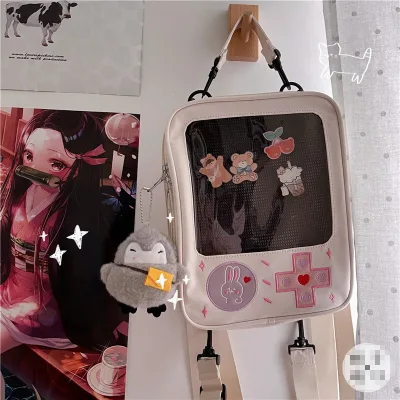
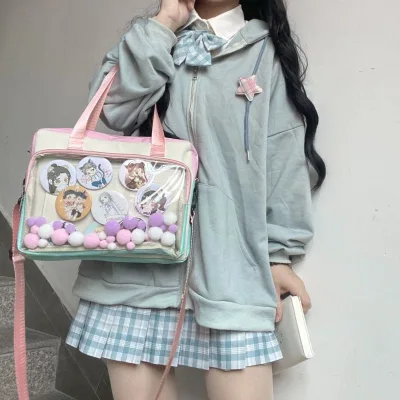
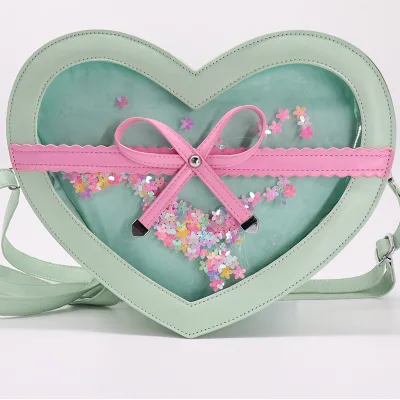
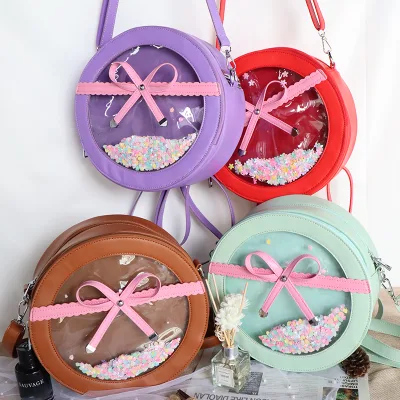


Comprehensive Sourcing Guide
Strategic Sourcing Guide for Custom Design Display Ita Bags
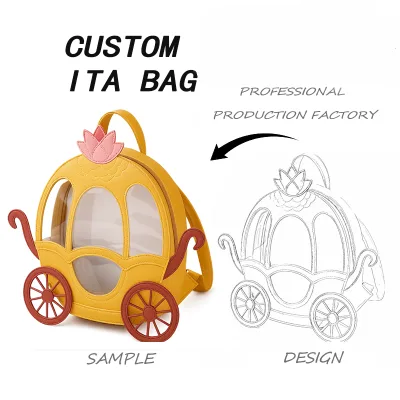
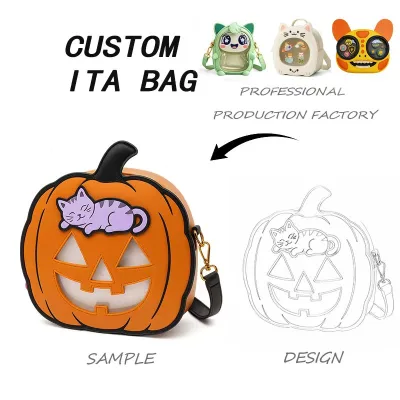
The global market for custom display Ita bags has expanded significantly as brands and event organizers seek versatile, high-visibility promotional tools. An Ita bag, distinctively characterized by its soft, slouchy silhouette and capacity for customization, serves as both a functional accessory and a mobile billboard. For procurement professionals, sourcing these items requires a nuanced understanding of material variance, production capabilities, and compliance frameworks. This guide synthesizes observed market data to provide a disciplined approach to acquiring custom design display Ita bags, ensuring that procurement decisions are grounded in verifiable facts rather than speculative marketing claims.
Defining Technical Specifications and Material Variance
The first critical step in sourcing is establishing precise technical specifications, as the term "Ita bag" encompasses a wide range of construction methods and material compositions. Market observations indicate a significant divergence in product attributes, particularly regarding the primary material and structural rigidity. Buyers must distinguish between products constructed from PU (polyurethane) leather and those utilizing canvas or polyester blends. The observed data reveals that some listings specify PU as the primary material, often paired with a polyester lining, while others explicitly identify canvas as the core fabric. This distinction is not merely aesthetic; it dictates the bag's durability, water resistance, and suitability for specific environments.
Furthermore, the structural classification of the bag varies between "Hard Bag" and "Soft Bag" designations. A hard bag implies a structured form that maintains its shape, suitable for rigid display requirements, whereas a soft bag offers a more casual, slouchy profile. The observed specifications also highlight that the "Inside Material" is frequently polyester, though some entries suggest cotton linings. Procurement teams must verify the exact lining material to ensure compatibility with the intended contents, especially if the bag will hold heavy items or sensitive electronics.
Size customization is a defining feature of this category. The market data confirms that sizes are not fixed; buyers can request dimensions such as 5cm, 10cm, 15cm, or 20cm in height, or entirely custom measurements. The single package size for standard units often ranges around 30x25x5 cm, but this is subject to change based on the final design. When evaluating suppliers, it is essential to confirm that the "Can Be Custom" designation applies to the specific dimensions required for the display, as standard sizes may not accommodate large graphics or specific product placements.
Compliance Frameworks and Certification Verification
Navigating the regulatory landscape is paramount when sourcing Ita bags, particularly for products intended for children or international markets. The observed product data lists specific certifications including EN71, ASTM F963, CE, and CPC. These standards are critical for products marketed to younger demographics or sold in regions with strict safety regulations. EN71 and ASTM F963 are safety standards specifically related to toys, covering mechanical and physical properties, flammability, and chemical migration. The presence of CE and CPC (Children's Product Certificate) indicates compliance with European and North American safety requirements, respectively.
However, buyers must exercise caution. The presence of these certifications in a product listing does not guarantee that every unit in a production run meets these standards. Procurement teams should treat these certifications as observed attributes of specific listings rather than universal guarantees. It is the buyer's responsibility to request valid, current test reports from the supplier that correspond to the specific batch of goods being ordered. The data also mentions "custom" as a standard, which implies that the product may be tailored to meet specific regional requirements. Buyers should verify if the supplier has the capacity to generate third-party testing documentation for the specific materials and dyes used in the custom design.
While some background information references ISO 9001 or ISO 14001, these should not be assumed as standard without explicit verification from the supplier. The core compliance focus for Ita bags should remain on the safety standards directly applicable to the product's end-use, particularly EN71 and ASTM F963 for items intended for all ages.
Cost Drivers and Pricing Dynamics
Understanding the cost structure of custom Ita bags is essential for budgeting and negotiation. The observed market data indicates a wide price range, with listed prices varying from $0.04 to $17.00 USD. This substantial variance is driven by several key factors, including material quality, customization complexity, and order volume. The lower end of the price spectrum typically corresponds to basic canvas or polyester bags with minimal customization, while the higher end reflects premium PU leather materials, intricate printing, and complex structural designs.
Order Volume is a primary cost driver. The Minimum Order Quantity (MOQ) observed in the market ranges from 1 piece to 50,000 pieces. While some suppliers offer an MOQ of just 1 piece, allowing for small-scale prototyping or sample orders, the standard MOQ for production runs often sits at 100 pieces. Buyers should be aware that unit costs generally decrease as order volume increases, but the relationship is not linear. The cost per unit is heavily influenced by the setup costs for custom molds, printing plates, and labor-intensive assembly processes.
Additional cost factors include the choice of hardware and accessories. Specifications mention features such as soft handles, arcuate shoulder straps, and zipper closures. The type of zipper, the durability of the strap attachment, and the quality of the logo application (e.g., screen printing vs. embroidery) will significantly impact the final price. Furthermore, packaging requirements, such as OPP bags and cartons, add to the overall cost. Buyers must clarify whether the quoted price includes custom packaging or if this is an additional line item.
Typical Applications and Usage Scenarios
The versatility of custom design display Ita bags makes them suitable for a diverse array of applications. The observed usage categories include "Promotion/Gift," "Daily," and "Gift/Promotion." This broad applicability suggests that these bags are effective for corporate branding, event giveaways, and retail packaging. The "Cute Fun" and "Fashion" styles noted in the data indicate that these bags appeal to a wide demographic, including all ages, making them ideal for family-oriented events or youth-targeted marketing campaigns.
For promotional use, the bag serves as a high-visibility medium. The ability to customize the logo, color, and size allows brands to create unique, memorable items that stand out compared to standard promotional merchandise. The "Waterproof" attribute is a critical differentiator for usage scenarios involving outdoor events or travel. Buyers must verify the waterproof status of the specific bag model, as the market data shows a split between "Waterproof" and "Not Waterproof" options. Selecting a waterproof model is essential for events where rain or moisture is a concern, while a non-waterproof option may suffice for indoor gatherings.
The "All Seasons" attribute further expands the potential use cases, indicating that these bags are not limited to seasonal promotions. Whether for summer festivals, winter holidays, or year-round retail, the custom design capability ensures the bag can be adapted to fit the theme of any campaign. The "Eco-friendly Material" designation, observed in some listings, also opens opportunities for brands looking to align their promotional efforts with sustainability goals, provided the specific material claims are verified.
Supplier Evaluation and Production Capabilities
Evaluating suppliers requires a focus on their production capabilities, lead times, and communication transparency. The observed data indicates that the place of origin for these products is primarily China, with specific mentions of Jiangsu as a manufacturing hub. This regional concentration suggests a mature supply chain with specialized expertise in bag manufacturing. However, buyers should not rely solely on the origin; they must assess the supplier's specific capacity for custom work.
Lead times are a critical factor in procurement planning. The data specifies a sample time of 15-20 days and a delivery time of 30-35 days after receiving the deposit. These timelines are indicative of the complexity involved in custom manufacturing. Buyers should factor in these durations when planning product launches or event schedules. Delays in sample approval can cascade into significant delays in the final delivery, so establishing a clear communication channel for sample feedback is essential.
When evaluating suppliers, buyers should look for evidence of their ability to handle the full range of customization options observed in the market. This includes the ability to produce custom logos, adjust sizes, and select from various materials like PU, canvas, or polyester. The "Custom Logo" and "Label or Hang Tag" customization options suggest that suppliers should be capable of handling complex branding requirements. Buyers should request a portfolio of previous custom work to verify the quality of their execution.
Quality Control and Long-Term Procurement Considerations
Implementing a robust quality control (QC) strategy is vital to ensure that the final product meets expectations. Given the variability in materials and construction, a pre-shipment inspection is highly recommended. Buyers should verify the stitching quality, the durability of the zipper closures, and the adhesion of the custom logo. The "Single gross weight" of 0.600 kg observed in some listings provides a baseline for checking consistency, but buyers should confirm that the weight of the final product matches the agreed specifications.
Long-term procurement considerations involve building a sustainable relationship with suppliers who can consistently deliver high-quality custom bags. The "Custom" nature of the product means that every order may require unique adjustments. Suppliers who demonstrate flexibility and a commitment to quality improvement are valuable partners. Buyers should also consider the environmental impact of their procurement choices. While some listings mention "Eco-friendly Material," buyers should verify the specific materials used and their recyclability to ensure alignment with corporate sustainability goals.
In conclusion, sourcing custom design display Ita bags requires a meticulous approach that balances technical specifications, compliance requirements, and cost considerations. By focusing on verified facts and maintaining a disciplined evaluation process, buyers can secure high-quality products that meet their specific promotional and functional needs. The market offers a wide array of options, but success lies in the ability to navigate the nuances of customization and quality assurance effectively.
Comparative Analysis of Key Product Attributes
To facilitate clearer decision-making, the following table summarizes the key attribute variations observed in the market. This comparison highlights the critical differences buyers must address when selecting a supplier.
| Attribute | Observation A | Observation B | Observation C |
|---|---|---|---|
| Primary Material | PU | Canvas | Polyester |
| Bag Type | Hard Bag | Soft Bag | Eco-friendly Material |
| Water Resistance | Waterproof | Not Waterproof | Not Specified |
| MOQ | 100 PCS | 1 PCS | 50,000 PCS |
| Certifications | EN71, ASTM F963, CE, CPC | None Listed | None Listed |
| Lining Material | Polyester | Cotton | Not Specified |
| Customization | Logo, Size, Color | Logo, Size, Color | Logo, Size, Color |
| Lead Time (Sample) | 15-20 Days | Not Specified | Not Specified |
| Lead Time (Production) | 30-35 Days | Not Specified | Not Specified |
| Origin | China | Jiangsu, China | Not Specified |
This table underscores the necessity of detailed specification sheets. The variance in MOQ, material, and certification status means that a "one-size-fits-all" approach to sourcing is ineffective. Buyers must align their specific requirements with the capabilities of the chosen supplier, ensuring that the final product delivers the intended value and meets all regulatory standards.
FAQs
What materials are used for custom design display ita bags?
Materials include PU leather, canvas, and polyester. Some bags feature polyester linings while others use cotton, and buyers must verify the specific lining material for their intended use.
Can I customize the size and logo of these bags?
Yes, sizes and logos are fully customizable. Buyers can request specific heights like 5cm or 20cm, and suppliers accept custom logos and labels for branding purposes.
What certifications do these bags meet for safety?
Certifications include EN71, ASTM F963, CE, and CPC. These standards ensure safety for toys and children's products, but buyers should request valid test reports for specific batches.
How long does it take to produce and deliver these bags?
Sample production takes 15-20 days, with full delivery in 30-35 days after deposit. These timelines depend on the complexity of the custom design and order volume.
What is the minimum order quantity for these bags?
Minimum order quantities range from 1 piece to 50,000 pieces. While some suppliers offer low MOQs for samples, standard production often requires orders of 100 pieces or more.
Are these bags waterproof for outdoor use?
Waterproof status varies by product listing. Some models are explicitly waterproof while others are not, so buyers must verify this attribute before selecting a bag for outdoor events.