Source Travel Cosmetic Foam Pump Bottle for skin care, personal care, and cosmetics
Compare 30 Travel Cosmetic Foam Pump Bottle options from verified suppliers. Buyers can review capacities ranging from 5ml to 500ml, materials like PP and plastic, and customization features for skin care and personal care products.
Key considerations
Products List


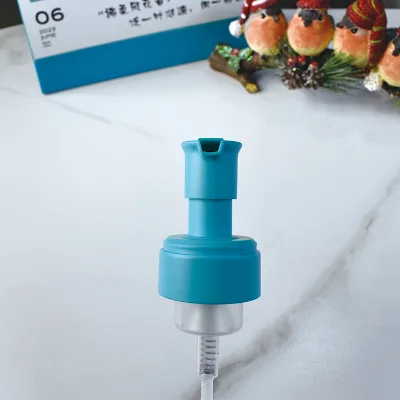
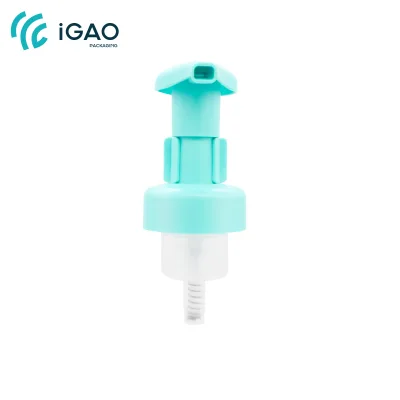
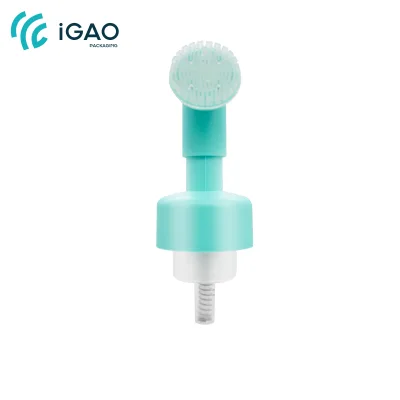

20ml Skin Pump Bottle Cosmetic Empty Packing Travel Lotion Pump Plastic Bottle
$0.25 - $0.35
MOQ: 10000 Pieces


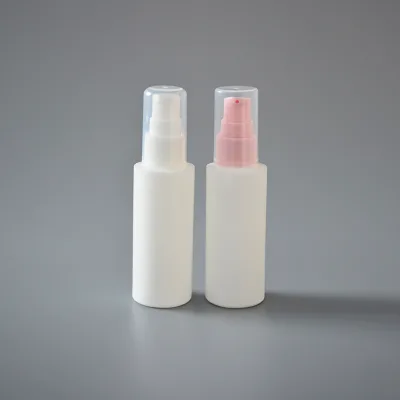


Comprehensive Sourcing Guide
Strategic Sourcing Guide for Travel Cosmetic Foam Pump Bottles
Navigating the global market for travel cosmetic foam pump bottles requires a disciplined approach that balances technical specifications, regulatory compliance, and supply chain reliability. For procurement professionals, the core challenge lies in identifying suppliers who can deliver consistent foam quality while adhering to strict volume constraints and customization needs. This guide synthesizes observed market data and verified product attributes to provide a framework for evaluating potential vendors without relying on unverified claims or speculative pricing.
Technical Specifications and Material Composition
The foundation of a successful procurement strategy begins with a rigorous understanding of the product's physical and chemical properties. The market for travel foam pump bottles is characterized by a diverse range of materials, with Polypropylene (PP) and general plastics being the most prevalent options observed in current listings. PP is frequently cited for its chemical resistance and durability, making it suitable for various cosmetic formulations. However, buyers must verify the specific polymer grade for each order, as material properties can vary significantly between batches and manufacturers.
Capacity is a critical specification for travel-sized products. Data indicates a wide spectrum of available volumes, ranging from small 5ml units up to larger 500ml containers. Specific models observed in the market include capacities of 15ml, 20ml, 30ml, 40ml, 60ml, 100ml, 120ml, 150ml, 180ml, 200ml, 300ml, and 350ml. The "travel" designation often implies smaller footprints, yet suppliers frequently offer modular systems where the same pump head can be fitted to bottles of varying sizes.
The mechanical design of the pump itself is equally important. The sealing type is predominantly a screw cap mechanism, ensuring a tight seal to prevent leakage during transit. The pump head, often referred to as the actuator, comes in various tooth sizes, with specific observations noting dimensions such as 30mm, 40D, and 43mm. These dimensions dictate the foam density and the amount of product dispensed per actuation. Buyers should request detailed technical drawings to confirm that the pump's internal mechanism, including the dip tube length and the foam chamber design, is compatible with the viscosity of their specific cosmetic formula.
Customization Capabilities and Design Flexibility
One of the primary drivers for sourcing foam pump bottles is the ability to customize the product to align with brand identity. The market data confirms that customization is widely available, extending beyond simple color selection. Suppliers frequently offer custom shapes, allowing for unique bottle profiles that stand out on retail shelves. The standard round bottle shape is common, but customized shapes are explicitly listed as an option for those seeking differentiation.
Color customization is another significant factor. While standard offerings often include white and blue, the capability to produce custom colors is a standard feature in this category. This allows brands to match their packaging to their specific color palettes. Furthermore, logo customization is a standard service, with many suppliers accepting OEM (Original Equipment Manufacturer) and ODM (Original Design Manufacturer) requests. This means buyers can have their branding printed directly onto the bottle or the pump cap, enhancing brand recognition.
The packaging specifications also offer room for negotiation. Standard packing configurations, such as cartons containing 200 pieces per carton with dimensions around 57x38x40cm, are common. However, for travel-sized items, single package sizes may vary, with some listings indicating a single unit size of 15x14x13 cm. Buyers should verify if the supplier can accommodate specific carton configurations to optimize shipping volume and reduce freight costs, especially for large orders.
Compliance, Certification, and Quality Standards
In the cosmetics industry, regulatory compliance is non-negotiable. When sourcing foam pump bottles, buyers must verify that the supplier holds relevant quality management certifications. ISO9001 is a specific certification observed in the product data, indicating that the manufacturer adheres to international standards for quality management systems. This certification suggests a structured approach to production, reducing the risk of defects and ensuring consistent output.
Beyond general quality management, the material safety of the bottle is paramount. Since these containers hold products applied directly to the skin, the plastic used must be food-grade or cosmetic-grade. While specific chemical certifications like FDA or EU compliance are not explicitly listed in the provided data, buyers should request documentation proving that the PP or plastic materials are free from harmful substances such as BPA and are safe for cosmetic use. The "Eco-friendly" feature mentioned in some product listings suggests a potential for sustainable materials, but this claim requires verification through specific material safety data sheets (MSDS) or third-party testing reports.
Cost Drivers and Economic Factors
Understanding the cost structure of foam pump bottles is essential for budgeting and negotiation. The observed price range in the market spans from $0.03 to $1.26 USD per unit. This wide variance is driven by several factors, including the complexity of the mold, the volume of the order, the material quality, and the level of customization required.
Minimum Order Quantity (MOQ) is a significant economic constraint. Data indicates that MOQs typically range from 500 to 10,000 pieces, with 10,000 pieces being a high-confidence figure for standard orders. This high MOQ can be a barrier for smaller brands or for testing new product lines. However, suppliers often offer flexibility for custom orders, though this may come with a higher unit price.
Lead time is another critical cost driver. The observed lead times vary from 7-15 days for standard items to 20 days for more complex or customized orders. Longer lead times can impact inventory planning and cash flow, particularly for seasonal product launches. Buyers should factor in these timelines when planning their production schedules. Additionally, the availability of free samples is a notable market feature, allowing buyers to test product quality before committing to a large order, which can reduce the financial risk of sourcing.
Supplier Evaluation and Selection Criteria
Selecting the right supplier requires a multi-faceted evaluation process. The origin of the products is predominantly China, a major hub for plastic packaging manufacturing. When evaluating potential partners, buyers should look for a track record of reliability and a commitment to quality. The presence of OEM/ODM acceptance is a strong indicator of a supplier's flexibility and willingness to collaborate on custom projects.
Key evaluation criteria should include:
- Production Capacity: Can the supplier meet the required volume within the desired lead time?
- Quality Control Processes: Does the supplier have in-house testing capabilities to verify foam performance and leak resistance?
- Communication: Is the supplier responsive and transparent about production status and potential delays?
- Sample Policy: Does the supplier offer free samples to facilitate product testing?
Buyers should avoid relying solely on price as a selection criterion. A lower price point may indicate compromises in material quality or manufacturing standards, which could lead to product failures in the field. Instead, focus on the supplier's ability to meet the specific technical and compliance requirements of the project.
Quality Control and Performance Verification
Quality control (QC) is the final safeguard before products reach the consumer. For foam pump bottles, QC should focus on several key performance metrics. First, the foam consistency must be verified. The pump should produce a stable, airy foam that dispenses smoothly without dripping or leaking. The tooth size of the pump head directly influences this performance, so verifying the 30mm, 40D, or 43D specifications against the desired foam density is crucial.
Second, leak testing is essential, especially for travel products that undergo pressure changes during air transport. Buyers should request that suppliers conduct drop tests and pressure tests on a random sample of the batch. Third, the seal integrity of the screw cap must be confirmed to ensure the product remains fresh and uncontaminated.
Finally, visual inspection is necessary to check for defects such as mold lines, discoloration, or imperfections in the custom logo printing. Given the "Eco-friendly" claims observed in the market, buyers should also verify that the production process minimizes waste and that the materials are recyclable where applicable.
Long-Term Procurement Considerations
Sourcing travel cosmetic foam pump bottles is not a one-time transaction but a long-term partnership. Buyers should consider the scalability of the supplier's operations. As the brand grows, the supplier must be able to increase production volumes without compromising quality or lead times. The ability to handle custom orders and adapt to changing design trends is also vital for maintaining a competitive edge in the cosmetics market.
Sustainability is an emerging trend that will likely influence future procurement decisions. While some suppliers currently offer eco-friendly options, buyers should proactively inquire about the recyclability of the materials and the potential for using post-consumer recycled (PCR) plastics. This forward-thinking approach can align with corporate social responsibility goals and meet the growing consumer demand for sustainable packaging.
In conclusion, successful sourcing of travel cosmetic foam pump bottles requires a detailed understanding of technical specifications, a commitment to compliance, and a strategic approach to supplier selection. By focusing on these core areas and leveraging the available market data, buyers can build a reliable supply chain that supports their brand's growth and quality standards.
FAQs
What materials are used for travel cosmetic foam pump bottles?
These bottles are typically made from plastic or Polypropylene (PP). PP offers chemical resistance and durability suitable for various cosmetic formulations, while general plastic options are also available depending on the specific supplier and model requirements.
Which capacities are available for these foam pump bottles?
Available capacities range widely from 5ml up to 500ml, including specific sizes like 15ml, 30ml, 60ml, 100ml, 150ml, and 200ml. Buyers can select from these standard options or request custom capacities to fit specific product needs.
Can suppliers provide customization for bottle shape and color?
Yes, customization is available for both shape and color. Suppliers offer custom shapes beyond the standard round bottle and allow for custom colors like white or blue, along with logo printing to match brand identity requirements.
What is the typical lead time for manufacturing these bottles?
Lead times vary from 7 to 15 days for standard items and up to 20 days for customized orders. This duration depends on the complexity of the design and the specific customization requests made by the buyer.
Do manufacturers hold ISO9001 certification for quality management?
Yes, some manufacturers hold ISO9001 certification, indicating adherence to international quality management standards. This certification helps ensure consistent production quality and reduces the risk of defects in the final packaging products.
What is the minimum order quantity for these cosmetic bottles?
The minimum order quantity typically ranges from 500 to 10,000 pieces, with 10,000 pieces being a common high-confidence figure. Buyers should verify specific MOQs with suppliers as they may vary based on customization and order volume.
Are free samples available for testing foam pump bottle quality?
Yes, many suppliers offer free samples to allow buyers to test product quality before placing large orders. This policy helps reduce financial risk and ensures the foam consistency and seal integrity meet the buyer's expectations.