Source Custom Design Cream Paper Notepad for Gift, School, Promotion
Explore 30 options for Custom Design Cream Paper Notepad with PU leather covers and sewing thread binding. Buyers can compare MOQs, printing styles, and production times to find the right supplier for gift, school, or promotion needs.
Key considerations
Products List


2024 Hardcover Planner Custom Logo Note Book B5 Journal Leather Notebook
$1.15 - $2.15
MOQ: 500 Pieces


Customizable Sticky Notepad with Personalized Branding Designs Available
$0.60 - $0.80
MOQ: 300 pieces


Comprehensive Sourcing Guide
Strategic Sourcing Guide for Custom Design Cream Paper Notepads
The procurement of custom design cream paper notepads represents a specialized segment within the stationery and promotional product markets. Buyers seeking these items often require a balance of aesthetic appeal, functional durability, and the ability to brand the product for specific corporate or educational initiatives. This guide synthesizes observed market data and technical attributes to provide a disciplined framework for sourcing, ensuring that procurement decisions are grounded in verifiable product characteristics rather than speculative claims. The focus remains on the specific intersection of cream paper stock, custom design capabilities, and the structural integrity required for pocket, gift, and promotional applications.
Technical Specifications and Material Composition
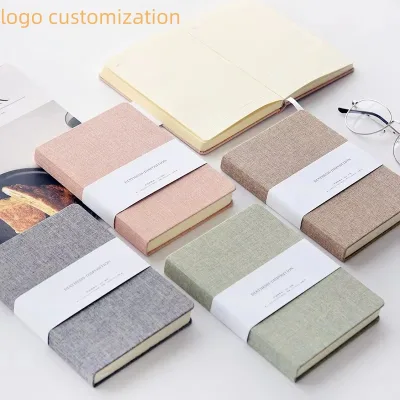
Understanding the physical and material specifications of the notepad is the foundational step in any sourcing strategy. The core product observed in the market is defined by a specific set of attributes that distinguish it from standard office stationery. The cover material is predominantly Faux PU Leather, which offers a premium tactile feel and durability comparable to genuine leather while maintaining cost-effectiveness for bulk orders. This material choice is frequently paired with a sewing thread binding method, a critical technical detail that ensures the pages remain securely attached even with frequent use, preventing the common issue of pages detaching from the spine.
The internal paper stock is a defining characteristic of this product category. The observed specifications indicate a preference for Cream or White Paper, with the cream variant being particularly sought after for its ability to reduce eye strain and provide a classic, elegant aesthetic suitable for journals and high-end planners. The page count varies across different models, with observed ranges including 70-80 sheets and 80-120 sheets. Buyers must verify the exact sheet count for their specific order, as this directly impacts the thickness and weight of the final product. Furthermore, the printing capabilities are robust, supporting 1-color, 2-color, and full printing options. This flexibility allows for intricate custom designs, logos, and text placement on both the cover and the inner pages.
The structural design often includes a pocket feature, making the product a "Notebook with Pocket" or "Pocket Cover Planner." This addition transforms the notepad from a simple writing surface into a functional organizer capable of holding business cards, receipts, or small documents. The models are available in various sizes, with A5 being a standard specification, though customization to specific customer requirements is a confirmed attribute. The locking mechanism is typically absent, favoring a sleek, open design, but the inclusion of an elastic band in some variations provides a secure closure option.
Customization Capabilities and Design Flexibility
The primary value proposition of the Custom Design Cream Paper Notepad lies in its extensive customization potential. The market data confirms that OEM (Original Equipment Manufacturer) services are widely available, allowing businesses to create unique products that align with their brand identity. The customization process is not limited to the cover; it extends to the inner pages, where the paper type and color can be selected. The "Customized" model designation appears frequently, indicating that dimensions, page counts, and binding styles can be tailored to specific project needs.
Design services are often included in the procurement package, with suppliers offering free design support. This is a significant advantage for buyers who may not have in-house graphic design resources. The customization extends to surface finishing techniques, with options for debossing or gold stamping on the leather cover. These finishing techniques add a layer of sophistication and are particularly effective for high-value promotional gifts or corporate awards. The acceptance of customized logos is a standard feature, ensuring that the brand name or logo is prominently displayed.
When evaluating customization, buyers should consider the production timeline. Observed production times range from 10 working days for standard custom orders to 15-20 working days for more complex designs involving multiple colors or special finishes. This variance highlights the importance of early planning in the procurement cycle. Additionally, the standard for production is often defined as "As customer's requirement," which implies a high degree of flexibility but also necessitates clear communication of specifications to avoid discrepancies between the design intent and the final product.
Cost Drivers and Pricing Dynamics
The pricing of custom design cream paper notepads is influenced by a complex interplay of factors, including material costs, customization complexity, and order volume. The observed price range in the market spans from $0.05 to $17.40 USD, a wide spectrum that reflects the diversity of product configurations. The lower end of this range typically corresponds to basic models with minimal customization, standard paper counts, and high-volume orders. Conversely, the upper end reflects premium configurations featuring full-color printing, gold stamping, elastic bands, and lower order quantities.
The Minimum Order Quantity (MOQ) is a critical cost driver. Data indicates MOQs ranging from 100 pieces to 3000 pieces, with common thresholds at 300 and 500 pieces. Higher MOQs generally result in a lower unit cost due to economies of scale in material purchasing and production setup. Buyers must balance their budget constraints with their inventory needs. For instance, an order of 100 pieces may be suitable for a small promotional event, but the unit cost will be significantly higher than an order of 1000 pieces intended for a large-scale corporate giveaway.
Packaging also contributes to the overall cost structure. Standard packaging involves placing individual units in OPP bags, grouping them into inner cartons (typically 25 pieces), and then consolidating them into master cartons (50 pieces per carton). However, some suppliers offer alternative packaging, such as placing items in PP bags before cartoning. Custom packaging solutions, while not explicitly detailed in the standard data, are often available as part of the OEM service and will incur additional costs. Buyers should request a detailed breakdown of packaging costs when negotiating, as this can significantly impact the final landed cost, especially for international shipments.
Typical Applications and Market Segments
The versatility of custom design cream paper notepads makes them suitable for a diverse range of applications. The observed usage categories include pocket use, gifts, promotions, and school supplies. This breadth of application suggests that the product appeals to multiple market segments, from B2B corporate clients to educational institutions and individual consumers.
In the corporate sector, these notepads are frequently utilized as promotional items. The ability to customize the cover with a company logo and the inclusion of a pocket for business cards make them highly functional for trade shows, conferences, and client appreciation events. The premium feel of the Faux PU Leather cover enhances the perceived value of the gift, reinforcing the brand image of the giver. For schools and educational institutions, the cream paper is ideal for students who prefer a softer reading surface, and the durability of the sewing thread binding ensures the notebook lasts throughout the academic year.
The "Gift" category is another significant application area. The elegant design, combined with options for gold stamping and debossing, positions these notepads as suitable for weddings, anniversaries, and corporate holidays. The pocket feature adds a practical element that distinguishes them from standard diaries, making them a thoughtful and useful gift. Furthermore, the "School" usage indicates that these products are also viable for student planners and study aids, where the cream paper helps reduce glare during long study sessions.
Supplier Evaluation and Quality Assurance
Selecting the right supplier is paramount to ensuring the quality and reliability of the Custom Design Cream Paper Notepad. Buyers should prioritize suppliers who demonstrate a clear understanding of the technical specifications outlined in this guide. Key evaluation criteria include the supplier's ability to meet the specific paper type requirements (Cream/White), their proficiency with the sewing thread binding process, and their track record with customization services.
Quality control should be a central component of the supplier selection process. Buyers must verify that the supplier has established protocols for inspecting the cover material for defects, checking the alignment of the printing, and ensuring the structural integrity of the binding. The observation that the product standard is "As customer's requirement" places the onus on the buyer to define clear quality benchmarks. This includes specifying acceptable tolerances for color matching, page count accuracy, and the quality of the gold stamping or debossing.
While specific certifications like FSC are mentioned in background data, they should not be assumed as a standard feature without explicit verification. Buyers should request proof of any certifications claimed by the supplier, particularly if sustainability is a priority for their brand. Additionally, the origin of the product, often cited as Jinan or China, should be considered in the context of logistics and lead times. Buyers should assess the supplier's shipping capabilities, noting that DDP (Delivered Duty Paid) and DDU (Delivered Duty Unpaid) services are available, which can simplify the import process for international buyers.
Long-Term Procurement Considerations
Sourcing custom design cream paper notepads is not merely a transactional exercise but a strategic decision that impacts long-term brand consistency and operational efficiency. Buyers should consider the scalability of their orders and the supplier's ability to maintain consistency across multiple production runs. The availability of free samples and the option for customized negotiation on sample costs are valuable tools for validating the product before committing to a large order.
Logistics and shipping services play a crucial role in long-term procurement. The availability of DDP and DDU services indicates that suppliers are equipped to handle international shipping complexities. However, buyers must factor in the lead times, which range from 10 to 20 working days, into their overall project timeline. Delays in production can have cascading effects on marketing campaigns or event schedules, so establishing a reliable production schedule with the supplier is essential.
Finally, the potential for repeat business and the relationship with the supplier should be evaluated. A supplier that offers free design support and flexible customization options is more likely to be a valuable partner for future projects. Buyers should maintain open communication channels to ensure that any changes in requirements or design preferences can be accommodated efficiently. By focusing on these long-term considerations, buyers can secure a steady supply of high-quality custom design cream paper notepads that meet their evolving needs.
Summary of Key Product Attributes
To facilitate quick reference during the sourcing process, the following table summarizes the critical attributes observed in the market for custom design cream paper notepads. This summary serves as a checklist for buyers to verify against supplier specifications.
| Attribute Category | Observed Specifications | Verification Requirement |
|---|---|---|
| Cover Material | Faux PU Leather / Customized | Confirm texture and durability |
| Binding Method | Sewing Thread | Check for page retention strength |
| Paper Type | Cream / White Paper | Verify shade and opacity |
| Page Count | 70-80 Sheets / 80-120 Sheets | Confirm exact count per model |
| Printing Options | 1-color / 2-color / Full Printing | Validate color accuracy and registration |
| Customization | Logo, Size, Model Name | Ensure design files meet technical specs |
| MOQ Range | 100 - 3000 PCS | Negotiate based on volume |
| Production Time | 10 - 20 Working Days | Align with project deadlines |
| Packaging | OPP Bag / Carton / PP Bag | Confirm outer packaging for shipping |
| Origin | Jinan / China | Verify logistics and shipping terms |
By adhering to these guidelines and utilizing the provided data, buyers can navigate the complex landscape of Custom Design Cream Paper Notepad sourcing with confidence, ensuring that the final product meets both functional and aesthetic expectations.
FAQs
What customization options are available for the notepad cover?
Suppliers accept customized logos and offer free design support for the cover. You can choose from debossing or gold stamping finishes on the Faux PU Leather material. Full printing options are also available for intricate branding needs.
How many sheets of cream paper are included in the notebook?
The inner pages typically contain between 70 to 120 sheets of cream or white paper. Specific models offer ranges of 70-80 sheets or 80-120 sheets depending on the selected design and thickness requirements.
Can I order samples before committing to a bulk purchase?
Free samples are available, though customized sample costs may be negotiable with the supplier. This allows buyers to verify the quality of the sewing thread binding and the cream paper texture before placing a large order.
What is the minimum order quantity for these custom notebooks?
Minimum order quantities vary by model, ranging from 100 to 500 pieces in observed listings. Some specific configurations require a minimum of 300 or 500 pieces to qualify for production and pricing tiers.
How long does production take for a customized order?
Production time generally ranges from 10 to 20 working days depending on complexity. Standard custom orders may take 10 days, while designs involving multiple colors or special finishes like gold stamping can require up to 20 days.
Which shipping services are available for international delivery?
DDP and DDU shipping services are available to handle international logistics. These options allow buyers to choose between delivered duty paid or delivered duty unpaid terms based on their import preferences and budget.