Source Custom Design Travel Shot Glass for souvenirs, promotions, and gifts
Explore 30 listings for Custom Design Travel Shot Glass options including glass, ceramic, and metal materials. Buyers can compare capacities, packaging, and customization features for tourist souvenirs and promotional gifts.
Key considerations
Products List
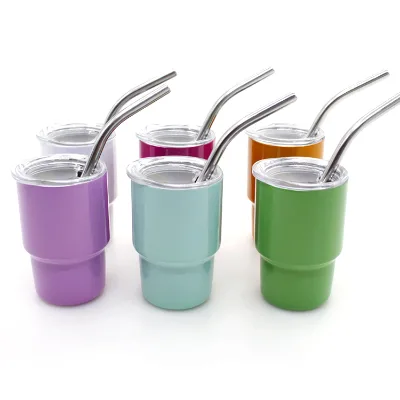
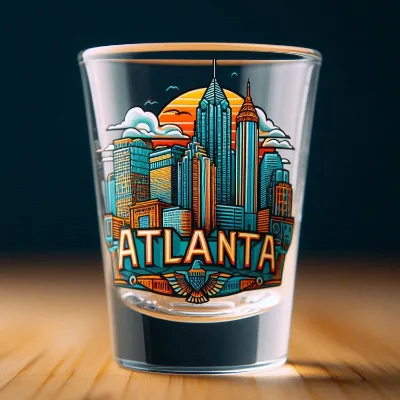
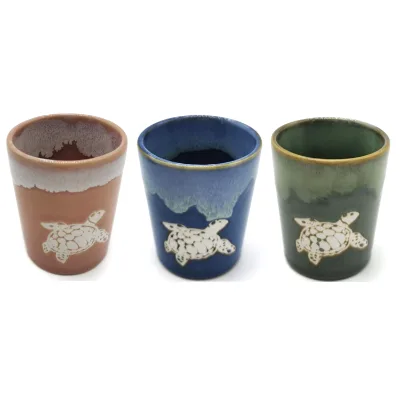


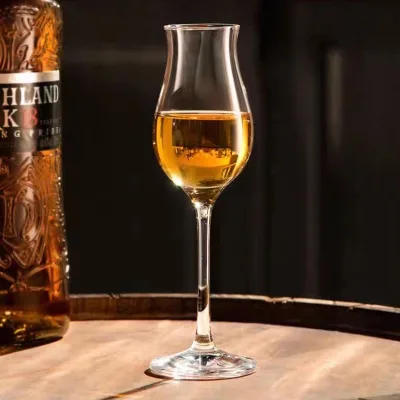


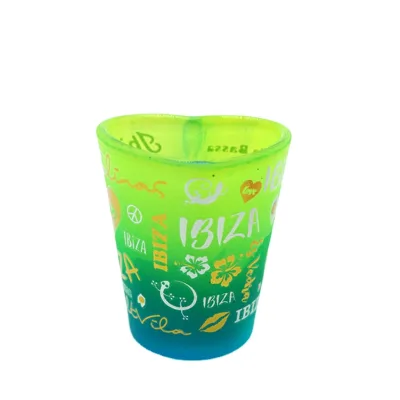
Personalized Custom Size Printing Design Souvenir Gifts Cup Shot Glass with Logo
$0.21 - $0.32
MOQ: 500 Pieces

Wholesale Customized Size Design Tourist Souvenir Gifts Personalized Cup Shot Glass
$0.21 - $0.32
MOQ: 500 Pieces
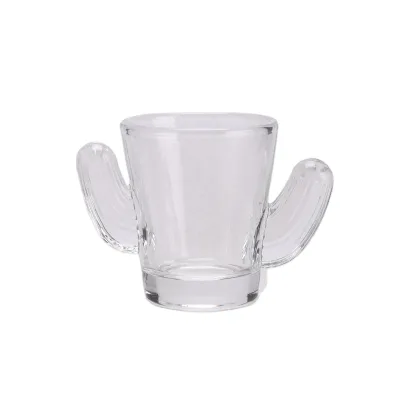


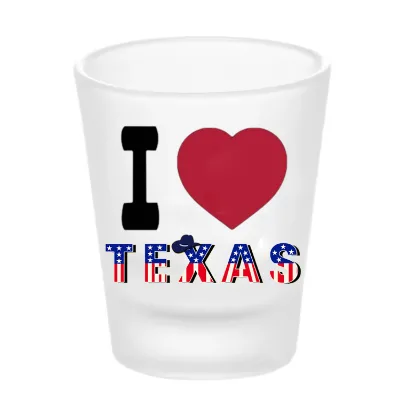
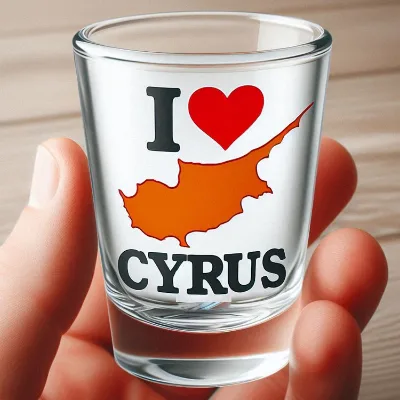
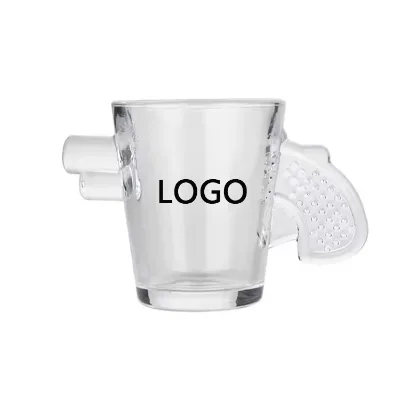
Comprehensive Sourcing Guide
Strategic Sourcing Guide for Custom Design Travel Shot Glasses
The global market for promotional and souvenir drinkware has seen a significant surge in demand for specialized travel accessories, with custom design travel shot glasses emerging as a high-potential category. For B2B procurement professionals, navigating this sector requires a disciplined approach that separates marketing assertions from verifiable product attributes. The core keyword "Custom Design Travel Shot Glass" encompasses a diverse range of materials, capacities, and manufacturing origins, primarily concentrated in Chinese manufacturing hubs. This guide provides a structured framework for evaluating suppliers, understanding technical specifications, and mitigating supply chain risks based on observed market data and industry standards.
Material Composition and Technical Specifications
The first critical step in sourcing is defining the material composition, as the term "shot glass" in this context often masks significant variations in actual substance. Market observations reveal a complex landscape where product listings may contain contradictory or overlapping attributes. Buyers must rigorously verify whether the item is constructed from stainless steel, glass, or ceramic, as these materials dictate durability, weight, and suitability for travel.
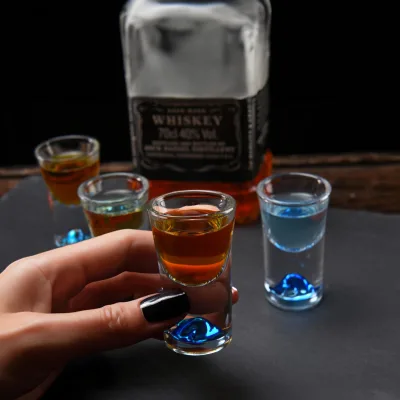
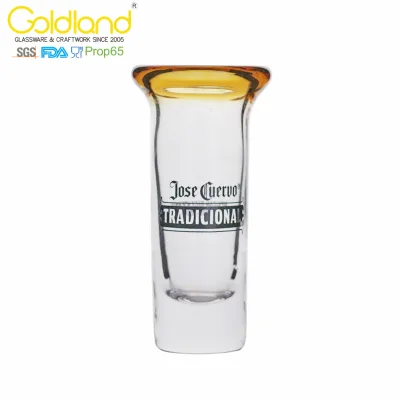
Data indicates that stainless steel is a prevalent material for travel-specific models, offering high resistance to breakage and a modern aesthetic. These units often feature capacities ranging from 1.5 oz to 3 oz, with specific model numbers such as SG-M-07 or SG-S-24 appearing in supplier catalogs. The weight of these units typically averages around 0.200 kg per single package, a factor that influences shipping costs. Conversely, glass and ceramic options are also available, with glass types explicitly noted in some listings alongside ceramic variants. Ceramic shot glasses often carry a higher single gross weight, observed at approximately 0.300 kg, and may feature round shapes with capacities under 10 oz.
When evaluating technical specifications, procurement teams must scrutinize the "Single Package Size." Observed dimensions for these items frequently cluster around 6x6x7 cm, which is crucial for calculating volumetric shipping rates. The capacity is another variable that requires precise definition; while some units are listed with specific capacities like 2oz or 3oz, others are categorized broadly as "less than 10 oz." The shape is generally flexible, with "Shape Acceptable" noted as a standard attribute, allowing for customization to fit specific branding needs. However, the distinction between a "Glass Shot Glass" and a "Metal Shot Glass" is not merely semantic; it determines the manufacturing process, from molding to polishing, and ultimately the product's performance in a travel environment.
Customization Capabilities and Design Flexibility
The "Custom Design" attribute is the primary driver for this product category, particularly for tourism and promotional sectors. Buyers seeking to brand these items for travel agencies, hotels, or corporate events must understand the extent of available customization. The market data confirms that "Customer Logo" integration is a standard offering, with suppliers accepting design files in CDR, Ai, and Pdf formats. This flexibility allows for intricate branding, from simple laser etching to full-color printing, depending on the material chosen.
The "Custom Packing" attribute further enhances the value proposition for travelers. Unlike standard retail packaging, custom travel shot glasses often require protective, branded, or compact packaging solutions. The observed "OPP Packing/Box/Customized" options suggest that suppliers can provide everything from simple poly bags to rigid boxes tailored to the product's dimensions. For travel-specific items, the packaging must be robust enough to prevent damage during transit while remaining lightweight to avoid inflating shipping costs.
It is important to note that while "Customization" is listed as "Available," the specific limits of this customization are not universally defined in the provided data. Buyers should verify the minimum order quantities (MOQ) associated with custom designs, as these often differ from standard stock items. The observed MOQ range spans from 5 to 3000 units, with specific custom metal models showing an MOQ of 720 PCS. This variance highlights the need for early negotiation to align design complexity with order volume. The "Sample" attribute being "Acceptable" is a critical positive indicator, allowing buyers to validate the quality of the custom design before committing to a full production run.
Compliance, Certification, and Safety Standards
In the realm of food-contact products, compliance is non-negotiable. While the provided data does not list specific certification numbers or test results, the nature of the product—intended for holding beverages—demands strict adherence to safety standards. Buyers must verify that the materials used, whether stainless steel, glass, or ceramic, meet international food safety regulations. For stainless steel, this typically involves confirming the grade of the alloy to ensure it is non-corrosive and safe for repeated use. For glass and ceramic, the absence of lead or cadmium in the glaze is a primary concern, particularly for items intended for export to markets with stringent regulations.
The "prod_standard" is listed as "customized," which implies that the supplier may not adhere to a single, pre-defined global standard but rather tailors the product to the buyer's requirements. This places the onus on the procurement team to define the necessary compliance benchmarks. Buyers should request documentation proving that the materials are food-grade and that the manufacturing process does not introduce contaminants. Additionally, the "Shipping" options listed, including DHL, UPS, FedEx, TNT, sea, and air, suggest that the supplier is experienced in international logistics, but this does not automatically guarantee compliance with destination country import regulations.
Cost Drivers and Pricing Dynamics
Understanding the cost structure of custom travel shot glasses is essential for budgeting and margin analysis. The observed listed price range in the market is 0.15 to 2.99 USD, a wide spectrum that reflects differences in material, customization level, and order volume. The lower end of this range likely corresponds to basic glass or ceramic units with minimal customization and higher order volumes, while the upper end may reflect premium stainless steel models with complex branding and smaller batch sizes.
Several factors drive these costs. Material selection is the primary variable; stainless steel generally commands a higher price point than glass or ceramic due to processing costs and raw material value. The "Single gross weight" also plays a role, as heavier items incur higher shipping fees. For instance, the 0.300 kg weight of ceramic units versus the 0.200 kg weight of steel units can significantly impact the total landed cost, especially for sea freight where volume and weight are key determinants.
The MOQ is another significant cost driver. The observed range of 5 to 3000 units suggests that buyers can access low-volume prototypes, but the unit cost will be higher. Conversely, larger orders benefit from economies of scale. The "Custom Packing" requirement adds another layer of cost, as specialized packaging materials and labor are more expensive than standard bulk packing. Buyers must balance the desire for high-quality customization with the financial constraints of their project, ensuring that the final unit cost aligns with the intended retail or promotional value.
Supplier Evaluation and Quality Control
Evaluating suppliers for custom travel shot glasses requires a multi-faceted approach that goes beyond price comparison. The "place of origin" data points to Fujian and Guangdong, China, as primary manufacturing hubs. These regions are known for their expertise in metal and glass processing, but buyers must verify the specific capabilities of each supplier. The "prod_model" numbers, such as SG-G-150 or SG-S-42, serve as unique identifiers that can help in tracking production consistency and quality history.
Quality control should be a central component of the sourcing strategy. Given the "Shape Acceptable" and "Custom Design" attributes, visual inspection is critical to ensure that the final product matches the approved samples. Buyers should implement a rigorous inspection protocol that checks for material defects, logo alignment, and packaging integrity. The "Sample: Acceptable" attribute is a strong indicator of a supplier's willingness to collaborate, but it should be treated as a validation step rather than a guarantee of mass production quality.
Furthermore, the "Usage" and "occasion" attributes, such as "Tourist," "Travel," and "Souvenir," suggest that the product must withstand the rigors of travel. This includes resistance to drops, temperature changes, and handling. Buyers should request test data or case studies from the supplier regarding the durability of their products in similar conditions. The "Logo" attribute also requires verification to ensure that the branding does not peel or fade over time, which is a common failure point in promotional items.
Long-Term Procurement and Supply Chain Resilience
For buyers looking to establish a long-term relationship with suppliers of custom travel shot glasses, several strategic considerations must be addressed. The "Selling Units" being listed as "Single item" indicates that the product is often sold individually, which is typical for promotional giveaways. However, for B2B buyers, the ability to scale production and manage inventory is crucial. The "MOQ" of 720 PCS for custom metal models suggests that suppliers may have minimum thresholds that need to be met for cost-effective production.
Supply chain resilience is another key factor. The diverse "Shipping" options available, from air to sea, provide flexibility in managing lead times and costs. However, buyers should develop contingency plans for potential disruptions, such as raw material shortages or logistics delays. The "Custom Packing" requirement adds complexity to the supply chain, as it requires coordination between the product manufacturer and the packaging provider.
Finally, the "Support File" availability in CDR, Ai, and Pdf formats ensures that design files can be easily managed and updated. This digital flexibility is essential for long-term procurement, allowing buyers to refresh designs for different campaigns or seasons without significant retooling costs. By focusing on these long-term considerations, buyers can build a sustainable supply chain that supports their brand's growth and market presence in the travel and promotional sectors.
FAQs
What materials are available for custom design travel shot glasses?
Suppliers offer stainless steel, glass, and ceramic materials for these items. Stainless steel models typically weigh 0.200 kg per package, while ceramic options average 0.300 kg. Buyers must verify the specific material grade to ensure durability during travel.
How can I customize the logo on these shot glasses?
Customers can add their own logo to the products using supported design files. Suppliers accept CDR, Ai, and Pdf formats for the customization process. This allows for branding suitable for tourist souvenirs and promotional gifts.
Which capacity options exist for the custom design travel shot glasses?
Available capacities include 1.5 oz, 2 oz, 3 oz, and options under 10 oz depending on the model. Specific models like SG-S-24 or SG-G-150 may have distinct volume limits. Buyers should confirm the exact capacity before placing an order.
Can I order a sample before committing to a large batch?
Yes, samples are acceptable for verifying quality and design accuracy before mass production. This step helps ensure the custom logo and packaging meet expectations. Buyers can then proceed with the minimum order quantity once the sample is approved.
What is the minimum order quantity for custom metal shot glasses?
The minimum order quantity for custom metal models is 720 pieces. Other materials may have different thresholds ranging from 5 to 3000 units. This MOQ applies specifically to items requiring custom logos and packaging solutions.
How are these shot glasses packaged for shipping?
Packaging options include OPP bags, boxes, or fully customized solutions tailored to the order. The single package size is typically 6x6x7 cm for standard units. Custom packing ensures the items remain protected during transit to tourist destinations.