Source Custom Display Acrylic Lash Box for Stores, Shows, and Gifts
Compare 30 listings for Custom Display Acrylic Lash Box options featuring various sizes, colors, and printing methods. Buyers can evaluate suppliers offering cardboard or acrylic materials with customizable logos and dimensions for retail and exhibition use.
Key considerations
Products List


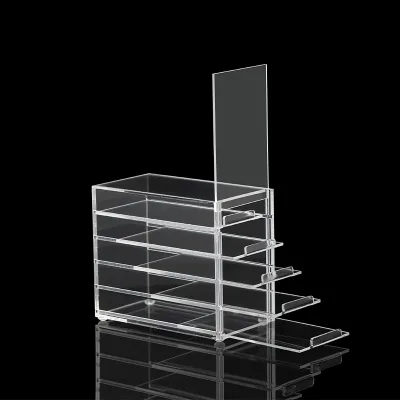
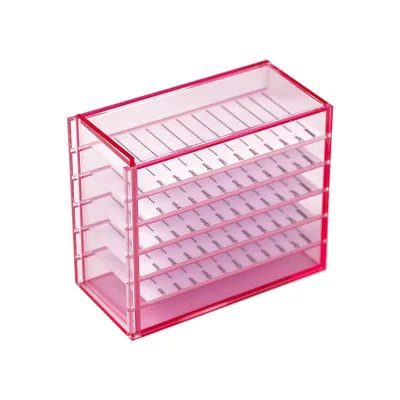
Low Price Custom Logo Printing Plastic PVC Acrylic Drawer Design Empty Eyelash Box
$0.25 - $0.30
MOQ: 500 Pieces
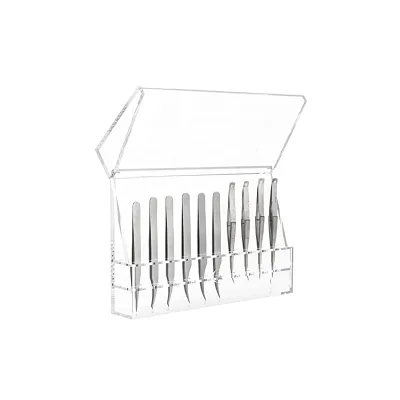
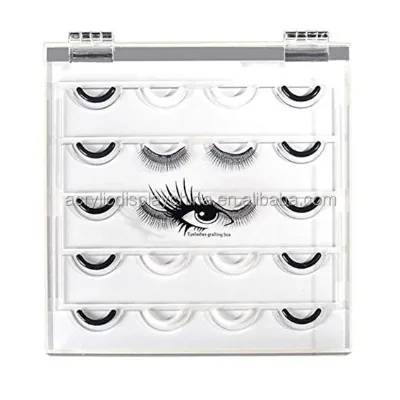

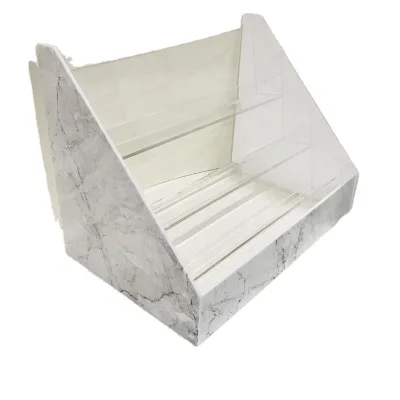
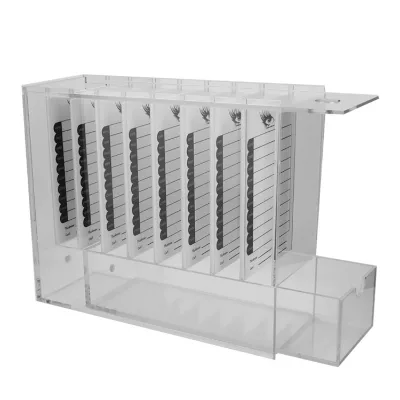
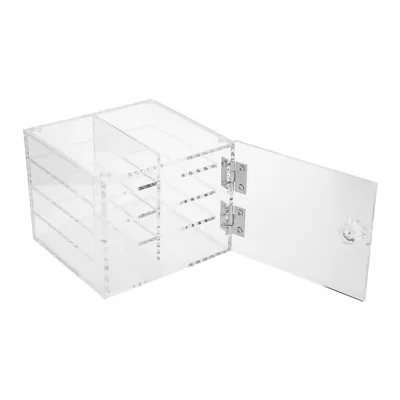
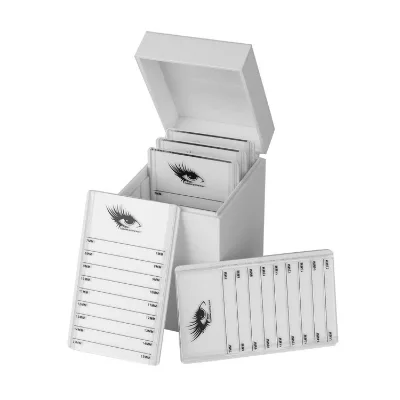
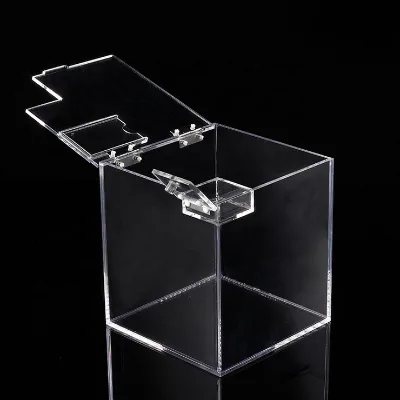
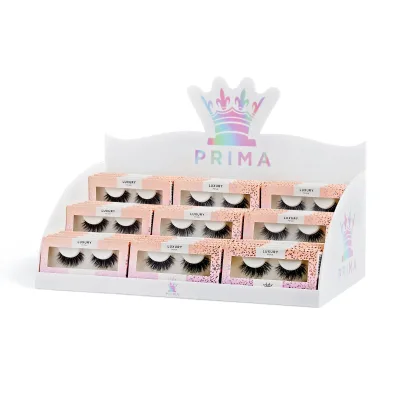


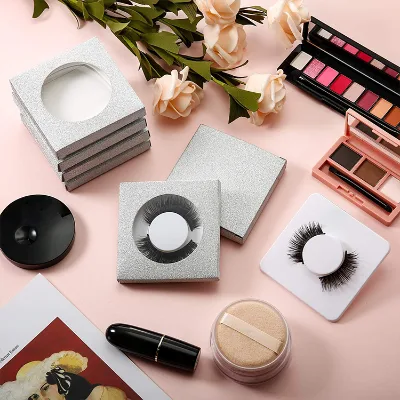


Custom Logo Paper Cardboard Cardstock Paper Eyelash Box with Clear Window
$0.05 - $0.20
MOQ: 1000 Pieces



Comprehensive Sourcing Guide
Strategic Sourcing Guide for Custom Display Acrylic Lash Boxes
Understanding Material Composition and Structural Integrity
When sourcing custom display acrylic lash boxes, the primary technical consideration involves the distinction between material types and their specific applications. The market data indicates a clear divergence between products labeled as "Acrylic" and those categorized under "Paper" or "Cardboard." While the core keyword specifies acrylic, a comprehensive sourcing strategy must account for the fact that many suppliers offer hybrid solutions or distinct product lines where the material is explicitly defined as paper, art paper, or cardboard. Acrylic units are characterized by their transparency, a feature explicitly noted in the observed product attributes. This transparency allows for full visibility of the lash extensions, which is a critical functional requirement for retail environments. In contrast, paper-based alternatives, such as those described with "Art Paper" or "Cardboard" specifications, rely on opacity and structural rigidity rather than clarity.
The structural integrity of these boxes varies significantly based on the material. Acrylic displays are often designed with a "Simplicity" style, emphasizing clean lines and modern aesthetics. However, the observed data also lists "Box" as a specific kind, suggesting that some units may be fully enclosed or semi-enclosed structures. A critical observation in the technical specifications is the weight variance. Some units are recorded with a weight exceeding 1.5 kg, which implies a substantial build, potentially involving thicker acrylic sheets or reinforced bases. Conversely, other specifications mention a load capacity of less than or equal to 5 kg, which serves as a critical benchmark for storage and shipping logistics. Buyers must verify the actual load-bearing capacity of the specific model, as the "MTS" series models (MTS234 through MTS239) and the "weijin-E0040" model may have different structural limits. The shape is predominantly rectangular, a standard configuration for maximizing shelf space in supermarkets, specialty stores, and exhibition shows.
Customization Capabilities and Design Flexibility
The defining characteristic of the custom display lash box market is the high degree of customization available. The supplied facts confirm that customization is available for size, logo, and printing. The "Size" attribute is frequently listed as "Customize," "Small," "Middle," or "Customized Size," indicating that buyers are not limited to standard off-the-shelf dimensions. This flexibility is essential for brands that need to fit specific lash packaging dimensions or align with unique retail shelving constraints. The "Standard" attribute for some models is listed as "104mm51mm19mm," but this should be treated as a reference point rather than a fixed constraint, as the "Standard" for other models is explicitly defined as "Customized according to customer needs."
Logo integration is another pivotal area. The "Logo" attribute is marked as "Customize," and the "Logo Printing" attribute confirms the availability of "With Logo Printing." The surface handling processes listed include "Embossing," "Hot Stamping," and various printing crafts such as "Heat Transfer" and "Silk Printing." These processes allow for diverse aesthetic outcomes, from subtle, textured branding to vibrant, full-color graphics. The "Color" attribute lists a wide spectrum including Black, Blue, Green, Grey, Yellow, Pink, Red, and Purple, alongside the transparent nature of acrylic. This variety enables brands to match their packaging to specific product lines or seasonal themes. However, buyers must note that while the material is acrylic, the "Paper Type" attributes (Cardboard, Art Paper) suggest that some suppliers may offer paper-based inserts or alternative material options within the same product category, requiring careful verification of the final material composition.
Compliance, Safety, and Environmental Standards
In the realm of cosmetic and lash product display, compliance and safety are paramount. The observed product attributes include an "Eco-Friendly" feature, which is a significant selling point for modern brands aiming to reduce their environmental footprint. However, the data does not specify exact certifications (such as FSC for paper or specific plastic recycling codes for acrylic) that every listed product satisfies. Therefore, buyers must treat the "Eco-Friendly" claim as an observation that requires verification through supplier documentation. The "Standard" attribute is listed as "standard" for some models and "CTomized according to customer needs" for others, indicating a lack of universal industry standardization across all listings.
A critical safety consideration is the "Antitheft" attribute, which is explicitly noted as "Not Antitheft." This means that the standard display boxes do not inherently include anti-theft mechanisms such as locking lids or magnetic seals. For high-value lash collections or in high-traffic retail environments, buyers must evaluate whether additional security measures are required or if the display is intended for use in controlled settings like home use or private specialty stores. The "Usage" attribute lists a broad range including "Cosmetic," "Health Care Products," "Food," "Garment & Shoes," and "Arts and Crafts." This versatility suggests that the boxes are not exclusively designed for cosmetics, but buyers must ensure that the material is safe for direct contact with cosmetic products, particularly if the display is used for open or semi-open packaging.
Cost Drivers and Procurement Economics
The economic landscape for custom display acrylic lash boxes is influenced by several key factors, including material costs, customization complexity, and order volume. The observed MOQ (Minimum Order Quantity) ranges from 1 to 1000 units, with specific listings showing MOQs of 500 and 200 pieces. This variance highlights the importance of negotiating volume-based pricing. The "MOQ" of 500 appears to be a common threshold for standard customization, while the 200-piece MOQ suggests a lower barrier for certain suppliers or specific product lines. The price range observed in the market spans from $0.05 to $40 USD, a wide spectrum that reflects the difference between simple paper boxes and complex, multi-component acrylic displays.
The cost drivers are heavily tied to the "Surface Handling" and "Printing Craft" selected. Processes like "Hot Stamping" and "Embossing" typically incur higher costs than standard silk printing due to the additional labor and tooling required. Furthermore, the "Size" customization plays a significant role; larger boxes or those with non-standard dimensions may require more material and specialized tooling, increasing the unit price. The "prod_packing" is listed as "Carton," which adds to the overall shipping weight and volume, potentially affecting logistics costs. Buyers should also consider the "Weight" of the product; items weighing over 1.5 kg will incur higher shipping fees compared to lighter alternatives. When evaluating the total cost of ownership, it is essential to factor in the lead time, which can vary based on the complexity of the customization and the supplier's location, such as Guangdong or Zhejiang in China.
Supplier Evaluation and Geographic Considerations
Evaluating suppliers for custom display lash boxes requires a focus on geographic origin and production capabilities. The data indicates that products originate from various locations in China, including "Guangdong," "Shenzhen," and "Zhejiang." These regions are known for their robust manufacturing ecosystems, particularly for acrylic and paper-based packaging. However, the specific "brand name" listed is "maolin," which serves as an example of a supplier identity but should not be treated as a recommendation for exclusive sourcing. Buyers must verify the capabilities of each potential supplier to ensure they can meet the specific "prod_model" requirements, such as the MTS series or the weijin-E0040 model.
When assessing a supplier, buyers should look for evidence of their ability to handle the specific "Surface Handling" processes required, such as "Heat Transfer" or "Silk Printing." The "prod_standard" being "CTomized according to customer needs" implies that the supplier must have flexible production lines capable of adapting to unique design requests. It is crucial to verify the supplier's experience with the specific material, whether it is acrylic or paper, as the manufacturing processes differ significantly. Acrylic requires cutting, polishing, and bonding techniques, while paper-based boxes rely on die-cutting and folding. Buyers should request samples to verify the quality of the "Transparency" in acrylic units or the finish of the "Art Paper" in cardboard alternatives. Additionally, the "Usage" context (e.g., "Exhibition Show" vs. "Home") should align with the supplier's ability to produce durable, high-quality displays suitable for the intended environment.
Quality Control and Long-Term Procurement Strategy
Implementing a robust quality control (QC) strategy is essential for ensuring that custom display lash boxes meet brand standards. The "Weight" specification of ">1.5 kg" for some units suggests that durability is a key concern, and QC protocols should include drop tests and load-bearing assessments. For acrylic units, inspectors should check for scratches, cloudiness, or imperfections in the "Transparency," as these can detract from the visual appeal of the product. For paper-based units, the focus should be on the quality of the "Hot Stamping" and "Embossing" to ensure the logo and design are crisp and aligned.
Long-term procurement considerations involve building a relationship with suppliers who can maintain consistency across multiple orders. The "prod_model" variations (MTS234 to MTS239) indicate that suppliers may have a range of base models that can be customized. Buyers should aim to standardize on a few key models to streamline the ordering process and reduce setup costs. The "Eco-Friendly" attribute should be a recurring theme in long-term contracts, with suppliers required to provide documentation on the sustainability of their materials. Furthermore, the "Antitheft" limitation should be addressed in the procurement strategy; if security is a concern, buyers may need to source additional locking mechanisms or design the display to be used in conjunction with security tags.
| Feature | Acrylic Display | Paper/Cardboard Display |
|---|---|---|
| Primary Material | Acrylic | Cardboard, Art Paper |
| Transparency | Transparent | Opaque |
| Customization | Size, Logo, Color | Size, Logo, Printing |
| Surface Handling | Embossing, Hot Stamping | Heat Transfer, Silk Printing |
| Typical Weight | >1.5 kg (varies) | Lighter (varies) |
| Style | Simplicity, Modern | Simplicity, Modern |
| Usage Context | Exhibition, Supermarkets | Gifts, Cosmetic, Home |
In conclusion, sourcing custom display acrylic lash boxes requires a nuanced understanding of material properties, customization options, and supplier capabilities. By focusing on the specific attributes provided and maintaining a rigorous approach to quality control and compliance, buyers can secure high-quality displays that enhance their product presentation while meeting their logistical and economic constraints. The wide range of available models and customization options offers significant flexibility, but success depends on careful verification of each product's specific characteristics against the buyer's unique requirements.
FAQs
Can the size of the Custom Display Acrylic Lash Box be customized?
Yes, the size can be customized to fit specific lash packaging dimensions. Buyers are not limited to standard off-the-shelf dimensions like small or middle sizes, allowing for unique retail shelving constraints.
What customization options are available for the logo and printing?
Logo printing is available with options for embossing, hot stamping, heat transfer, and silk printing. The product supports various colors including black, blue, and pink, alongside the transparent nature of the acrylic material.
Which materials are used for these display boxes?
The primary material is acrylic, which offers transparency for product visibility. Some listings also reference paper, cardboard, or art paper, indicating that hybrid solutions or distinct product lines may be available from different suppliers.
How much is the minimum order quantity for these boxes?
The minimum order quantity ranges from 1 to 1000 units depending on the supplier. Specific listings show thresholds of 500 pieces for standard customization and 200 pieces for certain product lines or suppliers.
Are these display boxes designed with anti-theft features?
No, the standard display boxes are not designed with anti-theft mechanisms. Buyers must evaluate if additional security measures are required for high-value collections or high-traffic retail environments.
What is the typical weight and load capacity of these boxes?
Some units weigh over 1.5 kg, implying a substantial build with thicker sheets. The load capacity is noted as less than or equal to 5 kg, serving as a benchmark for storage and shipping logistics.