Source Custom Drone Remote Control for Industrial, Video, and Data Uses
Find 30 Custom Drone Remote Control options for industrial, video, and data transmission applications. Compare specifications like IP ratings, battery life, and working temperatures from verified manufacturers in China; compare the available evidence and request quotations based on your requirements.
Key considerations
Products List


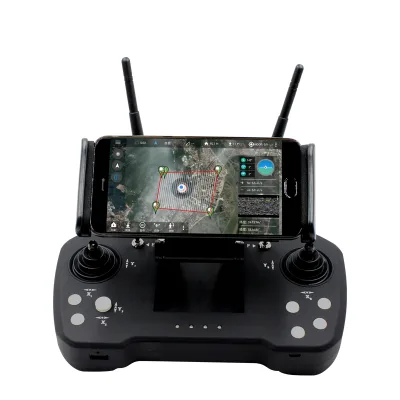
Fpv Drone Flight High-Performance Versatile Smart Efficient Uav Remote Controller
$168.00 - $182.00
MOQ: 1 Pieces

OEM Transmitter Plastic Fpv Drone Remote Control for Fpv Racing Remote Control
$167.90 - $181.90
MOQ: 1 Pieces



Comprehensive Sourcing Guide
Custom Drone Remote Control Sourcing Guide
Sourcing custom drone remote controls requires a strategic approach that balances technical precision with commercial flexibility. Buyers must navigate a market where specifications vary significantly across different use cases, from industrial heavy manufacturing to specialized video transmission applications. The core challenge lies in identifying suppliers who can deliver reliable hardware that meets specific operational demands without compromising on durability or signal integrity. This guide provides a structured framework for evaluating potential partners and ensuring that the final product aligns with your organization’s technical and logistical requirements.
The procurement process begins with a clear definition of operational needs, including range, frequency, and environmental resilience. Observed market data indicates a wide spectrum of options, with weights ranging from lightweight handheld units under 150 grams to robust ground control stations exceeding 20 kilograms. Understanding these physical and functional differences is crucial for selecting the right component for your drone ecosystem. By focusing on verified attributes and avoiding unverified claims, buyers can mitigate risk and secure equipment that performs reliably in diverse conditions, from extreme cold to high-altitude operations.
Product Scope and Observed Listing Signals
The current market for custom drone remote controls encompasses a diverse array of devices tailored to specific transmission needs. Listings frequently highlight applications in data, video, and image transmission, indicating a strong demand for high-bandwidth connectivity solutions. Buyers should observe that products are often categorized by their structural design, such as flapping-wing UAV controllers, and their intended industry usage, which includes heavy industrial manufacturing. This variety suggests that customization is not merely cosmetic but functional, allowing for adaptations in interface, durability, and connectivity protocols to suit distinct operational environments.
Physical attributes observed in listings provide critical insights into the suitability of a device for your specific use case. For instance, some units are designed with PVC shells and offer IP67 ratings, ensuring protection against dust and water immersion, while others may have lower IP65 ratings suitable for less harsh conditions. Working temperatures typically span from -20°C to 60°C, with some specialized models extending to -30°C, catering to extreme environments. Additionally, the presence of universal compatibility features and specific voltage requirements, such as 12V systems, highlights the importance of verifying electrical integration before procurement to ensure seamless operation with existing drone fleets.
Technical Specifications to Verify
Verifying technical specifications is paramount to ensuring that the remote control meets your operational demands. Key parameters to validate include frequency bands, with options often available in 800MHz, 1.4GHz, and 2.4GHz ranges, each offering different trade-offs between range and interference resistance. Buyers should also confirm the signal transmission method, typically radio waves, and ensure that the device supports the necessary data throughput for your application, whether it involves simple joystick control or complex video data link transmission. The operating system compatibility, such as Windows 10, is another critical factor for ground control stations that require software integration.
Battery life and charging capabilities are essential considerations for maintaining operational continuity. Observed data suggests that full charger times can range from 3 to 4 hours, while battery endurance may vary significantly, with some units offering up to 4 hours of continuous operation. For smaller, lightweight controllers, battery types may include standard AA batteries, whereas larger systems might rely on integrated power sources. Additionally, the working range, which can extend up to 15km in some models, must be verified against your operational radius requirements to ensure that the device can maintain a stable connection over the necessary distances without signal degradation.
Compliance and Safety Documentation
Compliance with international standards is a non-negotiable aspect of sourcing drone remote controls, particularly for industrial applications. Buyers should request documentation confirming adherence to relevant certifications, such as CE, RoHS, and FCC, which indicate that the product meets safety, environmental, and electromagnetic compatibility requirements in key markets. These certifications are crucial for ensuring that the device can be legally imported and operated in various jurisdictions without facing regulatory hurdles. Verifying these documents early in the procurement process helps avoid potential delays and ensures that the equipment is suitable for global deployment.
Safety features and operational limits must also be thoroughly documented and understood. This includes verifying the storage and working temperature ranges to ensure that the device can withstand the environmental conditions of your operational sites. For example, some units are rated for storage temperatures as low as -40°C, which is vital for operations in cold climates. Additionally, buyers should confirm the warranty terms, which typically range around one year, and understand the supplier’s support policies for repairs or replacements. Clear documentation of these safety and compliance aspects provides a solid foundation for risk management and long-term operational reliability.
Cost Drivers and Commercial Terms
Understanding the cost drivers associated with custom drone remote controls is essential for effective budgeting and negotiation. Factors such as customization level, material quality, and technical complexity significantly influence the final price. For instance, devices with advanced video transmission capabilities or specialized industrial features may command higher prices compared to standard joystick controllers. Buyers should also consider the impact of packaging and shipping costs, as observed data indicates that products are often packed in cartons with specific dimensions and weights, which can affect logistics expenses.
Commercial terms, including minimum order quantities (MOQ) and lead times, play a crucial role in the procurement strategy. Observed MOQs can range from 1 to 500 units, allowing for flexibility in ordering based on your immediate needs and inventory strategy. It is important to negotiate clear terms regarding payment schedules, delivery timelines, and after-sales support. Additionally, buyers should inquire about the supplier’s production capacity and ability to handle custom orders, ensuring that they can meet your volume requirements without compromising on quality or delivery schedules. Transparent commercial terms help in building a sustainable and reliable supply chain.
Supplier Qualification and Quality Control
Evaluating supplier qualification is a critical step in ensuring the reliability and consistency of your drone remote control supply. Buyers should verify whether the supplier is a direct manufacturer or a trading company, as this impacts pricing, communication, and quality control capabilities. Direct manufacturers often offer better customization options and more competitive pricing, while trading companies may provide a wider variety of products. It is also important to assess the supplier’s experience in the drone industry, particularly in sectors like heavy industrial manufacturing, to ensure they understand your specific operational requirements.
Quality control processes should be rigorously evaluated to minimize the risk of receiving defective or non-compliant products. Buyers should request information on the supplier’s quality assurance protocols, including testing procedures for signal integrity, durability, and environmental resistance. Additionally, verifying the supplier’s certification status and their ability to provide batch-specific test reports can provide assurance of product consistency. Establishing a clear quality control framework, including pre-shipment inspections and acceptance criteria, helps in maintaining high standards and ensuring that the delivered products meet your technical and operational expectations.
Long-Term Procurement Checks
Long-term procurement success depends on establishing robust checks and balances to monitor supplier performance and product reliability over time. Buyers should implement regular audits and performance reviews to assess the supplier’s adherence to agreed-upon quality standards and delivery schedules. This includes monitoring key performance indicators such as defect rates, response times to issues, and overall customer satisfaction. By maintaining a proactive approach to supplier management, buyers can identify potential issues early and take corrective actions to ensure continuous improvement and reliability in the supply chain.
Additionally, buyers should stay informed about technological advancements and market trends in the drone remote control sector to ensure that their procurement strategy remains competitive and relevant. This involves regularly reviewing product specifications and exploring new customization options that may enhance operational efficiency. Building a strong relationship with the supplier, characterized by open communication and mutual trust, can also facilitate better collaboration on future projects and innovations. By focusing on long-term partnership and continuous evaluation, buyers can secure a stable and high-quality supply of drone remote controls that support their organization’s growth and operational needs.
FAQs
What applications do these custom drone remote controls support?
These units support data, video, and image transmission for industrial and toy applications. They function as joysticks or ground control stations with universal compatibility. The devices operate within a temperature range of -20 to 60 degrees Celsius for reliable performance.
Can I find custom drone remote controls with IP67 waterproof ratings?
Yes, specific models feature an IP67 rating for water and dust resistance. Other variants offer IP65 protection levels suitable for various outdoor conditions. These rugged designs ensure durability during operation in challenging environments without compromising functionality.
Which specifications define the weight and dimensions of these units?
Weights range from under 130 grams to less than 20 kilograms depending on the model. Dimensions vary significantly, with some compact units measuring around 93 by 58 millimeters while larger stations exceed 500 millimeters in length. Packaging is typically provided in standard cartons.
How long does it take to fully charge the battery systems?
Full charging times generally fall between three and four hours for compatible battery types. Some models utilize AA batteries while others support 12-volt systems with four-hour endurance. Specific charging durations depend on the selected battery configuration and power source.
What certifications are available for these custom drone control devices?
Certified products hold CE, RoHS, FCC, and ISO standards for international compliance. These approvals ensure safety and electromagnetic compatibility for global deployment. Buyers can verify these credentials when sourcing from manufacturers in Mainland China or other origins.
Can manufacturers provide OEM and ODM customization services?
Yes, suppliers offer OEM, ODM, and Obm customization options for industrial and heavy manufacturing sectors. Customization is available for specific applications like flapping-wing UAVs or video data links. Buyers can request tailored solutions to meet unique operational requirements.
What operating systems are compatible with these ground control stations?
Windows 10 is the supported operating system for advanced ground control stations. These systems facilitate complex data transmission and image processing tasks. Compatibility ensures seamless integration with existing software environments for professional drone operations.