Source Custom Floral Fragrance Oil for Perfume, Body Care, and Diffusers
Explore 30 listings for Custom Floral Fragrance Oil suitable for perfume making, body care, and aroma diffusers. Buyers can compare specifications like purity, packaging, and certifications from verified suppliers in China.
Key considerations
Products List





Comprehensive Sourcing Guide
Custom Floral Fragrance Oil Sourcing Guide
Sourcing custom floral fragrance oils requires a disciplined approach that balances creative intent with rigorous technical verification. Buyers must recognize that "floral" is a broad olfactory category encompassing notes from jasmine and rose to lily and violet, each with distinct volatility profiles and stability challenges. The procurement process begins with defining the precise scent profile, but it must immediately transition into evaluating the supplier’s ability to replicate or innovate within that spectrum while maintaining batch-to-batch consistency. This guide outlines the critical steps for verifying product quality, compliance, and commercial viability to ensure that the final fragrance oil meets both regulatory standards and end-user expectations.
The foundation of a successful sourcing strategy lies in understanding the distinction between natural essential oils and synthetic fragrance oils, as well as the hybrid nature of many modern products. While some listings emphasize vegetable origins or pure essential oil grades, many commercial fragrance oils are complex blends designed for stability and cost-efficiency in applications like perfumery, body care, and home fragrance. Buyers should not assume that all floral scents are derived solely from natural sources; instead, they must verify the raw material composition to ensure alignment with brand positioning, whether that involves eco-friendly claims, luxury positioning, or mass-market accessibility.
Product Scope and Observed Listing Signals
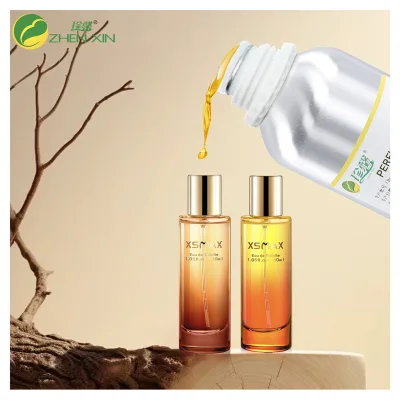
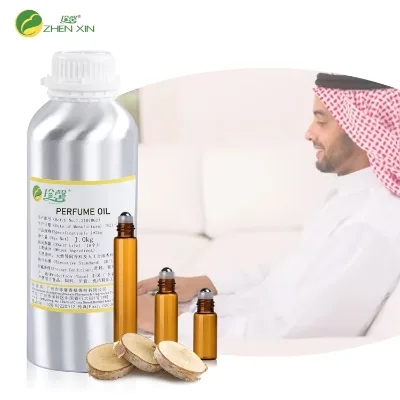
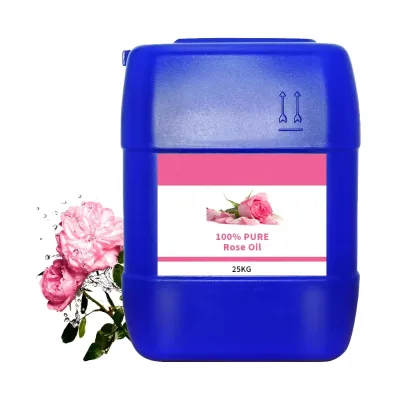
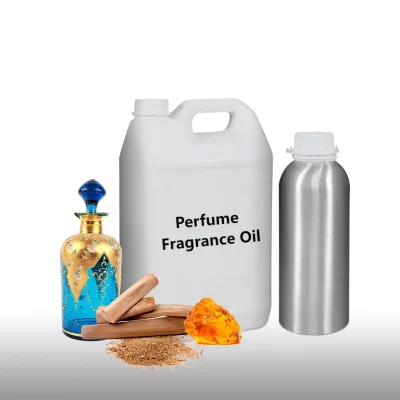
The current market landscape for floral fragrance oils presents a wide variance in product forms, packaging, and intended applications, which can complicate initial supplier evaluation. Observed listings indicate a product range that includes liquid forms, spray applications, and concentrated oils, with packaging varying from small 10ml sample bottles to bulk 25kg containers. Buyers should note that some suppliers offer customization options, allowing for tailored scent profiles, while others provide standardized models such as OD-500 or NS-P001. It is crucial to distinguish between products marketed as "pure essential oil grade" and those labeled as "fragrance oils" or "flavor concentrates," as their regulatory treatment and performance characteristics differ significantly.
Application versatility is a key signal of product quality, with many floral oils designed for use in aroma diffusers, perfume making, and body care products. The observed data suggests that these oils are often formulated for ventilation-based diffusion or direct application, with some products specifically targeting female demographics or modern flavor profiles. Buyers must carefully review the stated usage, such as "daily flavor" or "perfume fragrance oil," to ensure the product aligns with their specific end-use. Additionally, the presence of features like "eco-friendly" or "professional" grade indicates a focus on sustainability and performance, but these claims require independent verification through technical data sheets and safety assessments.
Technical Specifications to Verify
Technical verification begins with confirming the physical and chemical properties of the fragrance oil, including its form, color, and odor intensity. Buyers should request detailed specifications for viscosity, density, and flash point, as these factors influence handling, storage, and safety during transportation. The observed listings mention attributes such as "light yellow color" and "pleasant odor," but these subjective descriptions must be supplemented with objective metrics. For instance, the volatility of floral notes can vary, affecting the longevity of the scent in final products, so buyers should inquire about top, middle, and base note structures to ensure the desired olfactory experience.
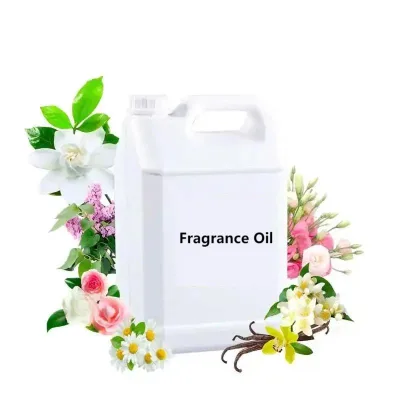
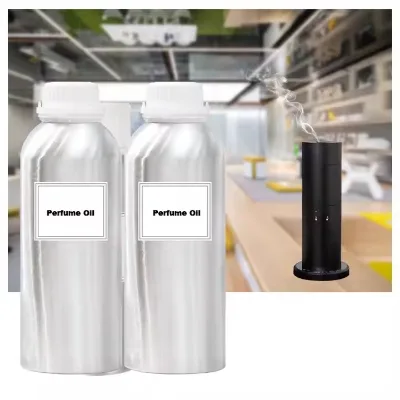
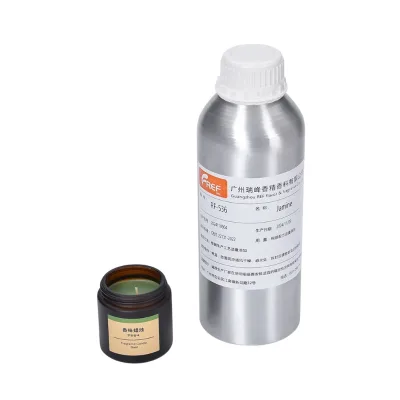
Packaging and storage requirements are equally critical for maintaining product integrity. Many suppliers recommend storing fragrance oils in dry, cool, and dark places to prevent degradation, and the choice of container material, such as aluminum bottles or plastic containers, can impact shelf life. Buyers should verify the compatibility of the packaging with the oil’s chemical composition to avoid leaching or contamination. Furthermore, the observed model numbers and standard sizes, such as 500ml aluminum bottles or 2kg/5kg/10kg/25kg packaging, should be cross-referenced with the supplier’s production capabilities to ensure that the requested quantities and formats are consistently available.
Compliance and Safety Documentation
Compliance with international safety standards is non-negotiable when sourcing fragrance oils, particularly for products intended for human contact or inhalation. Buyers must ensure that suppliers provide comprehensive documentation, including Material Safety Data Sheets (MSDS), Certificates of Analysis (COA), and relevant certifications such as FDA, ISO, and CE. These documents verify that the product meets regulatory requirements for purity, contaminants, and labeling accuracy. The presence of certifications like MSDS and FDA indicates a baseline level of safety compliance, but buyers should also check for adherence to IFRA (International Fragrance Association) standards, which govern the safe use of fragrance materials.
The origin of the raw materials and the manufacturing location also play a significant role in compliance. Many suppliers list their origin as China or Guangdong, which may have specific regulatory frameworks that differ from those in the buyer’s home market. Buyers should verify that the supplier’s quality management systems align with international best practices, including traceability of raw materials and batch testing protocols. Additionally, the claim of "vegetable origin" or "pure essential oil grade" must be substantiated with documentation to prevent mislabeling, which can lead to regulatory penalties and brand damage.
Cost Drivers and Commercial Terms
Understanding the cost structure of fragrance oils is essential for accurate budgeting and margin calculation. Prices for floral fragrance oils can vary widely based on the complexity of the scent profile, the purity of the ingredients, and the volume of the order. Observed listings show a price range that reflects these variables, with smaller sample sizes often priced higher per unit than bulk orders. Buyers should negotiate based on total volume commitments, as larger orders typically benefit from economies of scale, but they must also consider the cost of samples and testing, which are often provided freely to facilitate decision-making.
Commercial terms, including minimum order quantities (MOQ) and lead times, significantly impact procurement planning. The observed MOQ range of 1 to 50 units suggests flexibility for small businesses, while larger industrial buyers may need to negotiate custom terms for bulk purchases. Lead times of 3-5 days indicate efficient production capabilities, but buyers should confirm whether this applies to standard products or custom formulations, as the latter may require additional time for development and approval. Payment terms, shipping costs, and return policies should also be clearly defined to avoid unexpected expenses and ensure a smooth transaction process.
Supplier Qualification and Quality Control
Supplier qualification is a multi-step process that goes beyond reviewing product listings and certifications. Buyers should conduct due diligence on the supplier’s manufacturing facilities, including audits of their production lines, quality control labs, and storage conditions. The ability to provide consistent quality across batches is paramount, so buyers should request historical data on batch-to-batch variation and inquire about the supplier’s corrective action processes for non-conforming products. Additionally, the supplier’s responsiveness to technical queries and their willingness to collaborate on custom formulations are strong indicators of their professionalism and commitment to customer satisfaction.
Quality control measures should be integrated into the procurement contract, with clear specifications for acceptance criteria and rejection protocols. Buyers should establish a sampling plan that includes regular testing of incoming shipments against agreed-upon standards, such as odor intensity, color consistency, and chemical composition. The supplier’s ability to provide free samples for evaluation is a positive sign, but buyers should also conduct their own stability testing to ensure the fragrance oil performs as expected in the final product. Building a long-term relationship with a reliable supplier requires ongoing communication and mutual trust, so regular performance reviews and feedback loops are essential.
Long-Term Procurement Checks
Long-term procurement success depends on the ability to adapt to changing market trends and regulatory landscapes. Buyers should regularly review their supplier’s compliance status, ensuring that they remain up-to-date with evolving regulations such as REACH in Europe or TSCA in the United States. The fragrance industry is subject to frequent updates in safety guidelines, so maintaining open lines of communication with the supplier is crucial for receiving timely notifications of any changes in product formulation or regulatory requirements. Additionally, buyers should monitor market trends for new floral notes or sustainable sourcing practices that could enhance their product offerings.
Sustainability and ethical sourcing are increasingly important factors in long-term procurement strategies. Buyers should evaluate their supplier’s commitment to eco-friendly practices, such as the use of renewable raw materials or energy-efficient production processes. The observed "eco-friendly" feature in some listings suggests a growing market demand for sustainable products, so aligning with suppliers who share these values can enhance brand reputation and customer loyalty. Finally, buyers should periodically reassess their supplier base to ensure they are leveraging the best available resources, balancing cost, quality, and innovation to maintain a competitive edge in the market.
FAQs
What customization options are available for Custom Floral Fragrance Oil?
Customization is available for this product line to meet specific buyer needs. The product features professional-grade quality and can be tailored for various applications like body care or aroma diffusers. Buyers can request specific scents such as floral or modern flavors to align with their brand requirements.
How is the Custom Floral Fragrance Oil packaged for shipping?
The product is typically packed in cartons with foam protection or in plastic bottles depending on the order size. Packaging sizes vary from 1kg per bottle to larger industrial quantities like 25kg. This ensures the liquid flavor concentrate remains secure during transit from the Guangzhou origin.
Which certifications does the Custom Floral Fragrance Oil hold?
The product holds multiple certifications including MSDS, FDA, COA, ISO, and CE to ensure safety and compliance. These documents verify that the pure essential oil grade A material meets international standards. Buyers can rely on these certifications for regulatory approval in various global markets.
Can I get a sample of the Custom Floral Fragrance Oil before ordering?
Yes, a sample size of 10ml per bottle is freely provided for evaluation purposes. This allows buyers to test the pleasant odor and characteristic scent before committing to a larger purchase. The sample helps verify the product quality and suitability for making perfume or daily flavor applications.
What is the lead time for delivering Custom Floral Fragrance Oil?
The delivery time for this product is typically 3 to 5 days after order confirmation. This fast turnaround applies to orders placed with suppliers in Guangdong, China. Buyers should note that lead times may vary based on specific packaging requirements or volume constraints.
How should I store the Custom Floral Fragrance Oil to maintain quality?
Store the product in a dry, cool, and dark place to preserve its integrity and prevent degradation. The liquid flavor concentrate is sensitive to environmental factors and requires proper conditions to maintain its fresh floral scent. Following these storage guidelines ensures the oil remains effective for perfume making or other uses.
What is the minimum order quantity for Custom Floral Fragrance Oil?
The minimum order quantity starts at 1 bottle, making it accessible for small businesses and individual buyers. This low MOQ allows for flexible purchasing without requiring large initial investments. Buyers can scale up to larger quantities like 1kg or 25kg as their demand grows.