Source Custom Living Room Entertainment Center for Hotels Offices Parks
Explore 30 verified options for a Custom Living Room Entertainment Center designed for hotels, office buildings, and theme parks. Buyers can compare specifications like dimensions, materials, and certifications including CE and ISO9001 to find the right solution.
Key considerations
Products List


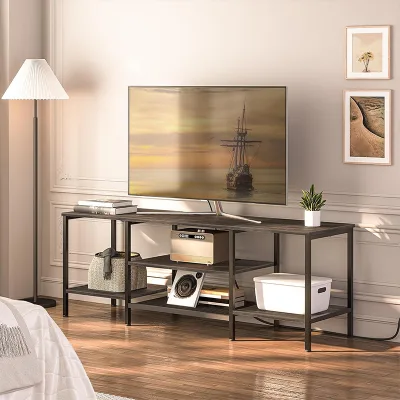
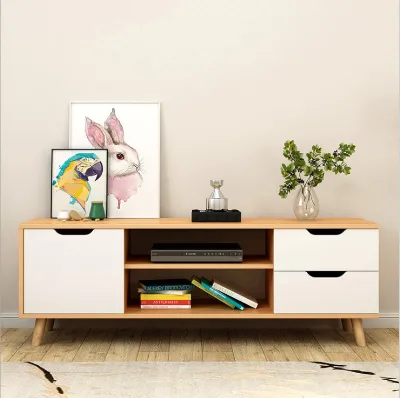

Complete Unique Layout Dynamic Family Entertainment Center for Indoor Playground
$170.00 - $240.00
MOQ: 100 Square Meters


China Ultimate Family Entertainment Center Factory for Home Fun and Games
$100.00 - $200.00
MOQ: 1 Square Meters

Professional Family Entertainment Center Maker: Supply Custom Soft Play Room for Global Buyers
$100.00 - $150.00
MOQ: 1 Square Meters

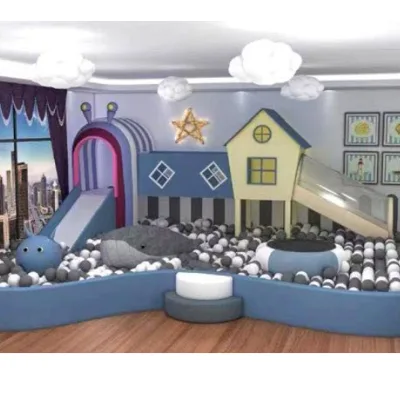


Jccx Classic Control Room Console Center
$460.00 - $650.00
MOQ: 1 Meters
Beijing Jingcheng Chuangxin Intelligent Technology Co., Ltd.

Control Room Good Quality Console Center
$460.00 - $650.00
MOQ: 1 Meters
Beijing Jingcheng Chuangxin Intelligent Technology Co., Ltd.

Factory Price Control Console Center
$460.00 - $650.00
MOQ: 1 Meters
Beijing Jingcheng Chuangxin Intelligent Technology Co., Ltd.

Jccx Control Room Console Center
$460.00 - $650.00
MOQ: 1 Meters
Beijing Jingcheng Chuangxin Intelligent Technology Co., Ltd.
Comprehensive Sourcing Guide
Strategic Sourcing Guide for Custom Living Room Entertainment Centers
The procurement of custom living room entertainment centers represents a complex intersection of interior design, structural engineering, and commercial manufacturing. Unlike standard retail furniture, these units often require bespoke configurations to accommodate specific spatial constraints, media equipment, and aesthetic requirements. Buyers entering this market must navigate a landscape where "customization" is a primary selling point, yet the underlying manufacturing standards and material specifications vary significantly between suppliers. This guide provides a disciplined approach to sourcing these units, focusing on the technical realities, compliance requirements, and operational factors that define a successful procurement strategy.
Technical Specifications and Material Integrity
The foundation of any custom entertainment center lies in its material composition and dimensional accuracy. In the context of industrial-grade custom furniture, the desktop and structural elements frequently utilize metal as a primary material to ensure durability and load-bearing capacity. This is particularly relevant for units designed to support heavy media equipment, gaming consoles, or large-scale display systems. The structural integrity of the base cabinet is equally critical; observed specifications indicate standard dimensions such as a width of 1160mm and a depth of 400mm for certain base configurations, while other models may extend to a width of 1200mm with a depth of 900mm or 1600mm depending on the specific application.
When evaluating technical specifications, buyers must scrutinize the standard dimensions provided by the manufacturer. For instance, specific console models adhere to standards like a height of 750mm with a width of 1200mm, often including an additional 200mm extension for cable management or structural support. Other configurations may feature a height of 920mm or 1100mm, tailored to different ergonomic needs or equipment heights. The color palette is another technical variable; while standard offerings often include white or black finishes, custom orders allow for specific combinations such as side panels in gray and black with a warm white desktop. The "Wood Style" may also be specified as panel-based, indicating the construction method used for the visible surfaces.
Buyers should verify that the product model numbers, such as KCD-22-P, KCB-22, or KCA-22-P, correspond to the exact physical dimensions required for the installation site. These alphanumeric codes often encode specific configuration details regarding width, depth, and height. Furthermore, the voltage requirements for integrated lighting or electronic components must be confirmed, with 220V being a common standard in many manufacturing regions. The weight of the unit is a logistical consideration; some heavy-duty configurations can reach weights of 2000kg, necessitating specialized handling equipment and reinforced flooring in the destination location.
Compliance, Certification, and Safety Standards
Navigating the regulatory landscape is essential for importing custom furniture, particularly when the units are intended for commercial or high-traffic residential applications. The supply chain for these products often originates from manufacturing hubs in China, specifically regions like Guangdong. In these markets, compliance with international safety and environmental standards is a prerequisite for market access. Common certifications observed in this sector include CE (Conformité Européenne), ISO9001 (Quality Management Systems), and RoHS (Restriction of Hazardous Substances).
The presence of these certifications indicates that the manufacturer adheres to specific protocols regarding electrical safety, material toxicity, and quality control processes. However, buyers must treat these certifications as observations of the supplier's current status rather than a blanket guarantee for every unit in a batch. The certification list may vary; some suppliers list CE, ISO9001, and RoHS together, while others may list only CE or RoHS depending on the specific product line. It is crucial to verify that the certification documents are current and applicable to the specific model being purchased. For example, a unit intended for a hospital or airport setting may require stricter adherence to fire safety and hygiene standards than a unit for a private residence.
Additionally, the "Customized" attribute often implies that the final product may deviate from standard certification baselines. If a buyer requests a unique color, material, or structural modification, the resulting product may require re-evaluation against safety standards. The warranty period is another indicator of compliance confidence; typical warranties range from one year to two years, suggesting the manufacturer's confidence in the durability of their materials and assembly processes. Buyers should ensure that the warranty terms explicitly cover the custom elements of the design, as standard warranties may exclude modifications made to the base product.
Cost Drivers and Pricing Dynamics
The pricing of custom living room entertainment centers is influenced by a multitude of factors, ranging from material costs to the complexity of the customization. The observed price range in the market spans from 4 USD to 20,000 USD, reflecting the vast difference between simple modular units and fully integrated, high-end custom solutions. This wide variance is driven by the specific configuration of the unit, the materials used, and the level of integration required.
A primary cost driver is the degree of customization. While standard models may have a fixed price, "Customize" and "Customized" options often incur additional charges for design work, tooling, and specialized labor. The "Style" of the unit, whether modern or panel-based, also impacts the cost, as certain finishes and designs require more intricate manufacturing processes. The "Wood Style" and color specifications, such as the combination of gray, black, and warm white, can affect the final price due to the cost of specific paints, laminates, or veneers.
The Minimum Order Quantity (MOQ) is another significant factor in the cost structure. The observed MOQ range spans from 1 set to 300 units. For buyers seeking a single custom unit, the per-unit cost will likely be higher due to the setup costs associated with customization. Conversely, bulk orders of 300 units can significantly reduce the per-unit cost through economies of scale. The "Delivery Time" of 30 days is a standard benchmark, but expedited shipping or complex custom designs may extend this timeline, impacting the overall project budget. Buyers must also consider the packaging costs; units are often shipped in wooden crates or with timber frames to prevent damage during transit, which adds to the total landed cost.
Typical Applications and Usage Scenarios
Understanding the intended application of the entertainment center is vital for selecting the right product specifications. These units are not limited to residential living rooms; they are frequently deployed in a wide array of commercial and public spaces. The observed usage scenarios include stations, airports, parks, hospitals, supermarkets, cinemas, hotels, office buildings, schools, malls, theme parks, museums, and game centers.
In commercial settings such as airports and stations, the entertainment centers must be robust, durable, and capable of withstanding high foot traffic. The "Metal" desktop material and sturdy base cabinets are essential for these environments. In hospitals and schools, the design may need to be more ergonomic and accessible, with specific dimensions and safety features. For theme parks and game centers, the units may need to integrate with gaming machines or interactive displays, requiring specific voltage and connectivity standards.
The "Name" of the product often reflects its primary function, such as "Console Control Room" or "Console Control Center," indicating its use in professional monitoring or operational environments. In these cases, the unit serves as a workstation for operators, requiring specific cable management and equipment mounting capabilities. The "Appearance" of the unit, described as "Attract and Fashion," is crucial for retail environments like malls and supermarkets, where the visual appeal of the display area can influence customer behavior. Buyers must align the product's design and functionality with the specific demands of the target environment to ensure long-term satisfaction and operational efficiency.
Supplier Evaluation and Origin Verification
Selecting the right supplier is a critical step in the procurement process. The majority of custom entertainment centers in this market originate from China, with a significant concentration in the Guangdong province. This region is known for its robust manufacturing infrastructure and expertise in furniture production. However, the presence of a specific origin does not guarantee quality; buyers must conduct thorough due diligence on individual suppliers.
Key evaluation criteria include the supplier's ability to handle customization requests, their track record with international certifications, and their logistical capabilities. The "prod_packing" method, such as "Exit Timber Frame" or "Bubble Pack+Well Paper+Stretch Films+Strong Wood," is an indicator of the supplier's attention to detail and commitment to protecting the product during transit. Suppliers who offer a "one stop solution" may provide additional value by handling design, manufacturing, and shipping, reducing the complexity for the buyer.
Buyers should verify the supplier's "prod_standard" adherence, ensuring that the dimensions and specifications match the agreed-upon design. The "Number of Players" or "Language" specifications, while seemingly minor, can indicate the supplier's experience with specific market segments, such as gaming centers or international clients. The "Warranty" terms, whether one or two years, should be clearly defined in the contract. It is also important to check the "Lead Time" and "Delivery Time" to ensure they align with the project schedule. A supplier with a consistent 30-day delivery time may be more reliable than one with fluctuating timelines.
Quality Control and Long-Term Procurement Considerations
Ensuring the quality of custom entertainment centers requires a proactive approach to quality control (QC). Buyers should establish clear inspection criteria before production begins, focusing on material integrity, dimensional accuracy, and finish quality. The "Condition" of the product should be verified as "New," and any signs of wear or damage during the manufacturing process should be addressed immediately.
Long-term procurement considerations include the availability of spare parts, the ease of maintenance, and the scalability of the solution. For units used in high-traffic environments, the durability of the materials and the robustness of the assembly are paramount. The "Warranty" period should be reviewed to ensure it covers potential issues that may arise after the initial installation. Additionally, buyers should consider the "Language" support provided by the supplier, as clear communication is essential for resolving any post-sales issues.
The "Customization" aspect of these units offers flexibility but also introduces complexity. Buyers must ensure that the custom elements are well-documented and that the supplier has the capability to replicate the design if additional units are needed in the future. The "Style" and "Color" options should be standardized where possible to maintain consistency across multiple installations. Finally, the "MOQ" should be evaluated in the context of the buyer's long-term growth plans; ordering a larger quantity initially may reduce costs, but it also ties up capital and storage space.
Conclusion
Sourcing custom living room entertainment centers requires a meticulous approach that balances aesthetic desires with technical realities. By focusing on material specifications, compliance certifications, cost drivers, and supplier capabilities, buyers can navigate the complexities of this market effectively. The wide range of applications, from private residences to commercial hubs, demands a flexible and robust product that can adapt to diverse environments. With careful planning and rigorous quality control, buyers can secure high-quality custom solutions that meet their specific needs and deliver long-term value.
FAQs
What certifications do custom living room entertainment centers typically have?
These units commonly carry CE, ISO9001, and RoHS certifications. Some models may list only CE or RoHS depending on the specific product line, so buyers must verify current documents for the exact model purchased.
How long is the standard delivery time for these custom units?
The standard delivery time is 30 days. Expedited shipping or complex custom designs may extend this timeline, so buyers should confirm the schedule aligns with their project requirements before ordering.
Which materials are used for the desktop and structure?
The desktop and structural elements frequently utilize metal to ensure durability. Some configurations also feature a panel-based wood style, with standard dimensions like a width of 1160mm and depth of 400mm.
Can the color and style be customized for specific needs?
Yes, customization is available for color and style. Standard options include white or black, while custom orders allow for specific combinations like gray side panels with a warm white desktop.
What is the typical minimum order quantity for these products?
The minimum order quantity ranges from 1 set to 300 units. Single custom units often have higher per-unit costs due to setup, while bulk orders of 300 units reduce costs through economies of scale.
Where are these custom entertainment centers typically manufactured?
Most units originate from China, with a significant concentration in the Guangdong province. Buyers should verify the specific origin, as some listings specify Guangdong while others simply state China.
How much warranty coverage is typically provided for these units?
Warranty periods typically range from one year to two years. Buyers should ensure terms explicitly cover custom elements, as standard warranties may exclude modifications made to the base product.