Source Antibacterial Pet Cleaning Deodorizer for Dogs Cats Homes
Source Antibacterial Pet Cleaning Deodorizer from 29 verified suppliers offering options for dogs, cats, and universal use. Compare prices, customization, and packaging details to find the right solution for home or car cleaning needs.
Key considerations
Products List






Comprehensive Sourcing Guide
Strategic Sourcing Guide for Antibacterial Pet Cleaning Deodorizers
Navigating the B2B market for antibacterial pet cleaning deodorizers requires a disciplined approach to distinguishing between product categories, verifying technical claims, and understanding the logistical realities of international procurement. The core keyword "Antibacterial Pet Cleaning Deodorizer" encompasses a diverse range of items, from liquid sprays and shampoos to specialized wipes and ozone-generating devices. For procurement professionals, the primary challenge lies in aligning specific product attributes with operational needs while ensuring that all compliance and quality standards are met without relying on unverified marketing assertions. This guide provides a structured framework for evaluating suppliers and products based on verified data points and industry best practices.
Technical Specifications and Product Categorization
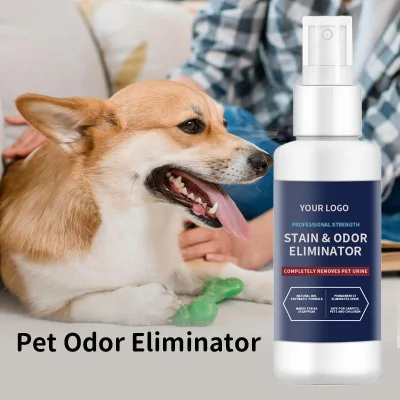
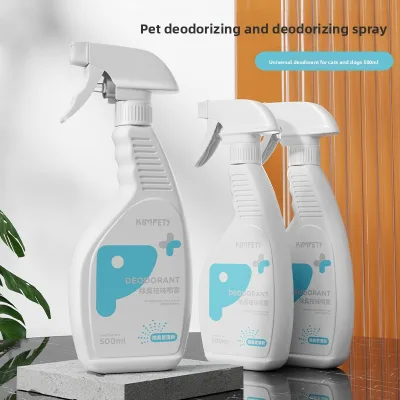
The first step in sourcing is to categorize the product accurately, as the term "deodorizer" often masks distinct functional mechanisms. Based on observed market data, products fall into three primary technical clusters: liquid formulations, solid absorbent materials, and electronic devices. Liquid products, such as pet shampoos and sprays, typically utilize natural plant extracts and mild surfactants as their active ingredients. These formulations are designed for deep cleaning, hair softening, and moisturizing, with a specific focus on odor elimination. The physical state of these products is consistently liquid, packaged in bottles with cartons, and often feature flip-top caps for ease of use.
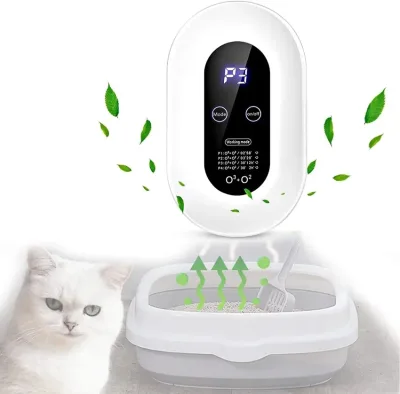
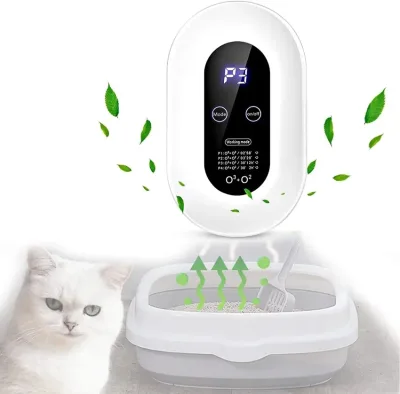
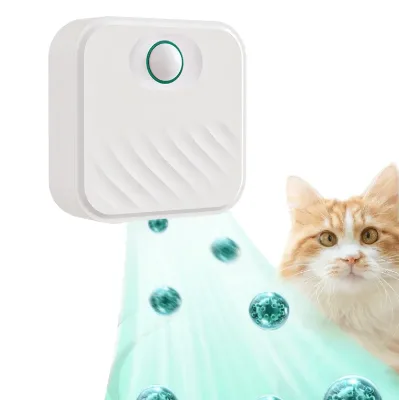
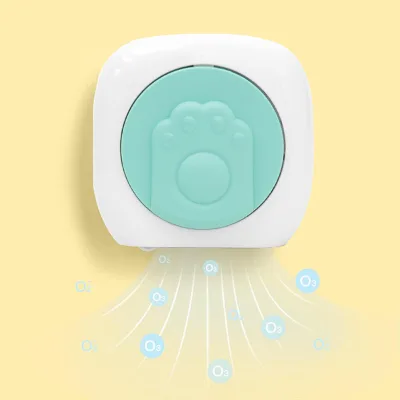
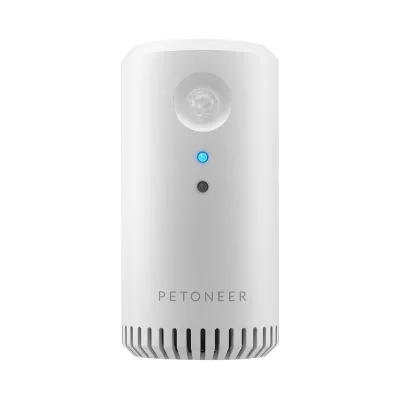
In contrast, solid deodorizing solutions often utilize non-woven materials, such as wipes, which are designed to be tear-resistant and non-deforming. These items are frequently packaged in bulk quantities, such as 80 pieces per pack or 1440 pieces per carton, catering to high-volume commercial users like pet grooming salons or veterinary clinics. A third category involves electronic devices, such as ozone generators, which operate on a different principle where ozone breaks down gases rather than masking odors with fragrance. These units are constructed from durable materials like ABS plastic and may carry specific model numbers, such as P5S, to distinguish them from chemical alternatives.
Buyers must verify the "Applicable Objects" and "Usage" specifications for each category. While many liquid products are labeled as universal for both dogs and cats, some wipes are specifically designated for pet houses or general home and car usage. The distinction is critical because a product optimized for upholstery cleaning may not be safe for direct application on animal fur. Furthermore, the "Odor" specification varies significantly; some products offer a fresh lemon scent, while others provide fully customized fragrance options to meet brand-specific requirements. Understanding these technical nuances ensures that the selected product aligns with the intended application environment.
Compliance, Certification, and Safety Verification
In the pet care industry, safety is paramount, and procurement decisions must be grounded in verifiable compliance data. While suppliers often claim adherence to international standards, buyers must independently verify the presence of specific certifications. The market data indicates that some products list standards such as SGS, ISO, and specific test reports or MSDS (Material Safety Data Sheets). These documents are essential for confirming that the product has undergone rigorous testing for toxicity and efficacy.
A critical safety parameter to verify is the alcohol content. Many high-quality pet cleaning products are formulated to be "Without Alcohol," which is a significant differentiator for products intended for direct contact with animal skin or fur. Alcohol can be drying and irritating, so confirming this attribute is a mandatory step in the quality assurance process. Additionally, the "Shelf Life" of chemical formulations is a key compliance metric. Observed data suggests a standard shelf life of two years, but buyers should request batch-specific testing to ensure the product maintains its antibacterial and deodorizing properties throughout this period.
When evaluating electronic deodorizers, the material composition becomes a safety concern. Devices made from ABS plastic must meet specific flammability and electrical safety standards, which are often distinct from chemical product certifications. Buyers should also check for "Customization" capabilities regarding ingredients. While natural plant extracts are a common selling point, the specific botanical sources and concentrations should be documented in the MSDS to ensure they do not trigger allergic reactions in sensitive pets. The absence of a specific certification in a supplier's initial listing does not necessarily indicate non-compliance, but it does require a proactive request for documentation before placing an order.
Cost Drivers and Pricing Structures
Understanding the cost structure of antibacterial pet cleaning deodorizers is essential for budgeting and margin analysis. The observed price range in the market spans from $0.15 to $18.78 USD, a wide variance that reflects differences in product type, packaging, and volume. The lower end of the spectrum typically corresponds to bulk items like non-woven wipes or basic liquid sprays sold in high quantities. Conversely, the higher price points often reflect specialized electronic devices, customized fragrance formulations, or premium packaging solutions.
The "MOQ" (Minimum Order Quantity) is a significant driver of unit cost. Data shows an MOQ range from 1 unit to 10,000 units. Products with a low MOQ, such as single bottles or small sample kits, generally carry a higher per-unit cost due to the overhead of handling small orders. In contrast, bulk orders, such as those requiring a full carton of 1440 pieces, benefit from economies of scale. For example, a specific product listing indicates an MOQ of 1 carton (1440 pieces), with 18 packs per carton. This structure encourages buyers to consolidate orders to reduce the effective cost per unit.
Packaging and logistics also influence the final landed cost. Products packaged in "Netural Package" or standard boxes may have lower shipping costs compared to those requiring custom-branded cartons or specialized protective packaging. The "Net Weight" and "Gross Weight" of the product are critical for calculating freight charges. A typical pack might weigh 590g net and 600g gross, but these figures can vary based on the inclusion of accessories or the density of the liquid. Buyers should request detailed weight and dimension data for the specific SKU to accurately forecast shipping expenses, as these can significantly impact the total cost of ownership, especially for heavy or bulky items like ozone generators.
Typical Applications and Usage Scenarios
The versatility of antibacterial pet cleaning deodorizers allows them to serve multiple sectors, from retail consumers to large-scale commercial operations. The "Application" field often lists "Cat" and "Dog," indicating suitability for general pet hygiene. However, the "Usage" specification provides more granular detail, distinguishing between direct animal care and environmental cleaning. Liquid shampoos and sprays are primarily used for direct application on pets to remove odors, clean fur, and moisturize the skin. These products are essential for grooming salons, veterinary clinics, and pet owners seeking to maintain hygiene between baths.
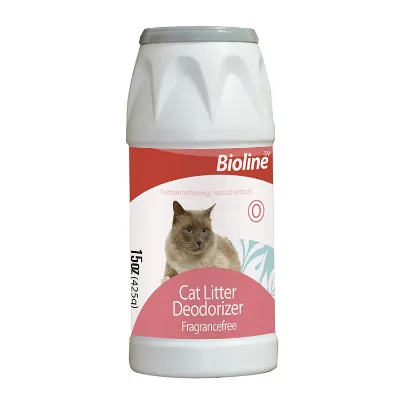
In contrast, wipes and solid deodorizers are frequently used for environmental cleaning. Products labeled for "Pet house" or "Home, Car" usage are designed to clean surfaces, bedding, and upholstery where pets spend time. These items are particularly valuable for facilities managing multiple animals, such as boarding kennels or shelters, where odor control is critical for animal welfare and customer satisfaction. The "Classification" of these products as "Deodorize" highlights their primary function, but the underlying mechanism—whether chemical neutralization or ozone generation—determines the appropriate application context.
Electronic devices, such as ozone generators, are best suited for large, enclosed spaces like vehicle interiors or entire rooms. Their principle of operation, breaking down gases, makes them effective for eliminating persistent odors that surface cleaning cannot address. However, these devices require careful handling and are not suitable for direct contact with animals or humans during operation. Buyers must match the application scenario with the product's technical capabilities to ensure safety and efficacy. For instance, a product designed for "Universal" use on pets may not be appropriate for cleaning car interiors if it leaves a residue that could be harmful to vehicle upholstery.
Supplier Evaluation and Quality Control
Selecting the right supplier requires a rigorous evaluation process that goes beyond price and basic product descriptions. Buyers should prioritize suppliers who demonstrate transparency in their manufacturing processes and provide clear documentation for their products. The "Product Origin" is a known factor, with many products originating from China, a major hub for pet care manufacturing. However, the location of the factory and its adherence to quality management systems are more important than the country of origin alone.
Quality control should be integrated into the procurement lifecycle. Buyers must verify that the supplier offers a "Sample Kit" or allows for pre-production sampling to test the product's performance against specific criteria. The "Design" attribute often indicates that suppliers offer free design services for custom branding, which can be a valuable service for private label buyers. However, this customization should not compromise the integrity of the product's core ingredients or safety standards.
When evaluating suppliers, buyers should look for evidence of consistent quality across batches. The "Shelf Life" of two years is a standard benchmark, but buyers should request stability testing data to ensure the product remains effective over time. Additionally, the "Packaging" quality must be assessed to prevent leakage or damage during transit. Products packaged in "Bottle with Carton" or "Flip-Top" bottles should be inspected for seal integrity and label accuracy. Suppliers who provide detailed "Test Reports" and adhere to standards like SGS or ISO demonstrate a commitment to quality that reduces the risk of product failure.
Long-Term Procurement Considerations
Sourcing antibacterial pet cleaning deodorizers is not a one-time transaction but a long-term partnership that requires strategic planning. Buyers should consider the scalability of the supply chain and the flexibility of the supplier to accommodate changing market demands. The availability of "Customization" options, such as tailored fragrances or packaging designs, allows buyers to differentiate their products in a competitive market. However, these customizations often come with higher MOQs and longer lead times, which must be factored into the procurement strategy.
Inventory management is another critical consideration. Products with a two-year shelf life offer flexibility in stockpiling, but buyers must ensure proper storage conditions to maintain product quality. The "Net Weight" and "Gross Weight" data are essential for warehouse planning, as they determine storage space and handling requirements. Additionally, the "Compatibility" of the product with all pet types simplifies inventory management by reducing the need for specialized SKUs for different animal species.
Finally, buyers should establish clear communication channels with suppliers to address any issues related to quality, delivery, or compliance. A supplier that offers a "Free Design" service and provides comprehensive documentation is more likely to be a reliable long-term partner. By focusing on these strategic factors, buyers can build a resilient supply chain that ensures a steady flow of high-quality antibacterial pet cleaning deodorizers while maintaining cost efficiency and product safety.
Comparative Analysis of Product Attributes
To facilitate decision-making, the following table summarizes key attributes observed across different product categories, highlighting the distinctions that buyers must consider during the sourcing process.
| Attribute | Liquid Formulations (Spray/Shampoo) | Solid Materials (Wipes) | Electronic Devices (Ozone) |
|---|---|---|---|
| Primary Function | Deep Cleaning, Moisturizing, Deodorizing | Surface Cleaning, Odor Elimination | Gas Breakdown, Air Purification |
| Key Ingredients | Natural Plant Extracts, Mild Surfactants | Non-Woven Material | ABS Plastic, Ozone Generator |
| Packaging | Bottle with Carton, Flip-Top | Carton (1440 PCS), 80 PCS/Pack | Carton, Neutral Package |
| Safety Profile | Without Alcohol, Natural Ingredients | Tear-Resistant, Non-Deforming | Electrical Safety, Ozone Safety |
| Typical Usage | Direct on Pet (Dog/Cat) | Home, Car, Pet House | Enclosed Spaces, Vehicles |
| Customization | Odor (Fresh Lemon/Customized) | Design, Quantity | Model Number, Size |
| Standards | SGS, ISO, MSDS | Test Reports | SGS, ISO, Test Reports |
This comparison underscores the importance of matching the product type to the specific application. Liquid formulations are ideal for direct pet care, while solid materials and electronic devices serve distinct environmental cleaning needs. By carefully analyzing these attributes, buyers can make informed decisions that align with their operational requirements and quality standards.
FAQs
What ingredients are used in antibacterial pet cleaning deodorizers?
These products typically use natural plant extracts and mild surfactants as active ingredients. Formulations are designed for deep cleaning and odor elimination without alcohol to ensure safety for direct contact with animal skin.
Which certifications should I verify for pet cleaning products?
Buyers should verify the presence of SGS, ISO, and specific test reports or MSDS documents. These standards confirm that the product has undergone rigorous testing for toxicity and efficacy before reaching the market.
Can I customize the fragrance for my pet cleaning deodorizer brand?
Yes, customization for odor and fragrance is available for many suppliers. Options include fresh lemon scents or fully customized fragrances to meet specific brand requirements and market preferences.
How does the MOQ affect the unit price for bulk orders?
The minimum order quantity ranges from 1 unit to 10,000 units, significantly impacting the unit cost. Bulk orders, such as a full carton of 1440 pieces, benefit from economies of scale compared to small sample kits.
What is the shelf life of these antibacterial cleaning products?
The standard shelf life for these chemical formulations is two years. Buyers should request batch-specific testing to ensure the product maintains its antibacterial and deodorizing properties throughout this period.
Which products are suitable for cleaning pet houses and cars?
Wipes and solid deodorizers are often designated for pet houses, homes, and cars. These items are designed to clean surfaces and upholstery where pets spend time, distinct from shampoos intended for direct animal application.