Source Custom Logo Baseball Cap for Events, Daily Wear, and Promotions
Find 30 Custom Logo Baseball Cap options with varied materials like cotton and polyester, featuring embroidery and adjustable designs. Compare specifications including size, color, and customization details for festival, daily use, and promotional needs.
Key considerations
Products List


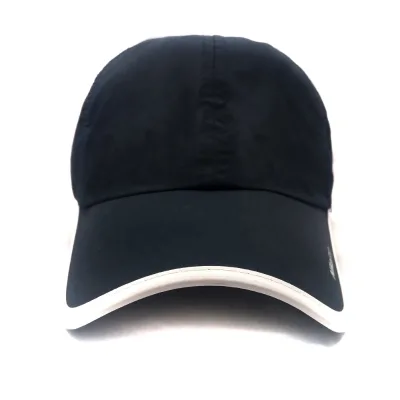
Customizable Cotton Sports Baseball Cap Custom Embroidery Logo Caps for Men
$0.55 - $3.88
MOQ: 25 Pieces




Comprehensive Sourcing Guide
Strategic Sourcing Guide for Custom Logo Baseball Caps
Understanding Product Variability and Core Specifications
The market for custom logo baseball caps presents a complex landscape where "baseball cap" serves as a broad category encompassing diverse product configurations. When initiating a procurement strategy, buyers must first recognize that product attributes are not uniform across all listings. The observed data indicates a significant divergence in material composition, structural design, and dimensional specifications. Some product entries explicitly define the material as 100% Cotton, adhering to a specific standard of cotton 100%, while other viable options list Polyester or a Polyester/Cotton blend. This variation directly impacts the tactile feel, breathability, and durability of the final product. A buyer seeking a premium, natural feel must prioritize the 100% Cotton specification, whereas those requiring high durability and moisture-wicking properties for athletic use might find the Polyester blend more suitable.
Structural specifications further complicate the selection process. The data reveals a split in crown construction, with some items described as having a "With Crown" configuration and others listed as "Without Crown." Similarly, brim availability is a critical differentiator; some products are noted as "With Brim," which is the traditional baseball cap form, while others may lack this feature entirely. Dimensional data also varies significantly. While one prominent model specifies a standard head circumference of 56-60cm or 58-60cm, another entry lists a size of 20*28cm, which likely refers to a specific patch or a non-standardized dimension rather than a full cap size. Buyers must verify that the size specification provided by the supplier corresponds to the actual head circumference required for their target demographic, which is generally listed as "Adults" in the observed data.
The customization capabilities are a central feature of this product category. The term "Customized" and "Customization: Available" appear frequently, alongside specific mentions of "OEM" logo services. However, the method of customization varies. The pattern technology is listed as "Flat Embroidery" for some items, while others state "as Customized," implying a broader range of potential techniques that may include screen printing or patch application. The pattern theme is often "Letter," and styles range from "Striped" and "Solid" to "Fashion" and "Novelty Product." This diversity means that a single search query for "Custom Logo Baseball Cap" yields results that may not be interchangeable. Procurement teams must define their specific needs regarding material, structure, and decoration method before engaging with suppliers to ensure the received samples match the intended application.
Technical Compliance and Certification Verification
In the realm of B2B apparel procurement, technical compliance is often the most overlooked aspect until a product fails inspection. The supplied facts mention a "prod_standard" of "cotton 100%" for certain items, but this is a material claim rather than a comprehensive safety or quality certification. Buyers should not assume that a product labeled with a material standard automatically meets international safety regulations for textiles. For instance, the origin is listed as "China" or specifically "Shanghai," which are major manufacturing hubs, but the presence of a specific location does not guarantee adherence to specific export standards like REACH in Europe or CPSIA in the United States.
When evaluating compliance, the buyer must verify the specific chemical and physical safety standards applicable to the destination market. The data mentions "Sun Protection" as a special feature, yet no numerical UPF rating is provided in the observed facts. A claim of sun protection is an observation of a feature, not a verified performance metric. To ensure the product meets regulatory requirements for sun protection, the buyer must request third-party test reports that explicitly state the UPF rating achieved under standardized testing conditions. Similarly, while "Lightweight" and "Adjustable" are listed as features, these are qualitative descriptions. The buyer should request technical data sheets that quantify the weight in grams per square meter (GSM) and specify the mechanism of the adjustable closure, such as a plastic buckle, metal snap, or Velcro strap, to ensure it meets durability expectations.
Certification checks should extend beyond material composition. If the caps are intended for children or specific occupational safety use, additional certifications may be required. The observed data lists the "Department" as "Baseball Cap" and "Applicable User" as "Adults," which suggests a general consumer market. However, if the customization involves inks or dyes, the supplier must provide documentation confirming that these materials are free from prohibited azo dyes and heavy metals. The "Standard" field in the data often repeats the material or size (e.g., "58-60cm"), which is insufficient for compliance purposes. Buyers must insist on a formal certificate of analysis or a compliance statement from the manufacturer that references specific international standards (e.g., ISO, ASTM, or EN standards) relevant to textile safety and labeling. Without these documents, the risk of non-compliance at customs or in the retail market remains high.
Cost Drivers and Pricing Dynamics
The pricing structure for custom logo baseball caps is influenced by a multitude of factors, including material selection, customization complexity, and order volume. The observed price range in the data spans from 0.55 to 6.5 USD, a wide variance that reflects the heterogeneity of the products. The lower end of this range likely corresponds to basic Polyester/Cotton blends with simple embroidery or minimal customization, while the higher end may reflect 100% Cotton caps with complex, multi-color flat embroidery or specialized features like a ponytail hole. It is crucial for buyers to understand that price is not solely a function of the base unit cost but is heavily driven by the customization process.
The "Customization" attribute is a primary cost driver. While the base cap might be inexpensive, the addition of a custom logo involves setup fees, sample costs, and per-unit labor charges. The data indicates that "OEM" logo services are available, but the cost of this service depends on the number of colors in the logo and the complexity of the embroidery. Flat embroidery, as noted in the process technology, is a standard method, but if the buyer requests a 3D puff embroidery or a patch application, the cost will increase. Furthermore, the "MOQ" (Minimum Order Quantity) range observed is 1 to 1000 units. Suppliers with lower MOQs often charge a premium per unit to cover the setup costs of small batches. Conversely, orders approaching the upper limit of the MOQ range may benefit from economies of scale, reducing the per-unit cost significantly.
Packaging is another often-overlooked cost factor. The data lists "Carton" and "Carton Box" as packing methods. If the buyer requires individual polybagging, custom hangtags, or specific carton labeling for retail display, these services will incur additional charges. The "prod_packing" standard is not uniform, and buyers must clarify whether the quoted price includes the cost of the packaging or if it is an add-on service. Additionally, the origin location, specifically "Shanghai, China," may influence logistics costs. While Shanghai is a major port, the specific inland location of the factory can affect the inland freight charges before the goods reach the port. Buyers should request a detailed breakdown of costs that separates the product price, customization fees, packaging costs, and logistics estimates to avoid hidden expenses that could erode profit margins.
Typical Applications and Usage Scenarios
The versatility of custom logo baseball caps makes them suitable for a wide array of applications, ranging from corporate branding to promotional events and fashion retail. The observed data highlights several key usage scenarios. The "Occasion" is listed as "Festival," suggesting these caps are frequently used for seasonal promotions, music festivals, or community events. The "Usage" field explicitly mentions "Decoration" and "Daily Use," indicating that the product serves both functional and aesthetic purposes. For corporate clients, the "With Logo" feature is paramount, making these caps ideal for employee uniforms, brand ambassador programs, and trade show giveaways.
The "Style" attributes, including "Fashion," "Striped," "Solid," and "Novelty Product," suggest that these caps are not limited to traditional corporate use but are also targeted at the fashion-conscious consumer. The "Gender" is listed as "Unisex," and the "Applicable User" is "Adults," which broadens the potential market to include general consumer retail. The "Season" attributes—Winter, Summer, Spring/Autumn, and Autumn—indicate that these caps are designed for year-round wear, though the material choice (Cotton vs. Polyester) may influence their suitability for specific weather conditions. For example, 100% Cotton caps might be preferred for cooler weather due to their breathability and warmth, while Polyester blends might be better for summer activities due to their moisture-wicking properties.
The "Special Features" such as "Sun Protection," "Ponytail Hole," and "Adjustable" further define the application. The "Ponytail Hole" is a specific design element catering to users with long hair, expanding the market to include female demographics who require functional headwear. The "Adjustable" feature ensures a fit for a wide range of head sizes, which is critical for promotional items distributed to a diverse audience. The "Panels" count of 6 is a standard construction for baseball caps, providing a structured look that holds the logo well. Buyers should align their product selection with their specific application; for instance, a festival organizer might prioritize the "Novelty Product" style and "Colourful" options, while a corporate client might prefer the "Solid" style and "With Crown" construction for a more professional appearance.
Supplier Evaluation and Quality Control Protocols
Selecting the right supplier is critical to ensuring that the final product meets the buyer's expectations. The data indicates that suppliers are located in "China" and specifically "Shanghai," but the presence of a location does not equate to quality. Buyers must evaluate suppliers based on their ability to deliver consistent quality, adhere to timelines, and communicate effectively. The "Customized" and "OEM" capabilities suggest that the supplier should have a robust design and production team. However, buyers should verify the supplier's experience with similar projects by requesting a portfolio of past work, specifically looking for examples of "Flat Embroidery" and "Letter" pattern themes.
Quality control (QC) protocols must be established before production begins. Given the variation in materials and specifications observed, the buyer should insist on a pre-production sample approval process. This sample should be evaluated against the specific technical requirements, such as the 100% Cotton content, the 56-60cm size, and the durability of the "Adjustable" closure. The "Pattern Technology" of "Flat Embroidery" should be inspected for stitch density, thread quality, and alignment. Buyers should also verify the "prod_standard" and "prod_model" consistency across the entire order to ensure that the final batch matches the approved sample.
The "prod_packing" of "Carton" or "Carton Box" requires specific attention during the QC phase. The packaging must be robust enough to protect the caps during transit, especially if they are being shipped internationally. Buyers should check for signs of damage, such as crushed brims or misshapen crowns, which can occur if the packaging is insufficient. Additionally, the "Logo" application must be inspected for color accuracy and placement. Since the "Feature" includes "With Logo," any deviation in the logo design or placement can render the entire batch unsellable. Implementing a third-party inspection service for the final production run is highly recommended to ensure that the product meets the agreed-upon standards before shipment.
Long-Term Procurement and Relationship Management
Sourcing custom logo baseball caps is not a one-time transaction but a strategic relationship that can yield long-term benefits. The "Customization" and "OEM" nature of the product means that the buyer and supplier will work closely together to refine the design and production process over time. Building a strong relationship with a reliable supplier can lead to better pricing, priority production slots, and improved quality control. The observed "MOQ" range of 1 to 1000 suggests that suppliers are flexible, but buyers should aim to increase order volumes over time to secure better terms and establish a consistent supply chain.
Long-term procurement also involves managing the lifecycle of the product. As trends shift, the "Style" and "Pattern" requirements may change. A supplier with a flexible production line can adapt to new design requests, such as switching from "Striped" to "Solid" or incorporating new "Special Features." The "Season" attributes indicate that buyers may need to plan for seasonal inventory, requiring a supplier who can manage lead times effectively. The "prod_origin" of "Shanghai, China" is a stable manufacturing hub, but buyers should monitor for potential disruptions in the supply chain, such as raw material shortages or logistical delays.
Furthermore, the "Standard" and "Material" specifications should be reviewed periodically to ensure they remain relevant to the market. If the buyer decides to switch from "100% Cotton" to a "Polyester/Cotton" blend for cost or performance reasons, the supplier must be able to facilitate this transition seamlessly. The "Customized" nature of the product means that the buyer has the opportunity to innovate and differentiate their brand through unique designs and features. By maintaining open communication and investing in a long-term partnership, buyers can ensure a steady supply of high-quality custom logo baseball caps that meet their evolving business needs.
FAQs
What materials are used for custom logo baseball caps?
Custom logo baseball caps are made from 100% Cotton, Polyester, or a Polyester/Cotton blend. Buyers should select 100% Cotton for a natural feel or Polyester blends for durability and moisture-wicking properties depending on their specific usage needs.
How can I customize the logo on these caps?
Customization is available with OEM logo services using flat embroidery or as customized methods. The pattern theme often features letters, and styles can range from solid to striped, allowing for tailored branding solutions.
Which size specifications are available for adult caps?
Adult caps typically come in sizes ranging from 56-60cm or 58-60cm head circumference. Some specific models may list different dimensions like 20*28cm, so buyers must verify if the size refers to the full cap or a patch.
Can I order caps with a ponytail hole feature?
Yes, some custom logo baseball caps include a ponytail hole as a special feature. This design element is available alongside other features like sun protection and adjustable closures to accommodate different user needs.
What is the typical price range for these products?
The observed price range for custom logo baseball caps spans from 0.55 to 6.5 USD. Costs vary based on material selection, customization complexity, and order volume, with lower prices often corresponding to basic blends.
How does the minimum order quantity affect pricing?
The minimum order quantity ranges from 1 to 1000 units, influencing the per-unit cost. Suppliers with lower MOQs may charge a premium to cover setup costs, while larger orders benefit from economies of scale.
Where are these custom caps manufactured?
These products originate from China, with specific manufacturing hubs noted in Shanghai. Buyers should verify the exact location and ensure the supplier adheres to relevant export standards for their target market.