Source CNC Machined GGG60 Bearing Housing for Industrial Parts
Find and compare 30 listings for CNC Machined GGG60 Bearing Housing components. Evaluate options based on material grades like aluminum and stainless steel, customization availability, and precision tolerances for metal processing machinery applications.
Key considerations
Products List


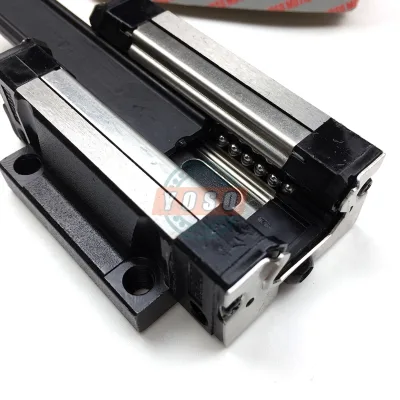
CNC Machine Cylindrical Roller Pressing Bearing Housing for Roller System
$0.30 - $2.50
MOQ: 1000 Pieces




Comprehensive Sourcing Guide
CNC Machined GGG60 Bearing Housing Sourcing Guide
Sourcing high-precision bearing housings requires a disciplined approach to material selection, machining capability, and supply chain transparency. The core keyword "CNC Machined GGG60 Bearing Housing" points to a specific intersection of metallurgy and manufacturing process, where the base material is ductile iron (GGG60) and the final geometry is achieved through computer numerical control machining. Buyers must understand that while the material provides strength and vibration damping, the CNC process ensures the tight tolerances necessary for reliable bearing fitment. This guide synthesizes observed market signals and technical requirements to help procurement professionals navigate this specialized category effectively.
The following sections provide a structured framework for evaluating suppliers, verifying technical compliance, and managing commercial risks. By focusing on evidence-based verification steps rather than marketing claims, buyers can mitigate the risk of receiving components that fail under operational stress or do not meet dimensional specifications. The guidance below is designed to be actionable, allowing procurement teams to build robust qualification criteria and inspection protocols for their specific engineering needs.
Product Scope and Observed Listing Signals
The observed market data indicates a diverse range of offerings, with prices spanning from $0.10 to $3,490 USD and minimum order quantities (MOQs) ranging from 1 to 1,000 units. This wide variance suggests that the category includes both simple, low-cost replacement parts and complex, high-precision custom components. Buyers should interpret price points in conjunction with order volume and customization levels; lower prices often correlate with standard, off-the-shelf designs, while higher prices reflect custom engineering, tighter tolerances, and smaller batch sizes. The presence of both "New" condition items and various certification levels further indicates a mature but fragmented supplier base.
Listing attributes frequently highlight customization capabilities, with many suppliers offering OEM and ODM services. The term "Customized" appears alongside specific model numbers such as "ABB - 007" and "ABB - 12," suggesting that some suppliers specialize in replicating or adapting existing industrial designs. Additionally, descriptions like "High Precision CNC Machined Racing Billet Bearing" and "Stainless Steel Bearing Housing Type" reveal that while the core keyword focuses on GGG60, the broader market includes aluminum, stainless steel, and other alloys. Buyers must carefully distinguish between suppliers who specialize in ductile iron and those who offer multi-material solutions to ensure material compatibility with their specific application requirements.
Technical Specifications to Verify
Material verification is the first critical step, as GGG60 (also known as EN-GJS-600-3 or ASTM A536 Grade 65-45-12) offers specific mechanical properties, including high tensile strength and good ductility. Buyers must confirm that the supplier uses genuine GGG60 material and not a lower-grade cast iron or a substitute alloy. The supplied facts mention materials such as Aluminum, Stainless Steel, Iron, Copper, and Brass, indicating that suppliers may offer multiple material options. It is essential to request material test reports or certificates of analysis to verify that the chemical composition and mechanical properties align with the GGG60 standard, especially for applications involving high loads or dynamic stresses.
Dimensional accuracy and surface finish are equally critical, with observed tolerances listed as +/-0.05mm or "as per your requirement." The manufacturing processes cited include CNC Machining, CNC Turning, and CNC Milling, which are capable of achieving high precision. Buyers should verify the specific machining methods used for their part, as different features may require different operations. For instance, bearing seats often require precise turning and grinding, while mounting flanges may require milling. The presence of "Micro Machining" as an attribute suggests that some suppliers can handle intricate details, but buyers must confirm that the supplier’s equipment and expertise match the complexity of their specific housing design.
Compliance and Safety Documentation
Certification status is a key indicator of a supplier’s quality management system. The observed data lists certifications such as ISO, ISO9001-2008, SGS, IAF, RoHS, and CE. While ISO 9001 is a widely recognized standard for quality management, buyers should verify the specific version and scope of the certification. The mention of ISO9001-2008 suggests that some suppliers may be using older standards, so buyers should prioritize suppliers with current ISO 9001:2015 certification to ensure adherence to modern quality management practices. Additionally, RoHS and CE certifications are relevant if the components are intended for use in electronics or machinery subject to European Union regulations, ensuring compliance with hazardous substance restrictions and safety directives.
Standards compliance extends beyond quality management to include product-specific standards. The observed standards include ASTM, ANSI, GB, GOST, DIN, ASME, TEMA, JIS, and APIEN. Buyers must identify which standard applies to their specific application and verify that the supplier can produce to that standard. For example, if the bearing housing is for a US-based application, ASTM or ANSI standards may be relevant, while European applications might require DIN or EN standards. The fact that some products are listed as "Nonstandard" or "Standard Parts: No" indicates that many suppliers focus on custom solutions, which requires buyers to provide detailed drawings and specifications rather than relying on off-the-shelf standard parts.
Cost Drivers and Commercial Terms
Several factors influence the cost of CNC machined GGG60 bearing housings, including material costs, machining time, tooling wear, and surface treatment requirements. The observed delivery times range from 7 days for quick delivery to 20-35 days for batch goods, with sample times of 10-25 days. Longer lead times often correlate with more complex machining processes or larger production volumes. Buyers should consider the trade-off between speed and cost; expedited services may incur premium charges, while longer lead times allow for more efficient production planning and potentially lower unit costs. Understanding these dynamics helps in negotiating realistic delivery schedules and pricing structures.
Packaging and shipping methods also impact the total cost of ownership. The observed packaging includes Polybag+Carton and Standard Export Carton with Inner PP Bubble Bag, which are designed to protect the components during transit. Shipping options listed are UPS, DHL, and Air, indicating that suppliers typically use express courier services for smaller batches or samples. For larger orders, buyers should inquire about sea freight options to reduce shipping costs. Additionally, the "Customer: HP Supplier" attribute suggests that some suppliers serve major global brands, which may imply higher quality standards but also potentially higher prices due to the supplier’s established reputation and compliance requirements.
Supplier Qualification and Quality Control
Supplier qualification should begin with a thorough review of their manufacturing capabilities and quality control processes. The observed test equipment includes Projector and Other Test Instruments, which are essential for verifying dimensional accuracy and surface quality. Buyers should request evidence of these testing capabilities, such as photos of the equipment or descriptions of the inspection protocols. Additionally, the "Production Type: Mass Production" attribute indicates that some suppliers are equipped for high-volume manufacturing, which can offer economies of scale but may require higher MOQs. Buyers must align their order volume with the supplier’s production capacity to ensure consistent quality and timely delivery.
Quality control should also include a review of the supplier’s defect management and corrective action processes. Buyers should ask for examples of how the supplier handles non-conforming products and whether they have a documented process for continuous improvement. The "Services: OEM ODM" attribute suggests that some suppliers offer design support, which can be valuable for custom projects. However, buyers must ensure that the supplier’s engineering team has the expertise to translate their design requirements into manufacturable components. Requesting samples and conducting incoming quality inspections is a critical step in validating the supplier’s ability to meet specifications before committing to large orders.
Long-Term Procurement Checks
Establishing a long-term partnership with a CNC machining supplier requires ongoing monitoring of performance metrics and relationship management. Buyers should track key performance indicators such as on-time delivery rate, defect rate, and responsiveness to issues. Regular audits of the supplier’s quality management system and manufacturing facilities can help identify potential risks and ensure continued compliance with standards. Additionally, maintaining open communication channels with the supplier’s engineering and sales teams can facilitate continuous improvement and innovation, allowing both parties to adapt to changing market conditions and technical requirements.
Supply chain resilience is another critical consideration for long-term procurement. Buyers should assess the supplier’s ability to handle fluctuations in demand and mitigate risks such as material shortages or production disruptions. The observed location "Guangdong China" indicates that many suppliers are based in a major manufacturing hub, which offers access to a robust supply chain but may also be subject to regional risks. Buyers should consider diversifying their supplier base or developing contingency plans to ensure continuity of supply. By focusing on these long-term checks, buyers can build a resilient and reliable supply chain for their CNC Machined GGG60 Bearing Housing needs.
FAQs
What materials are used for CNC machined bearing housings?
Materials include aluminum, stainless steel, iron, copper, alloy, brass, plastic, steel, and nylon. These options support various applications like metal coating and processing machinery parts while ensuring durability and precision for racing or industrial use.
Can I request custom specifications for these bearing housings?
Yes, customization is available with models like ABB-007 or ABB-12 tailored to your needs. You can specify tolerances of plus or minus 0.05mm and request nonstandard designs to fit specific machinery requirements without compromising quality.
Which certifications do these products typically hold?
Products often carry ISO, CE, RoHS, and ISO9001-2008 certifications. These standards ensure quality management and safety compliance for global markets, supporting applications in metal forging, recycling, and general machinery accessory sectors.
How long does delivery take for sample orders?
Sample delivery takes 10 to 25 days depending on the order specifics. Batch goods require 20 to 35 days, while some quick delivery options may be available within 7 days for urgent requirements from Guangdong China suppliers.
What machining processes are used for these components?
Processes include CNC machining, turning, and milling with micro machining capabilities. These methods ensure high precision for racing billet bearings and housing types, utilizing test equipment like projectors to verify tolerances and surface treatments.
What packaging is used for shipping these items?
Items are packed in polybags with cartons or standard export cartons with inner PP bubble bags. This ensures protection during transit via UPS, DHL, or air freight to international destinations while maintaining product integrity.