Source Custom Logo Leaflet for brochures, posters, and business cards
Find 30 suppliers offering Custom Logo Leaflet options with various paper types and printing methods. Buyers can compare specifications, pricing, and customization features for brochures, posters, and business cards to meet their specific needs.
Key considerations
Products List
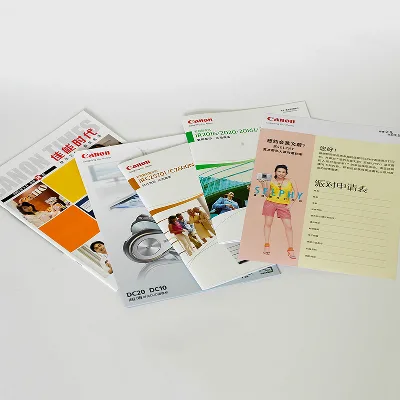
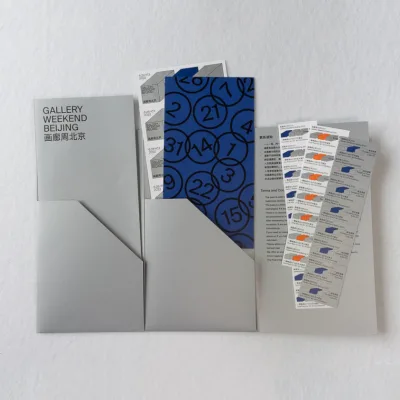
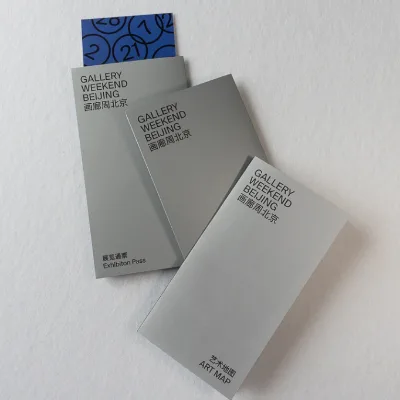
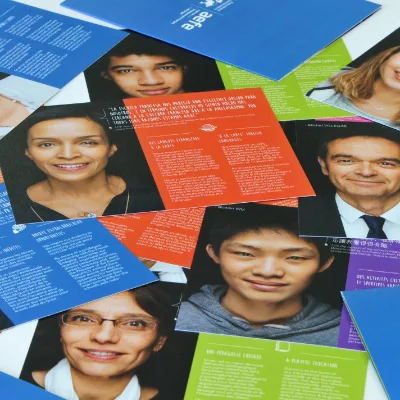
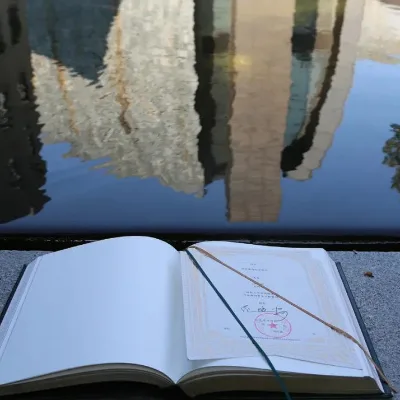
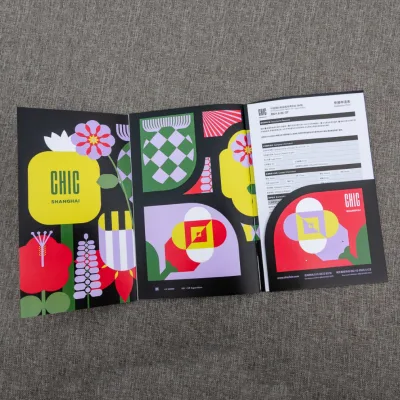
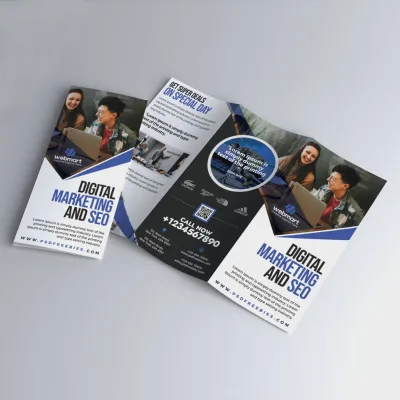


Custom Printed Promotion Flyer Leaflet Catalogue Brochure Printing Service
$0.08 - $0.10
MOQ: 5000 Pieces


Comprehensive Sourcing Guide
Strategic Sourcing Guide for Custom Logo Leaflets
The procurement of custom logo leaflets represents a critical intersection of brand communication and operational efficiency for B2B buyers. These marketing collateral items serve as tangible touchpoints that convey brand identity, product details, and promotional offers. Unlike mass-produced digital assets, physical leaflets require precise material selection, robust printing processes, and strict quality control to ensure they meet professional standards. This guide synthesizes observed market data and technical specifications to provide a disciplined framework for sourcing custom logo leaflets, focusing on material integrity, printing capabilities, and supplier reliability without relying on unverified claims or specific vendor recommendations.
Material Selection and Substrate Specifications
The foundation of a high-quality leaflet lies in the choice of substrate. Market observations indicate a diverse range of materials available for custom production, primarily centered around paper and paperboard variants. Buyers must distinguish between the structural requirements of the leaflet and the aesthetic finish desired. Commonly observed materials include Art Paper, Cardboard, Kraft Paper, and Offset Paper. The specific selection often depends on the intended durability and the perceived value of the brand. For instance, Art Paper and Coated Paper are frequently cited for their smooth finish and vibrant color reproduction, making them ideal for high-impact visual marketing. Conversely, Kraft Paper and Corrugated Board offer a more rustic or industrial aesthetic, often associated with eco-friendly branding.
Beyond the base material, the grade designation plays a significant role in performance. Specifications such as Apparent/net and EPQ/PPQ suggest that buyers should verify the density and tensile strength of the paperboard to ensure it can withstand handling and distribution without tearing. The "Paper Type" attribute further expands the options to include Security Paper, Duplex Board, and Fancy Paper, each serving distinct functional needs. Security Paper, for example, may be necessary for leaflets containing sensitive information or high-value coupons, while Duplex Board offers a cost-effective solution for general promotional use. The presence of "Biodegradable" and "Recyclable" features in product attributes highlights a growing market trend toward sustainable materials, which buyers should verify through supplier documentation rather than assuming based on product titles alone.
Printing Technologies and Surface Finishes
The visual fidelity of a Custom Logo Leaflet is determined by the printing technology and surface treatments applied. The observed market supports a robust capability in both Offset Printing and Digital Printing. Offset Printing is typically the preferred method for large-volume runs due to its cost-efficiency and consistent color accuracy, particularly when utilizing CMYK or Pantone Color specifications. Digital Printing offers greater flexibility for short runs and rapid prototyping, allowing for variable data printing which is useful for personalized marketing campaigns. The attribute "Full Colors Printing" indicates that suppliers generally support high-fidelity color reproduction, but buyers must confirm the specific color gamut and ink density standards during the negotiation phase.
Surface finishing is equally critical for differentiation and durability. The observed data lists several advanced surface treatments, including Film Lamination, Embossing, Hot Stamping, and Varnishing. Film Lamination provides a protective layer that enhances moisture resistance and tactile appeal, a feature explicitly noted in product attributes as "Waterproof" and "Moisture-proof." Embossing adds a three-dimensional texture that can highlight logos or key text, elevating the perceived quality of the leaflet. Hot Stamping is often used for metallic accents on logos, adding a premium feel. Buyers should evaluate these processes based on the specific brand image they wish to project. For example, a luxury brand might prioritize Hot Stamping and Embossing, while a high-volume distributor might focus on the durability provided by Film Lamination. The combination of these processes can significantly impact the final cost and lead time, necessitating a clear definition of requirements before production begins.
Customization Capabilities and Model Variations
The core requirement for "custom logo leaflets" implies a high degree of flexibility in design and specification. The market data reveals that "Customized" is a standard attribute for size, color, and model numbers. Model numbers such as AD-096, AD-002, AD-036, and AD-053 suggest that suppliers often utilize a catalog of base templates that can be adapted. However, the "Size: Customized" attribute confirms that buyers are not restricted to standard dimensions, allowing for unique formats that fit specific packaging or display needs. The "Logo printing: Accept" and "Logo printing: other" attributes indicate that most suppliers are equipped to handle custom branding, but the specific method of logo application—whether through direct printing, die-cutting, or foil stamping—must be explicitly defined.
Binding and structural design also offer significant customization options. While leaflets are often single sheets, the data includes references to various binding types such as Folded Leaflet, Perfect Binding, Saddle Stitching, and Spiral Binding. This suggests that the term "leaflet" in the market context can encompass folded brochures, booklets, and multi-page catalogs. The "Book Type" attributes further elaborate on these variations, including Hardcover books, Spiral binding books, and Notebooks. Buyers must clarify whether the procurement is for a simple folded sheet or a more complex bound document. The "Selling Units: Single item" attribute indicates that suppliers are generally willing to accept small orders, which is beneficial for testing new designs before committing to large-scale production.
Cost Drivers and Minimum Order Quantities
Understanding the cost structure of custom leaflets is essential for budget management. The observed price range of 0-28.8 USD suggests a wide variance in unit costs, likely driven by material quality, print volume, and finishing complexity. The Minimum Order Quantity (MOQ) range of 1-5000 units highlights the flexibility of the market, catering to both startups requiring small batches and established enterprises needing bulk supply. The "Small Orders: Accepted" attribute reinforces that low-volume procurement is feasible, though the unit cost for small orders will naturally be higher due to setup costs.
Several factors drive the final price. Material selection is a primary driver; premium papers like Fancy Paper or Security Paper will cost more than standard Offset Paper. Similarly, the complexity of the printing process affects pricing. Digital printing may have a lower setup cost but a higher per-unit cost for large runs compared to offset printing. Surface finishes like Embossing or Hot Stamping add additional processing steps and material costs. Buyers should request detailed cost breakdowns that separate material, printing, and finishing costs to identify areas for potential savings. It is also important to note that "Customization: Available" often implies additional design fees or setup charges, which should be clarified in the initial quotation.
Supplier Evaluation and Quality Assurance
Selecting the right supplier requires a rigorous evaluation process that goes beyond price comparisons. The "Place of Origin" data indicates that suppliers are located in major manufacturing hubs such as Beijing and Guangdong, China. While these regions are known for their printing capabilities, buyers must verify the specific factory's capacity and quality control systems. The "Brand Name" attribute shows a mix of established brands like "commune" and "Customize" options, suggesting that buyers can choose between branded products or white-label solutions. However, the presence of a brand name does not guarantee quality; it is the supplier's adherence to standards that matters.
Quality assurance should focus on verifying the consistency of the "Printing Type" and "Surface Finish." Buyers should request physical samples to test the durability of the "Moisture-proof" and "Waterproof" claims, as well as the accuracy of the "Full Colors Printing." The "Feature" attributes, including "Eco-friendly" and "Recyclable," should be substantiated with relevant documentation or certifications, as these claims cannot be assumed without verification. Additionally, the "Sample: Digital sample printing" attribute suggests that suppliers offer digital proofs, which are crucial for checking color accuracy and layout before mass production. Buyers should insist on a pre-production sample that matches the final specifications, including the exact paper grade and surface treatment, to mitigate the risk of production errors.
Long-Term Procurement and Compliance Considerations
For long-term procurement strategies, buyers must consider the scalability and compliance of their suppliers. The ability to handle varying order volumes, from single items to 5000 units, indicates a flexible supply chain. However, consistency in quality across multiple batches is paramount. Buyers should establish clear quality control protocols that define acceptable tolerances for color variation, cut precision, and binding strength. The "Model Number" variations observed in the market suggest that suppliers may have different production lines for different product types; buyers should ensure that the same production standards apply to all orders.
Compliance and sustainability are increasingly important in B2B procurement. The "Biodegradable" and "Recyclable" features mentioned in the product attributes align with global sustainability goals. Buyers should verify that the materials used meet relevant environmental standards and that the suppliers adhere to labor and safety regulations. The "Grade Designation" and "Paper Type" specifications should be cross-referenced with industry standards to ensure that the materials are safe for the intended use, particularly if the leaflets are distributed in public spaces or handled by children. Finally, maintaining a strong relationship with suppliers who offer "Customization: Available" and "Small Orders: Accepted" can provide the agility needed to adapt to changing market demands and promotional cycles. By focusing on these strategic elements, buyers can secure a reliable supply of high-quality custom logo leaflets that effectively support their brand objectives.
FAQs
What materials are used for custom logo leaflets?
Custom logo leaflets are typically made from paper, cardboard, kraft paper, and art paper. Buyers can also find options using duplex board, offset paper, or security paper depending on durability needs and brand aesthetics.
Which printing methods support Custom Logo Leaflet production?
Both offset printing and digital printing are available for custom logo leaflets. Suppliers often support full color printing using CMYK or Pantone specifications to ensure high-fidelity color reproduction for marketing materials.
Can I order small quantities of custom logo leaflets?
Yes, small orders are accepted with a minimum order quantity ranging from 1 to 5000 units. This flexibility allows buyers to test designs or fulfill immediate needs without committing to large-scale production runs.
What surface finishes are available for custom logo leaflets?
Common surface finishes include film lamination, embossing, hot stamping, and varnishing. These treatments enhance durability, provide moisture resistance, and add tactile appeal to the final printed product for professional presentation.
How are custom logo leaflets bound or structured?
Leaflets can be produced as single sheets or bound using folded leaflet, perfect binding, saddle stitching, or spiral binding. The structure depends on whether the item is a simple flyer or a multi-page booklet.
Where are Custom Logo Leaflet manufacturers located?
Manufacturers are primarily located in Beijing and Guangdong, China. These regions offer established printing capabilities and supply chains for producing paper and paperboard products with various customization options.