Source Custom Logo Kurdistan Hand Flag for events, sports, and marketing
Compare 30 options for Custom Logo Kurdistan Hand Flag with features like waterproof polyester and digital printing. Buyers can evaluate sizes, pole materials, and customization levels from suppliers in China.
Key considerations
Products List


Flag Wholesale Hand Waving Flags Custom Stick Flags National Sport Flags
$0.20 - $0.50
MOQ: 100 Pieces

Hand Flags National Hand Waving Flags National Flags Stick Flags Fan Flags
$0.20 - $0.50
MOQ: 100 Pieces


Custom Plastic Pole National Waving Qatar USA Hand Held Flag with Stick
$0.18 - $0.23
MOQ: 1000 Pieces

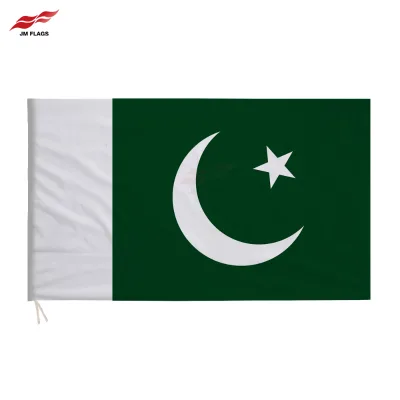
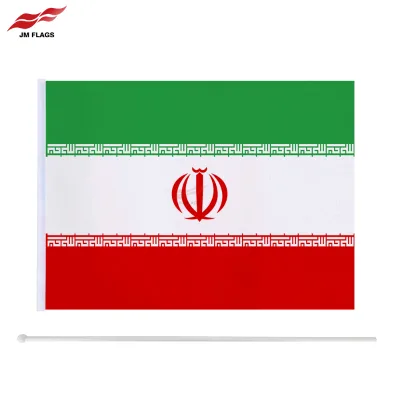
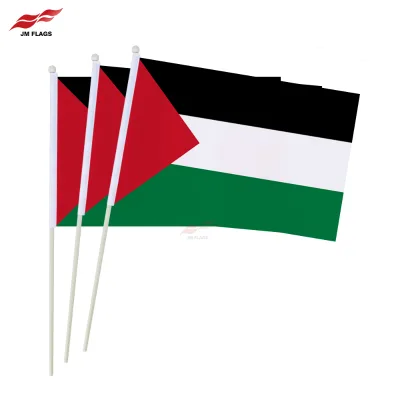
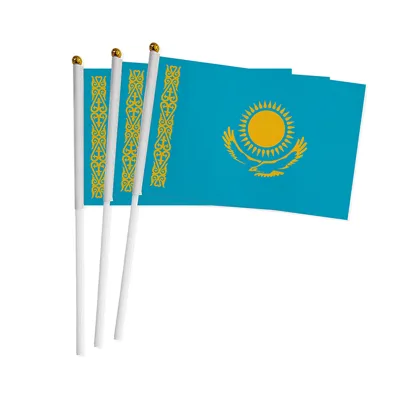
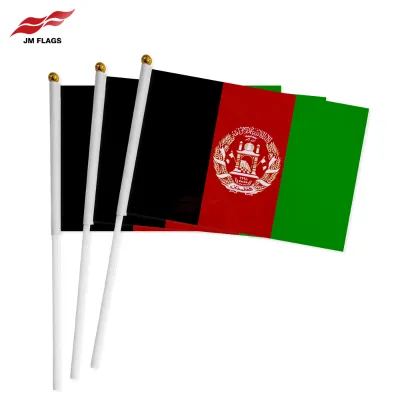
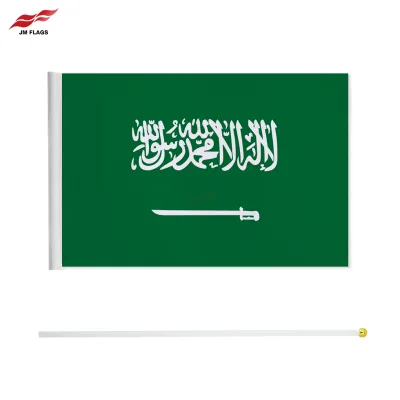
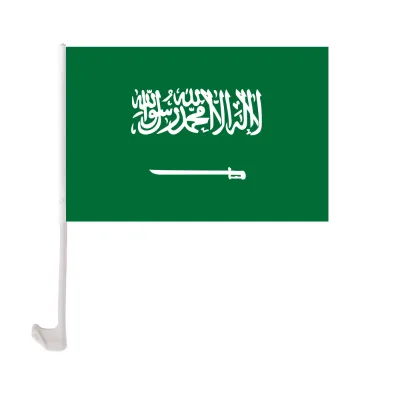
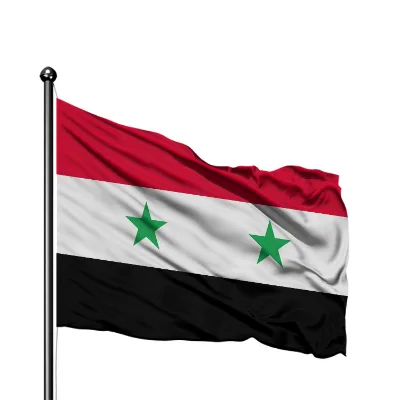
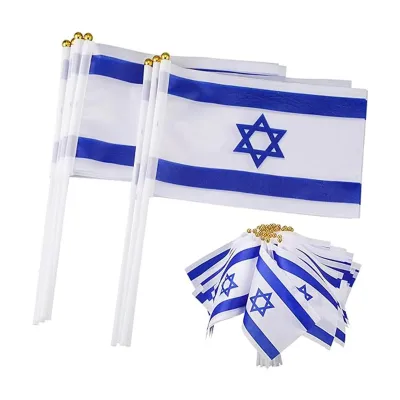
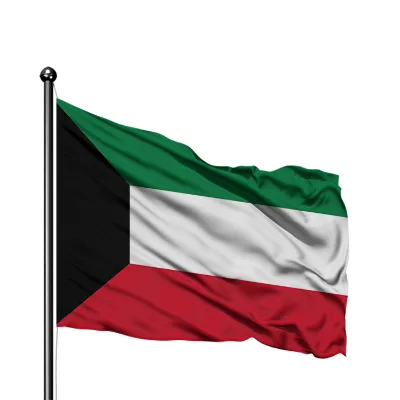


Best Selling Wholesale Customized All Country Hand Held Small Nation Flag
$3.00 - $12.00
MOQ: 1 Pieces


Comprehensive Sourcing Guide
Strategic Sourcing Guide for Custom Logo Kurdistan Hand Flags
Procuring custom logo Kurdistan hand flags requires a nuanced understanding of the intersection between specific regional symbolism, manufacturing capabilities, and the technical constraints of promotional flag products. The market for these items is characterized by a high degree of customization, where the primary value driver is the accurate reproduction of the Kurdistan flag's distinct color palette and the integration of specific organizational logos. Buyers must navigate a landscape where product attributes vary significantly between suppliers, necessitating a rigorous verification process to ensure that the final delivered goods meet both aesthetic and functional requirements. This guide outlines the critical factors for sourcing these items, focusing on material integrity, printing technologies, and supply chain reliability without relying on unverified external claims.
Technical Specifications and Material Composition
The foundation of a successful hand flag order lies in the precise definition of technical specifications. Based on observed product data, the core material for these flags is predominantly polyester, with specific variations such as "Knitted Polyester 110g" and "75D Woven Polyester" appearing in the market. The choice between knitted and woven fabrics impacts the flag's drape, durability, and resistance to tearing. Knitted polyester, often cited with a weight of 110g, typically offers a softer hand feel and better flexibility for waving, whereas woven variants may provide greater structural rigidity. For the Kurdistan flag, where color accuracy is paramount, the fabric must support high-resolution printing without bleeding.
The physical dimensions of the hand flag are equally critical. While some listings indicate standard sizes like 14x21cm or 30x45cm, the prevailing trend for custom orders is toward fully customized dimensions. The standard size specification often allows for variations such as 15x25cm or 30x45cm, but buyers should explicitly define the required footprint to ensure the flag is visible at the intended event scale. The pole or stick component is another vital specification. Observed data points to a 30cm plastic pole with a handle as a common configuration. The material of the pole is consistently noted as plastic, which offers a lightweight and cost-effective solution for handheld use. However, the structural integrity of the connection between the flag and the pole must be verified, as this is a common point of failure during active use.
Printing Technologies and Color Fidelity
The visual representation of the Kurdistan flag and any added custom logos depends heavily on the printing method employed. The market offers two primary technologies: Digital Printing and Silk Screen Printing. Digital printing is often associated with "Full Color/Cmyk" capabilities, allowing for complex gradients and detailed imagery, which is essential for reproducing the intricate details of the flag's sun emblem and the specific shade of red and green. This method is particularly advantageous for small to medium batch orders where color complexity is high.
In contrast, Silk Screen Printing is noted in specific product listings. This method is generally more cost-effective for large volumes and solid color blocks but may struggle with the fine gradients required for high-fidelity flag reproduction. When sourcing custom logo flags, buyers must verify which printing technology is being utilized for their specific design. If the design involves a gradient or a detailed logo overlay on the flag, digital printing is the superior choice. The color specification is often listed as "Color" or "Full Color/Cmyk," but buyers should request physical color swatches to ensure the red and green hues match the official or desired standards, as digital color profiles can vary between manufacturers.
Compliance, Certification, and Safety Standards
While the procurement of promotional flags is generally less regulated than children's toys or medical devices, compliance remains a critical consideration, particularly regarding material safety and environmental standards. Some product listings reference standards such as "Eco-Friendly," "SGS," "ISO," and "EN71." It is important to note that EN71 is a specific safety standard for toys, and its presence in a flag listing suggests the product may be marketed toward children or intended for use in environments where toy safety regulations apply.
Buyers should not assume that all listed products automatically possess these certifications. Instead, the presence of these terms in a product description should serve as a prompt for verification. Procurement teams must request valid, current certification documents from the supplier to confirm that the polyester fabric and the plastic pole components meet the stated environmental and safety criteria. The "Eco-Friendly" claim, in particular, requires substantiation regarding the dyeing process and the recyclability of the materials. Without verified documentation, these claims remain unconfirmed assertions. Additionally, while "CE" is sometimes mentioned in broader contexts, it should not be assumed to apply to all flag products unless explicitly verified for the specific model and region of sale.
Cost Drivers and Pricing Dynamics
The pricing of custom Kurdistan hand flags is influenced by a complex interplay of factors, including material weight, printing complexity, and order volume. The observed price range in the market spans from $0.03 to $100, a wide variance that reflects differences in product quality, size, and customization levels. The lower end of this spectrum typically corresponds to basic, small-sized flags with simple printing and standard plastic poles. The higher end likely encompasses larger flags, premium fabric weights, complex multi-color digital printing, and specialized packaging.
The Minimum Order Quantity (MOQ) is another significant cost driver. Data indicates an MOQ range from 1 to 10,000 units. An MOQ of 1 allows for sampling and very small promotional runs, but the unit cost will be significantly higher due to the setup costs of printing and assembly. Conversely, orders approaching 10,000 units benefit from economies of scale, reducing the per-unit cost. Buyers must balance their budget constraints with their volume needs. The packaging method, such as "1PC/Sucker Bag" or "1PC/Polybag," also impacts the final cost, as more elaborate packaging increases material and labor expenses. Understanding these variables is essential for accurate budget forecasting.
Supplier Evaluation and Production Capabilities
Selecting the right supplier requires a thorough evaluation of their production capabilities and geographic location. The majority of observed products originate from China, with specific mentions of Fujian and Xiamen as production hubs. These regions are known for their textile and promotional product manufacturing infrastructure. However, the specific location should be verified to ensure it aligns with the buyer's logistics and lead time expectations.
Key evaluation criteria include the supplier's ability to handle customization. The market data confirms that "Customization" is available, and "OEM" (Original Equipment Manufacturer) services are offered, allowing for the integration of specific logos and designs. Buyers should assess the supplier's flexibility regarding size, shape, and material choices. The "Shape" is often listed as "Customized" or "Square," indicating that non-standard shapes are possible. Furthermore, the "Delivery Time" is a critical metric; some listings suggest a lead time of 3-5 days, which is exceptionally fast for custom manufacturing. Buyers must treat such claims with caution and verify if this applies to standard stock items or if custom orders require a longer production window.
Quality Control and Functional Testing
Quality control for hand flags involves verifying both the visual and mechanical aspects of the product. The "Characteristics" of the flags often include "Waterproof" and "Sunscreen" properties. These attributes are crucial for outdoor events where the flags may be exposed to rain or direct sunlight. Buyers should request evidence of these claims, such as test reports or material specifications that confirm the fabric's resistance to water absorption and UV degradation. The "Quality" is often described as "Best," but this is a subjective term. Objective quality control should focus on the consistency of the print, the strength of the pole attachment, and the durability of the stitching.
Functional testing should also include a check on the "Usage" and "Suitable for" parameters. These flags are designed for "Decoration" and "Advertising," with a "Function" of "Promotion Gift." The "Style" is typically "Business," implying a professional appearance. To ensure the flag performs as intended, buyers should inspect the "Stick" length and handle ergonomics. A 30cm stick is standard, but the handle grip should be comfortable for extended holding. The "Pole" material, identified as plastic, should be checked for brittleness or cracks, especially if the flag is intended for windy conditions.
Long-Term Procurement and Supply Chain Strategy
For buyers planning long-term procurement of custom Kurdistan hand flags, establishing a reliable supply chain is essential. The "prod_model" identifiers, such as Hand Flag-024L, Stick Flag-003V, and various NF series codes, suggest a catalog of specific SKUs. Maintaining consistency in these models across orders can simplify inventory management and quality assurance. However, the "Customized" nature of the product means that model numbers may change with each design iteration.
Buyers should prioritize suppliers who offer robust "prod_packing" solutions, such as "Carton" or "100PCS/Carton" packaging, to ensure efficient shipping and storage. The "Delivery Time" of 3-5 days, if verified, offers a significant advantage for urgent promotional campaigns, but buyers should have a contingency plan for larger orders that may exceed this timeframe. Long-term relationships with suppliers can also facilitate better pricing and priority production scheduling. Finally, buyers must remain vigilant about the "Standard" of the product, ensuring that any changes in material or manufacturing processes do not compromise the integrity of the Kurdistan flag representation or the added custom logos. By adhering to these structured evaluation criteria, buyers can secure high-quality, compliant, and cost-effective hand flags for their specific needs.
FAQs
What materials are used for custom logo Kurdistan hand flags?
The flags are primarily made from polyester, including knitted 110g and 75D woven variants. Buyers should verify the specific fabric type as it affects durability and drape during outdoor events.
Can I get custom sizes for these hand flags?
Yes, customization is available for size, shape, and design. Standard options include 14x21cm or 30x45cm, but fully customized dimensions are supported to meet specific branding needs.
Which printing methods are available for the flag designs?
Digital printing and silk screen printing are the two main technologies offered. Digital printing supports full color CMYK for complex gradients, while screen printing is suitable for solid color blocks.
What is the minimum order quantity for these flags?
The minimum order quantity ranges from 1 to 10,000 units depending on the supplier. An MOQ of 1 allows for sampling, while larger orders benefit from reduced per-unit costs.
How long does it take to deliver custom hand flags?
Some suppliers offer a delivery time of 3 to 5 days for certain orders. Buyers must verify if this fast lead time applies to custom designs or only standard stock items.
Are these flags waterproof and suitable for outdoor use?
The product characteristics include waterproof and sunscreen properties for outdoor durability. Buyers should request test reports to confirm resistance to water absorption and UV degradation before purchasing.
What standards do the flag materials meet?
Some listings reference Eco-Friendly, SGS, ISO, and EN71 standards for material safety. Buyers must request valid certification documents to verify these claims rather than assuming they apply to all products.