Source Custom Logo Plush Keychain for Gifts, Events, and Promotions
Compare 24 Custom Logo Plush Keychain options from verified Chinese manufacturers. Buyers can evaluate customization features, certifications like CE and ASTM, and pricing to find the right supplier for gifts, events, and promotional needs.
Key considerations
Products List


Custom Stuffed Plush Business Gift Custom Plush Keyring Plushies Keychain
$2.60 - $3.00
MOQ: 100 Pieces

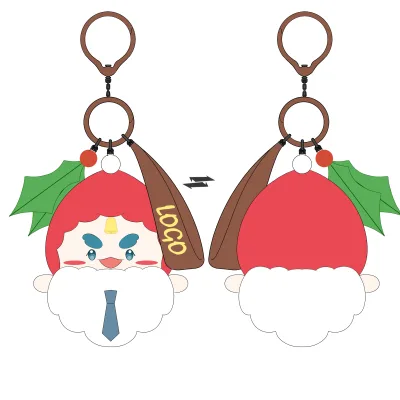
Sloppy Puppy Bag Hanging Ornament Keychain Creative Custom Plush Keychain
$1.99 - $4.99
MOQ: 20 pieces


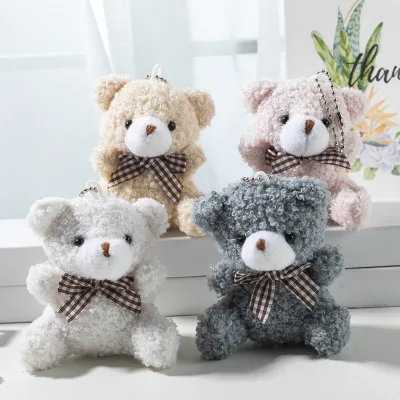
High Quality Custom Plush Toy Keyring Pendant Bear Animals Plush Keychain
$1.37 - $1.49
MOQ: 500 Pieces




Comprehensive Sourcing Guide
Strategic Sourcing Guide for Custom Logo Plush Keychains
Understanding Product Specifications and Customization Capabilities
The procurement of custom logo plush keychains requires a precise understanding of the technical specifications that define the product's physical and aesthetic characteristics. Based on available market data, these items are frequently categorized under custom designs where the modelling source can be animals, plants, or entirely original creations. The primary material composition typically involves a soft, comfortable plush exterior, often described as "soft fun" in style, which is essential for the tactile appeal required in promotional and gift items. The internal structure may utilize a custom lining material to ensure durability and shape retention, while the attachment mechanism is a critical specification. Most observed listings indicate a buckle type hook, often paired with an alloy metal material for the hardware, ensuring the keychain can withstand daily use without breaking.
Customization is a central pillar of this product category. Buyers should expect that the product name, such as "Custom Plush Keychain" or "Customized Plush Doll," is variable based on the specific order. The logo application is frequently achieved through embroidery, a technique that offers a premium look and high durability compared to printed alternatives. The production process is often noted as hand-made, which can introduce slight variations in stitching and shape, a factor that must be accounted for in quality expectations. Sizing is another variable specification; while some listings mention standard sizes like small, the industry standard often supports a wide range including 10cm, 15cm, 20cm, 30cm, 40cm, and 60cm, or fully custom dimensions. The color palette is typically multicolor, allowing for vibrant brand representation. Packaging varies from individual OPP bags to boxed units, with bulk cartons often containing between 30 to 40 pieces per unit, depending on the product density.
Compliance, Certification, and Safety Standards
When sourcing from international markets, particularly from regions like China and Jiangsu, verifying compliance with safety standards is non-negotiable. The market data indicates a high frequency of certifications such as CE, EN71, ASTM, CPSIA, and REACH. These certifications are critical for products intended for children, as they address mechanical safety, flammability, and chemical content. Specifically, the EN71 and ASTM standards are frequently cited as the testing benchmarks for toys and plush items. Buyers must verify that the supplier can provide valid test reports confirming the product meets these specific regional requirements.
In addition to product safety, social compliance and quality management systems are often requested. Certifications such as BSCI (Business Social Compliance Initiative) and ISO9001 are observed in the supply chain, indicating that the manufacturer adheres to specific labor standards and quality management protocols. While the presence of these certifications is a positive indicator, buyers should not assume every listed product automatically satisfies every standard. Instead, procurement teams must request current, valid certificates for the specific production batch. The testing standard mentioned in the context often refers to ASTM/EN71, which covers physical and mechanical properties. It is vital to distinguish between the product's compliance status and the supplier's general facility certifications. For instance, while a supplier may hold an ISO9001 certificate, the specific plush keychain model must be tested against the relevant toy safety standards before it can be legally sold in target markets like the European Union or North America.
Cost Drivers and Pricing Structure Analysis
The pricing structure for custom logo plush keychains is influenced by several dynamic factors, primarily driven by order volume, customization complexity, and material selection. The observed price range in the market spans from $0.05 to $4.99 USD. This wide variance suggests that the final unit cost is highly dependent on the specific configuration of the order. Lower price points are typically associated with simpler designs, standard sizes, and high-volume orders where economies of scale reduce the per-unit cost. Conversely, prices approaching the upper end of the range often reflect complex embroidery work, custom sizing, the use of premium alloy hardware, or smaller order quantities that do not benefit from bulk manufacturing efficiencies.
Minimum Order Quantity (MOQ) is a significant cost driver. The market data shows an observed MOQ range from 20 to 10,000 units, with some specific listings indicating a flexible MOQ of as low as 1 piece for sample or prototype orders. However, for production runs, the MOQ will likely be higher to justify the setup costs for custom molds, embroidery patterns, and packaging. Buyers should anticipate that the "Selling Units" are often listed as single items, but the actual transaction will be bound by the supplier's MOQ. The production time, typically around 20 days or adjusted according to order quantity, also impacts cost. Rush orders may incur expedited fees, while standard lead times allow for more efficient resource allocation. Additionally, the packing method, whether boxed or in bulk cartons, adds to the overall cost structure, as custom packaging design and materials are often charged separately or included in the unit price based on volume.
Typical Applications and Usage Scenarios
Custom logo plush keychains serve a versatile range of applications, making them a popular choice for various marketing and gifting strategies. The primary usage category identified is "Gift," with a specific emphasis on "Kids Gift" and "Birthday" occasions. The soft, comfortable nature of the product makes it an ideal promotional item for children's events, school activities, and family gatherings. The ability to customize the design to include a customer logo allows brands to create memorable giveaways that reinforce brand identity while providing a functional item for the recipient.
Beyond children's gifts, these items are frequently utilized as corporate promotional tools. The "Customized Plush Doll" and "Custom Plush Keychain" variants can be tailored to represent mascots, characters, or abstract brand symbols. The "Style" is often described as "Soft Fun," which appeals to a broad demographic, including adults who appreciate novelty items or collectibles. The "Occasion" field highlights birthdays, but the utility extends to trade shows, conferences, and holiday promotions. The product's portability as a keychain ensures it remains in the user's possession, providing continuous brand exposure. Furthermore, the customization of the "Label or Hang Tag" allows for additional messaging, such as event dates or specific campaign slogans, enhancing the item's value as a marketing asset. The "Usage" as a gift is reinforced by the product's aesthetic appeal and the emotional connection often formed with plush toys.
Supplier Evaluation and Production Capabilities
Evaluating a supplier for custom logo plush keychains requires a thorough assessment of their technical capabilities and operational flexibility. The data indicates that "OEM/ODM" services are widely available, meaning suppliers can manufacture based on buyer-provided designs or offer their own design services. The "Modelling Source" is listed as "Custom," suggesting that suppliers have the capacity to create unique molds or patterns from scratch. Buyers should verify the supplier's experience with "Hand-Made" techniques, as this can affect the consistency and quality of the final product. The "Sample Time" is a critical metric for evaluation, with observed ranges of 3-7 working days or 5-7 working days. A shorter sample time indicates a responsive production line, which is essential for accelerating the procurement cycle.
The "Production Time" is another key indicator of supplier reliability, typically cited as about 20 days, though this can vary according to order quantity. Suppliers with a flexible production schedule can better accommodate rush orders or large-scale campaigns. The "Location" of the supplier, often noted as China or specifically Jiangsu, China, provides context for logistics and shipping considerations. Buyers should also examine the "Packing" capabilities, as the ability to switch between OPP bags, boxes, and bulk cartons demonstrates logistical versatility. The "Logo" application method, specifically embroidery, requires specialized machinery and skilled labor. A supplier's proficiency in this area ensures that the branding is crisp and durable. Finally, the "Product Name" and "Model Number" variations (e.g., HWY000000, WH00000, SD-59) suggest a diverse product catalog, but buyers must ensure the specific model selected aligns with their design requirements and quality expectations.
Quality Control and Long-Term Procurement Considerations
Implementing a robust quality control (QC) strategy is essential for maintaining the integrity of custom logo plush keychains. Given the "Hand-Made" nature of the production, there is an inherent risk of variation in stitching, stuffing density, and color consistency. Buyers should establish clear acceptance criteria based on the "Standard" specifications, such as the 10cm to 60cm size ranges or specific material requirements. The "Test" standard of ASTM/EN71 should be a baseline for all shipments, with third-party inspection reports required before final payment. The "Single Gross Weight" of 0.100kg serves as a reference point for verifying that the stuffing levels are consistent across units.
For long-term procurement, building a sustainable relationship with the supplier is crucial. The "Customization" availability allows for iterative improvements in design and quality over time. Buyers should leverage the "Sample Time" to refine designs before committing to large production runs. The "MOQ" flexibility, ranging from 1 piece to 10,000 units, offers opportunities for phased ordering, reducing inventory risk. However, buyers must be mindful of the "Production Time" and plan orders well in advance to avoid delays. The "Certificate" status, including BSCI and ISO9001, should be reviewed periodically to ensure ongoing compliance. Additionally, the "Lining Material" and "Metal Material" specifications should be locked in the contract to prevent material substitution. By focusing on these technical and operational details, buyers can ensure a steady supply of high-quality custom logo plush keychains that meet both functional and brand standards.
Comparative Analysis of Product Attributes
To facilitate clearer decision-making, the following table summarizes key product attributes observed in the market for custom logo plush keychains. This comparison highlights the variability in specifications that buyers must navigate during the sourcing process.
| Attribute Category | Observed Specification Options | Key Considerations for Buyers |
|---|---|---|
| Material | Plush (Soft Comfortable), Alloy (Hook), Custom Lining | Verify fabric softness and metal durability; check lining for shape retention. |
| Logo Application | Embroidery, Customer Logo | Embroidery offers durability; confirm thread color accuracy and stitch density. |
| Size | Small, 10cm-60cm, Custom | Define exact dimensions; larger sizes may require more stuffing and higher costs. |
| Packaging | OPP Bag, Boxed, 30-40PC/Carton | Select packaging based on retail needs; boxed units often command higher perceived value. |
| Certification | CE, EN71, ASTM, CPSIA, REACH, BSCI, ISO9001 | Ensure certificates match target market regulations; request valid test reports. |
| Production Time | ~20 Days, or per Order Quantity | Factor in lead time for logistics; confirm if rush fees apply for shorter timelines. |
| Sample Time | 3-7 Working Days, 5-7 Working Days | Use samples to validate design; shorter times indicate agile suppliers. |
| MOQ | 1PC, 20-10000 Units | Balance inventory risk with unit cost; negotiate MOQ based on order volume. |
This structured overview underscores the importance of aligning specific buyer requirements with the diverse capabilities of the supply base. By carefully evaluating these attributes, procurement professionals can secure high-quality custom logo plush keychains that effectively serve their intended marketing and gifting purposes.
FAQs
Can I customize the logo on the plush keychain?
Yes, customers can add their own logo via embroidery. This customization is available for both custom plush dolls and keychains, allowing for unique branding on soft, comfortable items.
What certifications do these products typically hold?
Products often carry CE, EN71, ASTM, CPSIA, and REACH certifications. Suppliers may also hold BSCI and ISO9001 certificates to ensure safety and quality management standards are met.
How long does it take to produce an order?
Production time is about 20 days, though it varies by order quantity. Sample preparation requires 3 to 7 working days before full manufacturing begins.
What is the minimum order quantity for these items?
The minimum order quantity ranges from 1 piece for samples up to 10,000 units for bulk orders. Specific MOQs depend on the supplier and customization complexity.
Which materials are used for the keychain hook?
The hook is typically made of alloy metal with a buckle type attachment. The plush body uses soft, comfortable materials with customizable lining for durability.
Can the size of the plush doll be customized?
Yes, sizes can be customized or selected from standard options like 10cm to 60cm. The modeling source is custom, allowing for unique dimensions and shapes.