Source Aluminium Gasoline Auto Engine Assembly for Cars, Generators, and Pumps
Find 30 listings for Aluminium Gasoline Auto Engine Assembly suitable for car repairs, portable generators, and agricultural pumps. Compare specifications such as displacement, cooling type, and cylinder count to identify the right replacement or new unit for your mechanical needs.
Key considerations
Products List


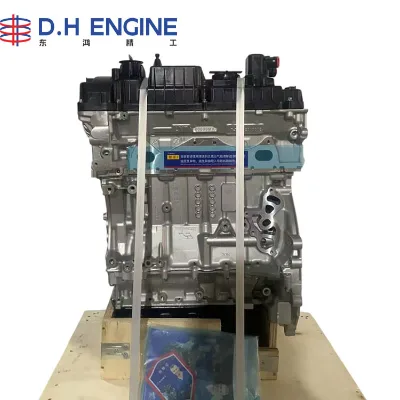


Complete Cylinder Head Assembly for Diesel Gasoline Automotive Engine
$85.00 - $850.00
MOQ: 200 Pieces


Quality Inspection 3y 4y Long Cylinder Automobile Engine Assembly Gasoline Engine Parts
$370.00 - $380.00
MOQ: 1 Pieces

465qb Automobile Engine Brand New High Performance Car Engine Assembly
$160.00 - $170.00
MOQ: 1 Pieces

Factory Car Auto Parts AUK Gasoline Engine Block Complete Engine Assembly for Audi A8 3.2L
$1980.00 - $2480.00
MOQ: 2 Pieces

Factory Car Auto Parts BAR Gasoline Engine Block Complete Engine Assembly for Audi A8 4.2L
$1480.00 - $1980.00
MOQ: 2 Pieces

Manufacturer Car Auto Parts CRE Gasoline Engine Block Complete Engine Assembly for Audi A8
$3800.00 - $4300.00
MOQ: 2 Pieces

Manufacturer Car Auto Parts CLX Gasoline Engine Block Complete Engine Assembly for Audi A6 2.5L
$3280.00 - $3680.00
MOQ: 2 Pieces

$1580.00 - $1980.00
MOQ: 2 Pieces


G4kg 2.4L Car Engine Assembly Auto Parts Motorcycle Engine for Hyundai
$1399.00 - $1599.00
MOQ: 2 Pieces


Comprehensive Sourcing Guide
Aluminium Gasoline Auto Engine Assembly Sourcing Guide
Sourcing an Aluminium Gasoline Auto Engine Assembly requires a disciplined approach to distinguishing between generic small-engine components and complete automotive power units. The market presents a wide spectrum of products, ranging from single-cylinder air-cooled engines typically used in agricultural or light industrial machinery to complex multi-cylinder assemblies designed for passenger vehicles. Buyers must first clarify their specific application, as the engineering requirements for a 1.5L to 1.8L four-cylinder automotive engine differ significantly from those of a single-cylinder four-stroke unit. The material composition, specifically the use of aluminium for the cylinder block and head, is a common thread that offers weight reduction and thermal conductivity benefits, but the internal architecture, cooling systems, and emission standards vary drastically across listings.
This guide focuses on the procurement of complete engine assemblies, emphasizing the verification of technical specifications, compliance documentation, and supplier reliability. While many suppliers offer customization and various engine codes, the buyer must navigate conflicting data points often found in product listings, such as discrepancies between cylinder counts, cooling methods, and displacement figures. The goal is to establish a robust verification framework that ensures the purchased assembly meets the exact mechanical and regulatory needs of the intended vehicle platform, whether for replacement, repair, or new manufacturing integration.
Product Scope and Observed Listing Signals
The current market landscape for aluminium gasoline engines includes a diverse array of products, with observed price ranges spanning from approximately $10 to $10,000 USD and minimum order quantities (MOQs) varying from single units to batches of 200. This wide variance reflects the difference between basic replacement parts for small machinery and complete, high-performance automotive engine assemblies. For instance, listings may describe a single-cylinder, air-cooled, four-stroke engine with a net weight of 13kg, which is typical for small displacement applications, while other listings detail a four-cylinder, water-cooled engine with a displacement of 1.5L to 1.8L and a net weight exceeding 150kg. Buyers must carefully scrutinize these attributes to avoid misinterpreting a small engine component as a complete automotive power unit.
Specific product models observed in the market include the 168F, often associated with single-cylinder configurations, and the L2E15M, which is linked to four-cylinder applications for brands such as LI Auto (L7, L8, L9). These models highlight the importance of matching the engine code to the vehicle platform. The L2E15M, for example, is described with a bore and stroke of 86x78mm, a compression ratio of 8.8, and a rated power output that requires careful interpretation of units (noted as kw/Rpm in some contexts, which may indicate a data entry error for horsepower or kilowatts). Understanding these specific model identifiers is crucial for ensuring compatibility, as the physical dimensions, mounting points, and electronic control unit (ECU) requirements will differ between a 168F and a 1.5L four-cylinder assembly.
Technical Specifications to Verify
When evaluating an aluminium gasoline engine assembly, the first critical step is to verify the cylinder configuration and cooling system. Automotive applications typically require multi-cylinder, water-cooled engines to manage heat dissipation and provide smooth power delivery, whereas single-cylinder, air-cooled engines are generally unsuitable for modern passenger cars due to vibration and thermal limitations. Buyers must confirm the number of cylinders, ensuring that a listing claiming "4 CYLINDER" aligns with the physical inspection or detailed technical drawings. Additionally, the cooling method must be verified; a water-cooled system requires compatible radiators, hoses, and coolant, while an air-cooled system relies on fins and airflow, which dictates the surrounding vehicle design.
Displacement, power output, and torque figures are essential metrics for determining engine performance and compatibility with the vehicle’s transmission and drivetrain. The total displacement should be cross-referenced with the bore and stroke dimensions to ensure accuracy, as discrepancies can indicate mislabeled products or different engine variants. For example, a 1.5L engine may have a total displacement of 1.812L in certain configurations, highlighting the need for precise specification matching. Furthermore, the rated power and maximum torque values must be understood in the correct units (kW or HP) and at the appropriate RPM ranges to ensure the engine meets the vehicle’s performance requirements. Buyers should also verify the ignition mode and fuel type, ensuring that the engine is compatible with the available fuel infrastructure and ignition systems.
Compliance and Safety Documentation
Compliance with emission standards is a non-negotiable aspect of sourcing automotive engines, particularly for replacement or repair purposes in regulated markets. Buyers must verify that the engine assembly meets the required discharge standards, such as Euro II or higher, depending on the target region and vehicle age. The presence of certifications like CE or ISO 9001 indicates that the manufacturer adheres to certain quality management and safety protocols, but these do not automatically guarantee emission compliance for automotive use. It is essential to request official test reports or certification documents that specifically address the engine’s exhaust emissions, as generic quality certifications do not substitute for environmental regulatory approval.
Safety and operational documentation, including user manuals and maintenance guides, are critical for ensuring the long-term reliability of the engine assembly. Buyers should confirm that the supplier provides comprehensive documentation in English, covering installation procedures, torque specifications, and recommended maintenance intervals. The warranty terms, such as a 12-month coverage, should be clearly defined, including the scope of coverage for defects in materials and workmanship. Additionally, buyers must verify the condition of the engine, ensuring that it is listed as "New" and has undergone professional testing, as indicated by claims of "100% Professional Tested." This verification helps mitigate the risk of receiving a refurbished or defective unit that may fail prematurely.
Cost Drivers and Commercial Terms
The cost of an aluminium gasoline engine assembly is influenced by several factors, including the complexity of the engine design, the materials used, and the level of customization available. Multi-cylinder, water-cooled engines with higher displacement and power output typically command higher prices than single-cylinder, air-cooled units. The availability of customization options, such as specific mounting configurations or electronic integration, can also impact the final cost. Buyers should request detailed quotations that break down the cost of the engine, packaging, and any additional components, such as sensors or mounting brackets, to ensure transparency and avoid hidden fees.
Commercial terms, including minimum order quantities (MOQ), payment terms, and lead times, are critical for planning procurement activities. While some suppliers may offer an MOQ of 1, others may require larger orders, which can affect inventory management and cash flow. Buyers should negotiate favorable payment terms, such as partial upfront payment and balance upon shipment, to mitigate financial risk. Additionally, lead times should be confirmed, as delays in production or shipping can disrupt vehicle assembly or repair schedules. The packing method, whether in a single carton or a wooden case, also impacts shipping costs and handling requirements, so buyers should consider these factors when calculating the total landed cost.
Supplier Qualification and Quality Control
Supplier qualification is a vital step in ensuring the reliability and consistency of the engine assembly supply chain. Buyers should verify the supplier’s location and origin, as regions like Taizhou and Henan in China are known for manufacturing automotive components. However, the location alone does not guarantee quality, so buyers must assess the supplier’s production capabilities, quality control processes, and track record. Requesting references or case studies from previous clients can provide insights into the supplier’s reliability and the performance of their products in real-world applications. Additionally, buyers should confirm the supplier’s ability to provide consistent quality across multiple orders, as variations in manufacturing processes can lead to inconsistencies in engine performance.
Quality control measures, such as pre-shipment inspections and testing protocols, are essential for identifying defects before the engine leaves the factory. Buyers should inquire about the specific tests conducted on each engine, including compression tests, leak-down tests, and dynamometer runs, to ensure that the engine meets the specified performance criteria. The use of professional testing equipment and standardized procedures can help ensure that each engine assembly is free from defects and performs as expected. Buyers may also consider third-party inspection services to verify the quality of the engines before shipment, providing an additional layer of assurance and reducing the risk of receiving substandard products.
Long-Term Procurement Checks
Long-term procurement success depends on establishing a robust relationship with the supplier and implementing continuous improvement processes. Buyers should regularly review supplier performance metrics, such as on-time delivery rates, defect rates, and responsiveness to issues, to identify areas for improvement. Open communication channels should be maintained to address any concerns promptly and to discuss potential product enhancements or new models. Additionally, buyers should stay informed about changes in emission regulations and technological advancements in engine design, ensuring that their procurement strategy remains aligned with market trends and regulatory requirements.
Continuous monitoring of the supply chain is essential to mitigate risks associated with raw material shortages, production disruptions, or logistical challenges. Buyers should develop contingency plans, such as identifying alternative suppliers or maintaining safety stock, to ensure business continuity in the event of supply chain disruptions. Furthermore, buyers should invest in training for their technical teams to ensure proper installation, maintenance, and troubleshooting of the engine assemblies, maximizing their lifespan and performance. By adopting a proactive and disciplined approach to procurement, buyers can secure a reliable supply of high-quality aluminium gasoline engine assemblies that meet their operational and regulatory needs.
FAQs
What is the model number for the LI Auto L2E15M engine?
The model number is L2E15M, also identified as prod_model 168F in some listings. This engine is designed for LI AUTO L7, L8, and L9 vehicles. It features a 1.5L displacement and four-cylinder configuration. Buyers should verify the specific variant against their vehicle requirements to ensure compatibility with the intended repair or replacement purpose.
Can the Aluminium Gasoline Auto Engine Assembly be customized?
Yes, customization is available for these engine assemblies. The product attributes indicate that buyers can request specific modifications to meet their needs. This flexibility allows for tailored solutions in automotive repair and replacement scenarios. Buyers should contact suppliers directly to discuss the scope of customization and any potential impacts on lead time or pricing.
What certifications does the engine assembly carry?
The engine assembly carries CE and ISO9001 certifications. These standards indicate compliance with European safety and quality management systems. The CE mark is essential for market access in many regions. Buyers should request valid certification documents from suppliers to verify authenticity and ensure the product meets regulatory requirements for their specific destination market.
What is the net weight of the engine assembly?
The net weight is listed as 13kg in some specifications and 154kg in others. This discrepancy may arise from different product variants or packaging definitions. The gross weight is noted as 174kg in detailed listings. Buyers must clarify the exact weight with the supplier to calculate accurate shipping costs and handle logistics planning effectively for their orders.
Which car models are compatible with this engine?
This engine is compatible with LI AUTO L7, L8, and L9 models. It is designed specifically for these vehicles as a replacement or repair part. The engine type is gasoline with four cylinders. Buyers should confirm the exact model year and trim level with the supplier to ensure perfect fitment and performance matching for their specific vehicle application.
What is the warranty period for the engine?
The warranty period is 12 months for the engine assembly. This coverage provides assurance for the product's quality and performance. Buyers should review the warranty terms carefully, including coverage scope and claim procedures. It is advisable to confirm the warranty details with the supplier before purchase to understand the support available in case of defects or issues.