Source Custom Simulation Plush Toy for Gifts, Events, and Promotions
Compare 22 Custom Simulation Plush Toy options featuring soft materials, customizable logos, and various animal styles. Buyers can evaluate specifications like size, function, and certifications to find suitable suppliers for gifts, events, and promotional campaigns; compare the available evidence and request quotations based on your requirements.
Key considerations
Products List




Comprehensive Sourcing Guide
Custom Simulation Plush Toy Sourcing Guide
Sourcing custom simulation plush toys requires a strategic approach that balances creative design with rigorous manufacturing standards. Buyers must recognize that these products are not off-the-shelf items but rather highly customizable goods where every element, from the modeling source to the final packing, is tailored to specific requirements. The market offers a wide range of options, including standing animals, sitting bears, and hedgehog designs, each with unique plush lengths and functional features like sound or light integration. Understanding these variations is the first step in defining a clear procurement specification that aligns with your brand’s identity and target audience expectations.
The procurement process for these items involves navigating complex customization parameters, including OEM and ODM capabilities, logo printing, and specific material choices such as cotton filling. Buyers should be prepared to engage in detailed discussions with suppliers regarding technical specifications, such as product models and standard dimensions, to ensure the final output matches the intended use case. Whether the goal is a gift item for children aged three to eight years or a general unisex product, the level of detail in the initial brief will significantly impact the quality and accuracy of the delivered goods.
Product Scope and Observed Listing Signals
The current market landscape for custom simulation plush toys reveals a diverse array of product types, ranging from short plush toys to full-sized standing animals. Listings indicate a strong emphasis on customization, with suppliers offering services that allow buyers to define the modeling source, whether it be animals or custom designs. The observed product attributes highlight a focus on soft, comfortable materials, often filled with cotton, and available in casual colors. This flexibility allows brands to create unique merchandise that stands out in a crowded marketplace, catering to specific niche markets or broad consumer bases with tailored aesthetic choices.
Commercial signals from the market suggest a wide variability in minimum order quantities and pricing structures, with observed MOQs ranging from one to one thousand units. This range accommodates both small-scale testing and large-volume production runs, providing buyers with the flexibility to scale their operations as needed. Additionally, the presence of various product models, such as HW000000 and WH00000, indicates that suppliers maintain a catalog of base designs that can be modified. Buyers should carefully review these model numbers and associated specifications to ensure they are selecting the most appropriate starting point for their custom requirements, avoiding unnecessary modifications that could increase costs or lead times.
Technical Specifications to Verify
When verifying technical specifications, buyers must pay close attention to the physical attributes of the plush toys, including their size, weight, and internal filling. The supplied data indicates that weight and size are often customizable, with some products specified as having a casual size or specific dimensions like 604050. It is crucial to confirm the plush length, whether it is short or standard, and the specific animal type, such as a teddy bear or hedgehog, to ensure the product meets the desired tactile and visual standards. Additionally, functional features like sound and light mechanisms should be clearly defined, as these add complexity to the manufacturing process and require specific quality checks.
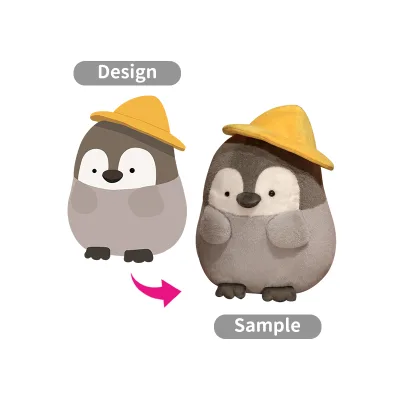
Packaging and labeling are also critical technical aspects that need precise verification. Suppliers may offer various packing options, from individual polybags to boxed sets, with carton quantities ranging from thirty to forty pieces. Buyers must specify their preferred packaging method to ensure product protection and ease of distribution. Furthermore, the inclusion of custom labels or hang tags, along with logo printing or customer logos, requires clear artwork submission and approval processes. Confirming these details early in the procurement cycle helps prevent discrepancies between the sample and the final production run, ensuring that the final product aligns perfectly with the brand’s visual identity.
Compliance and Safety Documentation
Compliance and safety are paramount when sourcing plush toys, particularly those intended for children. The market data highlights several key certifications, including CE, EN71, ASTM, CPSIA, and REACH, which are essential for ensuring the product meets international safety standards. Buyers must verify that their chosen supplier can provide valid documentation for these certifications, as they are often required for customs clearance and retail distribution in various markets. The presence of BSCI and ISO9001 certificates further indicates a supplier’s commitment to ethical labor practices and quality management systems, which are important for maintaining brand reputation and operational integrity.
In addition to certifications, buyers should request specific test reports to validate the safety of materials and construction. The supplied information mentions ASTM and EN71 testing standards, which are critical for assessing the physical and mechanical properties of the plush toys. It is advisable to ask for recent test results from accredited laboratories to ensure that the products are free from harmful substances and meet durability requirements. By prioritizing suppliers with robust compliance documentation, buyers can mitigate the risk of product recalls and legal issues, ensuring that their custom plush toys are safe for end-users and compliant with regulatory requirements in their target markets.
Cost Drivers and Commercial Terms
Understanding the cost drivers for custom simulation plush toys is essential for effective budgeting and negotiation. Key factors influencing price include the complexity of the design, the choice of materials, and the level of customization required. For instance, products with integrated sound or light features, or those requiring specific animal modeling, may incur higher production costs compared to standard designs. Additionally, the minimum order quantity plays a significant role in pricing, with larger orders typically benefiting from economies of scale. Buyers should request detailed quotations that break down costs by component, such as materials, labor, and packaging, to identify areas where savings can be achieved without compromising quality.
Commercial terms, including sample times and production lead times, also impact the overall procurement strategy. The observed sample times range from three to twenty working days, depending on the complexity of the customization. Production times are generally around twenty days, but this can vary based on order quantity and supplier capacity. Buyers should negotiate clear terms for sample approval and production schedules to ensure timely delivery. Furthermore, understanding the payment terms and any additional fees for logo printing or custom packaging is crucial for avoiding unexpected costs. By establishing transparent commercial terms, buyers can maintain control over their procurement timeline and budget.
Supplier Qualification and Quality Control
Supplier qualification is a critical step in ensuring the reliability and quality of custom simulation plush toys. Buyers should conduct thorough due diligence to assess the supplier’s manufacturing capabilities, quality control processes, and compliance with ethical standards. The presence of ISO9001 and BSCI certifications is a positive indicator, but buyers should also request factory audits or third-party inspections to verify these claims. It is important to evaluate the supplier’s experience with similar products, their ability to handle custom designs, and their track record for meeting deadlines. By selecting a qualified supplier, buyers can reduce the risk of production delays and quality issues.
Quality control measures should be integrated into the procurement process from the initial sample stage to the final shipment. Buyers should establish clear quality standards and inspection criteria, including checks for stitching, filling distribution, and functional features like sound and light mechanisms. Requesting pre-shipment inspections is highly recommended to ensure that the final products meet the agreed-upon specifications. Additionally, maintaining open communication with the supplier regarding any quality concerns allows for timely corrective actions. By implementing robust quality control protocols, buyers can ensure that their custom plush toys meet the highest standards of quality and customer satisfaction.
Long-Term Procurement Checks
Long-term procurement success with custom simulation plush toys requires ongoing monitoring and relationship management. Buyers should regularly review supplier performance metrics, such as on-time delivery rates, product quality consistency, and responsiveness to issues. Establishing a structured feedback loop allows for continuous improvement and helps identify potential problems before they escalate. Additionally, staying informed about changes in safety regulations and market trends ensures that the products remain compliant and relevant. By maintaining a proactive approach to supplier management, buyers can build a resilient supply chain that supports their brand’s growth and customer expectations.
Furthermore, buyers should periodically reassess their sourcing strategy to identify opportunities for cost optimization and innovation. This may involve exploring new materials, designs, or manufacturing techniques that can enhance product value or reduce expenses. Engaging in regular business reviews with suppliers can foster collaboration and lead to mutually beneficial improvements. It is also important to diversify the supplier base to mitigate risks associated with single-source dependencies. By continuously evaluating and refining their procurement practices, buyers can ensure long-term success and competitiveness in the custom plush toy market.
FAQs
Can I customize the logo on Custom Simulation Plush Toy orders?
Yes, customers logo printing is available for your Custom Simulation Plush Toy orders. You can provide your own design for application. The sample time for these customized items is typically 3-7 working days. This allows you to verify the logo placement and quality before committing to the full production run for your brand.
What certifications do custom simulation plush toys typically hold?
Custom simulation plush toys generally hold CE, En71, ASTM, Cpsia, and Reach certifications. These standards ensure safety for children and compliance with international regulations. The products also undergo ASTM/En71 testing to verify quality. This documentation is essential for importing into regulated markets and ensures the plush materials are safe for gifting.
What is the typical production time for custom simulation plush toys?
The production time is about 20 days, or according to order quantity. This timeline allows for the hand-made crafting and customization of each item. Sample preparation takes 3-7 working days, while larger orders may require additional time. This schedule ensures quality control and accurate fulfillment of your specific design requirements.
What is the MOQ for Custom Simulation Plush Toy manufacturing?
The MOQ for Custom Simulation Plush Toy manufacturing is 1000 units. This minimum order quantity applies to standard customization processes. Prices range from 0.5 to 9 USD per unit depending on complexity. This threshold ensures efficient production runs while allowing for significant customization in design, packaging, and branding for your specific needs.
How are custom simulation plush toys packaged for shipment?
Custom simulation plush toys are packaged in various ways, including boxed, 1 PCS a Ploybag, or OPP Bag. Standard cartons contain 30-40 pieces. The packing method can be customized to meet your logistics requirements. This flexibility ensures safe transit and convenient storage for retailers, while maintaining the soft and comfortable quality of the plush material.
What materials are used in custom simulation plush toys?
Custom simulation plush toys typically use cotton filling for softness and comfort. The exterior is made from high-quality plush fabric that is durable and safe. These materials are selected to meet strict safety standards like ASTM and En71. The combination ensures a pleasant tactile experience for users while maintaining the structural integrity of the toy design.