Source Custom Shapes Embossed Sticker for Gifts, Labels, Packaging
Compare 30 listings for Custom Shapes Embossed Sticker options featuring waterproof, heat-resistant, and eco-friendly materials. Buyers can review specifications like PET and paper substrates, various printing methods, and customization capabilities for personal decorations, promotion gifts, and shipping labels.
Key considerations
Products List








Comprehensive Sourcing Guide
Strategic Sourcing Guide for Custom Shapes Embossed Stickers
Understanding Technical Specifications and Material Foundations
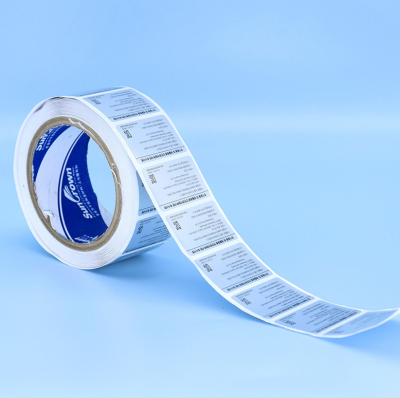
When sourcing custom shapes embossed stickers, the primary objective is to align the physical properties of the product with the intended application environment. The supply landscape for these items is diverse, ranging from adhesive labels for consumer electronics to decorative vinyl sheets for personal use. A critical starting point is the material selection, which dictates the sticker's durability and performance. Available options in the current market include PET (Polyethylene Terephthalate) and Paper. PET is frequently cited for applications requiring high durability, such as those used in consumer electronics or industrial settings, offering inherent resistance to water, oil, and heat. Conversely, paper-based options are often selected for cost-sensitive applications or where a more traditional aesthetic is required, though they may lack the robustness of synthetic materials.
The embossing process itself is a specific surface finishing technique that adds a three-dimensional texture to the sticker. While the provided data highlights general surface finishing options like glossy or matte lamination, the embossing feature requires specific tooling and press adjustments. Buyers must verify that the supplier possesses the machinery capable of creating these raised designs without compromising the structural integrity of the adhesive layer. The shape of the sticker is another pivotal specification. The market supports "Custom Shapes," allowing for intricate die-cutting that goes beyond standard squares or circles. This capability is essential for branding purposes where the sticker shape itself serves as a logo or unique identifier. The size is similarly customizable, often adhering to client-specific requirements rather than fixed dimensions, though standard single package sizes like 10x10x10 cm are common for shipping and storage efficiency.
Compliance, Certification, and Regulatory Alignment
Navigating the regulatory landscape is a non-negotiable aspect of B2B procurement, particularly when stickers are intended for food, medicine, or international commerce. The presence of ISO and CE certifications in the product data indicates that certain suppliers adhere to international management and safety standards. ISO certification generally suggests a commitment to quality management systems, ensuring consistent production processes. CE marking implies that the product meets EU health, safety, and environmental protection standards, which is vital for exporters targeting European markets. However, buyers must exercise caution; the presence of these certifications in general product descriptions does not guarantee that every specific SKU or custom order holds current valid status.
For applications involving food contact or pharmaceuticals, additional verification is required. While the data lists "Eco-Friendly" as a feature, this is a broad claim that requires substantiation through specific material safety data sheets (MSDS) or compliance certificates for food-grade adhesives and inks. The "FSC" (Forest Stewardship Council) certification is mentioned in background contexts but should not be assumed as a standard attribute without explicit confirmation from the supplier. If the procurement involves sustainable sourcing mandates, the buyer must explicitly request FSC-certified paper options. Furthermore, for products intended for retail packaging, compliance with local labeling laws regarding ingredient disclosure and barcode readability is essential. The "Anti-Counterfeit" and "Barcode" features listed suggest that some stickers are designed with security in mind, but the specific technology (e.g., holographic, scratch-off) must be defined in the technical specification sheet to ensure it meets the required security level.
Cost Drivers and Pricing Dynamics
The pricing structure for custom shapes embossed stickers is influenced by a complex interplay of variables, including material costs, order volume, and the complexity of the design. The observed market price range for these items is notably low, spanning from 0 to 5 USD, which suggests that unit costs are highly sensitive to quantity. This pricing model is typical for adhesive products where the marginal cost of materials is low, but the setup costs for custom tooling and printing plates are significant. Consequently, the Minimum Order Quantity (MOQ) acts as a primary cost driver. Data indicates a wide range of MOQs, from as low as 100 pieces to as high as 10,000 pieces.
| Factor | Impact on Cost | Verification Requirement |
|---|---|---|
| Material Type | PET is generally more expensive than paper due to durability and chemical resistance. | Confirm material grade and thickness specifications. |
| MOQ Volume | Higher volumes significantly reduce the per-unit cost by amortizing setup fees. | Negotiate tiered pricing based on projected annual volume. |
| Customization | Custom shapes and embossing require unique dies and tooling, adding upfront costs. | Request a detailed breakdown of tooling fees vs. unit price. |
| Printing Method | Complex methods like UV digital printing or hot stamping incur higher processing costs. | Specify the exact printing handling required for the design. |
| Lead Time | Rush orders (e.g., 5-7 workdays) may carry a premium compared to standard timelines. | Confirm if the standard lead time includes artwork approval. |
The "Custom Order" acceptance policy indicates flexibility, but buyers should be aware that accepting custom requests often triggers a higher MOQ or a setup fee. The "Free Sample" availability is a crucial cost-saving measure, allowing buyers to validate quality before committing to a large production run. However, the cost of shipping samples should be factored into the total procurement budget. Additionally, the "Single gross weight" of 0.060 kg per item highlights the importance of logistics planning; while individual units are light, bulk shipments can become heavy, affecting freight costs.
Typical Applications and Usage Scenarios
The versatility of custom shapes embossed stickers is evident in the wide array of usage scenarios documented in the market data. These products serve functions ranging from purely decorative to strictly functional. In the realm of personal and commercial decoration, stickers are used for home decor, souvenirs, and collection items. The "Creative" style and "Custom Shapes" attributes make them ideal for branding campaigns, promotional gifts, and commerce gifts where visual impact is paramount.
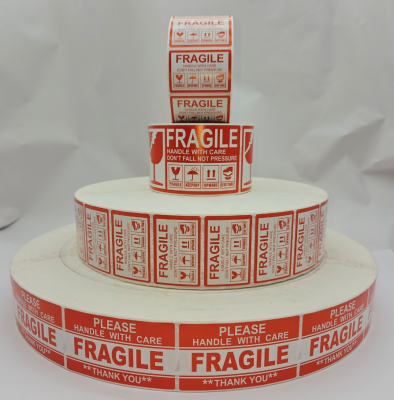
Functionally, the data points to significant usage in the packaging and labeling sectors. Specific applications include bottled beverages, shipping labels, food packaging, price tags, and pharmaceutical labeling. The "Heat-resistant" and "Waterproof" features are particularly critical for these applications, ensuring that labels remain legible and adhered even in cold storage or humid environments. For the consumer electronics industry, nameplates and labels must withstand industrial use, often requiring "Oil Proof" and "Strong Stickiness" to survive in manufacturing or retail environments. The "Religious Crafts" category suggests a niche market for culturally specific designs, while the "Custom Sticker" designation covers a broad spectrum of branding needs.
The distinction between "Personal Decorations" and "Industrial Use" is important for procurement strategy. A buyer sourcing for a promotional event might prioritize aesthetic features like "Gold Stamping" or "Holographic" effects, whereas a buyer sourcing for a beverage company must prioritize the "Food" and "Medicine" compliance aspects and the durability of the adhesive. The "Embossed" aspect adds a tactile dimension that is often used to enhance brand perception, making the product feel more premium or tactilely engaging for the end-user.
Supplier Evaluation and Operational Capabilities
Evaluating a supplier for custom embossed stickers requires a deep dive into their manufacturing capabilities and operational flexibility. The location of the supply chain, specifically "Guangdong, China," indicates a mature manufacturing hub with access to advanced machinery and a dense network of raw material suppliers. This region is known for its proficiency in printing and packaging, offering a competitive advantage in terms of production speed and cost efficiency. However, buyers must verify the specific machinery capabilities of the supplier. The data lists various printing handling methods, including "Laser Printing," "Die Cutting Printing," "Etching," "Thermal Transfer Printing," and "Offset Silkscreen Printing." A capable supplier should be able to demonstrate proficiency in the specific combination of these technologies required for the embossed design.
The "Lead time" of 5-7 workdays after artwork confirmation and payment is a standard benchmark, but it is contingent on the complexity of the order. Buyers should confirm whether this timeline includes the time required for die creation and sample approval. The "Single package size" and "Packing" methods (Plastic Bag + Carton) are standard, but for custom orders, the packaging might need to be modified to protect the embossed surfaces during transit. Supplier evaluation should also include a review of their quality control processes. The "High Quality" attribute is a common claim, but it must be backed by a defined quality assurance protocol. Buyers should request a Quality Control (QC) plan that outlines how defects like misalignment, poor adhesion, or color variation are detected and handled.
Quality Control and Long-Term Procurement Strategy
Ensuring consistent quality in custom embossed stickers requires a rigorous quality control framework. The "Feature" list includes attributes like "Water Proof," "Anti-Ultraviolet," and "Scratch-Off," which are performance claims that must be validated through testing. For long-term procurement, buyers should establish clear acceptance criteria based on these features. For instance, if "Water Proof" is a requirement, the supplier should provide test results or a guarantee that the adhesive and material will not degrade when exposed to moisture. The "Eco-Friendly" claim also warrants verification, especially if the buyer has sustainability goals. This may involve requesting documentation on the recyclability of the materials or the environmental impact of the printing inks.
Long-term procurement considerations also involve the scalability of the supplier. As the buyer's demand grows, the supplier must be able to maintain consistent quality and lead times. The "Customized" nature of the product means that any changes in design or material must be carefully managed to avoid production errors. A robust communication channel is essential for managing these changes. Additionally, the "Free Sample" policy should be leveraged not just for initial vetting but for ongoing quality checks. Periodic sampling from production batches can help identify drifts in quality over time. Finally, the "Brand Name" and "Model Number" details provided in the data suggest that some suppliers offer branded solutions. Buyers should clarify whether the branding is exclusive to them or if the supplier sells similar designs to competitors, which could impact the uniqueness of the final product.
Conclusion
Sourcing custom shapes embossed stickers is a multifaceted process that demands attention to technical specifications, regulatory compliance, and supplier capabilities. By leveraging the available data on materials, certifications, and production processes, buyers can make informed decisions that align with their specific needs. The key to success lies in clear communication, rigorous quality control, and a strategic approach to cost management. Whether the application is for decorative purposes, industrial labeling, or promotional campaigns, the ability to customize shapes, materials, and finishes ensures that the final product meets the highest standards of performance and aesthetics.
FAQs
What certifications do custom shapes embossed stickers have?
These stickers typically hold ISO and CE certifications to ensure quality and safety standards. Buyers should verify specific document validity for each order, as certifications apply to the supplier's process rather than every individual SKU automatically.
Can I order custom shapes and sizes for these stickers?
Yes, suppliers accept custom shapes and sizes to meet specific branding or functional needs. The production process utilizes die-cutting and machinery to create unique forms, with single package sizes often standardized for shipping efficiency.
How long is the lead time for custom sticker orders?
The standard lead time is 5 to 7 workdays after artwork confirmation and payment receipt. This timeline assumes the supplier has the necessary machinery and that the design does not require complex additional tooling beyond standard setups.
Which materials are used for durable custom embossed stickers?
Common materials include PET and paper, depending on the required durability and application. PET is preferred for industrial or waterproof uses, while paper suits cost-sensitive or decorative scenarios, both supporting features like heat resistance and oil proofing.
What is the minimum order quantity for these stickers?
Minimum order quantities vary, with observed ranges starting from 100 pieces up to 10,000 pieces. The specific MOQ depends on the supplier, material choice, and customization complexity, often influencing the unit price significantly.
Can I get free samples before placing a large order?
Many suppliers offer free samples to allow buyers to validate quality and design accuracy. While the sample itself may be free, shipping costs and specific customization requirements for the sample should be confirmed with the vendor prior to request.