Source Custom Wooden Handbag Handle for purses, bags, and accessories
Compare 30 listings for Custom Wooden Handbag Handle options with varied sizes, shapes, and finishes. Buyers can evaluate specifications like polished techniques, OEM availability, and packaging details to find the right fit for their projects; compare the available evidence and request quotations based on your requirements.
Updated
Key considerations
Products List
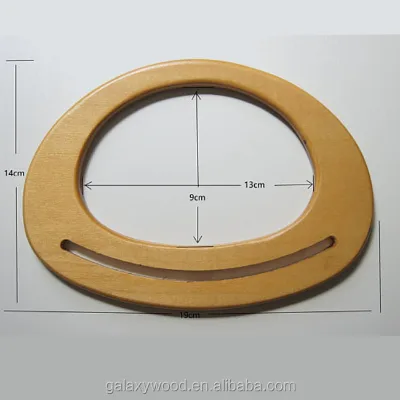
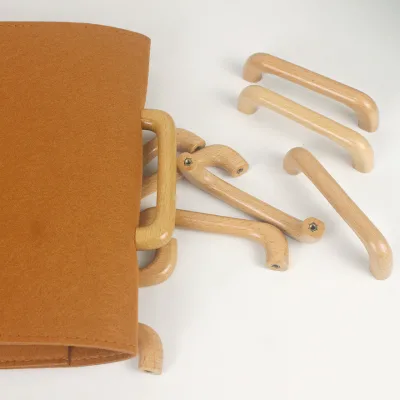
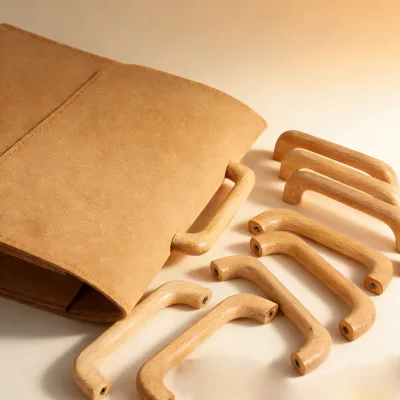
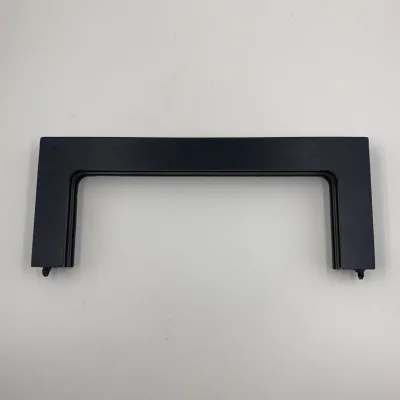
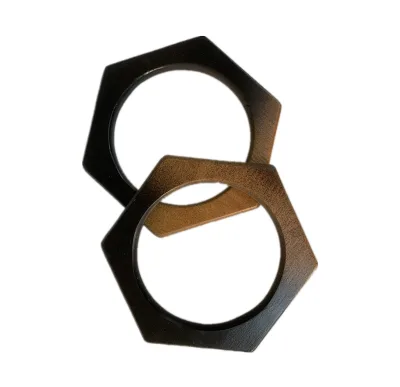
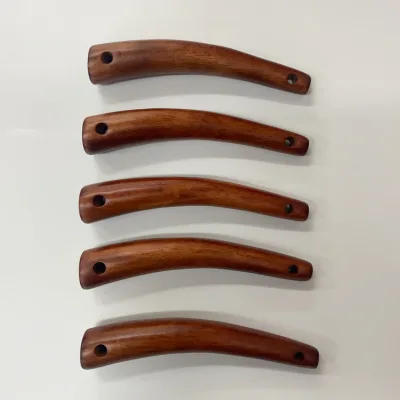
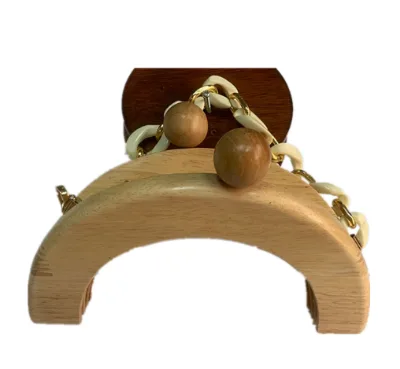
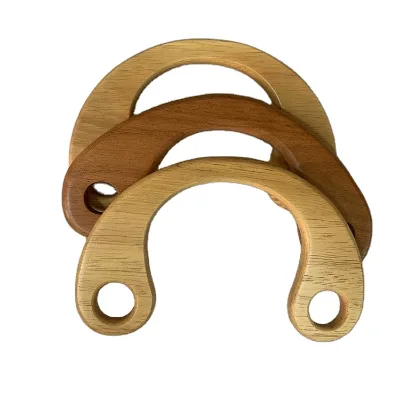
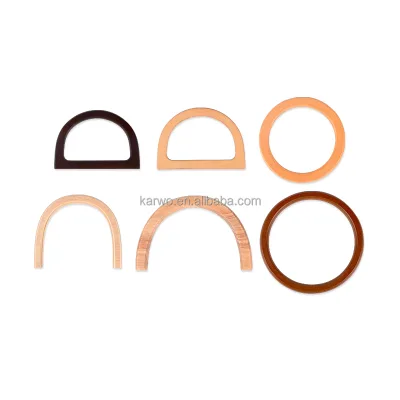
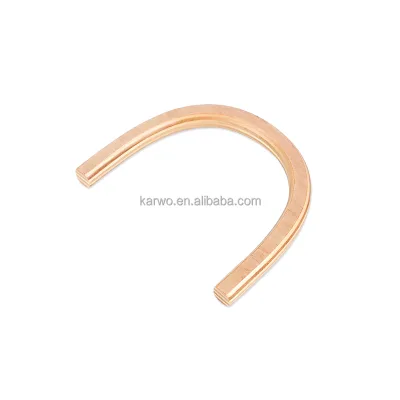


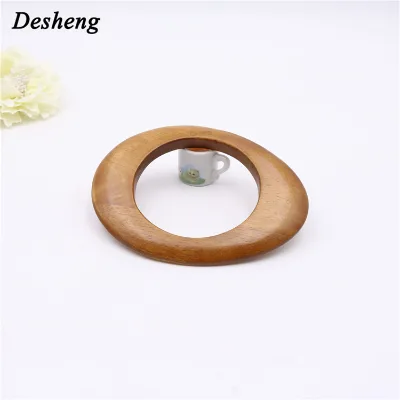
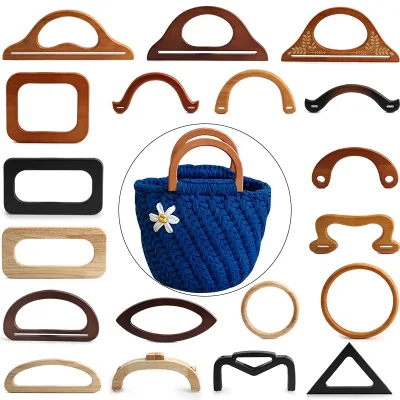
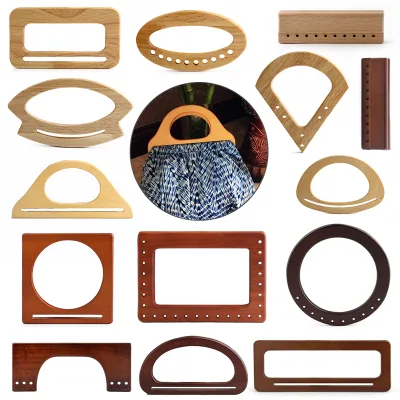
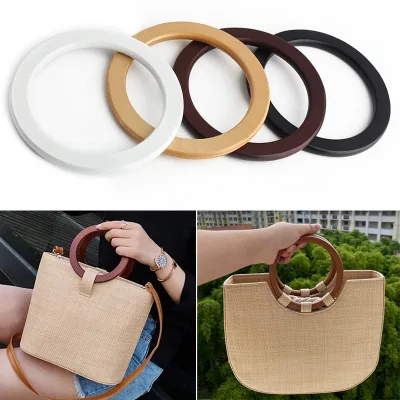
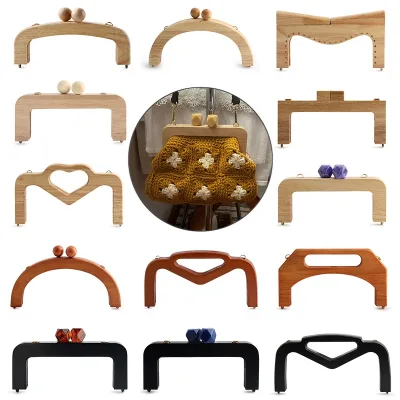
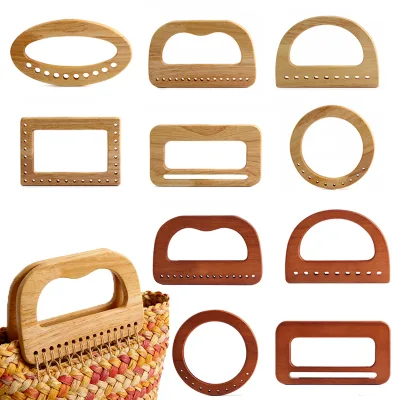
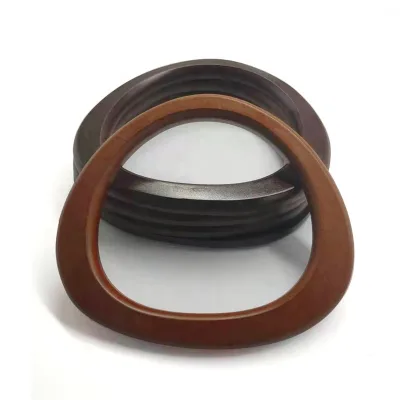
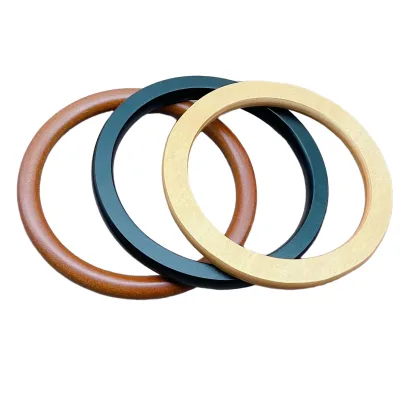
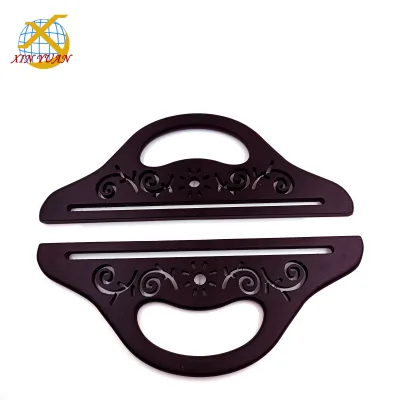
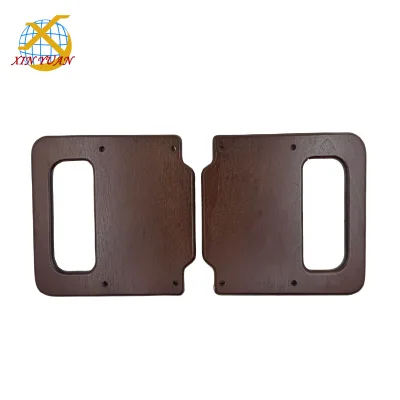
Wholesale Brown Women Handbag Handle for Handbag Wooden Frame Handles
$0.2084 - $2.5903
MOQ: 200 Minimum
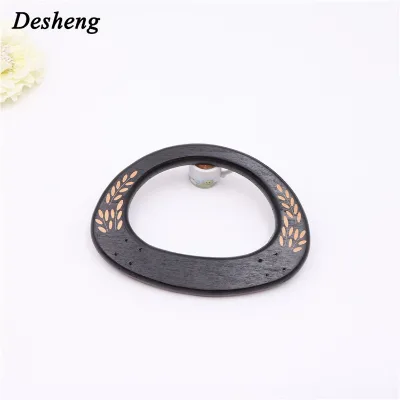
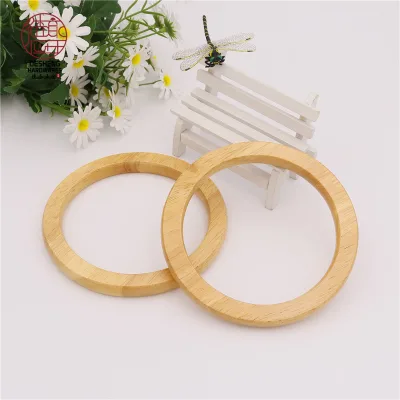
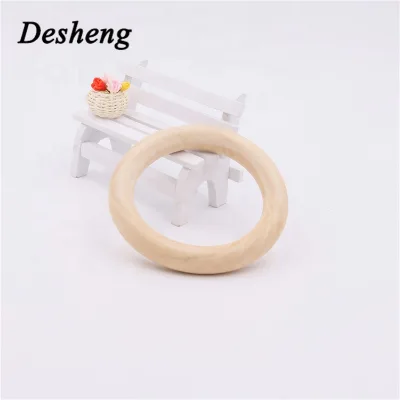
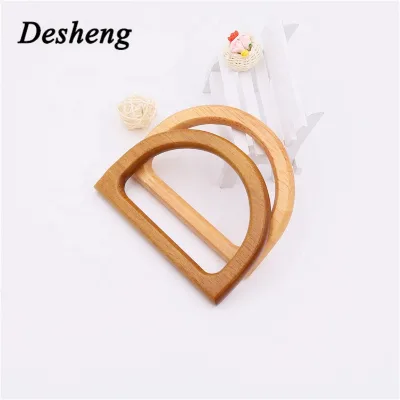



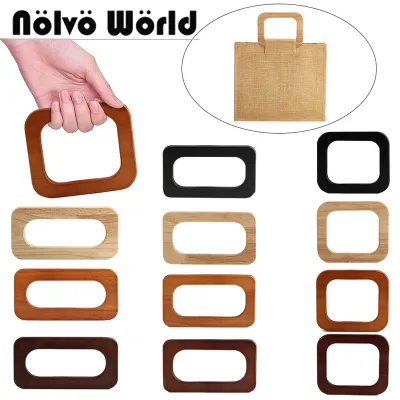
Comprehensive Sourcing Guide
Custom Wooden Handbag Handle Sourcing Guide
Sourcing custom wooden handbag handles requires a strategic approach that balances aesthetic customization with structural integrity. Buyers must recognize that these components serve as both functional hardware and primary design statements, influencing the perceived value of the final accessory. The market offers a wide variety of styles, ranging from polished, fashion-forward designs to natural, classic finishes, allowing brands to align the hardware with their specific seasonal themes or brand identity.
Procurement teams should prioritize suppliers who demonstrate flexibility in OEM and ODM services, as off-the-shelf options rarely meet unique brand requirements. The ability to customize shapes, colors, and sizes is critical for creating distinctive products. Buyers must also consider the logistical implications of sourcing from specific manufacturing hubs, such as Guangdong, China, where supply chain efficiency and material availability often converge to support high-volume production needs.
Product Scope and Observed Listing Signals
The current market landscape for custom wooden handles reveals a diverse range of product types, including specific models like GW-999 and HHWL, which cater to different aesthetic and functional needs. Listings indicate that these handles are often marketed as accessories for cosmetic bottles or general bag applications, suggesting versatility in their end-use. The observed product attributes highlight a strong emphasis on customization, with options for various shapes, colors such as beige, black, or two-color finishes, and styles described as fashion or classic.
Price points for these items vary significantly, with observed ranges extending from low-cost options to premium-priced hardware, reflecting differences in material quality and craftsmanship. Minimum Order Quantities (MOQs) typically start at 500 pieces but can extend to 1,000 pieces or more, indicating that suppliers prefer bulk commitments to justify the setup costs associated with custom wood processing. Buyers should note that single package sizes and gross weights vary widely, impacting shipping calculations and inventory management strategies.
Technical Specifications to Verify
Verifying technical specifications is essential to ensure that the wooden handles meet the structural demands of the intended handbag. Key attributes to confirm include the exact model number, such as UIH107 or M1115, and the precise dimensions, which may range from 12cm to 25cm in length. Buyers must also verify the material composition, ensuring that the wood is treated appropriately for durability and resistance to environmental factors, as some listings specify "wooden product" or "woodenproduct" without detailing the species or treatment process.
Packaging dimensions and single gross weights are critical for logistics planning, with observed package sizes ranging from compact 10x10x10 cm boxes to larger 65x35x30 cm cartons. The technique used, such as polishing, affects the final texture and appearance, so buyers should request physical samples to assess the finish quality. Additionally, confirming the brand name, whether it is San Rui or Shengge Shi, helps in tracing the supply chain and understanding the manufacturer's reputation for consistency in production standards.
Compliance and Safety Documentation
While specific certification statuses are not explicitly confirmed in the available data, buyers must proactively request documentation to ensure compliance with international safety and quality standards. Standards such as ISO 105, ISO 2859, and ASTM B117 are relevant for textile and material testing, though their direct applicability to wooden hardware depends on the specific finish and coating used. Buyers should verify that any stains, varnishes, or adhesives used in the production process meet REACH or RoHS regulations, particularly if the handbags are intended for the European or North American markets.
It is crucial to ensure that the wooden components do not pose risks such as splintering or sharp edges, which could lead to product liability issues. Buyers should ask for test reports related to mechanical strength and surface finish durability. Even if general standards are not listed, suppliers should be able to provide evidence that their products undergo rigorous quality checks, ensuring that the handles are safe for consumer use and meet the specific regulatory requirements of the destination country.
Cost Drivers and Commercial Terms
Several factors influence the final cost of custom wooden handbag handles, including the complexity of the design, the type of wood used, and the volume of the order. Custom shapes and specialized finishes, such as polished or two-color designs, typically incur higher tooling and labor costs compared to standard shapes. The MOQ requirements, often set at 500 or 1,000 pieces, also play a significant role in pricing, as larger orders allow suppliers to optimize production efficiency and reduce per-unit costs.
Lead times are another critical commercial term, with sample lead times observed to be between 7 and 9 days. Buyers must account for this initial period when planning their production schedules, as it does not include the time required for mass production. Additionally, shipping costs can vary significantly based on the single gross weight and package dimensions, so buyers should negotiate clear Incoterms to understand who bears the risk and cost of transportation. Clear communication regarding payment terms and potential additional fees for design changes is essential to avoid unexpected expenses.
Supplier Qualification and Quality Control
Evaluating supplier qualifications is vital to ensure consistent quality and reliable delivery of custom wooden handles. Buyers should assess the supplier's experience in producing wooden accessories, looking for evidence of successful OEM and ODM projects. The presence of specific brand names like San Rui or Shengge Shi can indicate established manufacturing capabilities, but buyers must verify these claims through direct communication or third-party audits. It is important to confirm that the supplier has the necessary machinery and skilled labor to handle the precision required for custom woodwork.
Quality control processes should be clearly defined, with buyers requesting detailed inspection criteria for dimensions, finish, and structural integrity. Since the product theme often involves custom designs, suppliers must have robust systems in place to ensure that each batch matches the approved sample. Buyers should also inquire about the supplier's policy for handling defects or discrepancies, ensuring that there is a clear mechanism for resolution. Establishing a strong relationship with a qualified supplier can lead to better pricing, faster lead times, and improved product quality over time.
Long-Term Procurement Checks
Long-term procurement success depends on continuous monitoring of supplier performance and market trends. Buyers should regularly review supplier metrics, including on-time delivery rates, defect rates, and responsiveness to design changes. Maintaining open communication channels allows for early identification of potential issues, such as material shortages or production delays. It is also important to stay informed about changes in wood sourcing regulations and sustainability standards, as these can impact supply chain stability and brand reputation.
As consumer preferences evolve, buyers must be prepared to adapt their product offerings to include new styles, colors, and finishes. Regularly updating the supplier portfolio with new partners can provide access to innovative designs and competitive pricing. Buyers should also consider diversifying their sourcing base to mitigate risks associated with geopolitical or logistical disruptions. By maintaining a proactive approach to supplier management and market analysis, buyers can ensure a steady supply of high-quality custom wooden handbag handles that meet their brand's evolving needs.
FAQs
What is the typical MOQ for custom wooden handbag handles?
The typical minimum order quantity is 500 pieces, though some suppliers require 1000 pieces. Buyers should verify the specific MOQ with the manufacturer before placing an order. This threshold ensures efficient production runs for custom wooden handles used in bag accessories.
Where are these custom wooden handles manufactured?
These items are primarily manufactured in Guangdong, China. The region is known for its robust manufacturing infrastructure for bag accessories. Buyers sourcing from this location can expect established supply chains for polished wooden handles and other fashion accessories.
Can I get a sample before placing a bulk order?
Yes, samples are available with a lead time of 7-9 days. This allows buyers to verify the quality of the polished wooden handles before committing to larger quantities. Sample availability supports quality control for custom designs and specific model numbers like GW-999.
What materials are used for these bag handles?
The handles are made from wood, often described as wooden products or wooden material. This natural material is polished for a smooth finish. It is suitable for fashion and classic styles, providing a durable and aesthetic option for cosmetic bottles or handbag accessories.
Are OEM and ODM services available for these handles?
OEM and ODM services are available for custom wooden handles. Buyers can request customized shapes and specific model numbers such as HHWL or UIH107. This flexibility supports unique branding needs for fashion accessories and holiday-themed bag components.
What sizes are available for these wooden handles?
Available sizes include 12cm, 25cm, and M, with options for customized shapes. The single package size varies, such as 10x10x10 cm or 65x35x30 cm. Buyers should select the size that fits their specific handbag or cosmetic bottle design requirements.