Metal Twist Bag Lock Suppliers and Manufacturers in China
Compare 26 verified suppliers of Metal Twist Bag Lock from Guangdong, China, evaluating response times, lead times, and MOQs. Review product specifications like Zinc Alloy material and dimensions before requesting quotes; review the available evidence before requesting comparable quotations from suitable candidates.
Updated
Suppliers List
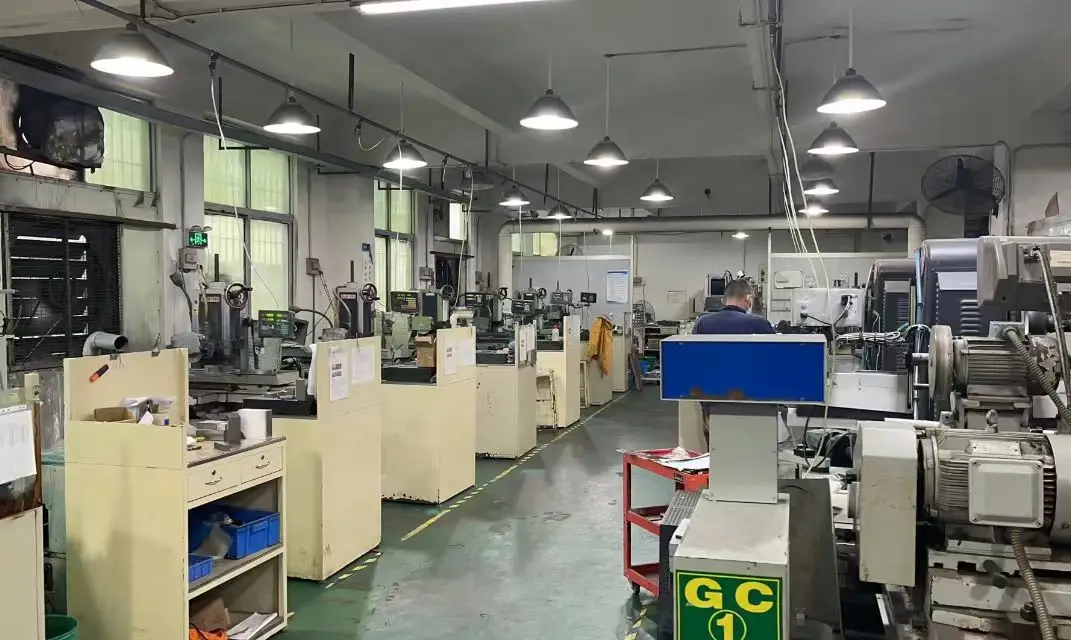
Huizhou Xinying Hardware Products Co., Ltd.
- Manufacturer
- Guangdong, China
- Lead time12 days
- Avg. response≤ 5h
Main productsbag accessories,Jewelry accessories,key chains,garment accessories,Pet accessories
Main marketsDomestic Market(10.00%), South Asia(10.00%), Southern Europe(10.00%), Northern Europe(10.00%), Central America(10.00%), Western Europe(10.00%), Mid East(10.00%), Eastern Europe(10.00%), South America(10.00%), North America(10.00%)
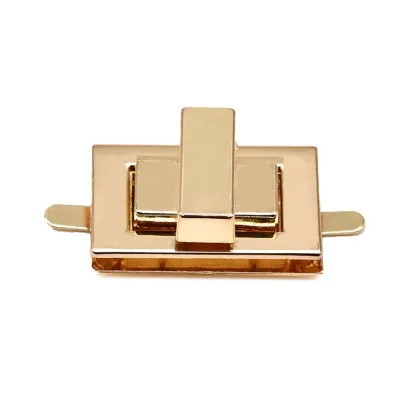
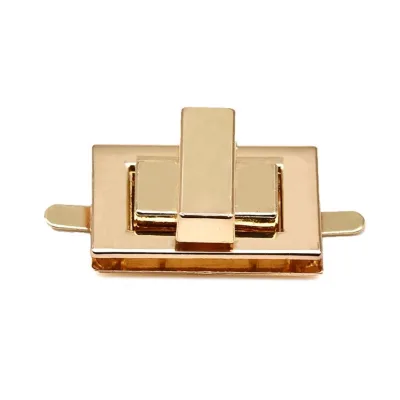
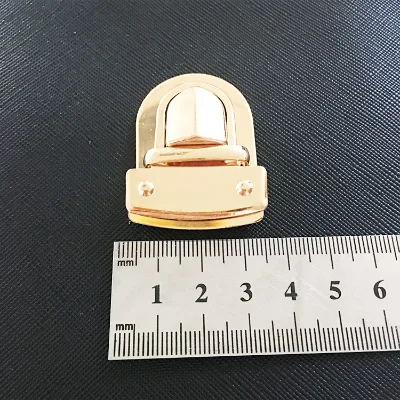
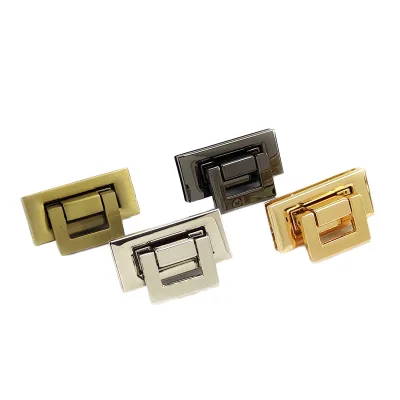
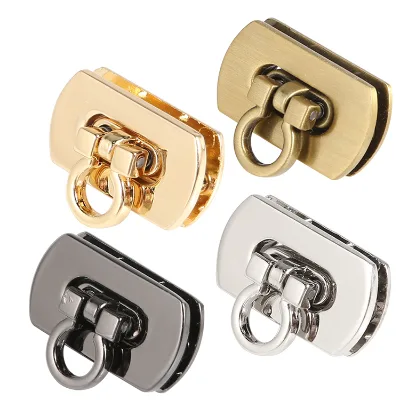
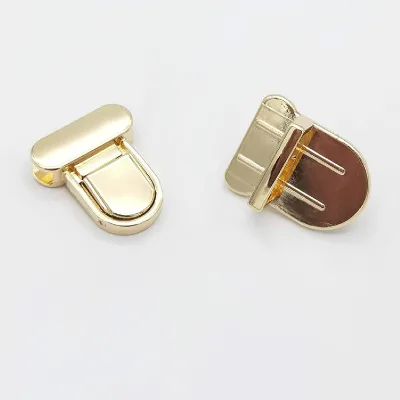
Wholesale New Products Rectangle Bag Lock Metal Briefcase Locks and Clasps Metal Twist Turn Bag Lock
$0.24 - $0.35
MOQ: 1000 pieces
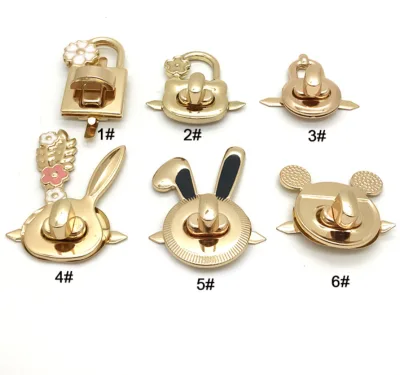
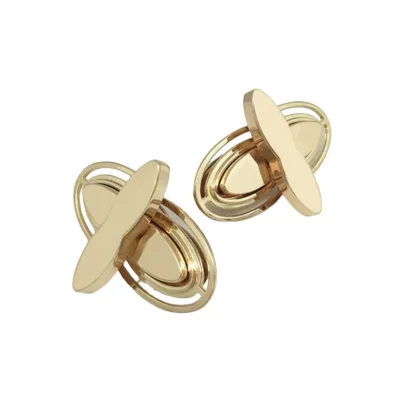
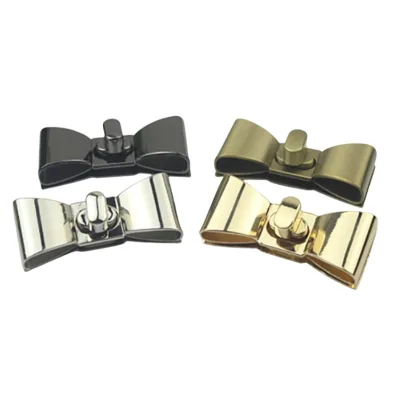
Best-sellers Lock Metal Snap Custom Logo Metal Turn Lock Metal Decoration Bag Lock
$0.24 - $0.35
MOQ: 1000

Dongguan Jing Hong Metal Zipper Co., Ltd.
- Verified by TUVRHEINLAND
- Combined
- China Guangdong
- Lead time15 days
- Avg. response≤ 21h
Main productsMetal Plate, Label, Snap Hook, Keychain, Buckle, Bottle Opener, Dog Tag, Bag Hanger, Jewelry, Zipper Puller
Main marketsDomestic

GUANGZHOU ATI HARDWARE CO., LTD.
- Manufacturer
- China Guangdong
- Lead time15 days
- Avg. response≤ 1h
Main productsMetal Logo and Label, Bag Lock, Metal Zip Puller, Function Buckle, Bag Handle, Adjustable Buckle, Perfume Bottle Cap, Shoes Buckle, Decorative Buckle for Garment, Ornamentation and Artware
Main marketsSoutheast Asia/ Mideast,Europe

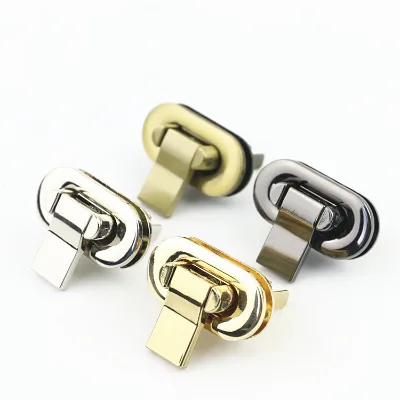
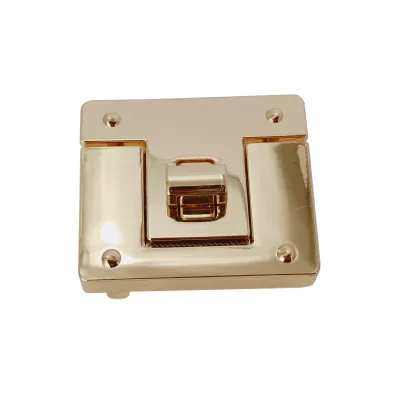
Handbag Lock Accessories Turn Twist Lock Bag Lock Snap Clasps Closure Bag Metal Locks
$0.81 - $1.17
MOQ: 1000 Pieces

Hardware Accessories Handbag Locks Twist Turn Locks Clasps Closure Bag Metal Lock
$0.62 - $0.81
MOQ: 1000 Pieces

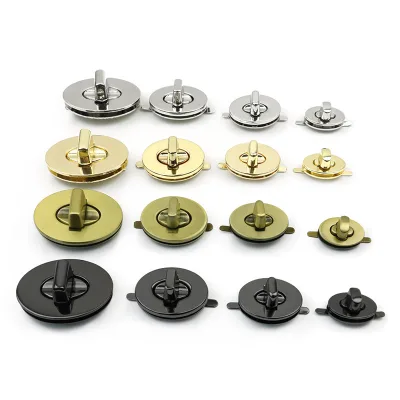
Bag Hardware Accessories Purse Closure Buckle Bag Lock Circle Twist Turn Locks
$0.47 - $0.73
MOQ: 1000 Pieces

Twist Lock Handbag Closure Clasp Lock for Luggage Hardware Accessories Bag Purse Locks
$0.81 - $0.99
MOQ: 1000 Pieces

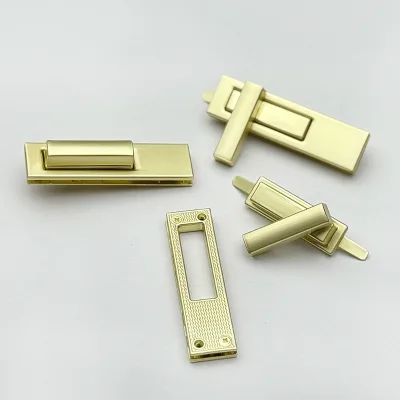
Bag Hardware Lock Accessories Mortise Locks Purse Closure Clasps Handbag Twist Turn Lock
$0.42 - $0.52
MOQ: 1000 Pieces

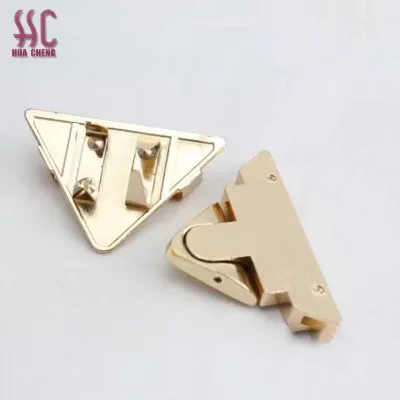
Guangzhou Huacheng Hardware Co., Ltd.
- Manufacturer, Trading Company, Distributor/Wholesaler
- Guangdong, China
- Lead time10 days
- Avg. response≤ 3h
Main productsPurse Frame,Magnetic Button,Snap Hook,Handbag Lock,Metal Ring
Main marketsDomestic Market(9.98%), North America(9.82%), Eastern Asia(9.76%), Northern Europe(9.53%), Western Europe(8.92%), South America(8.29%), Southern Europe(8.15%), Eastern Europe(7.85%), South Asia(6.85%), Mid East(6.12%), Central America(5.89%), Southeast Asia(5.18%), Africa(2.34%), Oceania(1.32%)
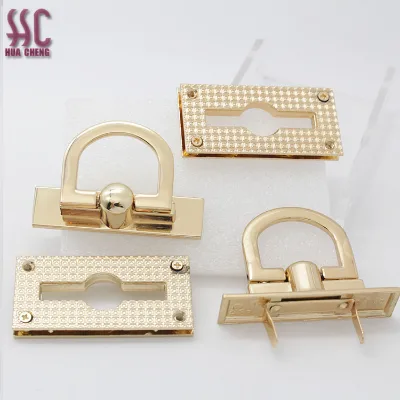
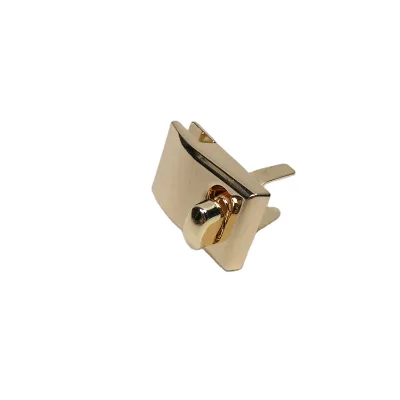
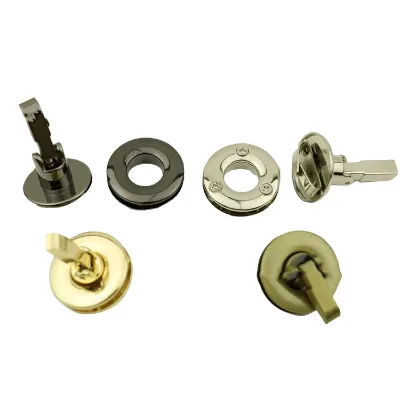
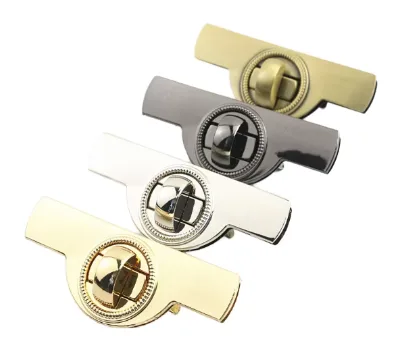
New Design Fashion Brush Brass Bronze Twist Lock Metal Turn Lock for Lady Handbag Decoration Lock
$0.5348 - $0.8119
MOQ: 100 pieces

Ningbo Inunion Import and Export Co., Ltd.
- Verified by SGS
- Trading Company
- China Zhejiang
- Lead time30 days
- Avg. response≤ 3h
Main productsBag Chain, Buckle, Hooks, Ring, Key Chain, Tags, Carabiner, Bag Lock, Puller
Main marketsSoutheast Asia/ Mideast,East Asia(Japan/ South Korea),Europe,Australia,North America


Turn Lock Clasp Purse Closure Twist Locks Metal Hardware Clip Clasp Buckles
$0.20 - $0.80
MOQ: 5000 Pieces


Dongguan Kingming Hardware Plastic Technology Co., Ltd.
- Verified by SGS Group
- Manufacturer, Trading Company
- Lead time10 days
- Avg. response≤ 2h
Main productsMetal Logo, Zipper, Button, Release Buckle, Snap Hook
Main marketsNorth America(29%), Western Europe(25%), Southeast Asia(15%)

Shenzhen Hongshengfeng Hardware & Craft Co., Ltd.
- Trading Company
- Guangdong, China
- Lead time7 days
- Avg. response≤ 6h
Main productsJewelry box accessories,Bag Accessories,Garments accessories,Gifts accessories,Jewelry Findings
Main marketsDomestic Market(9.00%), North America(7.00%), South Asia(7.00%), Southern Europe(7.00%), Northern Europe(7.00%), Central America(7.00%), Western Europe(7.00%), Eastern Asia(7.00%), Mid East(7.00%), Oceania(7.00%), Africa(7.00%), Southeast Asia(7.00%), Eastern Europe(7.00%), South America(7.00%)
Guangzhou Kz Leather Goods Manufacturing Co., Ltd.
- Verified by TüVRheinland
- Manufacturer, Trading Company
- Lead time20 days
- Avg. response≤ 2h
Main productsWatch Strap, Handbag, Belt, Wallet, Bag Accessories
Main marketsNorth America(40%), Domestic Market(40%), Western Europe(10%)
Guangzhou Qifeng Hardware Products Co., Ltd.
- Manufacturer, Trading Company
- Guangzhou, China
- Lead time10 days
- Avg. response≤ 7h
Main productssnap hook,bag lock,metal tag,belt buckle,zipper puller
Main marketsEastern Asia(20.00%), Southeast Asia(15.00%), Central America(10.00%), South Asia(10.00%), Mid East(8.00%), Southern Europe(5.00%), South America(5.00%), Western Europe(5.00%), North America(5.00%), Domestic Market(5.00%), Eastern Europe(5.00%), Northern Europe(4.00%), Oceania(2.00%), Africa(1.00%)
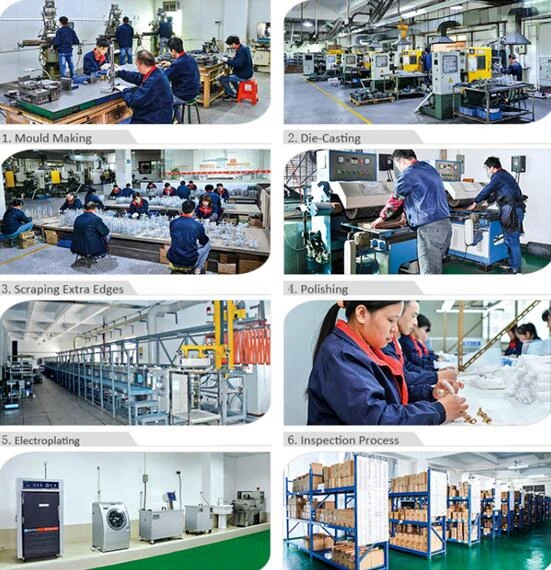
Guangzhou Super Metal Manufacturing Co., Ltd.
- Manufacturer, Trading Company
- Guangdong, China
- Lead time15 days
- Avg. response≤ 5h
Main productsbuckle,hook,chain,metal lock,metal logo
Main marketsMid East(30.00%), North America(20.00%), South America(20.00%), Africa(10.00%), Domestic Market(5.00%), Central America(5.00%), Western Europe(5.00%), Eastern Asia(5.00%)
Guangzhou Ya Huang Da Metal Products Co., Ltd.
- Manufacturer, Trading Company
- Guangdong, China
- Lead time3 days
- Avg. response≤ 4h
Main productsbag parts & Accessories,Metal zipper,Belt Buckle,Bag Lock,Snap Hook
Main marketsSouth Asia(37.00%), Domestic Market(23.00%), Southeast Asia(18.00%), Northern Europe(4.00%), South America(3.00%), Eastern Europe(2.00%), Central America(2.00%), North America(2.00%), Southern Europe(2.00%), Mid East(2.00%), Oceania(2.00%), Africa(1.00%), Western Europe(1.00%), Eastern Asia(1.00%)
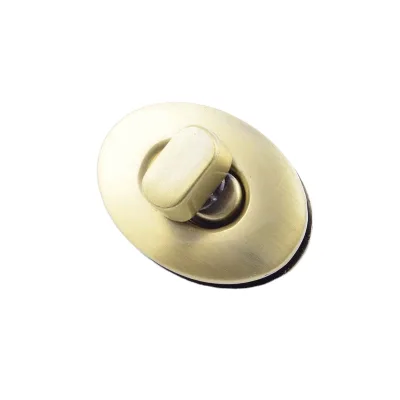
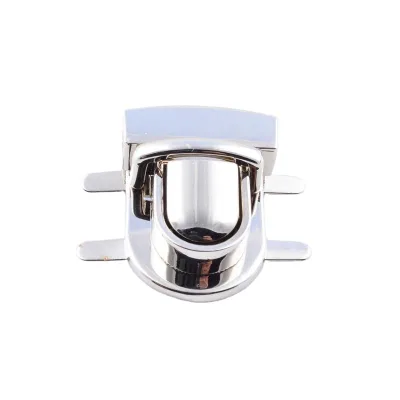
$0.6157 - $0.6681
MOQ: 300 pieces
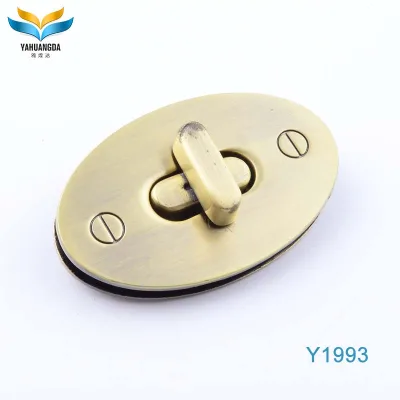
eco-friendly metal bag accessories unusual turn lock
$0.30 - $0.35
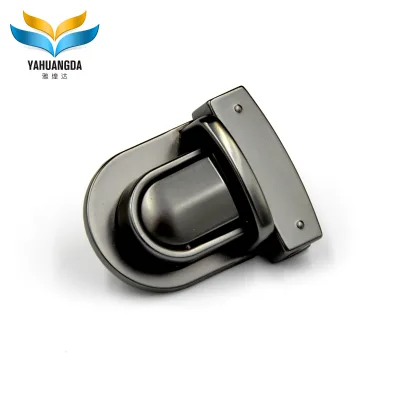
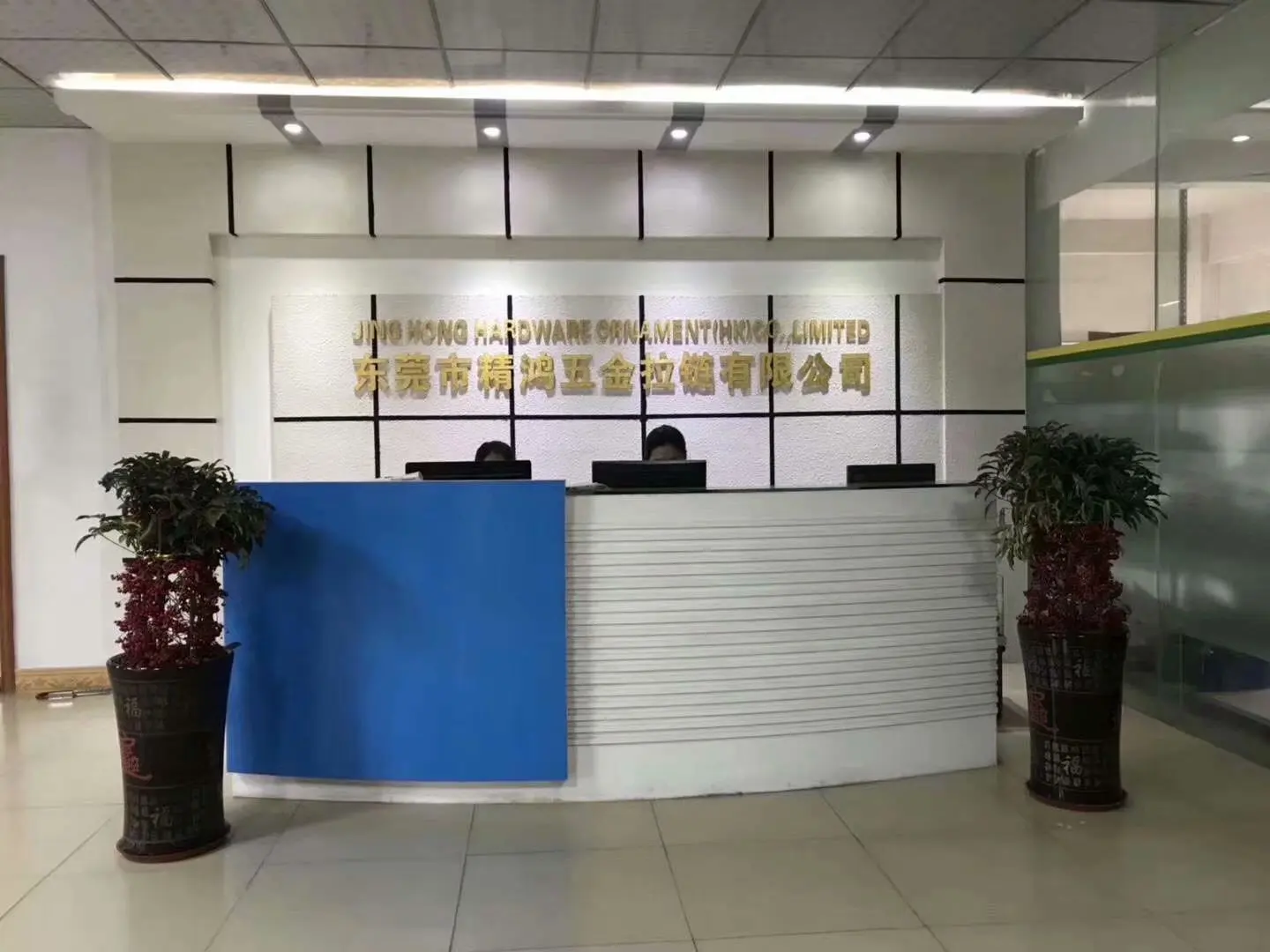
Dongguan Jinghong Metal Zipper Co., Ltd.
- Manufacturer, Trading Company
- Guangdong, China
- Lead time15 days
- Avg. response≤ 9h
Main productsKeychain,metal label,snap hook,bottle opener,badge
Main marketsNorth America(30.00%), Western Europe(15.00%), South America(10.00%), Eastern Asia(10.00%), Eastern Europe(10.00%), South Asia(5.00%), Northern Europe(5.00%), Central America(5.00%), Mid East(5.00%), Africa(5.00%)

DSC Xiamen Enterprise Pte Ltd.
- Trading Company
- China Fujian
- Lead time23 days
- Avg. response≤ 5h
Main productsHardware, Accessories, Plastic Buckle, Ribbons, Metal Stamping, Bag Accessories, Promotion Gift, Bag Hardware
Main marketsSouth America,Southeast Asia/ Mideast,East Asia(Japan/ South Korea),Europe,Australia,North America

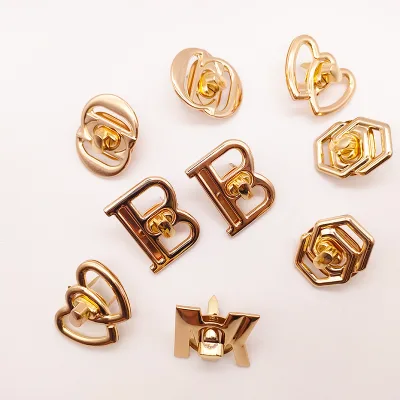
New Metal Clasp Turn Lock Twist Locks Bag Closure Gold Button Craft Bag Purse Locks
$0.62 - $0.68
MOQ: 1000 Pieces

Gold Snap Lock Bag Button Lock Purse Lock Luggage Turn Lock Purse Hardware
$0.50 - $0.75
MOQ: 10000 Pieces

Bird Purses Locks Clutches Closures Turn Lock Zinc Alloy Twist Locks Metal Hardware
$0.546 - $0.60
MOQ: 10000 Pieces

- Verified by TUVRHEINLAND
- Combined
- China Zhejiang
- Lead time30 days
- Avg. response≤ 8h
Main productsThread, Zipper, Lace, Button, Webbing & Tape, Ribbon, Interlining, Fabric, Tailoring Materials, Hook & Loop
Main marketsSouth America,Africa,Europe,Australia
- Manufacturer, Trading Company
- Guangdong, China
- Lead time0 days
- Avg. response≤ 4h
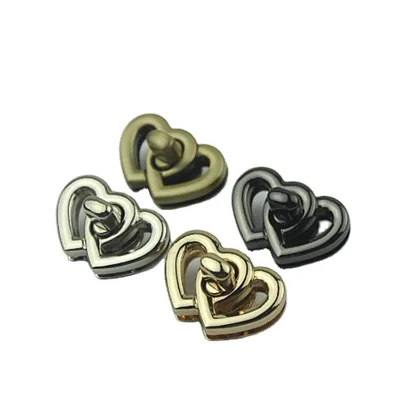
Main productsHeart Shaped Lock,Key Fob Hardware,Suspender Clip,Badge Clip,Wire Buckle
Main marketsNorth America(17.00%), Western Europe(12.00%), Southeast Asia(12.00%), South America(12.00%), Eastern Europe(11.00%), Africa(11.00%), Northern Europe(8.00%), South Asia(5.00%), Southern Europe(4.00%), Mid East(2.00%), Eastern Asia(2.00%), Central America(2.00%), Domestic Market(1.00%), Oceania(1.00%)
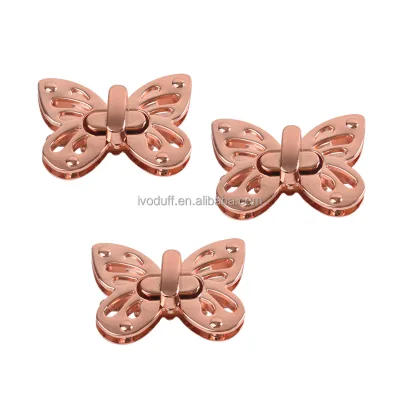
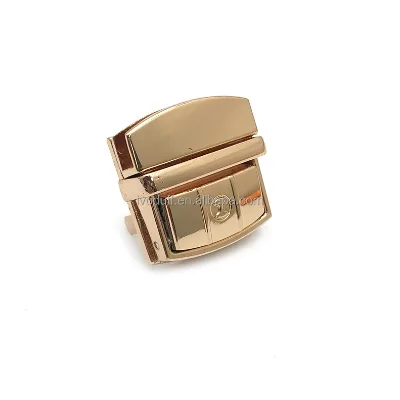
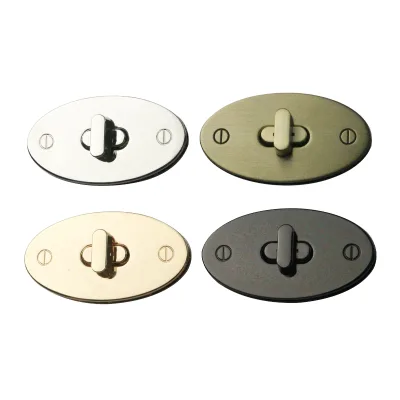
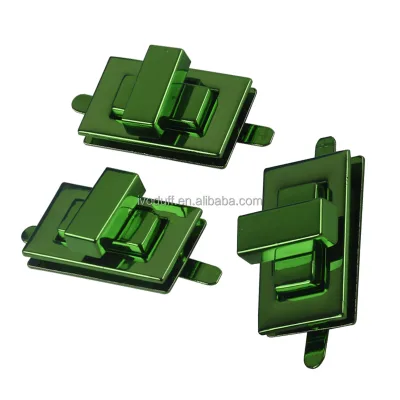
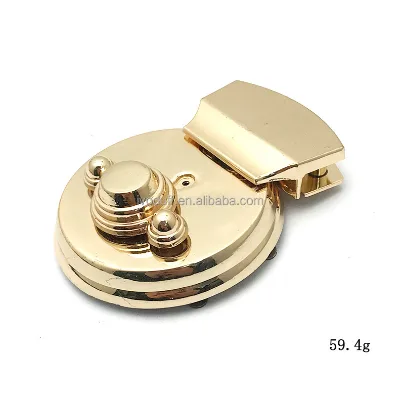
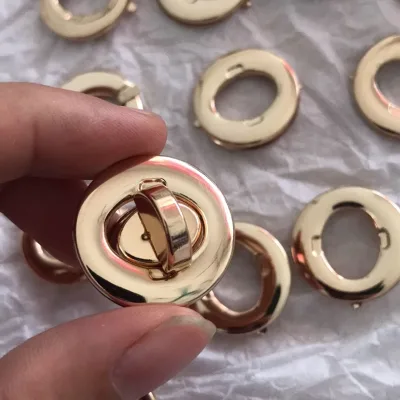
Manufacture Turn Closure Buckle Twist Lock for Luggage & Handbag Accessories Made of Alloy
$1.0201 - $1.1445
MOQ: 200 pieces
Shenzhen Jiawo Industrial Co., Ltd.
- Manufacturer, Trading Company
- Guagndong, China
- Lead time0 days
- Avg. response≤ 6h
Main productsBag Part,Garment Accessories
Main marketsWestern Europe(40.00%), North America(40.00%)

Hangzhou Yuming Garment Accessories Co., Ltd.
- Verified by BV
- Trading Company
- China Zhejiang
- Lead time30 days
- Avg. response≤ 3h
Main productsButton, Patch, Rivet, Eyelet, Zipper, Zipper Puller, Resin Buckle, Underwear Accessories, Snap Hook, Garment Hook
Main marketsSouth America,Southeast Asia/ Mideast,Europe,North America

Guangzhou Jinzi Metal Co., Ltd.
- Manufacturer, Trading Company
- Guangdong, China
- Lead time10 days
- Avg. response≤ 2h
Main productsBags Accessories,Snap Hooks,Belt Buckle,Metal Label/Metal Logo/Metal Tags,Handbag Hardware
Main marketsNorth America(19.20%), Northern Europe(17.40%), Southeast Asia(16.00%), Eastern Europe(10.10%), Western Europe(8.00%), South America(5.40%), Domestic Market(5.10%), Central America(5.00%), South Asia(5.00%), Eastern Asia(5.00%), Mid East(2.10%), Oceania(1.40%), Southern Europe(0.20%), Africa(0.10%)
Guangzhou Bolian Clothing Co., Ltd.
- Manufacturer, Trading Company, Distributor/Wholesaler
- Guangdong, China
- Lead time0 days
- Avg. response≤ 2h
Main productsBags & Gift Boxes,Garment Acchandicraftessories,Handicraft Article,Hardware tools,Daily necessities for light industry
Main marketsNorth America(50.00%), South America(20.00%), Western Europe(15.00%), Southeast Asia(5.00%), Mid East(2.00%), Domestic Market(1.00%), South Asia(1.00%), Northern Europe(1.00%), Central America(1.00%), Eastern Europe(1.00%), Eastern Asia(1.00%), Africa(1.00%), Oceania(1.00%)
Lihui Import And Export Limited
- Verified by SGS Group
- Manufacturer, Trading Company
- Lead time15 days
- Avg. response≤ 2h
Main productsAll Metal Handbag Hardware, Custom Metal Logo Label, Side Release Buckle, Custom Zipper Puller, Custom Belt Buckle
Main marketsNorth America(70%), Mid East(10%), Western Europe(10%)

Shenzhen Meideal Industrial Co., Ltd.
- Manufacturer, Distributor/Wholesaler
- Guangdong, China
- Lead time8 days
- Avg. response≤ 3h
Main productsLaserable Leatherette Sheet,Leather Patch,Leather Bookmarks,Leather Can Holders,Leather Trays
Main marketsNorth America(35.00%), Western Europe(20.00%), Mid East(6.00%), Northern Europe(6.00%), Eastern Asia(5.00%), South America(5.00%), Domestic Market(5.00%), Oceania(5.00%), Southeast Asia(4.00%), Southern Europe(3.00%), South Asia(2.00%), Eastern Europe(2.00%), Central America(1.00%), Africa(1.00%)
- Manufacturer, Trading Company
- Guangdong, China
- Lead time20 days
- Avg. response≤ 1h
Main productsBox Accessories, Bag Accessories, Purse Frame, Box Hinge, Bag Handle
Main marketsSouth America(10.00%), Western Europe(9.00%), Southern Europe(9.00%), Africa(9.00%), Mid East(9.00%), Eastern Asia(8.00%), North America(8.00%), Central America(8.00%), Northern Europe(8.00%), Eastern Europe(8.00%), Southeast Asia(8.00%), South Asia(2.00%), Oceania(2.00%), Domestic Market(2.00%)
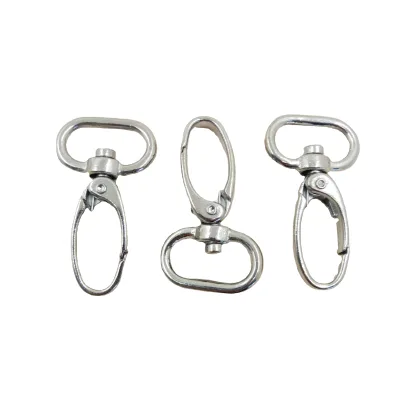
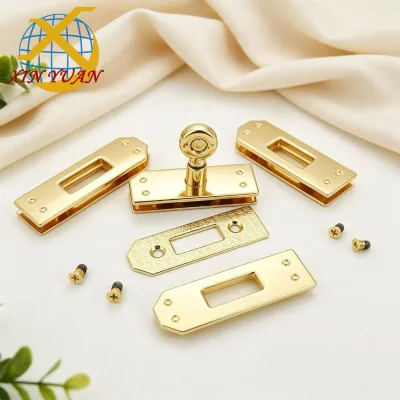
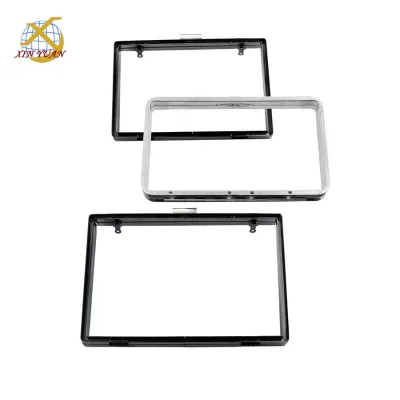
$2.8732 - $5.1307
MOQ: 500 Minimum

Guangzhou Desheng Hardwares And Leathers Co., Limited
- Manufacturer, Trading Company, Distributor/Wholesaler
- Guangdong, China
- Lead time0 days
- Avg. response≤ 4h
Main productsBag Hardwares,Bag Chain,Bag Accessories,Keyring Decoration,Fashion Accessories
Main marketsNorth America(25.00%), Northern Europe(15.00%), Western Europe(15.00%), South Asia(15.00%), Eastern Europe(8.00%), Southeast Asia(5.00%), Southern Europe(5.00%), Oceania(5.00%), Africa(2.00%), Eastern Asia(1.50%), Mid East(1.50%), South America(1.00%), Central America(1.00%)
Guangzhou Junshang Trading Co., Ltd.
- Verified by SGS Group
- Trading Company
- Lead time15 days
- Avg. response≤ 2h
Main productsPVC Leather, PU Leather, Semi PU Leather
Main marketsAfrica(25%), Southeast Asia(20%), Mid East(20%)

Shanghai Yung King Hardware Co., Ltd.
- Trading Company,Manufacturer/Factory
- China Shanghai
- Lead time60 days
- Avg. response≤ 14h
Main productsDraw Latch, Lift off Hinge, Cylinder Lock, Military Case Handle, Forging, Machining, Access Panel and Roof Hatch, Paddle Latch, Tie Down Ring
Main marketsSouth America,Eastern Europe,Mid East,North America,Southeast Asia,Eastern Asia,Oceania,Western Europe,Africa
Huizhou Laiduo Crafts Co., Ltd.
- Trading Company
- Guangdong, China
- Lead time0 days
- Avg. response≤ 8h
Main productselectronic product,Hardware accessories,Clothing and leather bags,Hardware Tools,Daily necessities
Main marketsNorthern Europe(90.00%), Central America(90.00%), Domestic Market(90.00%), Mid East(90.00%), Oceania(90.00%), Africa(90.00%), Southeast Asia(90.00%), Eastern Europe(90.00%), South America(90.00%), North America(90.00%), South Asia(80.00%), Eastern Asia(80.00%), Southern Europe(60.00%)


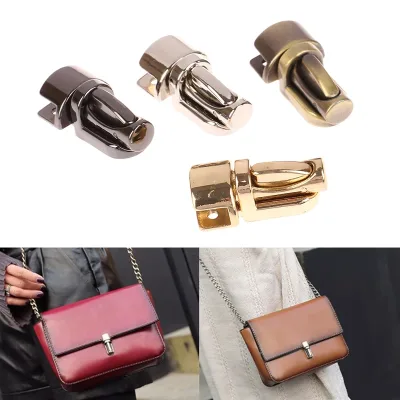
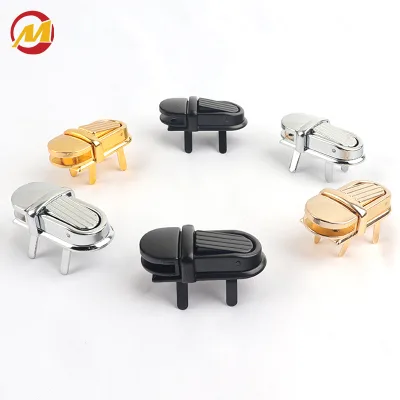
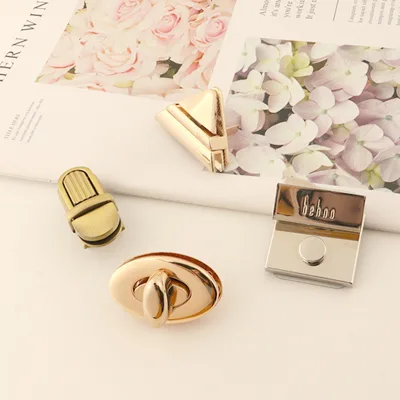
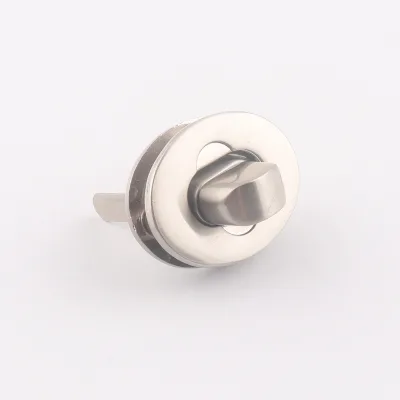






Comprehensive Sourcing Guide
Metal Twist Bag Lock Supplier Concentration and Factory Types
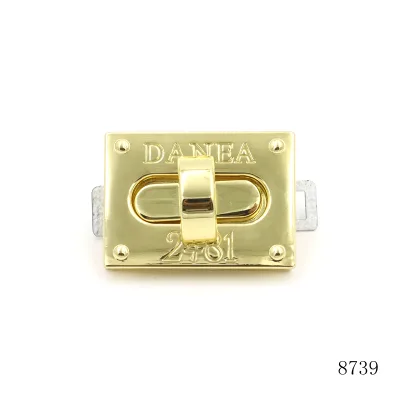
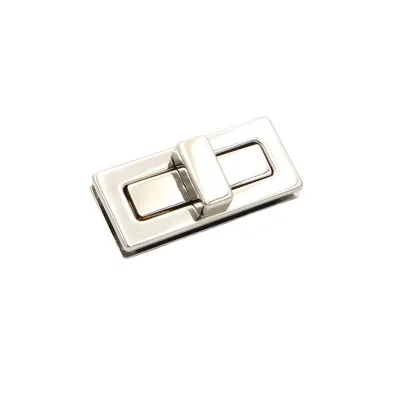
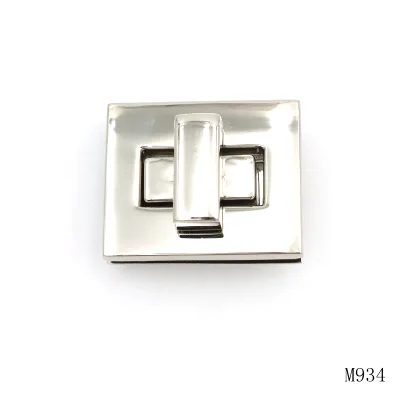
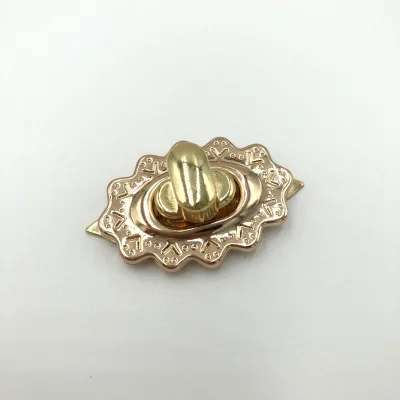
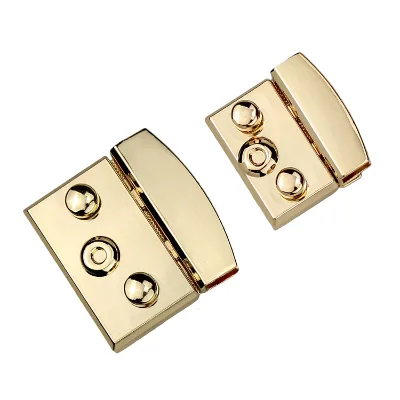
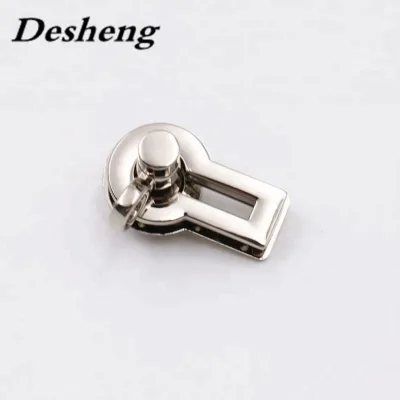
The current supplier landscape for metal twist bag locks reveals a distinct concentration of manufacturing activity within Guangdong, China. This region serves as a primary hub for hardware production, leveraging established supply chains for zinc alloy and plating processes. Buyers evaluating potential partners will frequently encounter manufacturers based in this province, which indicates a mature ecosystem for producing components like turn locks, buckles, and clasps. The presence of these suppliers in Guangdong suggests that logistics and raw material sourcing are optimized for this specific type of hardware. When assessing the supplier base, it is crucial to recognize that the majority of results originate from this single geographic cluster. This concentration does not necessarily imply a lack of global diversity, but it does highlight the dominant role of Chinese manufacturing in this niche. Buyers should be aware that while other regions may exist, the verified data points strongly toward Guangdong as the central node for this product category. Understanding this geographic reality helps in setting realistic expectations for shipping times and communication overlaps. It also allows for more efficient due diligence, as buyers can focus their verification efforts on suppliers with a confirmed presence in this known industrial zone. The density of suppliers in this area often leads to competitive pricing and a wide variety of design options, from rectangle locks to round shape clasps. However, it also means that buyers must carefully distinguish between different types of entities operating within this cluster. Not all suppliers in Guangdong are identical in their operational capabilities or business models. Some may be pure trading companies, while others are direct factories with their own production lines. Recognizing this distinction is the first step in effective sourcing. Buyers should look for indicators of manufacturing capability, such as specific product attributes and company type declarations. The data shows a mix of manufacturer and combined entity types, which requires careful scrutiny. A combined entity might offer broader product ranges, such as metal plates, labels, and snap hooks, alongside the primary twist locks. In contrast, a dedicated manufacturer might focus exclusively on the hardware aspects of bags and luggage. This difference in focus can impact quality control, customization options, and minimum order quantities. Therefore, while the geographic concentration is a key finding, the type of supplier within that location is equally important. Buyers must navigate this landscape by prioritizing suppliers that align with their specific needs, whether that be high-volume production or specialized customization. The Guangdong cluster offers both, but the buyer must identify which supplier type best fits their project requirements. This initial assessment of location and entity type sets the foundation for all subsequent evaluation steps. It ensures that the buyer is looking at the right pool of candidates before diving into detailed comparisons. By acknowledging the dominance of Guangdong in this sector, buyers can streamline their search and avoid wasting time on suppliers who may not be able to meet their logistical or production demands. The concentration is a fact that shapes the entire sourcing strategy for metal twist bag locks.
How to Verify Metal Twist Bag Lock Suppliers
Verification is a critical step in ensuring that the suppliers you engage with are legitimate and capable of delivering on their promises. The data indicates that some suppliers hold specific certifications, such as the ISO9001:2015 certificate, which serves as a baseline for quality management systems. Buyers should actively request and verify these documents to ensure that the supplier’s internal processes meet international standards. Additionally, third-party verification badges, such as those from TÜV Rheinland, provide an extra layer of confidence regarding the supplier’s business legitimacy. These badges indicate that an independent party has reviewed the supplier’s credentials and operations. However, buyers should not rely solely on these badges. It is essential to cross-reference the information provided by the supplier with independent sources where possible. For manufacturers, verifying the existence of physical production facilities is crucial. This can be done by requesting video tours of the factory or asking for specific details about their production lines. For combined entities or trading companies, verifying their relationship with the actual manufacturers is important to ensure that they have direct access to the product and can manage quality effectively. Response time is another key metric that can indicate the professionalism and responsiveness of a supplier. A quick response time, such as five hours, suggests a well-staffed and efficient team. In contrast, a slower response time, such as twenty hours, might indicate a larger, less agile organization or a potential bottleneck in communication. Buyers should test the responsiveness of potential suppliers by sending detailed inquiries and noting how quickly and thoroughly they respond. This can provide insights into their customer service quality and their ability to handle complex requests. Furthermore, buyers should check the supplier’s history and track record. While specific establishment years may not always be prominently displayed, looking for long-standing suppliers can be a good indicator of stability and experience. Buyers should also be wary of suppliers who are unwilling to provide detailed product specifications or who have vague descriptions. Detailed product attributes, such as material composition, dimensions, and weight, are signs of a transparent and professional supplier. For example, knowing that a lock is made of zinc alloy with specific plating techniques helps in assessing quality. Buyers should also verify the supplier’s ability to handle custom orders, such as OEM and ODM services, if required. This involves checking their past work and their capacity to implement custom logos or designs. By combining these verification steps, buyers can build a robust profile of each potential supplier. This process reduces the risk of engaging with unreliable partners and ensures that the chosen supplier can meet the buyer’s specific needs. Verification is not a one-time event but an ongoing process that should continue throughout the relationship. Regular checks and updates on the supplier’s status can help maintain a high standard of quality and reliability.
What to Compare Across Metal Twist Bag Lock Suppliers
When evaluating multiple suppliers, it is essential to compare key operational metrics to determine the best fit for your business. One of the most critical factors is the minimum order quantity, or MOQ. The data shows that many suppliers have an MOQ of 1000 pieces, which is a common threshold for hardware accessories. Buyers with smaller volume requirements may need to seek out suppliers with lower MOQs or be prepared to pay a premium for smaller batches. Comparing MOQs across suppliers can help identify those who are more flexible and willing to accommodate smaller orders. Another important metric is the lead time for production. The observed lead times range from twelve to fifteen days, which is relatively fast for custom hardware. However, buyers should also consider the lead time for samples, which some suppliers support within seven days. Fast sample turnaround is crucial for testing product quality and design before committing to a large order. Comparing these lead times can help buyers plan their inventory and production schedules more effectively. Price is another significant factor, with observed ranges varying from $0.24 to $0.67 per unit depending on the product specifications. Buyers should compare prices not just on a per-unit basis but also in the context of the total order value, including shipping and any customization costs. Response time is also a key differentiator. Suppliers with faster response times, such as five hours, may be more efficient in handling inquiries and resolving issues. This can be particularly important for buyers who need quick turnarounds or have complex questions. Comparing response times can help identify suppliers who are more likely to provide timely support. Additionally, buyers should compare the range of main products offered by each supplier. Some suppliers focus exclusively on bag accessories, while others offer a broader range of items like metal plates, keychains, and bottle openers. A supplier with a diverse product range may offer better value if you have multiple sourcing needs. However, a specialized supplier may offer deeper expertise and higher quality in their specific niche. Buyers should also compare the customization options available, such as OEM and ODM services. Suppliers that accept custom logos and designs offer greater flexibility for branding. Finally, buyers should compare the payment terms offered, such as T/T, Western Union, or PayPal. Flexible payment terms can be advantageous for cash flow management. By systematically comparing these metrics, buyers can make informed decisions and select the supplier that best aligns with their operational and financial goals. This comparative approach ensures that no critical factor is overlooked and that the final choice is based on comprehensive data.
Common Metal Twist Bag Lock Sourcing Risks
Sourcing metal twist bag locks from international suppliers comes with inherent risks that buyers must proactively manage. One significant risk is the variability in product quality. Since the locks are made from zinc alloy and undergo plating processes, inconsistencies in material thickness or plating durability can occur. Buyers may receive batches that do not meet their expected standards for strength or appearance. This risk is heightened when working with suppliers who have lower MOQs or who are less experienced in quality control. Another risk is the potential for communication breakdowns. While response times are recorded, the quality of communication can vary. Misunderstandings regarding product specifications, such as dimensions or color, can lead to incorrect orders. This is particularly risky when dealing with custom designs, where precise details are crucial. Buyers must ensure that all specifications are clearly documented and confirmed in writing before production begins. Shipping and logistics risks are also prevalent. Delays in production or shipping can disrupt supply chains, especially if the buyer is relying on just-in-time inventory. The observed lead times are generally short, but external factors such as customs clearance or carrier delays can extend these times. Buyers should plan for potential delays and have contingency plans in place. Additionally, there is a risk of intellectual property infringement if custom designs are not properly protected. Buyers should ensure that their designs are legally protected in the supplier’s country and that the supplier signs confidentiality agreements. Another risk is the financial security of the transaction. While payment terms like T/T and Western Union are common, they offer less protection than escrow services. Buyers should be cautious when making large upfront payments and consider using secure payment methods that offer dispute resolution. Finally, there is a risk of supplier reliability. Some suppliers may be trading companies rather than manufacturers, which can add layers of complexity and cost. Buyers must verify the supplier’s actual capabilities and ensure that they have direct control over the production process. By identifying and mitigating these risks, buyers can protect their interests and ensure a smoother sourcing experience. Proactive risk management is essential for building a resilient supply chain.
Metal Twist Bag Lock Regional Sourcing and Logistics
The geographic concentration of suppliers in Guangdong, China, has significant implications for logistics and shipping. This region is a major hub for international trade, with well-established ports and logistics networks. Buyers sourcing from this area can benefit from efficient shipping options and competitive freight rates. However, the distance from other major markets, such as North America or Europe, means that shipping times can be substantial. Buyers must factor in transit times when planning their inventory. The observed lead times of twelve to fifteen days are for production only and do not include shipping. Total lead times can extend to several weeks depending on the shipping method chosen. Air freight is faster but more expensive, while sea freight is cost-effective but slower. Buyers should evaluate their volume and urgency to determine the best shipping strategy. Additionally, the concentration of suppliers in Guangdong can lead to economies of scale in logistics. Freight forwarders often offer consolidated shipping options, which can reduce costs for smaller buyers. Buyers should leverage these options to optimize their shipping expenses. However, buyers must also be aware of potential logistical bottlenecks, such as peak season congestion or customs delays. Planning ahead and maintaining open communication with logistics providers can help mitigate these issues. The regional focus also means that buyers can potentially visit suppliers in person if needed, although this is less common for international buyers. Virtual visits and detailed documentation are often sufficient for verification. Understanding the logistical landscape of Guangdong helps buyers make informed decisions about their supply chain. It allows them to balance cost, speed, and reliability effectively. By aligning their logistics strategy with the regional realities, buyers can ensure a smooth and
FAQs
What is the typical MOQ for metal twist bag locks?
The minimum order quantity is generally 1000 pieces for most suppliers. This standard applies to zinc alloy turn locks and buckles. Buyers should confirm specific thresholds with manufacturers before placing bulk orders to ensure production readiness.
How long does production take for these locks?
Standard lead times range from 12 to 15 days for manufacturing. Sample orders may be supported within 7 days depending on the supplier. Buyers should verify exact timelines with the manufacturer to align with their shipping schedules.
What materials are used for these metal locks?
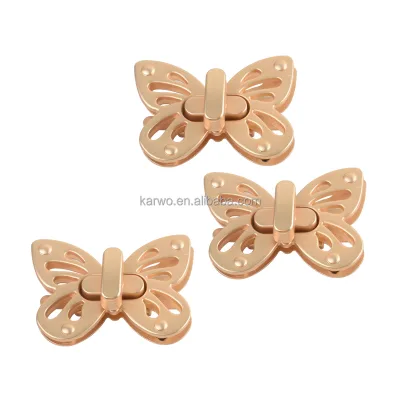
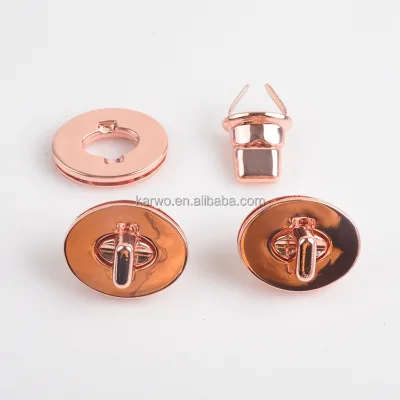
Most metal twist bag locks are made from zinc alloy. This material provides durability and allows for plating finishes like light gold. Buyers can request custom colors or specific material grades to match their product design requirements.
What is the price range for these accessories?
Prices typically range from $0.24 to $0.67 per piece. The cost varies based on size, material thickness, and plating techniques. Buyers should request quotes for specific models to get accurate pricing for their volume and customization needs.
Can suppliers provide custom branding for these locks?
Yes, many manufacturers accept OEM services and custom logos. Buyers can request specific branding on the metal twist locks. This service allows for unique product identification and brand consistency across different bag and luggage accessory lines.
Where are these suppliers located?
Suppliers are primarily located in Guangdong, China. This region is a major hub for hardware and bag accessories manufacturing. Buyers can expect efficient logistics and a wide variety of suppliers specializing in metal twist locks and related hardware.