Source Luggage Wheels for Suitcases, Bags, and Travel Gear
Compare 30 verified listings for Luggage Wheels made from PP, PVC, and metal. Buyers can evaluate specifications like size, weight, and customization options from suppliers in China to find durable parts for suitcases and rolling bags; compare the available evidence and request quotations based on your requirements.
Key considerations
Products List
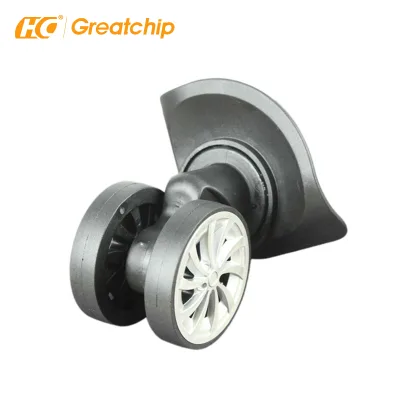
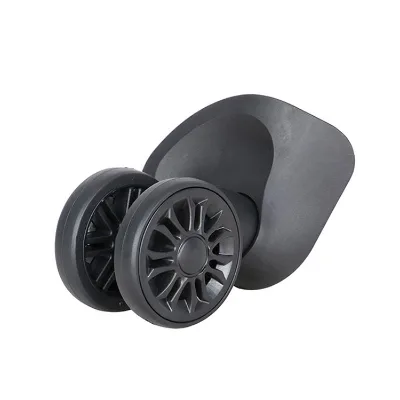
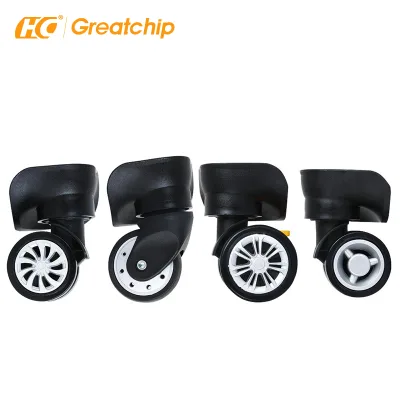
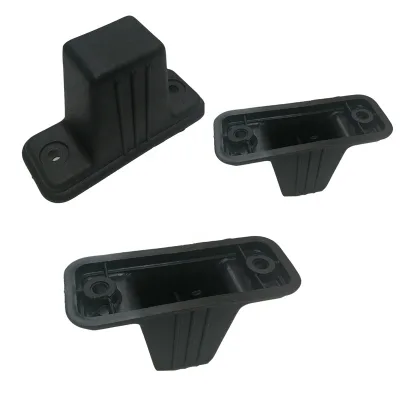
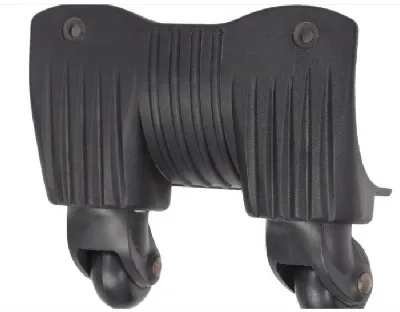
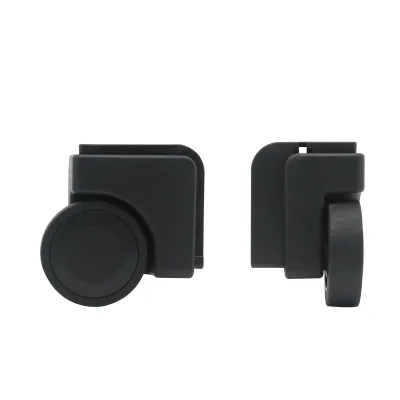
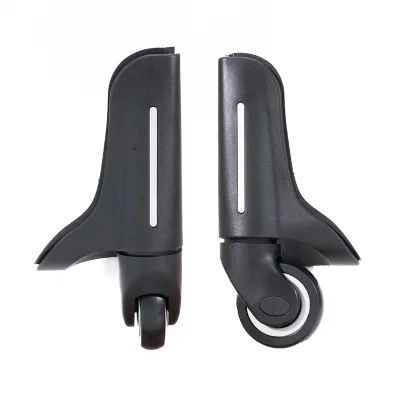
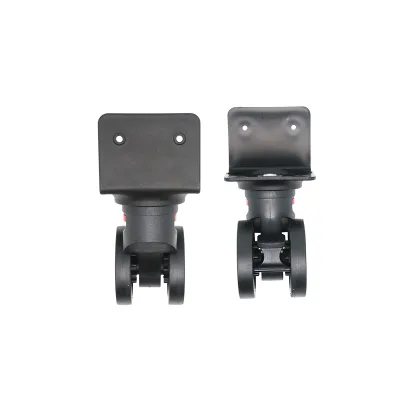
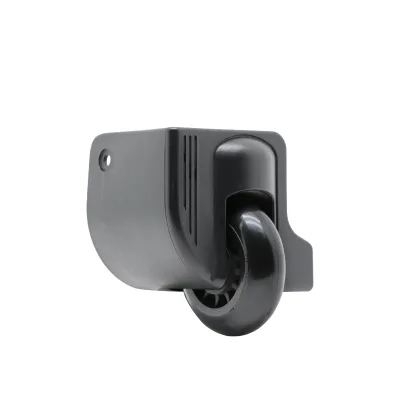
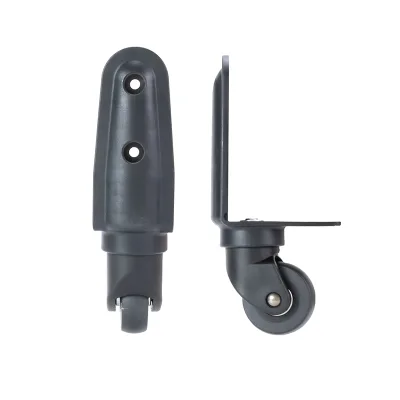
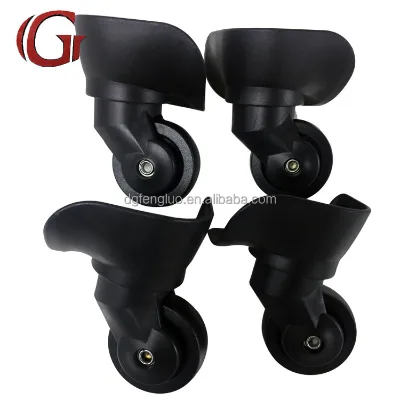
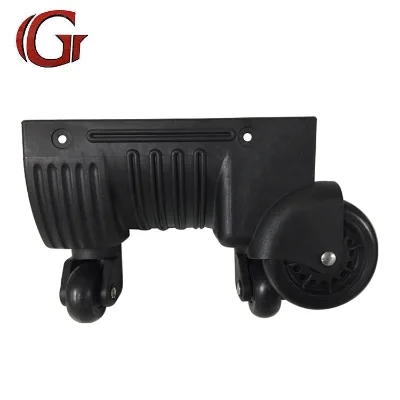
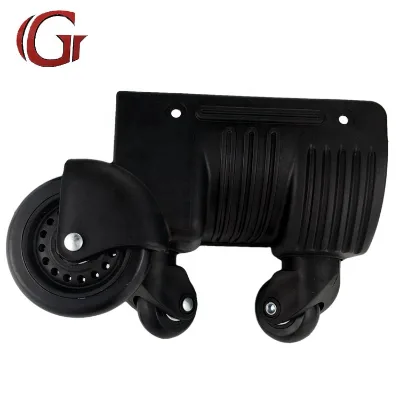
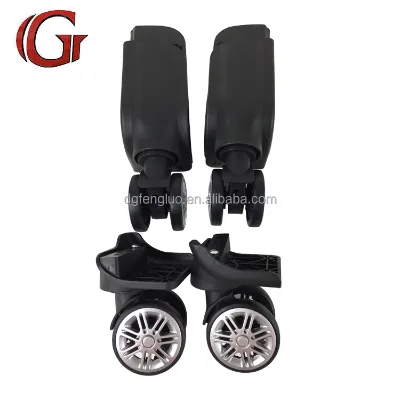
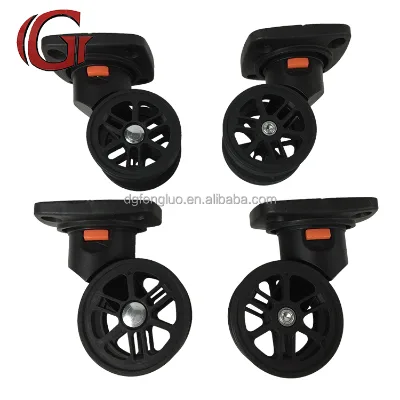
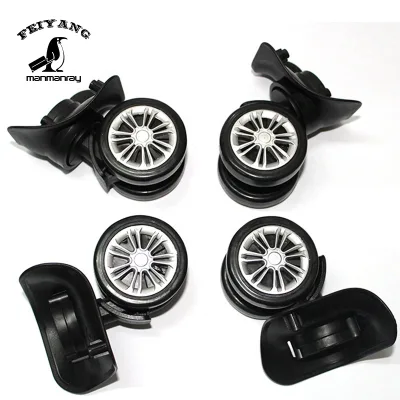

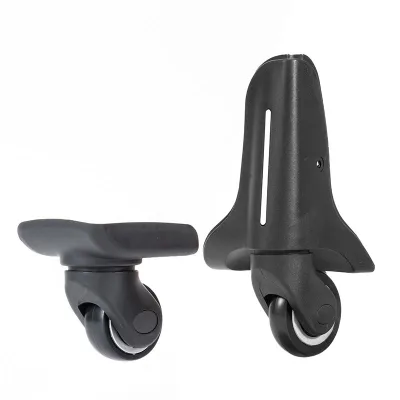


ABS Hard Luggage Set with Spinner Wheels Lightweight and Durable with Tsa Lock
$13.50 - $15.20
MOQ: 550 Pieces


Shock-Absorbing Universal Wheels 26 Inch Custom Travel Suitcase Luggage Set
$38.00 - $70.00
MOQ: 50 Pieces


PP Suitcase Wheels Luggage Cheap Price with 360 Degree Wheels Luggage Set
$33.44 - $37.90
MOQ: 200 Sets

Comprehensive Sourcing Guide
Luggage Wheels Sourcing Guide
Buyers must first distinguish between replacement components and integrated accessories when evaluating listings for Luggage Wheels. The market presents distinct product categories ranging from simple PP plastic wheels to complex metal handle assemblies, each serving different repair or manufacturing needs. Understanding whether the requirement is for a universal replacement part or a specialized OEM component is the first critical step in defining the procurement scope.
Procurement teams should analyze the observed listing signals to identify the specific material composition and structural design required for their inventory. Listings frequently highlight attributes such as "durable, hard, light" or "removable, portable," which indicate the intended performance profile for the end-user. Verifying these descriptive claims against the actual product specifications ensures that the selected wheels meet the durability and weight constraints of the target luggage market.
Product Scope and Observed Listing Signals
The product scope for Luggage Wheels encompasses a wide variety of configurations, including hard Luggage Wheels, rolling bag wheels, and universal wheel sets designed for suitcase repairs. Buyers will encounter listings specifying materials like PP, PVC, and metal, alongside model numbers such as E01A03 and E-HD2326B that denote specific design iterations. These variations suggest a fragmented market where precise model matching is essential for compatibility with existing luggage frames.
Observations indicate that suppliers often offer customized branding options, including logos and colors like black, dark brown, or dark grey, to align with brand identity. The single package sizes vary significantly, from compact 15x10x10 cm units to larger 50x50x50 cm packages, reflecting differences in bulk shipping requirements and unit weight. Buyers must carefully review these logistical details to ensure the packaging dimensions align with their warehouse capacity and shipping budget constraints.
Technical Specifications to Verify
Technical verification begins with confirming the material composition, as listings specify PP, PVC, or metal constructions that directly impact durability and weight. The single gross weight of items ranges from 0.35 kg for individual wheel units to 25.0 kg for larger packaged sets, necessitating accurate freight cost calculations. Buyers should cross-reference these weight figures with the stated single package sizes to validate the density and packing efficiency of the supplier's logistics.
Dimensional compatibility is another critical technical factor, with model numbers like E01A06 and E01628 indicating specific size profiles such as "S" or universal fitments. The presence of features like "removable" or "portable" designs requires buyers to inspect the mechanical interface to ensure seamless integration with their luggage cases. Confirming the exact model number and size specifications prevents the procurement of incompatible parts that could lead to product returns or assembly failures.
Compliance and Safety Documentation
While specific certification documents are not explicitly listed in the provided product facts, buyers must request evidence of material safety and manufacturing quality standards. The observation of "100% Inspection" as a quality attribute suggests a commitment to defect reduction, yet formal compliance reports are necessary to validate this claim against international safety regulations. Procurement teams should verify that the PP, PVC, or metal materials used meet relevant chemical and physical safety standards for consumer goods.
Documentation regarding the place of origin, such as Jiangxi or Guangdong, China, is essential for tracing supply chain transparency and adhering to import regulations. Buyers should ensure that the supplier can provide necessary export documentation, including certificates of origin and material safety data sheets, to facilitate smooth customs clearance. Without these documents, the risk of regulatory delays or non-compliance penalties increases significantly for international shipments.
Cost Drivers and Commercial Terms
Commercial terms are heavily influenced by the observed Minimum Order Quantity (MOQ) ranges, which vary from 200 pieces to 1000 pieces depending on the specific product listing. Buyers must align their order volumes with these thresholds to secure the most favorable pricing, as smaller orders may incur higher unit costs or require special negotiation. The supply ability of 50,000 pieces per month indicates that larger suppliers can accommodate bulk orders, potentially offering better economies of scale.
Pricing structures are further affected by customization requirements, such as adding a customized logo or selecting specific colors like black or dark grey. These value-added services often carry additional costs that must be factored into the total landed cost calculation. Buyers should clarify whether the listed price includes packaging details like carton packaging or if these are separate line items to avoid unexpected budget overruns.
Supplier Qualification and Quality Control
Supplier qualification relies on verifying the stated quality control measures, such as the "100% Inspection" claim found in several product listings. Buyers should request detailed quality assurance protocols to understand how defects are identified and managed before shipment, ensuring that the "durable" and "hard" attributes are consistently met across all units. This verification process is crucial for maintaining brand reputation and minimizing the risk of receiving substandard luggage components.
Geographic location plays a significant role in supplier reliability, with origins noted in Jiangxi and Guangdong, China, which are known manufacturing hubs. Buyers should assess the logistical capabilities of suppliers based on their port of dispatch, such as Guangzhou, to ensure efficient shipping timelines. Confirming the supplier's ability to meet the stated supply ability of 50,000 pieces per month is also vital for maintaining a stable supply chain during peak demand periods.
Long-Term Procurement Checks
Long-term procurement success depends on establishing a robust framework for ongoing quality monitoring and performance evaluation. Buyers should implement regular audits to verify that the "100% Inspection" standard is maintained over time and that the material quality remains consistent across different production batches. Continuous feedback loops with the supplier help identify any drift in product specifications or manufacturing processes that could affect the final product.
Strategic planning must also account for the evolving nature of luggage accessories, including trends in style and functionality like "trendy" designs or universal wheel compatibility. Buyers should maintain open communication channels to stay informed about new model numbers and material innovations that could enhance their product offerings. This proactive approach ensures that the procurement strategy remains agile and responsive to market changes and customer preferences.
FAQs
What materials are used for Luggage Wheels?
Luggage Wheels are commonly manufactured from durable materials such as PP, PVC, and metal. Some models also utilize a combination of PP and ABS for enhanced strength. These materials ensure the wheels are hard, light, and resistant to wear during travel, providing reliable performance for various suitcase types.
Can I customize the logo on Luggage Wheels?
Yes, customized logos are available for Luggage Wheels. Buyers can request specific branding to be applied directly to the wheels or packaging. This customization option allows businesses to maintain brand consistency across their luggage accessories, offering a professional appearance for private label products or corporate gifts.
What is the typical MOQ for Luggage Wheels?
The typical minimum order quantity for Luggage Wheels ranges from 200 to 1000 pieces. Specific models may have an MOQ of 250 or 500 units. Buyers should check the specific product listing for exact requirements, as quantities vary by manufacturer and model to accommodate different production scales.
Where are Luggage Wheels typically manufactured?
Luggage Wheels are primarily manufactured in China, with key production hubs in Jiangxi and Guangdong provinces. These regions offer established supply chains for luggage parts and accessories. Buyers can source products from these locations, ensuring access to a wide variety of models and competitive manufacturing capabilities.
What features do durable Luggage Wheels offer?
Durable Luggage Wheels offer features such as being hard, light, and removable. They are designed for portability and long-term use. Many models undergo 100% inspection to ensure quality. These features make them suitable for hard luggage cases, providing smooth rolling and resistance to damage during transit.
How are Luggage Wheels packaged for shipping?
Luggage Wheels are typically packaged in carton packaging to ensure safe transit. Single package sizes vary, such as 50x50x50 cm or 15x10x10 cm, depending on the model. This packaging protects the wheels from damage and allows for efficient stacking and storage during international shipping and logistics operations.