Source Taiwan Aluminum Case Corners for Flight Cases
Source Taiwan Aluminum Case Corners for flight cases, toolboxes, and strong boxes. Compare 30 available products from Guangdong suppliers. Options include cold/electrolytic plate and metal materials with sizes like 30x30 mm and 34x25x8.5 mm. OEM/ODM services are available.
Key considerations
Products List
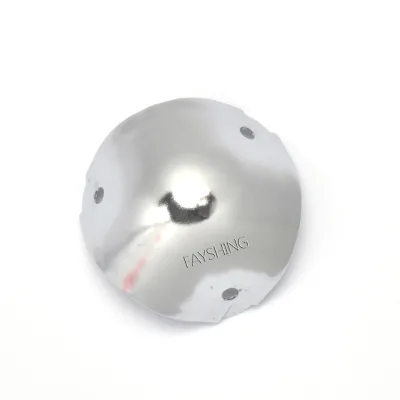
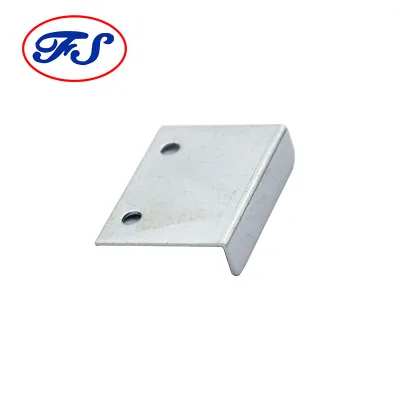
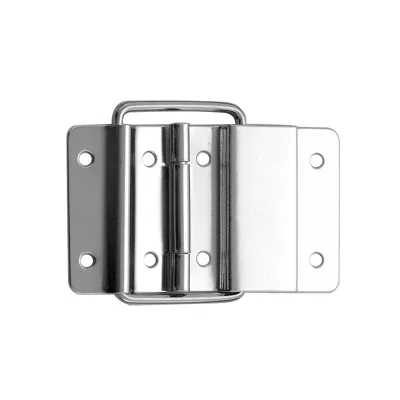


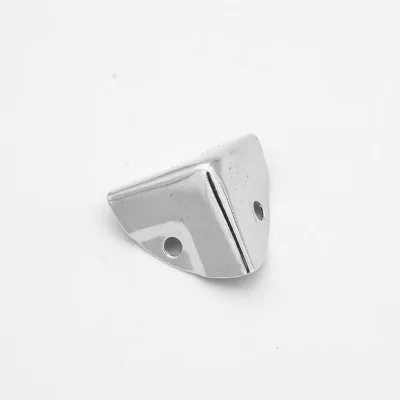

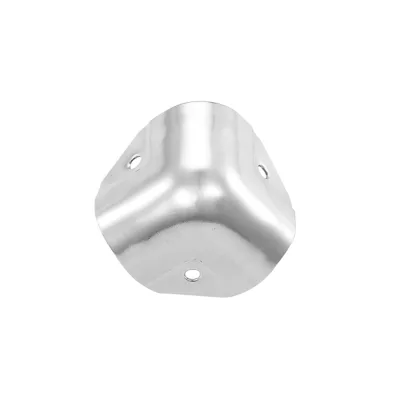
Suitcase Corner Brace Shaped Angle Corner Protector for case Parts Fs3002
$0.08 - $0.09
MOQ: 200 pieces
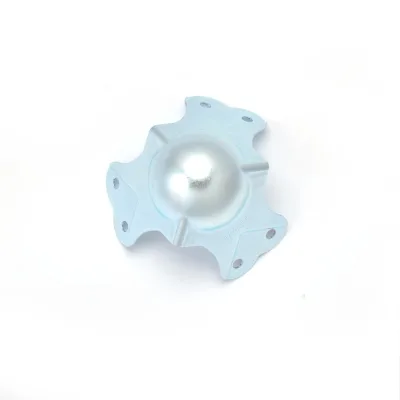
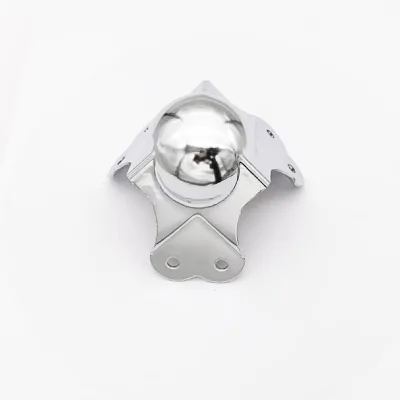
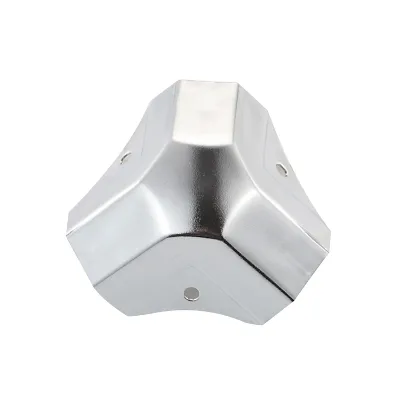
FAYSHINGaluminum Extruded Hot-selling Corner for Flight case Hardware Fs3139
$1.96 - $2.17
MOQ: 200 pieces




Comprehensive Sourcing Guide
Taiwan Aluminum Case Corners Sourcing Guide
Procuring corner protectors for flight cases and toolboxes requires distinguishing between generic metal fittings and specialized aluminum components designed for high-impact transport. While the observed market data highlights products made from cold or electrolytic plates, buyers must specifically verify if the aluminum composition meets the structural demands of international shipping. The distinction between steel and aluminum is critical, as aluminum offers superior weight-to-strength ratios essential for reducing overall cargo weight without compromising the integrity of the case corners.
Buyers should scrutinize product listings for explicit material declarations, as many suppliers list generic metal attributes that may not reflect the specific alloy used. The observed listings include items described as "Metal" or "cold/electrolytic plate," which suggests a need for careful filtering to isolate true aluminum variants. Ensuring the material matches the intended application, such as heavy-duty tool cabinets or sensitive flight cases, prevents premature failure and ensures the hardware can withstand the rigors of global logistics chains.
Product Scope and Observed Listing Signals
The current market for case corners displays a wide variance in dimensions, with observed sizes ranging from compact 30x30 mm units to larger 88x49 mm configurations. This diversity indicates that a single SKU rarely fits all applications, necessitating a precise match between the corner protector dimensions and the specific case profile. Buyers must align their internal specifications with the observed size ranges, such as the 34x25x8.5 mm or 30x30 mm variants, to ensure a seamless fit that maintains the aesthetic and functional integrity of the flight case.
Listing signals also reveal significant variation in color and finish options, ranging from standard light grey and silver to customizable chrome, gold, and black finishes. While some entries specify a single color like "Light Grey," others explicitly state that color is a customer requirement, offering a broad palette including nickel and white. This flexibility allows procurement teams to match the hardware to specific branding or aesthetic guidelines, but it also requires clear communication of color standards to avoid receiving mismatched components that could detract from the professional appearance of the final product.
Technical Specifications to Verify
Dimensional accuracy is paramount when selecting corner protectors, as even minor deviations can prevent proper installation or compromise the structural stability of the case. Buyers must verify the exact length, width, and thickness against the case frame, noting that observed specifications include single package sizes like 3x3x5 cm or 9x6x2 cm, which reflect the physical footprint of the individual units. Confirming these measurements ensures that the corners will sit flush against the case edges, providing the necessary reinforcement without interfering with latches or hinges.
Material composition and weight are equally critical technical factors that influence the durability and handling characteristics of the final assembly. While some listings indicate a single gross weight of 0.1 kg or 53.2g, others show negligible weight, suggesting a need to validate the density and alloy thickness of the metal. Verifying that the material is indeed aluminum, rather than a lighter or weaker substitute, ensures the corners can absorb impact and protect the contents during transit, particularly for high-value equipment housed in flight cases.
Compliance and Safety Documentation
Although specific certification documents were not explicitly detailed in the provided product attributes, buyers must request proof of material safety and environmental compliance for all metal hardware used in transport cases. The observed feature of "Eco-friendly" suggests that some suppliers may adhere to specific environmental standards, but this claim requires independent verification through material safety data sheets or third-party test reports. Ensuring that the metal plating and finishing processes do not introduce hazardous substances is essential for meeting international shipping regulations and customer safety expectations.
Documentation regarding the manufacturing origin and quality control processes is also necessary to validate the reliability of the supply chain. The observed place of origin, Guangdong, China, indicates a specific manufacturing hub, but buyers should confirm that the production facilities adhere to recognized quality management systems. Requesting documentation that verifies the consistency of the metal alloy and the durability of the finish helps mitigate risks associated with substandard hardware that could fail under the stress of heavy loading or rough handling during transit.
Cost Drivers and Commercial Terms
Pricing in this category is heavily influenced by the complexity of customization and the specific material alloy selected, with observed price ranges spanning from $0.01 to $3179 depending on the order volume and specifications. The wide disparity suggests that bulk orders of standard sizes may be significantly cheaper than custom-fabricated corners with unique finishes or dimensions. Buyers should analyze the cost per unit relative to the total order quantity, as the minimum order quantities observed range from 100 to 2000 pieces, impacting the overall budget and inventory planning.
Commercial terms such as sample availability and lead times play a crucial role in the procurement timeline and initial cost assessment. Many suppliers offer free samples with the buyer covering shipping fees, and sample times are typically short, ranging from 1 to 2 days, which facilitates rapid prototyping and validation. However, the delivery time for bulk orders, observed at 7 to 15 days, must be factored into the production schedule to ensure that the hardware arrives in time for case assembly and final shipment, avoiding costly delays in the supply chain.
Supplier Qualification and Quality Control
Supplier qualification should focus on their ability to provide consistent OEM and ODM services, as the observed listings explicitly welcome customization for logos and product models. The presence of specific model numbers like FS3053 and FS6043 indicates a structured product line, but buyers must verify that the supplier can maintain consistency across different batches and custom orders. Ensuring that the supplier has the capacity to handle the required volume, with MOQs varying from 100 to 10,000 pieces, is essential for scaling operations without compromising quality or delivery schedules.
Quality control measures must be rigorously applied to verify the durability and finish of the corner protectors before final acceptance. The observed features of "Durable" and "Professional" style suggest a focus on high-quality manufacturing, but these claims require physical inspection and stress testing to confirm. Buyers should implement a sampling protocol to check for defects in plating, dimensional accuracy, and structural integrity, ensuring that the corners meet the rigorous demands of flight cases and toolboxes that undergo frequent handling and transport.
Long-Term Procurement Checks
Establishing a long-term partnership requires regular audits of the supplier's ability to maintain consistent quality and delivery performance over time. Buyers should monitor the supplier's adherence to the agreed-upon specifications, such as the exact dimensions and material composition, to prevent drift in product quality that could affect the final case assembly. Regular communication regarding any changes in production processes or material sourcing helps maintain transparency and ensures that the hardware continues to meet the evolving needs of the business.
Continuous evaluation of the supplier's responsiveness to customization requests and their ability to adapt to market changes is also vital for long-term success. The observed willingness to accommodate customer requirements for color and logo customization indicates a flexible manufacturing approach, but this flexibility must be sustained over multiple order cycles. By maintaining a proactive relationship with the supplier, buyers can ensure a steady supply of high-quality corner protectors that support the reliability and reputation of their flight case and toolbox products.
FAQs
What materials are used for these flight case corners?
The corners are manufactured from cold electrolytic plate metal, ensuring high durability and structural integrity for heavy-duty applications. This material choice supports the professional style required for toolboxes and strong boxes, providing a robust protective layer for equipment during transport and storage operations.
What are the available size specifications for these corners?
Multiple size options are available, including 30x30 mm and 34x25x8.5 mm dimensions. Specific models like FS3053 and FS6043 offer distinct measurements to fit various case types. Buyers should verify the exact single package size, such as 3x3x5 cm or 9x6x2 cm, to ensure proper fit for their specific flight case requirements.
Can I get free samples before placing a bulk order?
Yes, free samples are provided to help buyers evaluate product quality and fit before committing to a large purchase. However, the shipping fee for these samples must be covered by the buyer. This allows for practical testing of the corner protectors' durability and finish, such as chrome or light grey options, prior to mass production.
What is the minimum order quantity for these accessories?
The minimum order quantity varies by supplier, typically ranging from 100 to 200 pieces. Some listings specify an MOQ of 100 pcs, while others require 200 pcs. Buyers should confirm the exact MOQ with the manufacturer, as this threshold impacts initial procurement costs and inventory management for custom flight case projects.
Are OEM and ODM services available for customization?
OEM and ODM services are warmly welcomed, allowing buyers to customize logos, colors, and specifications. Options include chrome, gold, black, nickel, or white finishes. This flexibility supports branding needs for professional flight cases and tool cabinets, ensuring the corner protectors align with specific design requirements and aesthetic preferences for the final product.
How long is the delivery time for these corners?
The standard delivery time ranges from 7 to 15 days after order confirmation. Sample preparation typically takes 1 to 2 days. This lead time ensures timely supply for flight case manufacturing and repair projects, allowing buyers to plan their production schedules effectively while maintaining consistent inventory levels for their specific accessory needs.