Source Customized Embroidered Cotton Polyester Hoodie for Teams, Events, and Retail
Compare 30 listings for a Customized Embroidered Cotton Polyester Hoodie featuring breathable, quick-dry fabric and flexible design options. Buyers can evaluate MOQs, lead times, and customization services from verified suppliers in Guangdong.
Key considerations
Products List
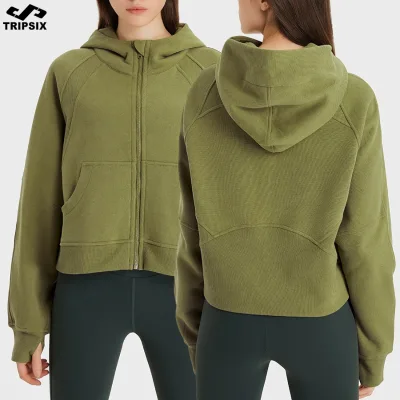


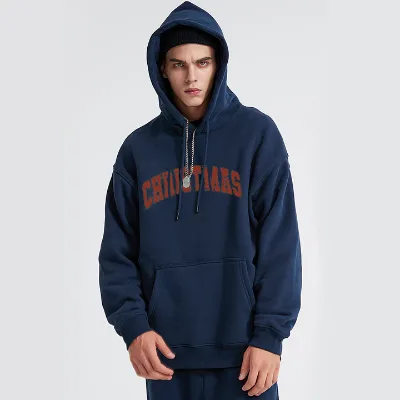


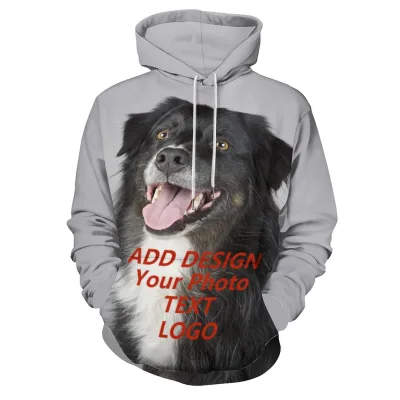


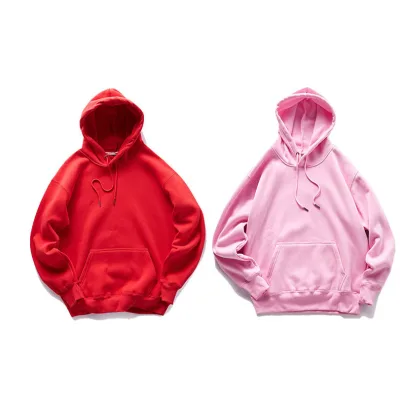
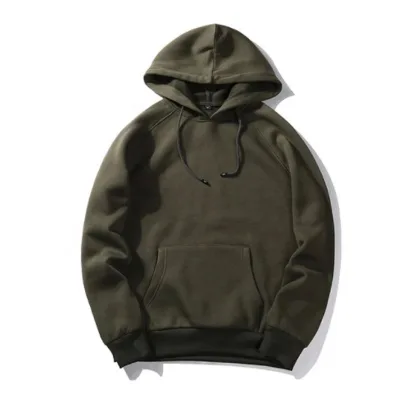
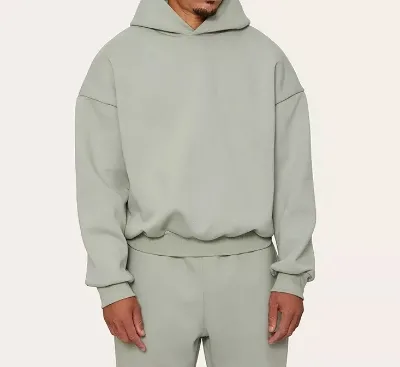
Plain White Hoodie Custom Logo Oversized Cotton Pullover Hooded Sweatshirt
$15.50 - $24.90
MOQ: 300 Pieces
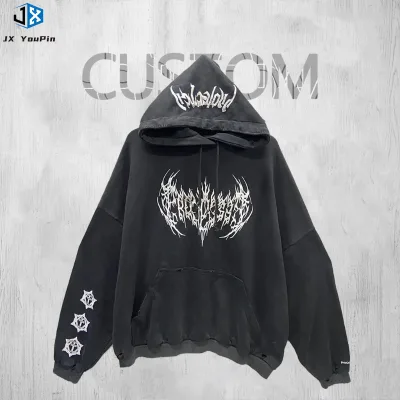


Comprehensive Sourcing Guide
Strategic Sourcing Guide for Customized Embroidered Cotton Polyester Hoodies
Navigating the global market for customized apparel requires a precise understanding of material composition, manufacturing capabilities, and supply chain logistics. For buyers seeking a Customized Embroidered Cotton Polyester Hoodie, the procurement process involves balancing aesthetic customization with functional performance. The specific blend of cotton and polyester offers a distinct advantage over 100% natural or synthetic alternatives, providing the soft hand-feel of cotton with the durability and moisture management of polyester. This guide outlines the critical technical, operational, and quality parameters necessary for a successful sourcing strategy, based on observed market data and industry standards.
Technical Specifications and Material Composition
The foundation of a successful hoodie procurement lies in the precise definition of material composition and construction. The core product category typically features a fabric blend of 70% cotton and 30% polyester, a ratio frequently observed in high-performance casual wear. This specific blend is engineered to deliver a balance of breathability and structural integrity. The cotton component ensures the garment remains soft against the skin and absorbs moisture, while the polyester fraction contributes to quick-drying capabilities, sweat-wicking properties, and resistance to shrinkage.
When evaluating product listings, buyers must distinguish between general material claims and specific construction details. The fabric is often produced using a warp knitting method, which influences the drape and elasticity of the final garment. This knitting technique is particularly relevant for hoodies intended for active use or layering, as it allows for consistent texture and pattern stability. The product style is generally categorized under shirts and tops, with a specific focus on the hoodie silhouette.
Key technical attributes to verify include the hood type, which is often listed as fixed in standard listings, ensuring the hood maintains its shape during wear. The collar style is predominantly round neck, providing a classic look that pairs well with various customization options. Sleeve length is typically long sleeve, suitable for autumn and cooler weather conditions. The pocket type is frequently a side pocket, offering practical utility without compromising the streamlined profile of the garment.
| Feature Category | Common Specification | Sourcing Verification Point |
|---|---|---|
| Material Blend | 70% Cotton / 30% Polyester | Confirm exact percentage ratio in fabric swatch. |
| Knitting Method | Warp Knitting | Verify fabric structure and stretch recovery. |
| Hood Type | Fixed | Check attachment method and stiffness. |
| Collar Style | Round Neck | Ensure neckline finish matches design intent. |
| Sleeve Length | Long Sleeve | Measure sleeve length relative to size chart. |
| Pocket Type | Side | Confirm pocket depth and reinforcement. |
Customization Capabilities and Design Flexibility
The primary value proposition for this product category is the ability to customize. Buyers should expect custom design availability as a standard offering. This extends beyond simple color selection to include complex branding elements. The logo application is a critical decision point, with embroidered logo and print options both widely available. Embroidery provides a premium, textured look that is durable and resistant to fading, making it ideal for corporate branding or high-end streetwear. Conversely, printing techniques may be preferred for full-color graphics or large-scale designs.
The pattern type is another area of significant flexibility. While solid patterns are the most common baseline, support customization for patterns is often available. This allows buyers to introduce unique colorways or graphic elements that differentiate their brand. The color palette typically includes versatile staples such as black, green, and light grey, but custom dyeing services may be accessible depending on the supplier's capacity.
Size customization is equally important. The standard size range usually spans from S to XXL, covering a broad demographic. However, for specific markets, buyers should verify if the supplier can accommodate extended sizing or custom grading. The gender classification is typically unisex, which simplifies inventory management for brands targeting a mixed audience. The style is consistent with modern casual wear, suitable for both promotional use and retail sales.
Compliance, Certification, and Quality Assurance
In the realm of B2B apparel procurement, compliance is non-negotiable. While specific certification statuses like GOTS (Global Organic Textile Standard) may appear in background data, buyers must not assume a specific supplier holds these certifications without direct verification. The presence of a top quality guarantee is a common attribute listed by suppliers, but this is a general statement rather than a third-party audited standard.
Buyers must conduct their own due diligence regarding safety and environmental standards. This includes verifying that the polyester and cotton fibers meet relevant flammability and chemical residue standards for the target market (e.g., REACH in Europe or CPSIA in the US). The fabric itself should be tested for breathability, eco-friendly claims, and sweat-wicking performance if these are critical selling points.
Quality control should be integrated into the sourcing workflow. The single gross weight of the product is often around 0.800 kg, which serves as a baseline for shipping cost calculations and quality consistency checks. Significant deviations in weight may indicate inconsistent fabric density or incomplete filling. The single package size is typically 33x23x3 cm, which is optimized for efficient logistics. Buyers should request pre-shipment inspection reports that verify these physical dimensions and weight specifications against the ordered quantity.
Cost Drivers and Pricing Structures
Understanding the cost structure of customized hoodies is essential for budgeting and margin analysis. The observed listed price range in the market varies significantly, typically falling between $2.88 and $27.00 USD. This wide disparity is driven by several factors, including the complexity of the embroidery, the quality of the fabric blend, the order volume, and the specific supplier's overhead.
The Minimum Order Quantity (MOQ) is a critical cost driver. While some suppliers offer an MOQ of 1 piece for sampling or small-batch testing, larger production runs often require quantities up to 1000 pieces to achieve the lower end of the price spectrum. The supply type is often categorized as in-stock items for standard colors and sizes, which can reduce lead times and costs. However, OEM service (Original Equipment Manufacturer) for fully customized orders typically involves longer lead times and higher unit costs due to the setup required for custom dyeing and embroidery.
Payment terms such as TT (Telegraphic Transfer) are standard in the industry. Buyers should negotiate terms that align with their cash flow, often seeking a deposit structure (e.g., 30% deposit, 70% before shipment) for custom orders. The lead time is another variable; while some items are available for immediate dispatch, custom orders may require a 7-day sample order lead time followed by a production window. The place of origin is frequently Guangdong, China, a major manufacturing hub known for its textile infrastructure, which influences both cost and logistics efficiency.
Supplier Evaluation and Operational Logistics
Selecting the right supplier requires a multi-faceted evaluation process. The brand name associated with the product, such as TRIPSIX, may indicate a specific manufacturer's identity, but buyers should not rely solely on brand reputation. Instead, focus on the supplier's production capacity and supply type. Suppliers offering OEM service demonstrate the flexibility required for custom branding, while those with in-stock items are better suited for urgent, low-volume needs.
Logistics planning must account for the packaging details. The standard packaging involves a poly-bag for each item, often placed within a carton for delivery. The product packing specification is often listed as 1 piece/OPP (Oriented Polypropylene) or similar protective wrapping. For bulk orders, the carton dimensions are crucial for container loading optimization. The standard carton size may vary, with some listings citing 40x50x50 cm as a reference for bulk packaging, though this should be confirmed for specific orders.
The lead time for production is a critical operational metric. While some suppliers claim a 5-day turnaround for certain items, custom embroidery and design work will extend this timeline. Buyers should verify the sample order lead time, which is often supported at 7 days, to ensure the timeline aligns with their product launch schedule. The place of origin being China implies specific shipping routes and potential customs considerations that must be factored into the total landed cost.
Long-Term Procurement and Relationship Management
Building a sustainable supply chain for customized hoodies involves more than a single transaction. Buyers should prioritize suppliers who demonstrate consistency in quality, communication, and delivery. The guarantee of top quality should be backed by a clear return or replacement policy for defective goods. Establishing a long-term relationship with a supplier can lead to better pricing tiers, priority production slots, and more flexible MOQ adjustments as order volumes grow.
Future-proofing the procurement strategy involves staying informed about material trends and sustainability. As the market shifts towards more eco-friendly materials, buyers should inquire about the availability of organic cotton blends or recycled polyester options. While specific certifications like GOTS are not universally present, suppliers who proactively discuss their environmental practices are likely to be better partners for long-term growth.
Finally, the design process should be collaborative. Suppliers offering custom design services should be able to provide technical support for file preparation, color matching, and embroidery digitization. This ensures that the final product matches the brand's vision exactly. By maintaining open lines of communication and setting clear expectations regarding specifications, packaging, and delivery, buyers can mitigate risks and ensure a steady supply of high-quality customized hoodies.
In conclusion, sourcing customized embroidered cotton polyester hoodies requires a meticulous approach to technical specifications, customization options, and supplier capabilities. By focusing on the verified attributes of the product, such as the 70% cotton/30% polyester blend, warp knitting construction, and embroidered logo availability, buyers can make informed decisions that align with their brand identity and operational goals. The wide range of prices and MOQs necessitates careful budgeting and planning, while the emphasis on quality control and logistics ensures a smooth procurement journey from sample to final delivery.
FAQs
What is the typical fabric composition for this hoodie?
The fabric is typically a blend of 70% cotton and 30% polyester. This specific ratio ensures the garment remains soft while offering durability and quick-drying capabilities for active use.
Can I get a custom embroidered logo on the product?
Yes, custom embroidered logos are available as a standard option. Buyers can also choose print methods, allowing for flexible branding that meets specific design requirements for corporate or streetwear use.
What is the minimum order quantity for a sample?
The minimum order quantity can be as low as one piece for sampling purposes. This allows buyers to test quality and design before committing to larger production runs of up to 1000 pieces.
How long does it take to receive a sample order?
Sample orders typically require a lead time of seven days for production. While some items are in stock for immediate dispatch, custom designs may extend the timeline depending on the supplier's capacity.
Which sizes are available for the unisex hoodie style?
Standard sizes range from Small to XXL to accommodate a broad demographic. The product is classified as unisex, simplifying inventory management for brands targeting a mixed audience across various markets.
What is the standard packaging method for individual items?
Each item is individually packed in a poly bag for protection. These single units are then placed into cartons for delivery, with standard package dimensions around 33 by 23 by 3 centimeters.
Where are these hoodies typically manufactured?
The products originate from Guangdong, China, a major textile manufacturing hub. This location influences logistics efficiency and cost structures, with many suppliers offering in-stock items or OEM services from this region.